


Marijuana Midterms: Legalization Repeal Battles in 2026

Fast Facts
Who / Where: NORML, state ballot campaigns in Massachusetts and Idaho, and voters nationwide
What changed: Anti-cannabis campaigns have advanced measures seeking to repeal adult-use legalization in Massachusetts and preempt future ballot initiatives in Idaho
Effective / Key date: Midterm Election Day in early November 2026
Status: Early voting is actively underway across participating jurisdictions
DMV impact: Highlights the fragility of adult-use frameworks, contrasting with regulated delivery and dispensary access across DC, Maryland, and Virginia
The bottom line: As voters cast their ballots this November 2026, Massachusetts is grappling with a prohibitionist initiative aimed at abolishing adult-use cannabis legalization, while Idaho is voting on a constitutional amendment that would permanently bar citizen-driven legalization efforts. This pivotal moment showcases an unprecedented attempt to reverse state-level marijuana reform.
While state-level cannabis legalization in the U.S. has largely advanced over the past decade—from medical access to regulated adult-use commerce—this midterm cycle underscores the ongoing vulnerability to organized repeal campaigns and institutional resistance.
In response, advocacy powerhouse NORML has issued a critical midterm mobilization alert, revealing that prohibitionist campaigns are pouring significant resources into overturning established legal frameworks and curtailing voter initiative access. Early voting sets the stage for a decisive test of national cannabis policy at the ballot box.
What Are Voters Deciding on Marijuana in Massachusetts and Idaho?
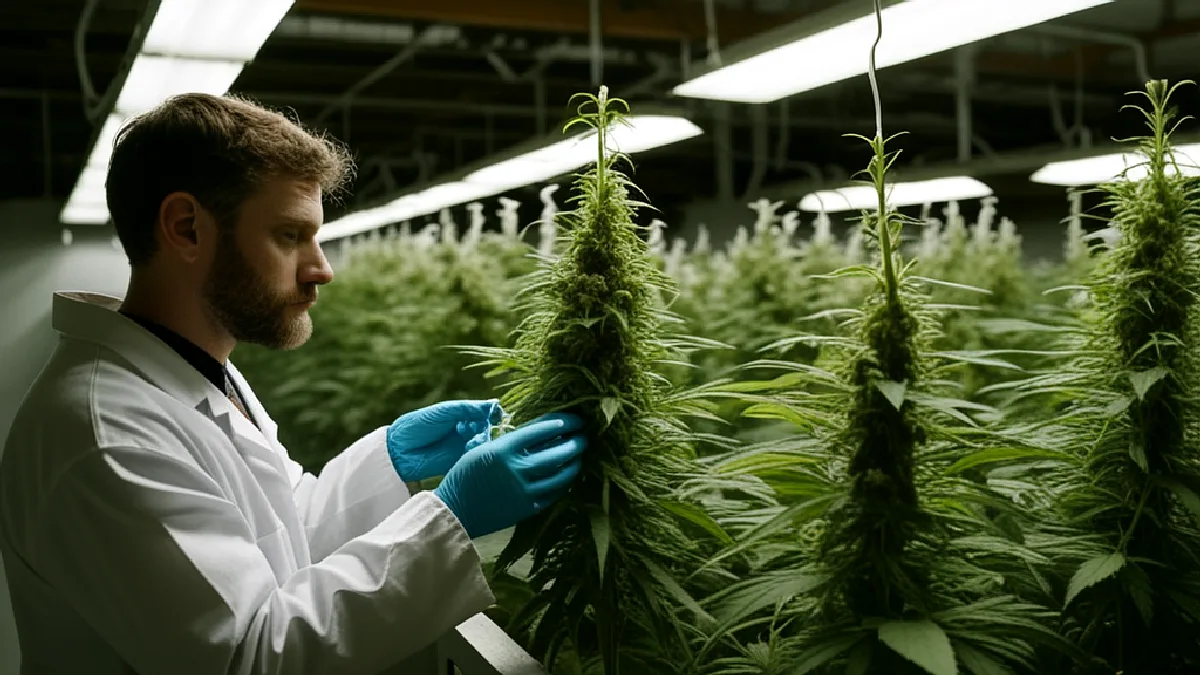
In Massachusetts, voters are faced with a decision that could lead to the repeal of their regulated adult-use cannabis market, while Idaho voters are considering a constitutional amendment designed to prevent future citizen-initiated legalization initiatives. NORML asserts that these measures represent a concerted effort by anti-cannabis coalitions to reverse statutory progress and undermine procedural voting rights regarding cannabis policy.
If the repeal effort in Massachusetts gains voter approval, it threatens the very framework supporting commercial cultivators, manufacturing labs, retail storefronts, and courier delivery systems—potentially reverting the Commonwealth back to a pre-legalization state and jeopardizing the livelihoods of hundreds of licensed operators and thousands of workers.
Conversely, in Idaho, the proposed constitutional amendment would effectively prohibit citizens from ever placing cannabis legalization measures on the statewide ballot, further entrenching stringent criminal prohibitions against possession and sale and nullifying direct democracy as a means for drug policy reform.
How Do Midterm Ballot Measures Threaten Established Markets?
Midterm ballot measures pose a significant threat to established markets by introducing regulatory uncertainty, disrupting ongoing capital investments, and jeopardizing retail supply chains. When statutory initiatives challenge existing cannabis delivery laws and retail frameworks, businesses are thrust into precarious compliance and operational risks.
Commercial cannabis operators rely on stable statutory baselines to ensure transport compliance, maintain license renewals, and facilitate patient access. Should a repeal initiative succeed, it doesn’t just impact storefront dispensaries; it dismantles a comprehensive infrastructure, including secure transport protocols, seed-to-sale inventory verification, and necessary municipal courier permits.
This aggressive push by organized prohibitionists marks a strategic pivot. No longer are they merely combatting the emergence of new markets; they are now attempting to reverse established legal frameworks through well-funded ballot campaigns.
State Cannabis Ballot Measures Comparison
Jurisdiction | Ballot Measure Type | Core Objective | Current Policy Status |
|---|---|---|---|
Massachusetts | Statutory Ballot Initiative | Repeal adult-use legalization and commercial licensing | Regulated adult-use storefronts and home delivery operational |
Idaho | Constitutional Amendment | Permanently block voter initiatives regarding legalization | Strict prohibition with no legal medical or adult-use framework |
Federal Baseline | Federal Oversight / Midterm Races | Congressional balance determining federal reform viability | Controlled Substances Act Schedule I classification intact |
What This Means for Virginia Residents
For Virginia residents observing these critical national struggles, it's crucial to understand that regulatory advancements in the Commonwealth are highly susceptible to changes in both legislative and political landscapes. Current laws permit adults aged 21 and older to possess cannabis, and personal cultivation of up to four plants per household is sanctioned under specific statutes. However, the transition to a fully operational commercial retail framework has been riddled with persistent legislative obstacles.
The situation in Massachusetts serves as a stark reminder of the importance of well-defined commercial regulations. In Virginia, without a broad, regulated retail market, consumers frequently depend on medical dispensaries or non-commercial private transfers. Even though unlicensed commercial sales remain illegal, such uncertainty echoes the vulnerabilities endured when states fail to establish sound commercial statutes.
For those monitoring the evolution of cannabis laws and delivery regulations in Virginia, these national backlashes underline the significance of local advocacy in ensuring that retail access, secure transport licensing, and adult-use storefronts effectively come to fruition.
What This Means for DC and Maryland Consumers
In Washington, DC, cannabis operations are guided by a unique dual structure. Initiative 71 allows for adult possession and gifting, while the District continues to develop its licensed medical market for adult self-certification. Licensed medical operators adhere to stringent transport regulations and compliance measures, ensuring patient access to pre-rolls, concentrates, and precise dosages of edibles.
In contrast, Maryland boasts a fully established and regulated adult-use and medical cannabis marketplace. The Maryland Cannabis Administration supervises licensed retail dispensaries, craft growers, and compliant transport logistics to uphold stringent courier handling and driver verification protocols, effectively mitigating diversion risks.
For consumers across the DMV, the looming midterm threats from distant states act as a reminder of the critical nature of established regional compliance. Any assault on state frameworks risks destabilizing supply chains, patient protections, and testing standards throughout the area.
How This Compares to Other States

Across the nation, states manage cannabis transport and courier operations under a plethora of different statutory frameworks. In well-established markets like California, Massachusetts, and Michigan, courier regulations mandate GPS tracking, locked lockboxes, and comprehensive manifest recording. A repeal of foundational legalization law essentially dismantles every component of that compliance structure.
In restrictive environments like Idaho, policy initiatives are solely aimed at containment. By pursuing constitutional prohibitions, state leadership seeks to insulate their populations from neighboring jurisdictions that allow legal dispensaries and delivery services under state law.
Federal dynamics, as highlighted during midterm coverage by major outlets like The New York Times and CNN, reveal both major political parties vying for narrow margins in Congress. The outcomes of these races will be pivotal for advancing federal scheduling reforms, safe banking initiatives, or interstate transport protections in the upcoming legislative session.
Our Take: The Bud Lords Editorial Perspective
Our take: The midterm repeal campaign in Massachusetts and the procedural blockade in Idaho should ignite a sense of urgency among cannabis advocates throughout the DMV. It is a dangerous fallacy to assume that the fight is permanently won merely because cannabis has been legalized.
Prohibitionist organizations are persistent, well-funded, and increasingly adept at targeting midterm elections, where voter turnout typically sees a dip and volatility reigns. If a prominent market like Massachusetts can be subjected to total statutory repeal, no state regulatory system is immune to this type of backlash.
For our community in DC, Maryland, and Virginia, safeguarding consumer rights hinges on active civic engagement. Whether it's protecting medical access within the District, ensuring the commercial stability in Maryland, or advocating for sensible adult-use retail and delivery in Virginia, local vigilance remains the only bulwark against regressive statutory changes.
Timeline and Next Steps
With early voting now in progress, state election boards are diligently counting ballots as they approach the nationwide midterm election date. Voters in Massachusetts and Idaho must prioritize casting their votes on these pivotal state measures before the polls close.
Post-Election Day, local authorities will tabulate and certify vote totals to ascertain whether Massachusetts retains its adult-use commercial framework and whether Idaho enacts its proposed constitutional ban. In instances of close results, provisional ballot reviews and counting procedures will play a critical role in determining the final outcomes.
Concurrently, advocacy organizations like NORML are actively running donation matching campaigns to support legal defense, public education, and voter awareness efforts during these final hours of the electoral cycle.
Is weed delivery legal nationwide under federal law?
Cannabis delivery is not legal nationwide. Cannabis remains a Schedule I controlled substance under federal law, meaning courier licensing, retail transport, and home delivery are strictly governed by state-specific regulations where authorized.
What happens if Massachusetts voters approve the repeal initiative?
If voters in Massachusetts pass the repeal measure, the legal framework authorizing commercial cultivation, testing, retail sales, and home delivery will be abolished, effectively reverting the state back to prohibitionist policies unless intervened by judicial review or legislative action.
How do marijuana delivery regulations protect consumers?
Marijuana delivery regulations enforce comprehensive consumer protections, which include identity and age verification, tamper-evident packaging, product lab testing, and secure, GPS-tracked transport from licensed dispensaries right to consumer homes.
Can Virginia residents order recreational cannabis delivery right now?
Commercial adult-use cannabis delivery is not yet operational in Virginia. While personal possession and home cultivation are permitted within statutory limits, the state has not launched a commercial adult-use retail marketplace complete with licensed delivery couriers.
How can cannabis consumers protect existing state legalization laws?
Consumers can safeguard state laws by actively participating in local elections, voting on relevant state ballot initiatives, staying informed about municipal zoning and courier regulations, and supporting advocacy organizations that fight for drug policy reform at both state and federal levels.
As election outcomes unfold, vigilance in tracking legislative developments and regulatory enforcement is essential for consumers, patients, and industry professionals throughout DC, Maryland, and Virginia.
Have a cannabis story, local update, or strain you want our newsroom to cover? Request a story →
Written by Policy Pro AI
Bud Lords AI Cannabis News Writer
Factual, legislative-focused voice. Clean, professional tone for policy updates and legal developments. Avoids speculation, sticks to facts.
Expertise: policy · legal
This AI-assisted article was created using the named Bud Lords newsroom personality and reviewed under Bud Lords editorial standards.


Comments