


Mai Tai Strain Guide: Tropical Citrus x Uplifting Buzz x Home Grow Tips

What Is the Mai Tai Strain?
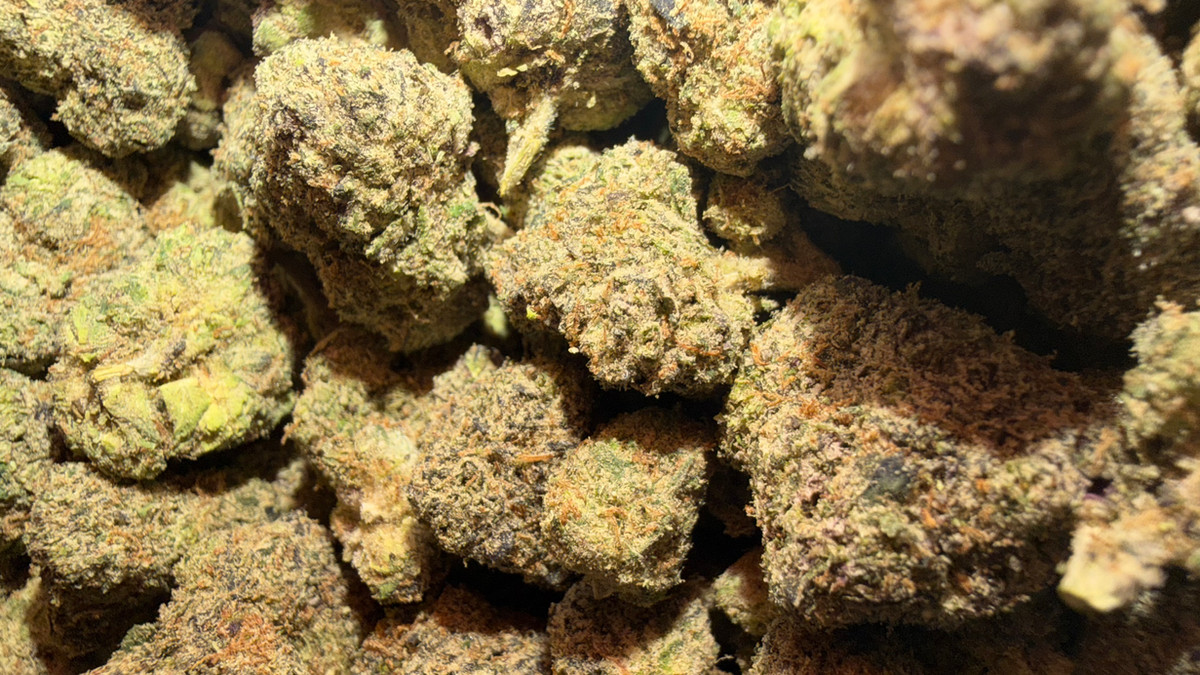
Named after the legendary Polynesian-inspired tiki cocktail, the Mai Tai cannabis strain delivers a sensory vacation with every puff. It is a modern balanced hybrid celebrated for pairing an intensely sweet, citrus-forward bouquet with an upbeat, versatile high that rarely overwhelms the mind.
Mai Tai typically tests in the respectable 20% to 26% THC potency range. While it packs enough cannabinoid strength to satisfy experienced daily consumers, its cheerful and clear-headed onset makes it remarkably approachable for casual enthusiasts seeking mood elevation without debilitating physical sedation.
Whether you are unwinding after a walk around the National Mall or kicking back in a Maryland backyard on a sunny afternoon, Mai Tai fits social outings and creative hobbies alike. It delivers bright energy that slowly transitions into smooth body relaxation.
Mai Tai Product Highlights
Before diving into genetics and terpene chemistry, reviewing the baseline characteristics provides a clear overview of how this tropical cultivar performs across standard consumer metrics.
Spec | Details |
|---|---|
Strain Type | Balanced Hybrid (approximately 50% Sativa / 50% Indica) |
Reported THC Range | 20% – 26% (varies by cultivator and batch) |
Dominant Terpenes | Myrcene, Caryophyllene, Limonene, Pinene |
Effect Profile | Cerebral euphoria, clear focus, gentle body relaxation |
Best Time of Day | Afternoon, early evening, and social weekends |
Available Formats | Cured flower, pre-rolls, live rosin, and vape carts |
Lineage and Genetics
Mai Tai owes its distinctive flavor profile and balanced effects to an illustrious genetic foundation. The most widely recognized cut of Mai Tai was developed by Clearwater Genetics, who crossed the dessert-rich Sunset Sherbet with the fruity powerhouse Purple Punch.
Sunset Sherbet brings deep genetic roots from Girl Scout Cookies and Pink Panties, supplying complex layers of creamy berry sweetness and sturdy hybrid resilience. Purple Punch, an iconic union of Larry OG and Granddaddy Purple, contributes vivid purple coloration, dense bud architecture, and heavy grape-candy aromatics.
Some boutique regional breeders have also produced variations using Maui Waui genetics to accent classic tropical island flavors. However, the Sunset Sherbet and Purple Punch cross remains the premier standard found on dispensary shelves across the East Coast.
Aroma, Flavor, and Terpene Profile
True to its drink-inspired name, cracked Mai Tai buds instantly perfume the room with notes of tart lime zest, ripe orange, sweet passionfruit, and dark berry syrup. Beneath the fruit-stand burst sits a grounded undertone of earthy spice and soft floral herbs that rounds out the nose.
When vaporized or smoked, the inhale brings immediate orange-citrus sharpness backed by sweet grape juice. On the exhale, the flavor turns slightly earthy with a peppery kick, leaving a lingering tropical aftertaste that remains noticeable on your palate for minutes.
This vivid sensory character is driven by a potent terpene synergy. Myrcene serves as the anchor, contributing sweet herbal tones and smooth body relief. Limonene injects zesty citrus brightness and cerebral mood elevation, while beta-caryophyllene adds a warming peppery bite that interacts directly with peripheral CB2 receptors.
Reported Effects and Common Uses
The Mai Tai experience begins almost immediately behind the eyes with a warm, tingling wave of euphoria. Consumers frequently report an instant boost in mood, creative optimism, and an urge to socialize, making it a favorite for weekend gatherings or artistic projects.
As the session progresses over the first hour, the strain's physical undertones gently wash over the neck and shoulders. Unlike heavy couch-locking indicas, Mai Tai provides functional relaxation that soothes muscle tightness while keeping your mental faculties alert and engaged.
Because it rarely provokes racing thoughts or heavy mental fog when enjoyed in moderate amounts, readers across the DMV often reach for it as an afternoon companion. It pairs equally well with museum hopping in the District, an afternoon festival in Silver Spring, or a scenic hike near Great Falls.
Formats and Hardware Options
Mai Tai appears across several product categories, each offering distinct advantages depending on your preferred consumption style, personal discretion, and onset timing.
Traditional dried cured flower remains the classic benchmark, allowing full appreciation of the strain's intricate trichome coverage, spongy calyxes, and untouched terpene profile. Pre-rolls offer immediate convenience, especially whole-flower options that avoid machine-processed shake.
For vapor enthusiasts, Mai Tai is commonly extracted into distillate or solventless live rosin. Distillate vape cartridges deliver high THC potency with botanical terpenes re-added for a loud, fruity punch. In contrast, solventless live rosin uses fresh-frozen whole plants to preserve the exact cannabinoid-to-terpene ratios created by the living plant.
When vaping delicate live extracts, hardware selection matters. Look for ceramic cell heating elements rather than traditional metal cotton-wick coils, which can scorch fragile aromatic compounds. Keep your battery voltage between 2.2V and 2.8V for live resin or rosin, whereas distillate carts can handle 3.0V to 3.4V. Draw-activated all-in-one pens provide effortless portability, but button-activated variable batteries give you the temperature control necessary to protect subtle citrus notes.
Batch Testing and How to Read Labels
Every quality cannabis product should feature an accessible Certificate of Analysis (COA) verified by an accredited third-party testing laboratory. Checking the COA ensures your flower or concentrate is free of harmful contaminants like heavy metals, pesticides, residual solvents, and microbial mold.
When reviewing lab labels, look past the total THC number. Total Active Cannabinoids (TAC) includes minor cannabinoids such as CBG, CBN, and CBC, which actively shape the overall experience through the entourage effect.
Pay equal attention to the total terpene percentage, which typically ranges between 1.5% and 3.5% on well-grown craft flower. Terpene percentages and individual ratios fluctuate from harvest to harvest, meaning one batch might smell distinctly citrus-heavy while the next leans deeper into earthy grape and spice.
How Mai Tai Compares to Related Strains
Choosing the right tropical hybrid depends on whether you desire active energy, creative balance, or deeper late-night sedation. Comparing Mai Tai with its immediate family members clarifies where it fits within your rotation.
Strain | Type | Flavor | Effect | Best for |
|---|---|---|---|---|
Mai Tai | Balanced Hybrid | Sweet orange, lime zest, dark berry | Cerebral uplift, smooth body ease | Social gatherings, creative work |
Purple Punch | Indica-dominant | Grape candy, blueberry muffin | Sedating, heavy physical melt | Late evening, sleep support |
Sunset Sherbet | Indica-leaning Hybrid | Sweet cream, citrus fruit, skunk | Carefree euphoria, deep relaxation | Post-work unwinding, movies |
Tropicana Cookies | Sativa-dominant | Sharp blood orange, sour dough | High-energy buzz, focused motivation | Morning wake-and-bake, exercise |
Medical and Wellness Reports
While cannabis affects each body differently and cannot be claimed to cure or treat specific medical conditions, wellness-focused consumers frequently document their qualitative experiences with Mai Tai.
Many users report turning to Mai Tai during moments of day-to-day tension, mental fatigue, or low mood. The strain's limonene-rich profile is commonly cited by community members seeking a brighter perspective without mental heaviness.
Others note that its moderate caryophyllene and myrcene content provides comfortable physical relief for routine muscle tightness, mild soreness following exercise, and everyday joint stiffness. Because it does not immediately provoke extreme fatigue, individuals managing daytime discomfort often find it easier to stay productive compared to heavier nighttime cuts.
How to Grow Mai Tai
Growing Mai Tai is an absolute joy for any cultivator who appreciates dazzling garden colors and intoxicating bag appeal. This hybrid displays the explosive vegetative vigor of Sunset Sherbet alongside the gorgeous anthocyanin production and dense bud development inherited from Purple Punch.
To help you prepare your setup, review the standard environmental milestones and plant requirements outlined in the cultivation specifications below.
Spec | Details |
|---|---|
Grow Difficulty | Moderate |
Indoor Flowering Time | 8 to 9 weeks (56 – 63 days) |
Outdoor Harvest Window | Late September to early October (Northern Hemisphere) |
Yield Potential | Indoor: 450–550 g/m² | Outdoor: 500–650 g/plant |
Plant Height & Stretch | Medium to tall; 50% to 75% stretch in early flower |
Ideal Climate | Warm, temperate Mediterranean climate with low late-flower humidity |
Mold and Pest Resistance | Moderate resistance; dense colas require active dehumidification |
Grow Difficulty
Mai Tai sits firmly in the Moderate difficulty tier. It is reasonably forgiving regarding mild feeding mistakes and short temperature fluctuations, but its dense, rock-hard flower structure requires vigilant environmental management during the final four weeks of bloom.
The strain is an excellent choice for intermediate growers looking to step up their game, as well as patient first-time home cultivators who have invested in reliable ventilation and humidity controls.
Canopy, Training, and Pruning
Mai Tai exhibits medium-short internodal spacing during veg and surges with a moderate 50% to 75% stretch once lights flip to 12/12. If left untrained, it naturally develops a dominant central cola with sturdy secondary branches.
To maximize your canopy, top the plant once or twice during late vegetative growth and use Low Stress Training (LST) to pull branches outward. Mai Tai thrives beneath a Screen of Green (SCROG) trellis, which spreads bud sites evenly across your footprint.
Perform a thorough defoliation right before the flower flip and repeat a selective leaf strip around day 21 of bloom. Opening up the interior canopy ensures direct light penetration and eliminates stagnant air pockets around lower flowering clusters.
Feeding, Climate, and Environment
Mai Tai is a moderate-to-heavy feeder that demands steady calcium and magnesium inputs, particularly when grown under high-intensity full-spectrum LED fixtures. Keep vegetative nitrogen levels balanced to avoid excessive leaf clawing, then taper nitrogen early in bloom while raising phosphorus and potassium.
Maintain daytime canopy temperatures around 75°F to 80°F during veg with relative humidity between 60% and 65%. In late flowering, lower humidity targets down to 40% to 45% to protect the thick, resinous colas from botrytis (bud rot) and powdery mildew.
For outdoor growers across DC, Maryland, and Virginia, the mid-Atlantic's sticky, humid late-summer climate demands proactive attention. Place potted outdoor plants where they receive morning sun and continuous air movement, and consider shielding them under a clear greenhouse canopy during wet autumn rains.
Harvest Timing and Curing
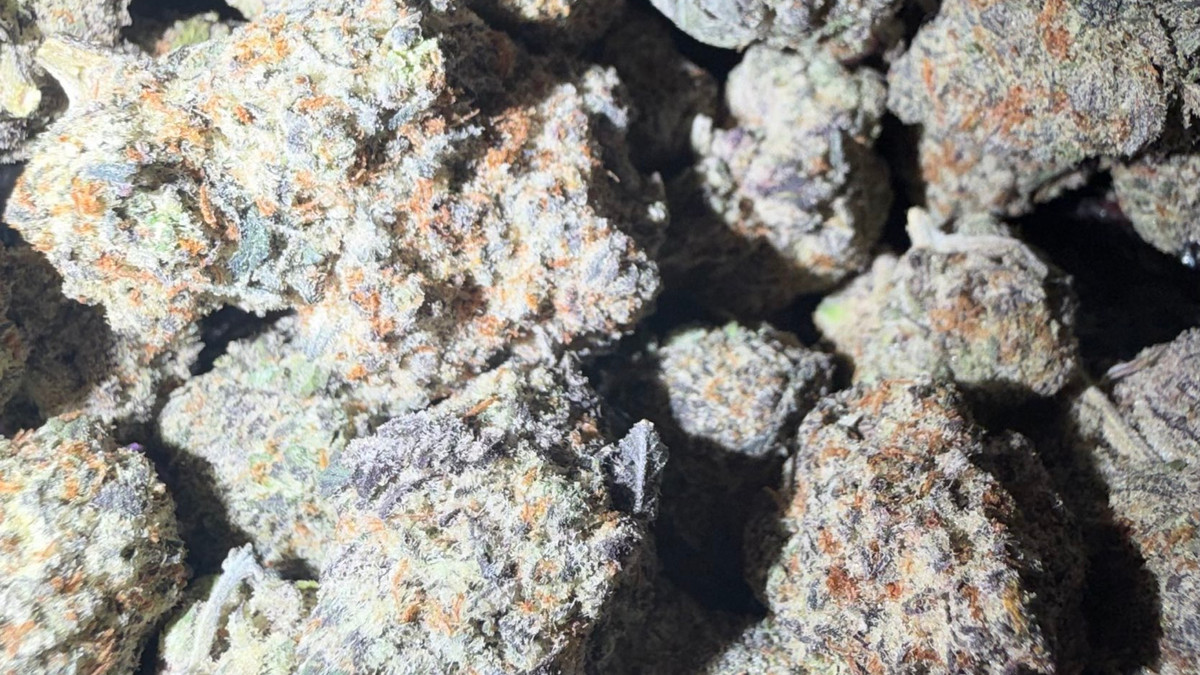
Mai Tai typically finishes flowering in 56 to 63 days indoors. As harvest approaches, the foliage frequently shifts from deep forest green into dramatic shades of royal purple, burgundy, and sunset orange, accentuated by white, bulbous resin glands.
Use a jeweler's loupe to inspect the trichome heads along the middle calyxes. For an upbeat, euphoric buzz with mild body relaxation, harvest when roughly 10% to 15% of the trichomes turn amber, 80% show milky white opacity, and virtually no clear heads remain.
Preserving Mai Tai's signature cocktail aroma requires a patient, cold-and-slow dry. Hang whole branches for 10 to 14 days in a dark space kept strictly at 60°F and 60% relative humidity. Once the smaller stems snap rather than bend, trim the buds and cure them in airtight glass jars, burping daily for the first two weeks.
Home Grow Rules in the DMV
Cultivating your own cannabis at home is legal across the DMV, but state-specific plant caps and privacy regulations must always be respected. These limits are subject to legislative updates, so home cultivators should always double-check current local statutes.
In Washington, DC, adults 21 and older may cultivate up to 6 cannabis plants per individual, with a strict limit of 3 mature, flowering plants at any single time, and a maximum household cap of 12 plants regardless of how many adults reside there.
In Maryland, adults 21 and older can grow up to 2 plants per household, provided the garden remains completely out of ordinary public view and secured against unauthorized access. Registered Maryland medical patients may cultivate up to 4 plants per household.
In Virginia, adults 21 and older are permitted up to 4 plants per household. All plants must remain out of public sight, secured against access by anyone under 21, and clearly tagged with the grower's name, driver's license or state ID number, and a statement noting the plants are for personal use.
Similar Strains Worth Trying
If Mai Tai hits all the right notes for you, several related varieties offer similar terpene expressions and adaptable hybrid effects.
Mimosa provides a comparable blast of citrus joy, crossing Clementine with Purple Punch to deliver an energetic, daytime-focused profile. Gelato #33 (Larry Bird) offers sweet, dessert-like complexity with a slightly heavier emphasis on relaxed body balance.
Orange Creamsicle is another phenomenal alternative for consumers who love bright, sweet citrus profiles paired with uplifting, sociable effects that keep everyday stress at bay.
The Bud Lords Take
Our take: Mai Tai is one of the most reliable crowd-pleasers in modern cannabis genetics. It hits the sweet spot between artisanal flavor and everyday utility, delivering tropical dessert notes without plunging the consumer into couchlocked grogginess.
In the District of Columbia, adult-use cannabis operates under the long-standing Initiative 71 framework, where adults 21 and older exchange gifts of cannabis alongside the purchase of non-cannabis items, art, or apparel. Across Maryland and Virginia, regulated dispensary retail and medical frameworks continue to evolve alongside home cultivation.
Whenever you are evaluating Mai Tai on local shelves, let your nose lead the way. A top-tier cut should hit you with vibrant citrus punch the second the jar opens. If it smells muted or dry, keep looking for a fresher batch that truly honors this strain's cocktail-inspired heritage.
Frequently Asked Questions
Here is what most people ask about Mai Tai in this area.
Is Mai Tai an indica or a sativa?
Mai Tai is an evenly balanced hybrid bred from Sunset Sherbet and Purple Punch. While its genetic lineage contains both indica and sativa ancestors, its experiential effects generally offer balanced mental euphoria followed by comfortable, non-sedating body ease.
How potent is the Mai Tai strain?
Mai Tai typically tests between 20% and 26% THC, depending on the cultivator, lighting, and harvest timing. It provides noticeable psychoactive strength while remaining gentle enough for moderate daytime and social use.
What does Mai Tai taste like?
The strain tastes predominantly of sweet citrus, tart lime, and tropical passionfruit, complemented by rich dark grape on the exhale and a mild peppery, herbal finish.
Can I grow Mai Tai outdoors in the DMV?
Yes, but outdoor cultivators in DC, Maryland, and Virginia must monitor late-summer humidity closely. Because Mai Tai yields dense, resin-packed colas, maximizing airflow and sheltering flowers from heavy autumn rain is essential to avoid bud rot before harvest in early October.
Mai Tai is not in the Bud Lords menu right now. Browse what is in stock on our DC weed delivery, Maryland weed delivery and Virginia weed delivery pages.
More strain guides: Jack Herer, Gelonade, Permanent Marker.
Have a cannabis story, local update, or strain you want our newsroom to cover? Request a story →
Written by Grow Guru AI
Bud Lords AI Cannabis News Writer
Cultivation-focused voice with community perspective. Covers growing tips, techniques, and cultivation industry news.
Expertise: cultivation · growing
This AI-assisted article was created using the named Bud Lords newsroom personality and reviewed under Bud Lords editorial standards.


Comments