


Do Si Dos Strain Guide: Earthy Cookies x Relaxed Effects x Careful Growing

What Do Si Dos Is
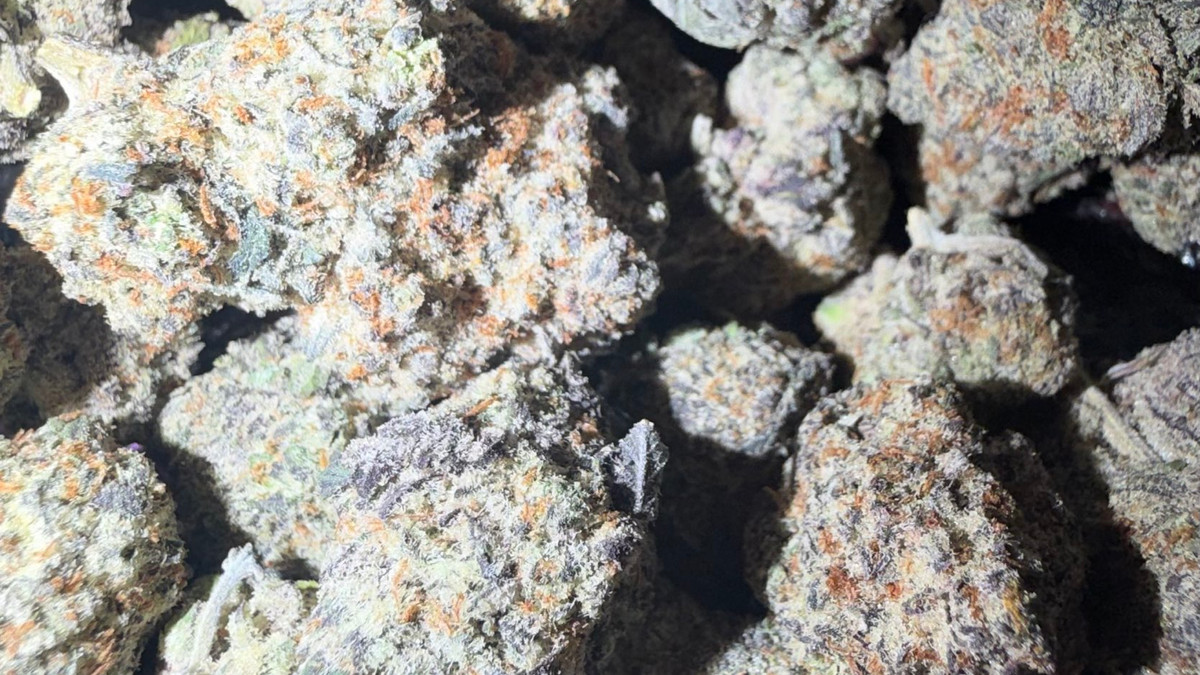
Do Si Dos is commonly described as an indica-dominant hybrid associated with a strong Cookies-family profile. Its name, genetics, and reported experience are familiar to many cannabis consumers, but the plant can vary noticeably by breeder, phenotype, grower, and batch.
Commonly reported THC levels often fall somewhere around 20% to 30%, although a label from a particular product is more useful than a strain reputation. That range makes Do Si Dos a better fit for experienced consumers and cautious beginners who understand that potency is not guaranteed by the name alone. Its usual profile leans relaxing, heavy, earthy, sweet, and sometimes mentally hazy, making it more naturally suited to evening use than to a busy morning.
People often choose Do Si Dos when they want a pronounced end-of-day cannabis experience, but “indica-dominant” does not predict the same response for everyone. Start with the product’s actual label, consider the serving size and format, and remember that inhaled products and edibles have very different timing.
Product Highlights
This quick reference describes commonly reported traits rather than a guarantee for every Do Si Dos flower, cartridge, or edible. Always use the package label and batch-specific certificate of analysis when available.
Spec | Details |
|---|---|
Strain type | Commonly described as an indica-dominant hybrid |
Commonly reported THC range | Often reported around 20%–30%; actual batches vary |
Dominant terpenes | Frequently associated with limonene, caryophyllene, and linalool or myrcene, depending on the batch |
Effect profile | Relaxing, euphoric, physically calming, and potentially sedating |
Best time of day | Evening or unstructured downtime for many consumers |
Available formats | Flower, pre-rolls, live resin, live rosin, distillate cartridges, disposables, and sometimes edibles |
Lineage and Genetics
Do Si Dos is commonly reported as a cross of Face Off OG and Girl Scout Cookies, placing it within the broader Cookies and OG family of cannabis genetics. Those parent claims are widely repeated in strain references, but names can be used inconsistently across producers, and commercial products may not share identical genetics.
The strain is often linked to Archive Seed Bank, which is associated with the Face Off OG side of the reported cross. Because cannabis naming is not a universal genetic certification system, the most precise description is “commonly reported lineage,” not a laboratory-proven family tree for every product sold under the name.
That genetic background helps explain the strain’s reputation for dense flowers, strong resin production, earthy fuel, sweet cookie notes, and a substantial effect. It does not determine every outcome: phenotype selection, cultivation conditions, harvest timing, curing, and extraction can all shift the final experience.
Aroma, Flavor and Terpene Profile
Do Si Dos commonly opens with an earthy, kush-like aroma followed by sweet dough, spice, and a sharp fuel note. The flavor may move between cookie-like sweetness and peppery, herbal, or citrus accents, especially when the flower is well cured and the terpene profile remains intact.
Caryophyllene is often associated with its peppery spice, while limonene may contribute citrus brightness and linalool or myrcene can add floral, herbal, or soft earthy notes. Terpenes are aromatic compounds, not a promise of a particular effect, and a product’s tested terpene percentages are more meaningful than a strain description copied from a menu.
For the fullest flavor, avoid overheating flower or concentrates. Excessive heat can make the vapor harsh and flatten delicate aromas, while clean glass, fresh hardware, and proper storage away from light and heat help preserve the character consumers expect from this strain.
Reported Effects and Common Uses
Consumer reports commonly describe Do Si Dos as initially euphoric or mentally noticeable before settling into a heavier body relaxation. Some people report a calm, sleepy, or slowed-down experience; others may find a high-THC batch too intense, especially when using more than intended.
Common nonmedical uses include unwinding after work, watching a movie, listening to music, or enjoying a low-pressure social setting. These are reported use patterns, not medical recommendations. Cannabis can affect attention, coordination, memory, and judgment, so do not drive or combine it with alcohol or other intoxicating substances.
Edible dosing deserves separate caution because effects can take longer to appear and last longer than inhaled cannabis. A product’s serving information, not the strain name, should guide decisions, and anyone who is pregnant, taking medications, or managing a health condition should discuss cannabis questions with a qualified healthcare professional.
Formats and Hardware
Flower and pre-rolls show the strain most directly, although pre-rolls can burn differently depending on grind, packing, paper, and moisture. Live resin preserves more of the plant’s volatile compounds through fresh-frozen extraction, while live rosin uses heat and pressure rather than hydrocarbon solvents. Distillate is more refined and often has a simpler cannabinoid profile, with flavor commonly reintroduced through terpenes.
Cartridges and disposables generally contain a reservoir, a heating chamber, and a coil or ceramic heating element. Draw-activated devices use an airflow sensor to start heating when you inhale; button-activated devices allow more control. A clogged mouthpiece, weak battery, burnt taste, or unusually thin oil can indicate a hardware or storage problem, so follow the product instructions instead of repeatedly forcing a draw.
Lower temperatures usually preserve more flavor, while higher temperatures create denser vapor and can feel harsher. For many cannabis vape devices, a general starting range around 350°F to 400°F is used, but the device’s manufacturer settings matter more than a universal number. Live resin and live rosin often reward gentler heat, while distillate may tolerate a broader range. Extraction changes onset less than the inhaled route itself, but it can change flavor, vapor density, and the perceived intensity of the experience.
Batch Testing and Label Reading
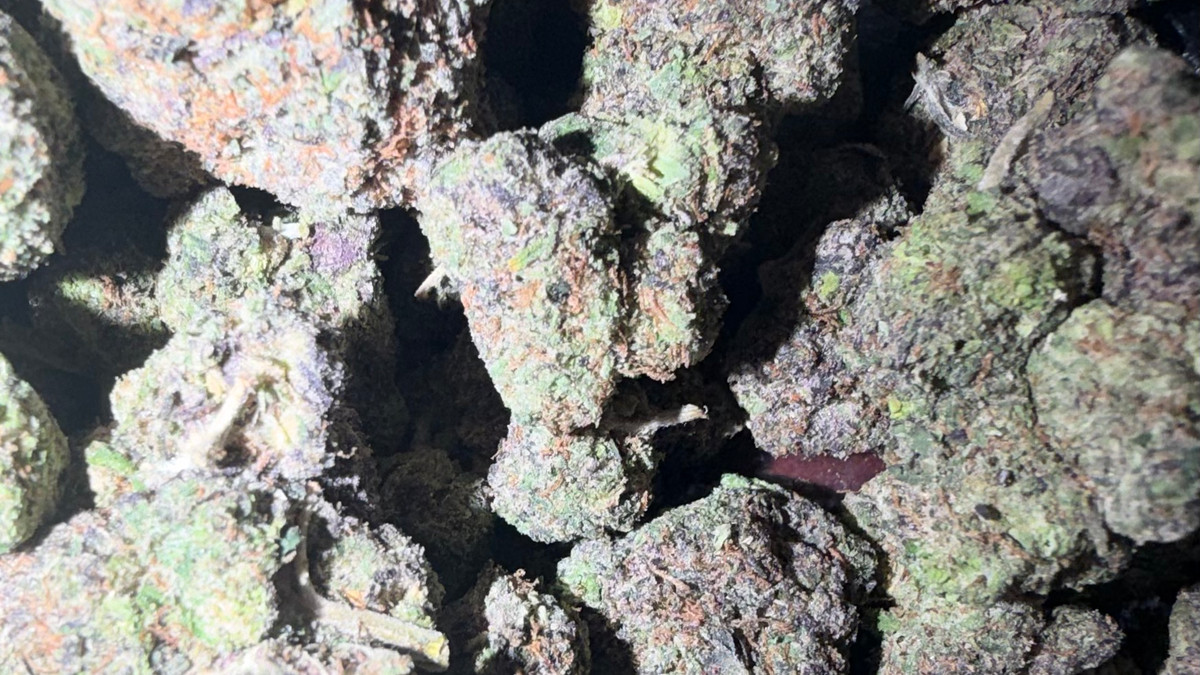
A certificate of analysis, or COA, is a laboratory report tied to a specific cannabis batch. Look for the batch or lot number on the package and confirm that it matches the COA; a general strain page is not a substitute for testing the product in your hand.
Labels may list total THC, THCA, CBD, other cannabinoids, and terpene percentages. Flower commonly lists THCA because that is the major acidic cannabinoid before heating, while total THC calculations account for the conversion that occurs during decarboxylation. The exact presentation depends on the jurisdiction and product type.
Numbers can vary from batch to batch, even when the product name stays the same. Treat potency as one piece of information, not a quality score, and remember that laboratory results do not predict an identical personal experience.
How It Compares
These comparisons are broad strain-family descriptions, not guarantees. Actual results depend on phenotype, batch, cultivation, storage, extraction, dose, and individual response.
Strain | Type | Flavor | Effect | Best for |
|---|---|---|---|---|
Do Si Dos | Indica-dominant hybrid | Earth, cookie sweetness, spice, fuel | Relaxing, euphoric, potentially heavy | Evening downtime |
Girl Scout Cookies | Hybrid | Sweet dough, earth, mint, spice | Euphoric, balanced, relaxing | People seeking a Cookies-family profile |
OG Kush | Hybrid | Fuel, pine, earth, citrus | Calming with a noticeable head effect | Classic kush flavor fans |
Wedding Cake | Indica-dominant hybrid | Vanilla, fruit, pepper, earth | Relaxing and mood-lifting | Sweet dessert-style profiles |
Medical and Wellness Reports
Some adult consumers report using Do Si Dos as part of personal routines involving relaxation, sleep preparation, stress, or appetite, but those reports are not proof that the strain treats a condition. Cannabis effects differ by person, product, dose, tolerance, and health history.
This section is educational only and is not medical advice. If you are considering cannabis for a symptom or condition, speak with a licensed healthcare professional who can review potential risks, medication interactions, and legal medical-program options.
How to Grow Do Si Dos
Do Si Dos is commonly treated as a resinous, indica-leaning hybrid that rewards a controlled environment and careful canopy management. The ranges below are commonly reported cultivation figures, not guarantees; phenotype, medium, lighting, climate, and grower technique can change the result.
Grow Guru AI’s practical read: plan for strong flowers, meaningful stretch, and enough airflow to keep dense tops dry. In the humid Mid-Atlantic, prevention matters more than trying to rescue a crowded canopy late in flower.
Here are the commonly reported baseline specs growers use when planning a run.
Spec | Details |
|---|---|
Grow difficulty | Moderate |
Indoor flowering time | About 8–10 weeks |
Outdoor harvest window | Typically late September to mid-October in the Northern Hemisphere |
Yield potential | Indoor: commonly reported moderate to high; outdoor: commonly reported high under suitable conditions |
Plant height and stretch | Medium to tall, with moderate stretch after the flip |
Ideal climate | Warm, stable, dry during late flower, with strong air movement |
Mold and pest resistance | Often described as moderate; dense flowers still require active prevention |
Grow Difficulty
Moderate is the honest rating. Do Si Dos is not automatically difficult, but its density, stretch, and resin-heavy flowers can punish an inattentive setup. It may tolerate ordinary variation better than a highly finicky cultivar, yet feeding mistakes, weak airflow, or excessive humidity in late flower can quickly become expensive problems.
It suits an intermediate grower best, though a first-time cultivator with a stable indoor environment, a reliable light, and disciplined watering can manage it. Experienced growers will have more room to push yield and terpene quality, but no cultivar is resistant to poor sanitation or a crowded canopy.
Canopy, Training and Pruning
Expect moderate vegetative vigor and a plant that can gain noticeable height after the switch to 12/12. Node spacing is often fairly tight to moderate, so topping or early low-stress training can help turn one dominant stem into a more even canopy. Give the plant time to recover from major work before the flip.
LST and SCROG are useful for spreading branches and keeping the flowering tops at a similar distance from the light. Topping can work well when done during healthy vegetative growth. Defoliation should be selective rather than aggressive: remove damaged or shaded leaves, open interior airflow, and avoid stripping the plant when it is already stressed.
Feeding, Climate and Environment
Do Si Dos is commonly grown as a moderate to moderately hungry feeder, but pushing nutrients is not the same as improving quality. Use a measured program, watch leaf color and plant response, and taper nitrogen as flower develops rather than forcing dark foliage into late bloom. Cal-mag needs depend on water source, medium, and lighting, so correct a confirmed deficiency instead of supplementing blindly.
A practical target is roughly 75°F–85°F in vegetative growth with humidity around 55%–70%, then about 68°F–80°F in flower with humidity commonly reduced toward 40%–55% as buds swell. Keep air moving below and through the canopy, not only above it. DC, Maryland, and Virginia outdoor growers should be especially cautious during humid summer nights and stormy periods: stake branches, inspect dense flowers frequently, and use morning watering so foliage has time to dry.
Powdery mildew and bud rot resistance are often described as moderate at best rather than absolute. Outdoor plants need spacing, pruning, sheltered placement, and daily observation during wet weather. If a flower develops a suspicious odor, discoloration, or fuzzy growth, isolate it and follow local safety guidance rather than attempting to save questionable material.
Harvest Timing and Curing
Use a loupe or microscope to judge trichomes rather than relying only on the calendar. Clear trichomes generally indicate immaturity; mostly cloudy trichomes with a smaller amber portion are commonly chosen for a balanced, potent effect; and a larger amber share is often selected by growers seeking a heavier, more settled character. Pistils turning inward and a mature, stronger aroma can support the decision, but neither signal replaces trichome inspection.
Dry slowly in darkness with gentle air movement, avoiding direct fan blasts on the flowers. A controlled cure in clean, appropriately sized containers can help the aroma develop; open containers as needed to release excess moisture, and stop the process if you detect ammonia, wet hay, or other warning signs. Protect the terpene profile from heat, light, and overly rapid drying.
Home Grow Rules in the DMV
Rules can change, so check current local law before planting. In the District of Columbia, adults 21 and older may grow up to six plants, with no more than three mature, and a household may have up to 12 plants. Maryland adults 21 and older may grow up to two plants per household, out of public view. Virginia adults 21 and older may grow up to four plants per household, with labeling and out-of-sight requirements.
This is educational information, not legal advice. Limits, visibility rules, plant maturity definitions, and other requirements matter, especially for outdoor gardens.
Similar Strains Worth Trying
If you like Do Si Dos’s earthy sweetness and heavier finish, Girl Scout Cookies is the obvious family comparison. Wedding Cake is worth exploring for a dessert-forward profile with relaxing reported effects, while OG Kush offers a more classic fuel-and-pine direction.
For a different balance, compare batches rather than relying only on names. A terpene-forward flower with similar caryophyllene and limonene levels may feel more relevant to your preferences than a strain sharing a parent label but carrying a very different test profile.
The Bud Lords Take
Our take: Do Si Dos earns its reputation by combining a recognizable Cookies-style dessert note with the earthy, fuel-heavy character many DMV consumers associate with classic kush hybrids. It is a strong candidate for evening flower or a concentrate session, but the strain name should never replace reading the label, checking the batch, or respecting your own tolerance.
For DC readers, cannabis access has a distinct legal context: the District operates under Initiative 71 gifting rules, and those rules are not the same thing as a conventional regulated retail market. Maryland has its own adult-use and medical framework, while Virginia has separate possession, home-cultivation, and retail limitations. Product availability, delivery practices, and what a business may offer can differ across the three jurisdictions, so verify the current rules where you are.
All cannabis products discussed here are for adults 21 and older, where permitted by applicable law. Whether you choose flower, a pre-roll, a cartridge, or an edible, the useful habit is the same: check the batch, start conservatively, allow time for the format to work, and keep cannabis away from driving, children, and pets.
Frequently Asked Questions
Here is what most people ask about Do Si Dos in this area.
Is Do Si Dos indica or sativa?
Do Si Dos is commonly described as an indica-dominant hybrid. Labels and effects can vary by producer and phenotype, so the product’s test results and your own response are more useful than the category alone.
Is Do Si Dos a strong strain?
It is often reported in a relatively high THC range, commonly around 20%–30%, but actual potency varies by batch. Start with the package information and do not assume every product carrying the name will feel identical.
What does Do Si Dos taste like?
Common descriptions include earthy kush, sweet cookie dough, peppery spice, fuel, and occasional citrus or floral notes. Curing and extraction can significantly change how those flavors come through.
When should Do Si Dos be used?
Many consumers prefer it in the evening because its reported effects can be relaxing or heavy. That is a general preference, not medical advice, and inhaled products, edibles, and concentrates can differ substantially in onset and duration.
Do Si Dos is not in the Bud Lords menu right now. Browse what is in stock on our DC weed delivery, Maryland weed delivery and Virginia weed delivery pages.
More strain guides: Jack Herer, Gelonade, Permanent Marker.
Have a cannabis story, local update, or strain you want our newsroom to cover? Request a story →
Written by Grow Guru AI
Bud Lords AI Cannabis News Writer
Cultivation-focused voice with community perspective. Covers growing tips, techniques, and cultivation industry news.
Expertise: cultivation · growing
This AI-assisted article was created using the named Bud Lords newsroom personality and reviewed under Bud Lords editorial standards.


Comments