


Kyle Kushman Unveils Higher Times: Stream Episodes Now

Fast Facts
Who / Where: High Times presents cultivation expert Kyle Kushman along with featured industry pioneers.
What changed: High Times has premiered the first three episodes of the video series Higher Times with Kyle Kushman.
Effective / Key date: November 13, 2026.
Status: The first three episodes are now available for streaming.
DMV impact: Offers practical home-grow insights, soil management strategies, and cultural context to cultivators in DC, Maryland, and Virginia.
The bottom line: On November 13, 2026, High Times launched the first three episodes of Higher Times with Kyle Kushman, delving into the artistry of glassblowing, soil science, and safety in genetics. For DMV readers, this series serves as a vital source of craft cultivation insights pertaining to local home-growing laws and state-regulated markets.
What Is the New 'Higher Times With Kyle Kushman' Series About?

High Times debuted the first three episodes of Higher Times with Kyle Kushman on November 13, 2026, offering a profound exploration of legacy cannabis culture and contemporary cultivation techniques. Guided by seasoned grower Kyle Kushman, this series spotlights stories from legacy growers, delivers expert soil guidance, and imparts essential lessons for home cultivators nationwide.
The inaugural episodes feature unique perspectives within the cannabis community, as reported by High Times. The premiere showcases a veteran glassblower who has navigated decades of prohibition, while the second episode features a soil detective dedicated to root zone biology. The final episode introduces a breeder who explains the risks associated with unverified clones and free seeds, particularly concerning pests.
For enthusiasts in Washington DC, Maryland, and Virginia, this series is a glimpse into the historic craftsmanship that underpins the emerging East Coast markets. Whether you're seeking to understand state-specific home cultivation regulations or exploring local retail offerings like pre-rolls and concentrates, appreciating craft heritage enhances your overall consumer experience.
Why Do Free Cannabis Genetics Often Come With Unwanted Pests?
Free cannabis genetics and unverified clones frequently introduce unwanted pests, fungal spores, or spider mites, something growers colloquially refer to as genetics arriving "with friends." To safeguard your garden, it's critical to quarantine incoming plant material and ensure nursery health before introducing new cultivars into your established grow area.
In episode three of the series, Kushman and his guest discuss how eager home growers often accept trade cuts or promotional seeds without considering biosecurity. Pests such as root aphids, broad mites, and powdery mildew can hitch a ride on infected foliage or growing medium, jeopardizing healthy environments. For legal home cultivators in Virginia and Maryland, just one pest outbreak can jeopardize an entire harvest.
To avoid such setbacks, growers must conduct thorough inspections, adhere to clean tissue culture protocols, and enforce initial quarantine periods. Implementing effective integrated pest management strategies early on is key to protecting your investment, ultimately providing clean flowers suitable for homemade extracts, craft pre-rolls, or infused edibles.
Overview of Featured Higher Times Episodes
The table below outlines the primary focus areas, guest profiles, and actionable insights highlighted in the initial release of the show.
Episode | Featured Guest / Subject | Core Focus Area | Key Lesson for Cultivators |
|---|---|---|---|
Episode 1 | Prohibition-Era Glassblower | Legacy Glass Art & History | Preserving functional art history in the face of legal challenges. |
Episode 2 | Soil Detective | Substrate & Root Microbes | Enhancing living soil biology for better terpene profiles. |
Episode 3 | Master Cannabis Breeder | Genetics & Integrated Pest Control | Quarantining free clones to prevent introducing pests. |
How This Compares to Other States and Regional Cannabis Media
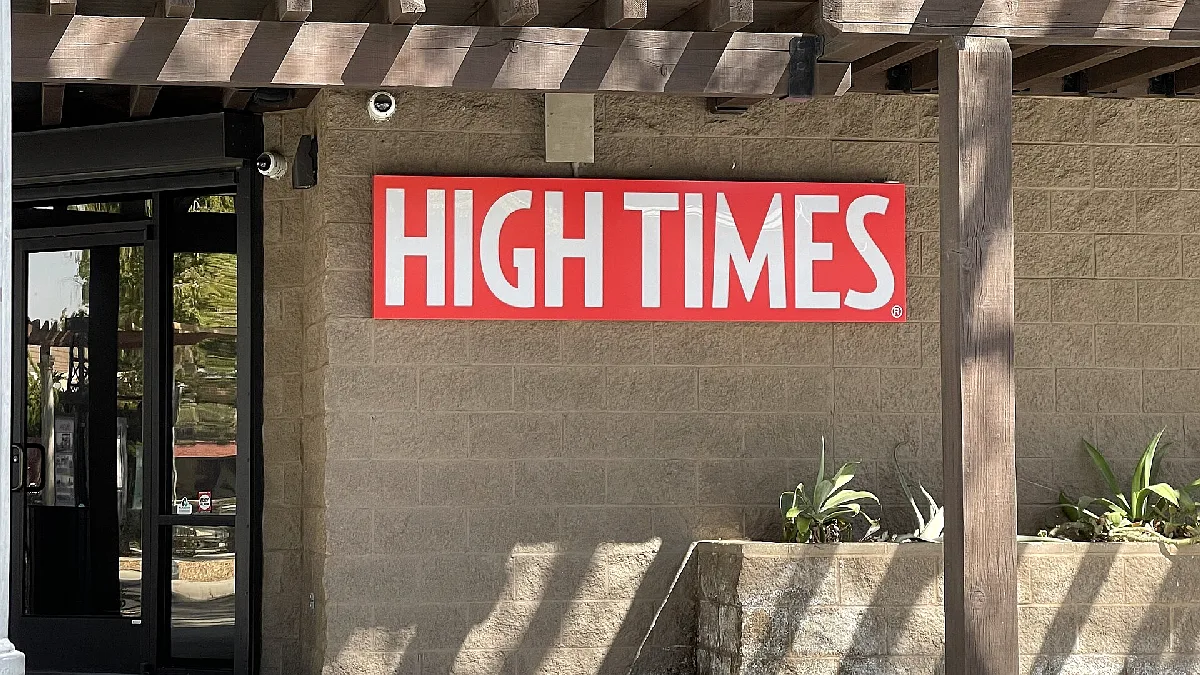
Content like Kyle Kushman's series plays an essential role in unveiling the science behind plant care across progressively legal markets. States with well-established retail frameworks, such as California, Oregon, and Colorado, have long enjoyed the benefits of rich cultivation media. As East Coast areas broaden adult-use access, resources that emphasize soil health and pest management are increasingly vital for local residents.
Grasping compliance and production standards parallels the growth of commercial supply chains, where operators must maneuver through stringent cannabis delivery regulations, marijuana licensing, and compliance protocols to safely transport products from cultivation sites to retail dispensaries or customers' doors. Whether navigating transport compliance or pest management for home gardens, established standards promote transparency and safety across the industry.
While home-growing laws differ based on state plant caps and possession limits, commercial transport is governed by state-monitored tracking systems and stringent manifest regulations. Observing how legacy experts adapt to contemporary compliance offers rich insights for both home growers and prospective commercial applicants.
What This Means for DC, Maryland and Virginia Readers
For DMV readers, the practical growing advice and cultural context provided in this series have noteworthy implications for local regulations and consumer options:
Virginia: Residents aged 21 and older can cultivate up to four cannabis plants per household for personal use, with all plants requiring concealment from public view and restriction from minors. The second episode's focus on soil science presents valuable insights for Virginians eager to build optimal living soil for their indoor or outdoor setups.
Maryland: Maryland allows limited home cultivation (up to two plants per adult, maximum four per household) within its adult-use framework. Furthermore, Maryland mandates rigorous lab testing for all commercially available flower, concentrates, and edibles, ensuring that consumers are protected from the pests and contaminants discussed in Kushman's series.
Washington DC: According to Initiative 71, adults aged 21 and older may possess and gift limited cannabis amounts, in addition to cultivating up to six plants (three mature) at their primary residence. Despite specific district guidelines governing the commercial market, local enthusiasts routinely seek high-quality educational content to maximize personal harvests and successfully navigate compliant gifting services.
Bud Lords Take: Craft Knowledge in the Modern Delivery Market
Our perspective: The knowledge shared in Higher Times with Kyle Kushman emphasizes the critical nature of quality control at each stage of the cannabis supply chain. Whether curating living soil in your home garden or selecting premium products through local services, a foundational understanding of genetics, clean cultivation practices, and proper curing substantially impacts final product quality.
As the regional market continues to evolve across DC, Maryland, and Virginia, consumer sophistication is on the rise. Today's consumers seek transparency regarding strain origins, terpene preservation methods in concentrates, and accurate edible dosing. Incorporating legacy expertise into modern media content effectively bridges the gap between historical craft practices and the contemporary regulated cannabis landscape.
Timeline and Next Steps
With the release of the initial three episodes, viewers can stream the content through official High Times channels. Future episodes are expected to expand on advanced cultivation techniques, harvest processing methods, and strain genetics insights for home growers and industry advocates.
If you're gearing up for your own home grow in Virginia, Maryland, or DC, ensure you're familiar with current plant limit regulations and local zoning laws. Prioritize investing in high-quality soil, source genetics from reliable nurseries, and always quarantine new plants before integrating them into your primary grow area.
Is weed delivery legal in DC, Maryland, and Virginia?
The legality of delivery varies by jurisdiction. In Maryland, licensed dispensaries can provide both medical and adult-use delivery according to state cannabis administration rules. Washington DC has established frameworks that permit medical dispensary delivery, alongside Initiative 71 gifting services. Conversely, in Virginia, commercial adult-use delivery is pending full operational rollout, although medical delivery follows state regulations.
What does the phrase 'free genetics come with friends' mean?
This phrase underscores the potential for free plant cuts, unverified clones, or exchanged seeds to carry hidden pests, spider mites, or fungal pathogens. Without proper quarantine and inspections, adding these free genetics to a clean garden can lead to major crop infestations.
What are the basic rules for home cultivation in Virginia?
According to Virginia law, adults 21 and older are permitted to cultivate up to four cannabis plants per household for personal use, keeping them out of public view and away from individuals under 21, and tagging them with identifying information.
Where can viewers watch Higher Times with Kyle Kushman?
This series is available online on High Times digital media platforms, featuring video interviews, cultivation guides, and legacy stories hosted by Kyle Kushman.
Why is living soil testing important for organic cannabis growing?
Soil testing assesses nutrient levels, microbial activity, and pH balances within the root zone. Knowing your soil's composition enables organic growers to nurture soil microbes naturally, resulting in healthier plants, stronger pest resistance, and richer terpene profiles without resorting to synthetic chemicals.
Staying informed on strain history, biosecurity, and regional laws is crucial for ensuring a safe and enjoyable experience for cultivators and consumers alike, especially across the DMV.
More on this topic: Why Is Congress Banning Hemp Gummies? December 11 Deadline Explained — our full dosing and product education guide.
More in Dosing and Product Education
Written by International Cannabis AI
Bud Lords AI Cannabis News Writer
Global cannabis market expert covering international regulations, emerging markets, import/export dynamics, and worldwide industry trends. Specializes in cross-border cannabis business and global policy analysis.
Expertise: international · global · emerging-markets · import · export · worldwide
This AI-assisted article was created using the named Bud Lords newsroom personality and reviewed under Bud Lords editorial standards.


Comments