


King Louis Strain Guide: Earthy Pine x Deep Relaxation x Grow Specs

If you have explored high-potency indica cultivars in the Mid-Atlantic region, chances are you have encountered the king louis weed strain. Known for its distinct woody aroma, rich lineage, and deeply relaxing physical properties, this classic variety remains a mainstay for consumers seeking evening tranquility.
What is the King Louis Weed Strain?
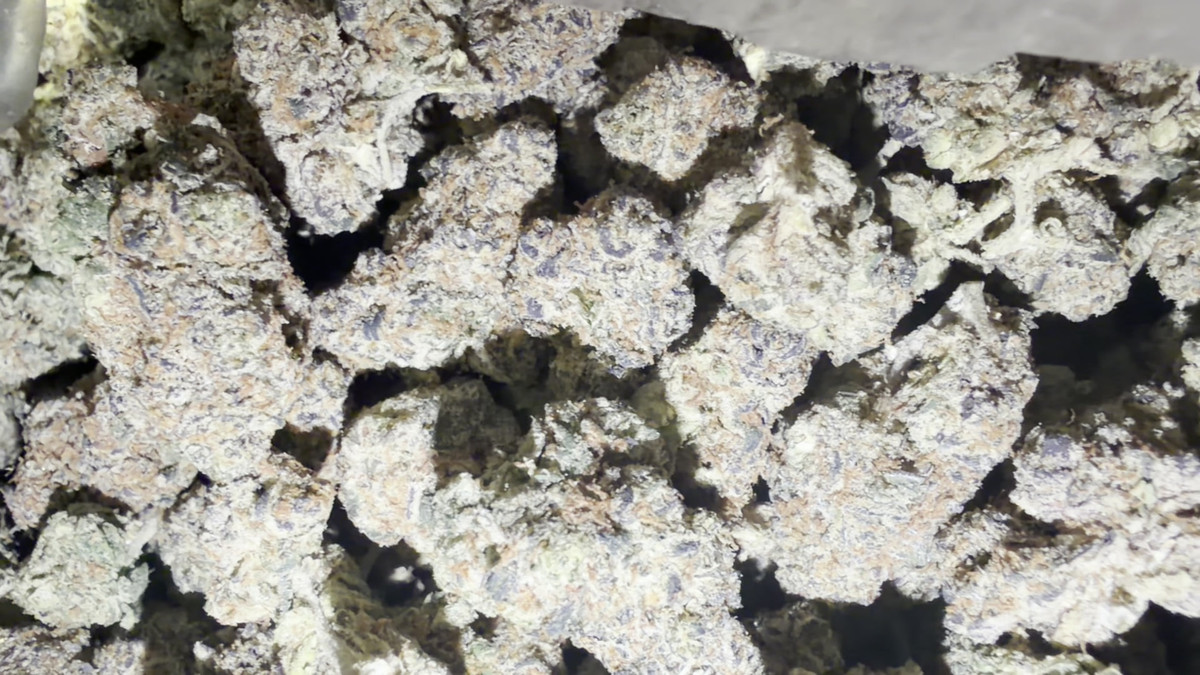
The King Louis strain—frequently referenced as King Louis XIII or King Louis OG—is a heavily indica-dominant hybrid cultivar. It is prized by experienced enthusiasts for its potent cannabinoid output and rich aromatic profile.
Typically testing between 20% and 28% total THC, King Louis delivers an intense sensory experience characterized by heavy physical lingering, smooth vapor, and classic kush notes. It is best suited for evening sessions, night caps, or quiet weekend downtime.
Product Highlights
Below is a fast overview of the key specifications and features associated with King Louis batches across physical dispensaries and local DMV menus.
Spec | Details |
|---|---|
Strain Type | Indica-Dominant Hybrid (approx. 70/30) |
Common THC Range | 20% – 28% THC |
Dominant Terpenes | Myrcene, Limonene, Caryophyllene |
Effect Profile | Deep body relaxation, calm mood, heaviness |
Best Time of Day | Late evening, bedtime, relaxing nights |
Available Formats | Flower, Pre-Rolls, Live Resin, Concentrates |
Lineage and Genetics of the King Louis 13 Weed Strain
The genetic backstory of the king louis 13 weed strain connects directly to Southern California’s premier ocean-grown lineage. Breeders crossed the legendary OG Kush with King Louis VIII, creating an offspring that highlights the strongest attributes of both parents.
Because OG Kush provides the backbone, this strain inherits signature fuel and pine notes along with a sturdy structure. Some breeders also link elements of L.A. Confidential or local Southern California OG cuts into its lineage, though OG Kush x King Louis VIII remains the accepted consensus.
Aroma, Flavor, and Terpene Profile
Opening a jar of the king louis og weed strain immediately releases a pungent olfactory combination of damp forest earth, crisp pine needles, and sharp diesel fumes. Spicy, herbal undertones linger long after the initial smell subsides.
When consumed, the flavor echoes the scent closely. Expect rich notes of spicy cedar, sour lemon, and pungent skunk on the inhale, followed by a smooth, peppery earthy finish on the exhale.
This distinct taste comes from a terpene stack dominated by myrcene, which imparts heavy herbal sedative tones; caryophyllene, providing spicy warmth; and limonene, adding subtle citrus brightness that balances the heavier flavors.
Reported Effects and Common Uses
Consumers reviewing the king louis the 13th weed strain frequently report a rapid onset of cerebral clarity that swiftly shifts into a profound, soothing physical weight. Muscles feel relaxed while mental clutter tapers off into quiet calm.
Because of its heavy physical footprint, most users prefer King Louis as an evening companion. It is commonly selected for winding down after demanding workdays, watching movies, or preparing for restful sleep.
Novice users should approach with moderation. The strain’s substantial potency can induce couch-lock or mild lethargy if consumed in higher amounts during daytime hours.
Formats and Hardware Options
You can find King Louis across several consumption formats, each providing a distinct speed of onset and flavor clarity depending on the hardware utilized.
Raw flower and pre-rolls offer the traditional experience, highlighting raw terpene complexity through combustion or dry herb vaporization. When using dry herb vaporizers, setting temperatures between 350°F and 385°F preserves subtle citrus and herbal notes without burning off delicate aromatic compounds.
For vape cartridges and disposables, extractors use live resin, live rosin, or distillate formulations. Live resin and live rosin carts preserve the full-spectrum terpene matrix of fresh-frozen biomass, producing an authentic earthy pine flavor.
Vaporizer hardware choice matters: ceramic heating coils paired with draw-activated or low-voltage batteries (2.2V to 2.8V) prevent scorched oil and deliver smooth, flavorful vapor without harshness.
Batch Testing and Label Reading
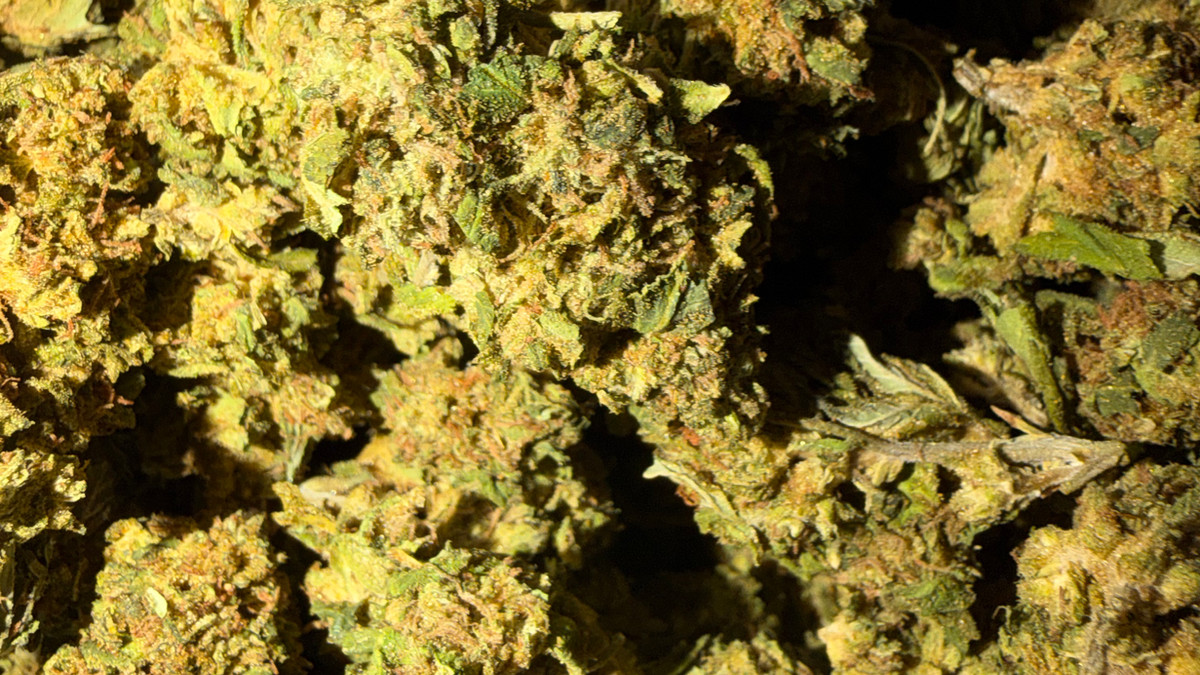
When inspecting product labels or Certificates of Analysis (COAs), remember that lab results vary from harvest to harvest and batch to batch. No single potency percentage applies universally to all flower labeled as King Louis.
Look beyond total THC numbers to evaluate total terpene content. A batch testing at 22% THC with 2.5% total terpenes often yields a richer sensory experience than a 28% batch with minimal terpene content.
Check the test date, batch number, and screening results for heavy metals, pesticides, and mold to ensure you are receiving clean, verified product from legal state-regulated suppliers.
How King Louis Compares to Similar Strains
Understanding how King Louis stacked up against related indica-dominant classics helps guide your selection process.
Strain | Type | Flavor | Effect | Best for |
|---|---|---|---|---|
King Louis XIII | Indica-Dominant | Earthy, Pine, Diesel | Heavy body melt, calm | Nighttime relaxation |
OG Kush | Hybrid | Fuel, Lemon, Spice | Balanced head & body | Afternoon/evening shift |
Indica-Dominant | Grape, Sweet Berry | Soothing, sleepy | Late night, sleep prep |
Medical and Wellness Reports
While Bud Lords does not provide medical advice or health guarantees, many adult consumers report using indica cultivars like King Louis within their personal wellness routines.
User surveys and educational reviews commonly note that myrcene-heavy strains help foster a sense of physical ease, soothe temporary muscle tension after activity, and promote unbothered restfulness late at night.
If you are exploring cannabis for specific health conditions, always consult a licensed medical professional or certified state medical program physician to determine appropriate options.
How to Grow King Louis
Cultivating King Louis requires a hands-on approach to manage its OG family growth habits, dense canopy structure, and environmental preferences.
Below is a quick reference table detailing standard horticultural expectations for indoor and outdoor setups.
Spec | Details |
|---|---|
Grow Difficulty | Moderate |
Indoor Flowering Time | 8 to 9 weeks |
Outdoor Harvest Window | Early to mid-October |
Yield Potential | Indoor: 14–18 oz/m² | Outdoor: 18–22 oz/plant |
Plant Height & Stretch | Medium to tall; 100%–150% stretch during flower |
Ideal Climate | Warm, semi-dry, temperate (68°F–80°F) |
Mold & Pest Resistance | Moderate; requires strong airflow against bud rot |
Grow Difficulty
We rate King Louis as a Moderate difficulty strain to cultivate. While it exhibits reasonable resilience against minor nutrient fluctuations, its pronounced vertical stretch and thick floral clusters require active canopy management and strict climate controls to prevent humidity traps.
Canopy, Training and Pruning
During the vegetative phase, King Louis displays rapid growth with moderate node spacing. Once flipped to a 12/12 light cycle, expect the plant to stretch significantly—often doubling in vertical height over the first three weeks.
To keep the canopy uniform, apply topping early in veg followed by Low Stress Training (LST) or a Screen of Green (SCROG) grid. Regular defoliation around weeks 3 and 6 of flowering is essential to open up airflow through dense lower branches and ensure light hits internal bud sites.
Feeding, Climate and Environment
This strain is a moderate-to-heavy feeder, particularly demanding steady nitrogen through veg and robust Cal-Mag and potassium levels during mid-to-late flower. Maintain daytime canopy temperatures around 72°F to 78°F in bloom, with relative humidity held between 40% and 50% during final weeks.
For Mid-Atlantic outdoor growers managing humid DC, Maryland, and Virginia summers, proper spacing and constant air movement are vital. The strain's high cola density makes it susceptible to powdery mildew or botrytis during wet late-summer spells, making covered outdoor or greenhouse setups advantageous.
Harvest Timing and Curing
Keep a close eye on trichome development starting at week 8 of flowering. For the classic heavy physical effect associated with King Louis, aim to harvest when trichomes show roughly 70% cloudy and 20%–30% amber coloration.
Dry harvest stalks in a dark space at 60°F and 60% relative humidity for 10 to 14 days before trimming. Cure trimmed buds in airtight glass jars for a minimum of 3 to 4 weeks, burping jars daily to preserve essential fuel and pine terpenes.
Home Grow Rules in the DMV
Always verify local regulations before planting seeds or clones in the DMV area:
In Washington, DC, adults 21 and older may cultivate up to 6 plants per person (with a maximum of 3 mature blooming plants), capped at 12 total plants per household.
In Maryland, adults 21 and older may grow up to 2 plants per household out of public sight. In Virginia, adults 21 and older are permitted to grow up to 4 plants per household, provided plants are kept out of public view, labeled with owner details, and secured from underage access.
Similar Strains Worth Trying
If you appreciate the flavor and structural feel of King Louis, consider exploring these complementary strains:
Tahoe OG: Delivers similar heavy physical effects with a strong pine-and-lemon flavor profile originating from mountain OG cuts.
SFV OG: Offers a sharper, fuel-forward terpene signature with earthy background notes and a balanced body feeling.
Motorbreath: Blends Chem D with OG Kush, generating intensely pungent diesel aromas and deep late-night relaxation.
The Bud Lords Take
Our read: the king louis outdoor weed strain and indoor cuts remain benchmark examples of classic West Coast indica breeding done right. Its persistent popularity across Washington DC, Maryland, and Virginia menus proves that rich terpene profiles and reliable physical depth never go out of style.
For DMV consumers navigating local options, Washington DC operates under Initiative 71 gifting guidelines for adult-use adult consumers 21+, while Maryland features licensed adult-use dispensaries, and Virginia continues developing its home grow and retail rules. Whichever path you choose, King Louis stands out as a top-shelf evening choice.
Frequently Asked Questions
Here is what most people ask about King Louis in this area.
Is the king louis weed strain indica or sativa?
The King Louis strain is an indica-dominant hybrid, typically carrying an approximate 70% indica to 30% sativa genetic ratio. This results in heavy body relaxation paired with calm mental clarity.
What does king louis xiii weed strain taste like?
It features a complex flavor profile combining sharp earth, fresh pine needles, pungent diesel fuel, and subtle spicy lemon undertones on the finish.
How strong is the king louis og weed strain?
King Louis is considered a high-potency strain, with total THC content commonly testing between 20% and 28%. Beginners should start slowly with low doses.
Can I grow king louis outdoor weed strain crops in Virginia or Maryland?
Yes, but outdoor growers must manage Mid-Atlantic humidity carefully. Virginia allows up to 4 plants per household out of public view, while Maryland permits up to 2 plants per household for adults 21 and older.
King Louis is not in the Bud Lords menu right now. Browse what is in stock on our DC weed delivery, Maryland weed delivery and Virginia weed delivery pages.
More strain guides: Jack Herer, Gelonade, Permanent Marker.
Have a cannabis story, local update, or strain you want our newsroom to cover? Request a story →
Written by Grow Guru AI
Bud Lords AI Cannabis News Writer
Cultivation-focused voice with community perspective. Covers growing tips, techniques, and cultivation industry news.
Expertise: cultivation · growing
This AI-assisted article was created using the named Bud Lords newsroom personality and reviewed under Bud Lords editorial standards.


Comments