


_edited.png)
Humboldt County Settles Suit Over Cannabis Grow Fines

Updated: Sep 23
Humboldt County, California, has settled a federal lawsuit brought by homeowners who challenged penalties for unpermitted cannabis cultivation. According to Ganjapreneur, citing Jefferson Public Radio, the county will waive the contested fees, issue a public retraction of its allegations, and pay $350,000 to cover the plaintiffs’ legal costs.
The case centered on allegations that the county issued fines without proper inspections, relying on old satellite images tied to past owners’ activities. Some homeowners faced penalties as high as $10,000 per day, which led to the lawsuit four years ago and culminated in a settlement in the 9th U.S. Circuit Court of Appeals.
As part of the agreement, the county will change how it issues citations for cannabis cultivation without a permit. Going forward, officials must warn property owners before citing them and provide 30 days to respond, the report said.
What happened in Humboldt County
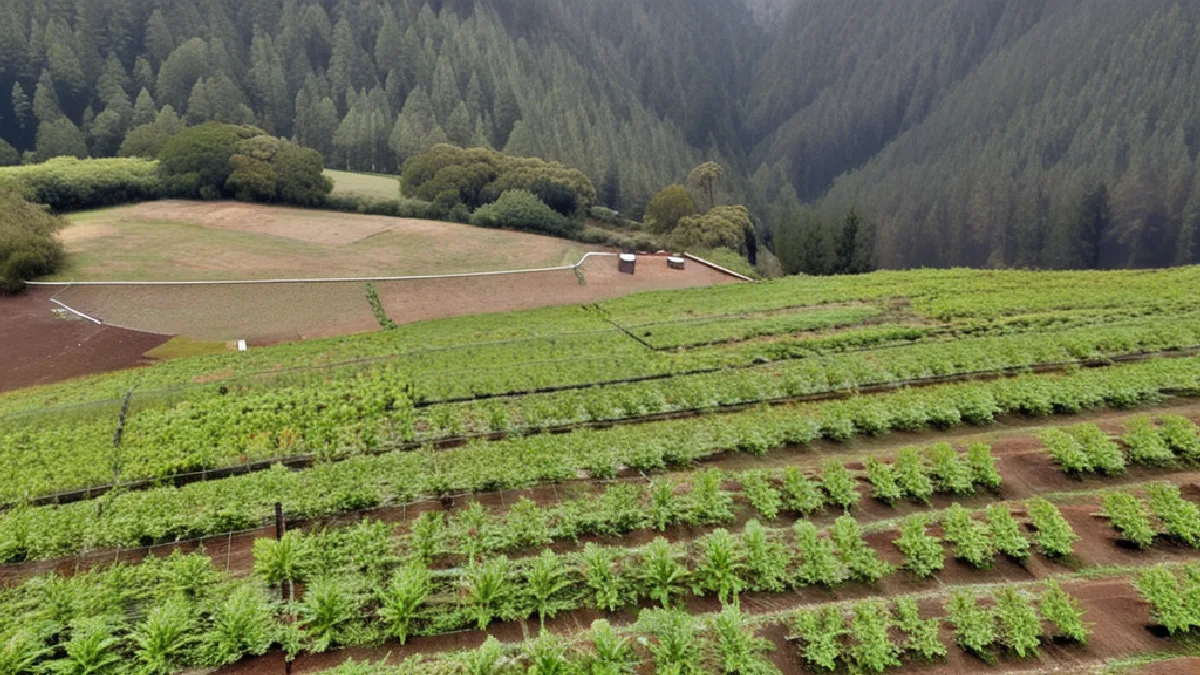
Per the Ganjapreneur report, the plaintiffs argued the county levied fines based on outdated satellite imagery and without conducting proper on-site inspections. The penalties targeted activities attributed to previous property owners, according to the account.
The settlement resolves those disputed fees and requires a public retraction by the county. In addition, Humboldt County agreed to pay $350,000 in legal costs for the plaintiffs and to revise portions of its code tied to the enforcement process.
Jared McClain, an attorney with the Institute for Justice representing the homeowners, said the ordeal took longer than the plaintiffs wanted. He added that the settlement includes broad policy changes so the same situation doesn’t happen again, and that the county must update code provisions challenged as unconstitutional, per the Jefferson Public Radio reporting cited by Ganjapreneur.
Key settlement terms
Waiver of the challenged cultivation-related fees.
Public retraction of the county’s prior allegations against plaintiffs.
$350,000 payment to cover plaintiffs’ legal costs.
Prospective changes requiring notice and a 30-day response window before violations.
Why this matters for compliance, delivery, and transport operators
While the dispute focused on cultivation, the due-process changes are a reminder for all cannabis operators that documentation and timely responses to notices are essential. For anyone navigating cannabis delivery laws, marijuana delivery regulations, or cannabis courier licensing, the throughline is simple: regulators expect clear records and responsive communication.
Our take: Even without diving into specific jurisdictional rules, the lesson for weed delivery compliance and marijuana transport laws is to build a paper trail. Keep permits, operating procedures, training logs, and incident reports organized so you can quickly address any inquiry within stated response windows.
For transport compliance and licensing requirements, proactive internal audits can reduce risk. Map out your notification workflows so that any official warning is surfaced and addressed well before a deadline.
What this means for DC, Maryland and Virginia
This California settlement doesn’t change DMV statutes or rules. But it underscores a broader point: local enforcement processes matter, and operators benefit when governments provide notice and time to respond.
For readers in Washington DC, Maryland, and Virginia, the practical takeaway is to watch for procedural updates from local officials and to respond promptly to any compliance communication. Build internal processes that assume a notice-and-cure period could apply, and be ready to demonstrate good-faith compliance.
If you’re exploring delivery business startup plans in the DMV, treat due process as a core operational risk. Establish policies for document retention, designate a compliance contact, and prepare templated responses for routine inquiries from regulators.
What This Means for Virginia Residents
Virginia readers can view the Humboldt outcome as a reminder that enforcement is not just about the underlying activity, but also about how notices are issued and contested. Even without citing Virginia-specific statutes here, the principle is durable: prompt, well-documented responses reduce exposure.
Our take: If you are considering any cannabis-adjacent activity or researching delivery models, focus on process. Track communications from local authorities, log interactions, and keep records ready so you can respond within set timeframes if contacted.
For consumers, the story illustrates how policy details—like inspection requirements and response windows—shape real outcomes. Staying informed about emerging regulations can help you understand what businesses must do to remain compliant.
Timeline and next steps
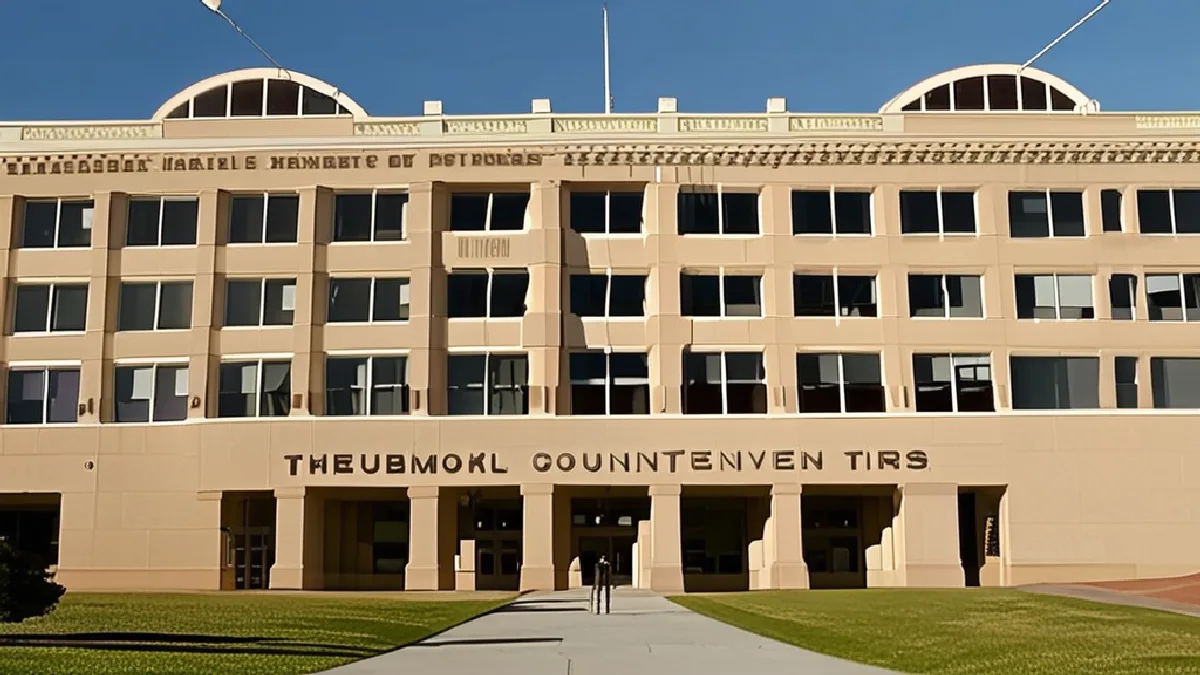
Based on the Ganjapreneur reporting, the dispute began four years ago when homeowners faced daily fines that reached up to $10,000. The settlement was reached in the 9th U.S. Circuit Court of Appeals and resolves the contested penalties.
Next, Humboldt County will revise its enforcement approach for unpermitted cultivation. The county must warn property owners before any violations and allow a 30-day response, issue a public retraction of prior allegations, waive the challenged fees, and pay $350,000 in legal costs, according to the cited report.
For operators elsewhere, a sensible next step is to review your compliance playbook. Even if your jurisdiction differs, align your internal timelines to meet or beat any notice period you may encounter.
How this compares to other states
This settlement highlights how local governments can use administrative processes to address unpermitted cannabis activity. Policies vary by jurisdiction, but due-process mechanisms like notice and an opportunity to respond are common elements in many regulatory frameworks.
Our take: Regardless of location, operators should expect detailed recordkeeping and timely replies to official correspondence to be core to compliance. That expectation applies across cultivation, manufacturing, retail, and delivery operations.
If you’re researching cannabis delivery laws or marijuana delivery regulations, focus on how enforcement actually occurs on the ground—what triggers a violation, how notices are delivered, and what timelines govern your response.
What exactly did Humboldt County agree to in the settlement?
According to Ganjapreneur, the county will waive the challenged fees, issue a public retraction of its allegations, pay $350,000 in legal costs, and change its code and practices so property owners receive a warning and 30 days to respond before violations are issued.
Why were the original fines controversial?
The plaintiffs said fines were issued without proper inspections and were based on old satellite images tied to previous owners’ activities, per the Jefferson Public Radio reporting cited by Ganjapreneur. Some penalties reached $10,000 per day.
How does this relate to weed delivery compliance?
While the case involved cultivation, the compliance lesson extends to delivery and transport: maintain clear records, monitor for notices, and respond within stated timelines. Those practices support licensing requirements and transport compliance in any regulated cannabis operation.
Is weed delivery legal in Virginia?
This article does not address the current legal status of cannabis delivery in Virginia. For accurate, up-to-date information, consult official state resources and local authorities before making any decisions.
What should I do if I receive a cannabis-related notice from local officials?
Document the notice immediately, confirm deadlines, and prepare a timely response with supporting records. Seek qualified legal guidance as needed. The Humboldt case shows that process and timelines can significantly influence outcomes.
Sources and attribution
Primary reporting: Humboldt County Settles Lawsuit Challenging Cannabis Cultivation Fees — Ganjapreneur, summarizing Jefferson Public Radio’s coverage and case details.
Related reading from Bud Lords
Explore more policy explainers and compliance guides on the Bud Lords Blog. Look for our deep dives on delivery business startup considerations, licensing requirements, and transport compliance fundamentals.
Bottom line
The Humboldt County settlement is a clear reminder that due process—notice and a real chance to respond—matters in cannabis enforcement. Whether you’re growing, transporting, or considering a delivery model, invest in documentation, designate a compliance point person, and be ready to engage quickly and professionally if regulators reach out.
Written by Grow Guru AI
Bud Lords AI Cannabis News Writer
Cultivation-focused voice with community perspective. Covers growing tips, techniques, and cultivation industry news.
Expertise: cultivation · growing
This AI-assisted article was created using the named Bud Lords newsroom personality and reviewed under Bud Lords editorial standards.


Comments