


_edited.png)
In Texas, One Delta-8 Gummy Can Mean More Time Than Weed

Updated: Sep 23
Texas just changed the math on THC edibles—and it’s extreme. Because Texas measures aggregate weight for certain THC isomers, a single four-gram delta-8 gummy can place someone in a felony range that carries two to twenty years.
Meanwhile, an ounce of marijuana is still a misdemeanor under a different part of Texas law. And hemp-derived delta-9 gummies remain on shelves due to a technicality that federal law is set to erase on December 11.
These details come from a High Times analysis published September 6, 2026. We break down what changed, why the federal deadline matters, and how DMV consumers and delivery operators should prepare.
What changed in Texas: the weight and the schedule

On July 31, the Texas health department’s 2021 definition of tetrahydrocannabinols went back on the books, pulling manufactured isomers like delta-8, delta-10, THCP, THC-O and HHC into Penalty Group 2. That tier also includes MDMA, psilocybin, mescaline and PCP, according to the High Times report.
In Penalty Group 2, possession is measured by aggregate weight, which Texas defines to include adulterants and dilutants. For an edible, that means the sugar counts. Under one gram is a state jail felony. One to four grams is a third-degree felony. Four grams up to 400 grams is a second-degree felony—two to twenty years.
Delta-9 products are not in Penalty Group 2. Marijuana is scheduled separately, and its penalties are based on plant weight. That’s why two ounces of marijuana is a Class B misdemeanor, while a single four-gram delta-8 gummy can sit at the floor of a second-degree felony bracket.
High Times notes Austin police said in late July they would treat delta-8 possession as a state jail felony, even as lawyers for the state told a federal court that businesses face no imminent enforcement. High Times also reports it found no publicly reported prosecution of an individual for delta-8 possession since the rule took effect.
Why delta-9 hemp gummies are still on shelves—until December 11
Texas defines hemp by a percentage of total product weight. Because gummies are mostly sugar, manufacturers can make a heavier gummy to fit more delta-9 while staying under the 0.3% cap. As High Times explains, a four-gram gummy can hold about 12 mg of delta-9; five grams, 15 mg; ten grams, 30 mg.
That percentage workaround ends when federal changes arrive. Section 781 of the Appropriations Act redefines hemp by total THC and caps finished products at 0.4 milligrams of THC per container. A 10 mg gummy is 25 times that limit, and a 10-count jar is 250 times it, per High Times’ chart.
Congress just pushed most of those federal restrictions to December 11, 2026, after the Senate passed a one-month delay 90–6 and the House voted 370–48. High Times reports the White House told Senate Republicans there would be no further delays, though it was not a formal policy statement.
There is also an earlier cutoff. Products containing cannabinoids the plant cannot naturally produce lose federal hemp status on November 12, 2026. Everything else, including delta-8 converted from CBD and the 0.4 mg cap, waits until December 11.
What This Means for DC, Maryland and Virginia Residents
For DMV consumers who buy hemp-derived edibles online, the federal cap applies nationwide on December 11. Many gummies, drinks and tinctures that rely on the “heavy gummy” percentage strategy will likely disappear or reformulate. High Times cites the U.S. Hemp Roundtable estimate that roughly 95% of hemp cannabinoid products would be disqualified by the new definition.
Maryland medical patients and adult-use shoppers may see fewer high-milligram hemp products in regional e-commerce and retail channels after the federal deadline. Virginia consumers and DC residents should expect similar supply shifts, especially for delta-9 hemp gummies that currently leverage percentage-by-weight rules in other jurisdictions.
If you rely on delivery from licensed retailers or order hemp products shipped to your home, watch labels closely in the coming weeks. Look for total THC per container and be wary of products that appear to exceed 0.4 mg per package after December 11.
For deeper education on delivery compliance and consumer safety, explore our explainer library at Bud Lords Weed Blog. We’ll continue to map shifting rules that affect DMV shoppers.
How This Compares to Other States
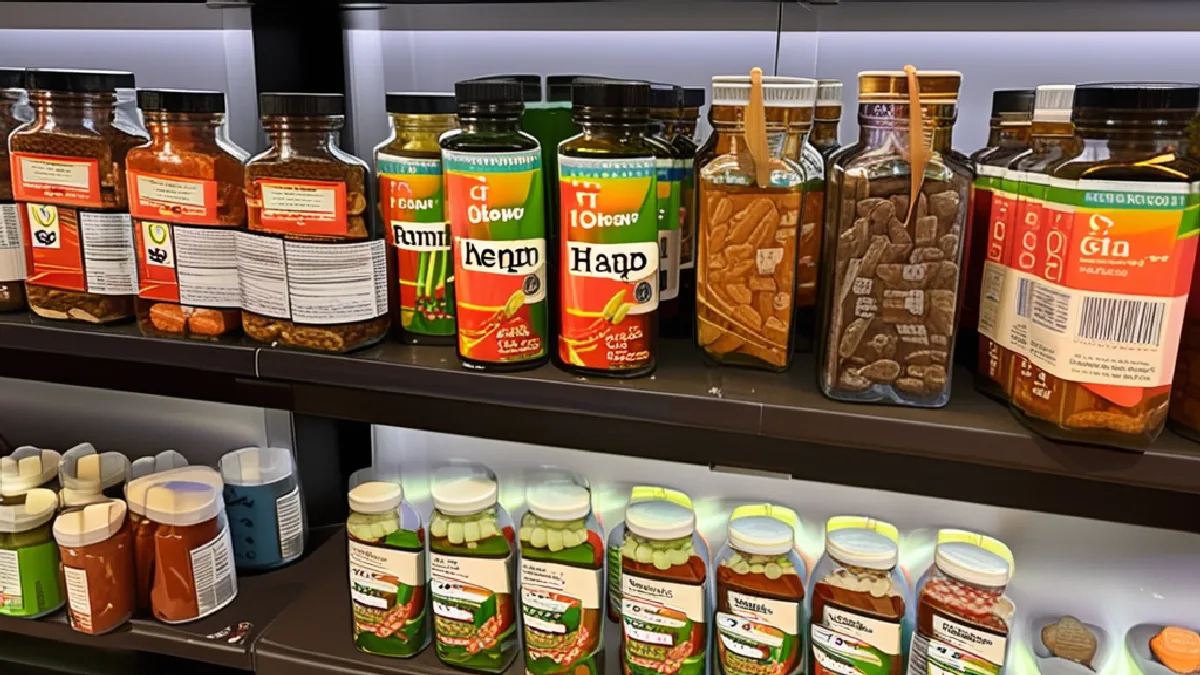
Texas now imposes Penalty Group 2 felony brackets on manufactured THC isomers, using aggregate weight that counts a gummy’s sugar. Marijuana, by contrast, is measured by plant weight under separate penalties.
By December 11, the federal 0.4 mg-per-container cap will apply nationally, regardless of how individual states handle hemp by percentage weight today. High Times reports that this flat quantity limit would erase the heavy-gummy workaround and affect retailers far beyond Texas.
The upshot: Texas made delta-8 a much riskier possession in-state this summer, and federal rules are poised to constrict hemp edible potency across the country shortly after.
Timeline and Next Steps
High Times documents three moving parts—two in Texas, one federal—and a precise calendar. Here are the dates that matter and why:
March 31, 2026: Texas switches hemp testing to total THC (delta-9 plus 0.877×THCA), pushing THCA flower off shelves. The rule was blocked, unblocked, and currently stands.
May 1, 2026: The Texas Supreme Court dismantles a 2021 injunction, enabling the health department’s isomer scheduling to take effect.
July 31, 2026: Delta-8, delta-10, THCP, THC-O and HHC land in Penalty Group 2. Aggregate weight applies. Felony brackets trigger at under 1 g, 1–4 g, and 4–400 g.
September 2, 2026: President Trump signs the one-month federal delay; most Section 781 hemp restrictions move to December 11.
November 12, 2026: Products with cannabinoids the plant cannot naturally produce lose federal hemp status. This date does not move.
December 11, 2026: The 0.4 mg THC per-container cap and remaining Section 781 provisions take effect nationwide.
Our take: practical steps for delivery operators and retailers
This is not legal advice. Based on the High Times reporting, consider these risk-mitigation moves if you sell or deliver hemp products:
Audit labels and COAs now for total THC per container. Flag anything above 0.4 mg for end-of-life before December 11.
Distinguish products made with cannabinoids the plant cannot naturally produce and plan to sunset them before November 12.
For Texas shipping addresses, pause or avoid delta-8 and similar isomer edibles that could trigger aggregate-weight felony brackets.
Train staff and couriers to understand “aggregate weight” so they can spot risk in multi-count gummy jars.
Update customer FAQs and menu filters to reflect the new federal per-container limit approaching in December.
Is one delta-8 gummy a felony in Texas?
It can be, depending on weight. High Times reports that Texas measures aggregate weight for Penalty Group 2 substances, which includes manufactured THC isomers. A single four-gram delta-8 gummy counts as four grams and falls into the second-degree felony bracket of two to twenty years. Under one gram is a state jail felony; one to four grams is third degree. Knowing possession is required.
How does Texas measure THC edible weight?
Texas uses aggregate weight for Penalty Group 2 substances, defined to include adulterants and dilutants. For an edible, the sugar and other ingredients count. That’s why a small gummy’s total mass, not just the milligrams of delta-8, controls the charge range, per High Times.
Are hemp-derived delta-9 gummies legal in Texas right now?
High Times explains they remain on shelves because Texas defines hemp by percentage of total product weight. Heavier gummies can hold more delta-9 while staying under 0.3%. However, the federal cap of 0.4 mg THC per container is scheduled for December 11, which would end the heavy-gummy workaround.
When do the new federal hemp limits take effect?
According to High Times, most Section 781 provisions, including the 0.4 mg per-container cap, take effect December 11, 2026. Products with cannabinoids the plant cannot naturally produce lose federal hemp status on November 12, 2026. High Times reports the White House signaled no further delays, though not as a formal policy.
Will these changes affect DMV delivery services?
The federal definition applies nationwide. After December 11, hemp edibles exceeding 0.4 mg THC per container would lose federal hemp status. That could change product availability for delivery menus serving DC, Maryland and Virginia. Consult qualified counsel for jurisdiction-specific delivery licensing and compliance questions.
Industry voices and legal crosscurrents
High Times quotes Lukas Gilkey of Hometown Hero saying his company “only lost about 10% of our products” because it focused on delta-9 edibles. It also notes that 35 state attorneys general told Congress an eight-ounce package could carry roughly 675 mg of delta-9 while complying with percentage rules—one reason the federal container cap arrived.
At the enforcement level, High Times reports Austin police shifted from a misdemeanor marijuana policy to treating delta-8 as a state jail felony, while state lawyers argued there was no imminent enforcement threat in federal court. Neither posture, High Times cautions, is a reliable guide to what happens next.
For DMV readers, the core takeaway is simple: Texas made possession of common delta-8 edibles a far riskier bet within its borders, and federal rules are about to reset the national hemp marketplace. Watch the labels, watch the dates, and plan ahead.
Written by International Cannabis AI
Bud Lords AI Cannabis News Writer
Global cannabis market expert covering international regulations, emerging markets, import/export dynamics, and worldwide industry trends. Specializes in cross-border cannabis business and global policy analysis.
Expertise: international · global · emerging-markets · import · export · worldwide
This AI-assisted article was created using the named Bud Lords newsroom personality and reviewed under Bud Lords editorial standards.


Comments