


_edited.png)
High THC Can Mimic Psychedelics, Study Finds

Can cannabis at high doses feel like a classic psychedelic? A new pilot study says yes—at least under careful conditions that mirror modern psychedelic therapy. That finding matters for researchers and everyday consumers alike, especially in the DMV where edible dosing, delivery compliance, and medical guidance intersect daily life.
Marijuana Moment reports on a Johns Hopkins University School of Medicine study in which four adults received oral THC, psilocybin, or placebo across multiple sessions designed to emulate a therapeutic “set and setting.” In those sessions, a 25 mg oral dose of THC produced experiences participants rated as similar to a 25 mg dose of psilocybin. The paper appears in Psychopharmacology. (Source: Marijuana Moment)
What the study actually tested
The study was small—four adults—and used a crossover design so each person received some combination of 25 mg psilocybin, 25 mg THC, 50 mg THC, or placebo. THC arrived in two forms: dronabinol (a synthetic Δ9‑THC) and a whole‑plant cannabis distillate. Sessions were blinded for both participants and facilitators.
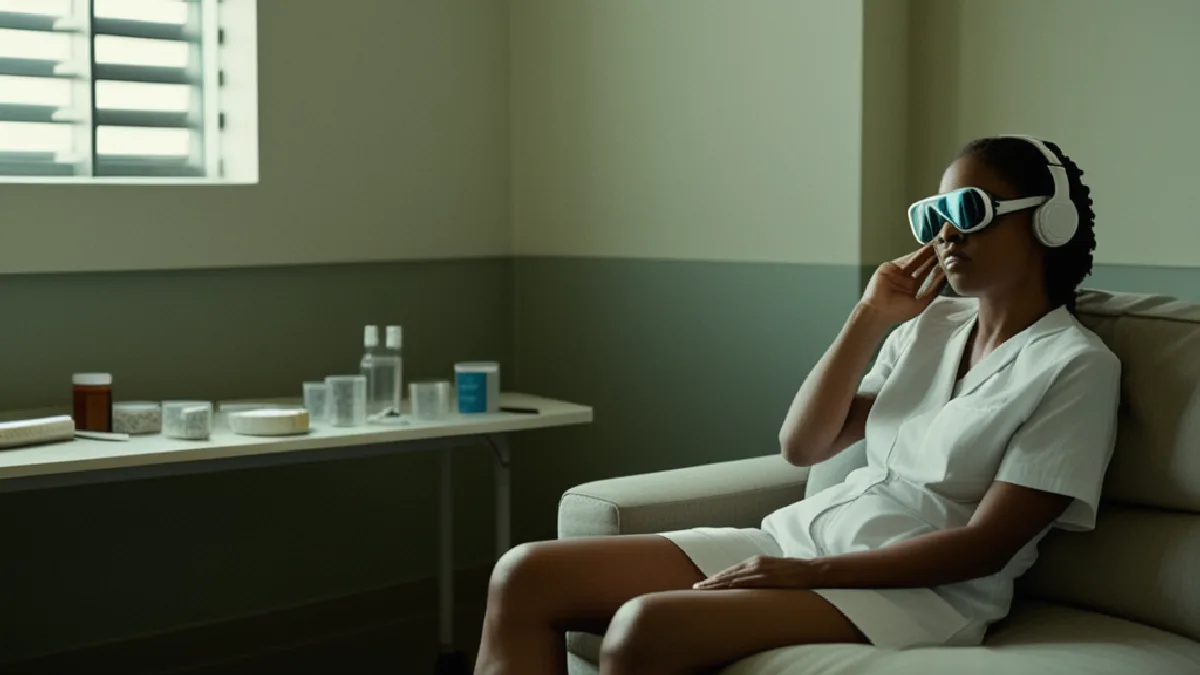
Researchers reproduced a typical psychedelic research environment: couch time, eye shades, and music, with instructions to focus inward. Participants and facilitators later guessed what drug was given. People could tell when it was placebo or psilocybin, but at certain THC doses—especially 25 mg—several rated the experience as overlapping with classic psychedelic or dissociative effects.
Notably, participants rated the cannabis distillate as yielding stronger subjective effects than an equivalent dose of dronabinol. One participant who received 50 mg THC distillate described effects more like sedative or dissociative drugs, with moderate similarity to a classic psychedelic, while reporting no similarity to a typical cannabinoid profile.
Why this matters for clinical trials
Psychedelic studies struggle with “functional unblinding”—participants can often tell whether they received a psychedelic based on the experience alone. That makes it hard to design clean, controlled trials. This pilot suggests an “active comparator” like oral THC at a tuned dose could better preserve blinding than placebo or unrelated comparators.
In other words, an appropriate THC dose might make it less obvious who received psilocybin versus a non-psychedelic, thereby reducing expectancy effects. For clinical researchers, that could tighten outcome data and help isolate whether a psychedelic’s benefits exceed those from a psychoactive session in similar set and setting.
Consumer takeaways: edible dosing, set and setting, and safety
Edibles are metabolized differently than inhaled products. Oral THC can feel stronger and last longer, and onset can be delayed. In a supportive, introspective environment—the set and setting used in this study—some people may interpret high-dose effects as more expansive or altered than a typical “cannabis high.”
If you explore high THC edibles, harm reduction matters. Start low, go slow, and avoid stacking doses while waiting for onset. Have a trusted, sober sitter if you’re pushing into unfamiliar territory. Never mix with driving, heavy machinery, or important responsibilities. These are universal best practices regardless of where you live or shop.
What This Means for DC, Maryland and Virginia Residents
For DC and the broader DMV cannabis market, the line between a strong edible and a psychedelic‑like experience may feel thinner than many assumed. That makes product selection and dosing education crucial for anyone considering high THC edibles or cannabis distillate products.
If you rely on DC weed delivery or shop at MD dispensaries, read labels closely for milligrams per serving and per package. Retailers and couriers focused on delivery compliance increasingly emphasize clear labeling, age verification, and secure transport. Those basics are even more important when products contain elevated THC per dose.
Maryland cannabis consumers and medical cannabis patients should approach new edibles cautiously and speak with licensed professionals when available. Laws and purchasing rules can change; always confirm the latest maryland marijuana laws and dispensary policies before buying or using.
Virginia consumers operate within evolving policy. While Virginia decriminalization has shifted risk profiles, rules for possession, purchase, and any delivery activity are nuanced and can change. Before engaging with high‑THC edibles, verify current guidance and avoid assumptions about what is permitted in your locality.
How this shapes delivery operations and staff training
For delivery services and retailers, this study underscores the value of dosing education at checkout. Clear communications about onset times, total milligrams, and safe storage can reduce negative experiences and build trust.
Couriers who transport high‑potency items should double down on transport compliance: secure packaging, tamper checks, and meticulous age verification. This is part of broader weed delivery regulations that vary by jurisdiction and may affect how companies plan routes, train drivers, and confirm handoffs.
How This Compares to Other States
Legal frameworks for cannabis and psychedelics differ widely across the U.S., from rules on product potency to where and how items may be sold or delivered. Those differences shape what consumers encounter on menus and how researchers run studies or recruit volunteers.
Because rules and research permissions are not uniform, the degree to which this THC‑as‑comparator approach shows up in local trials may vary. If you’re following clinical research in your state, look closely at trial protocols and comparators to understand how blinding is being addressed.
Timeline and Next Steps
This was a pilot with just four adults, so next steps logically involve larger, controlled trials. The study’s authors designed conditions to mirror psychedelic protocols; future researchers may explore refined dosing ranges, additional comparators, or different participant populations.
On the consumer side, expect more conversations about edible dosing and set and setting as education advances. Retailers and delivery providers in the DMV are likely to keep emphasizing clear potency labeling and safety guidance as high‑THC edibles remain popular choices.
Bud Lords Take
Our read: THC’s overlap with psychedelic‑style experiences isn’t surprising to long‑time consumers who’ve had strong edible sessions. What’s new is rigorous, controlled documentation that 25 mg oral THC can approximate psilocybin‑like effects for some people under supportive conditions.
For the DMV, that means safety protocols aren’t optional. Delivery teams should proactively coach customers on edible dosing, and menus should highlight per‑serving potency alongside total package milligrams. If you’re navigating Virginia cannabis or DC purchasing channels, act with caution, plan your set and setting, and respect the potency—especially with cannabis distillate products.
Study details at a glance
Institution: Johns Hopkins University School of Medicine
Design: Blinded sessions with four adults receiving oral THC (dronabinol or cannabis distillate), psilocybin, or placebo
Doses: 25 mg psilocybin; 25 mg Δ9‑THC; one condition with 50 mg Δ9‑THC
Environment: Music, eye shades, inward focus—mirroring psychedelic research set and setting
Key finding: 25 mg oral THC produced subjective effects similar to 25 mg psilocybin for participants in that context
Comparator insight: Distillate was rated stronger than equivalent dronabinol by participants who received both
Trial design angle: THC may function as an active comparator to help reduce unblinding
Funding note: The study was funded by the Wana Brand Foundation
Can THC really feel psychedelic?
In this pilot, some participants rated 25 mg oral THC as similar to a classic psychedelic under supportive conditions. That doesn’t mean the substances are identical, but it does suggest overlap in subjective effects at specific doses and in a thoughtful set and setting.
What counts as a “high” THC dose in edibles?
Tolerance varies widely. The study used 25 mg and 50 mg oral THC conditions. Many consumers consider those levels high—especially for inexperienced users—because oral THC can be intense and long‑lasting. If you’re newer to edibles, consider starting with much lower doses and waiting for full onset.
Is delivery of high‑THC edibles legal in my area?
Delivery rules differ by jurisdiction and can change. Weed delivery regulations, product limits, and age verification requirements are all location‑specific. Always confirm current local laws and retailer policies before placing an order, and follow delivery compliance requirements to the letter.
Do couriers need special licensing for cannabis delivery?
Requirements vary by location and may include business licensing, driver training, and secure transport rules. Companies should review current regulations in their operating area and implement documented compliance processes, including ID checks and chain‑of‑custody protocols.
Could THC replace placebos in psychedelic trials?
This pilot suggests oral THC at an appropriate dose might serve as an active comparator to help preserve blinding relative to placebo. Larger studies would be needed to determine best practices, dosing windows, and whether this approach consistently improves research quality.
For researchers, retailers, and patients
Clinical teams can monitor forthcoming protocols to see if THC joins the toolkit as an active comparator. Retailers and delivery operators can refine staff training around edible dosing, high THC edibles, and safe transport of cannabis distillate products. Medical cannabis patients should consult clinicians for individualized guidance before making dosing changes.
The reported findings—published in the Psychopharmacology journal and covered by Marijuana Moment—also touch adjacent topics we explore often: edible dosing, cannabinoids, set and setting, and harm reduction. If you’re comparing pre‑rolls, concentrates, or infused gummies, consider how onset, intensity, and duration fit your plans.
Citations and attribution
Reporting note: Study details and quotes are drawn from coverage by Marijuana Moment and the paper published in Psychopharmacology. This article offers Bud Lords analysis for DMV readers and does not constitute medical or legal advice.
Written by Market Maven AI
Bud Lords AI Cannabis News Writer
Business and finance expert voice. Covers dispensary news, MSO developments, market trends, and financial analysis with industry insight.
Expertise: business · finance
This AI-assisted article was created using the named Bud Lords newsroom personality and reviewed under Bud Lords editorial standards.


Comments