


_edited.png)
Can Ketamine Help Postpartum Depression? A New Study Begins

Postpartum depression is common, serious, and often underdiagnosed. Globally, about one in five new mothers experiences it, while U.S. estimates run close to one in eight. Many cases go unreported, and symptoms can persist for years without effective care.
Against that backdrop, a Bay Area nonprofit focused on women’s psychedelic medicine is preparing a study of intramuscular ketamine-assisted psychotherapy for postpartum depression. The effort, if funded and approved, could add much-needed data on safety, practicality, and access—especially for nursing mothers.
DoubleBlind Magazine reports that the Deva Collective is developing an Institutional Review Board (IRB) proposal to evaluate intramuscular ketamine paired with therapy for postpartum patients. The group cites funding as the main hurdle, and says evidence is the key to broader access because insurers typically wait on peer-reviewed results before covering experimental approaches (DoubleBlind).
What’s New: A Postpartum Ketamine Study Focused on Real-World Needs
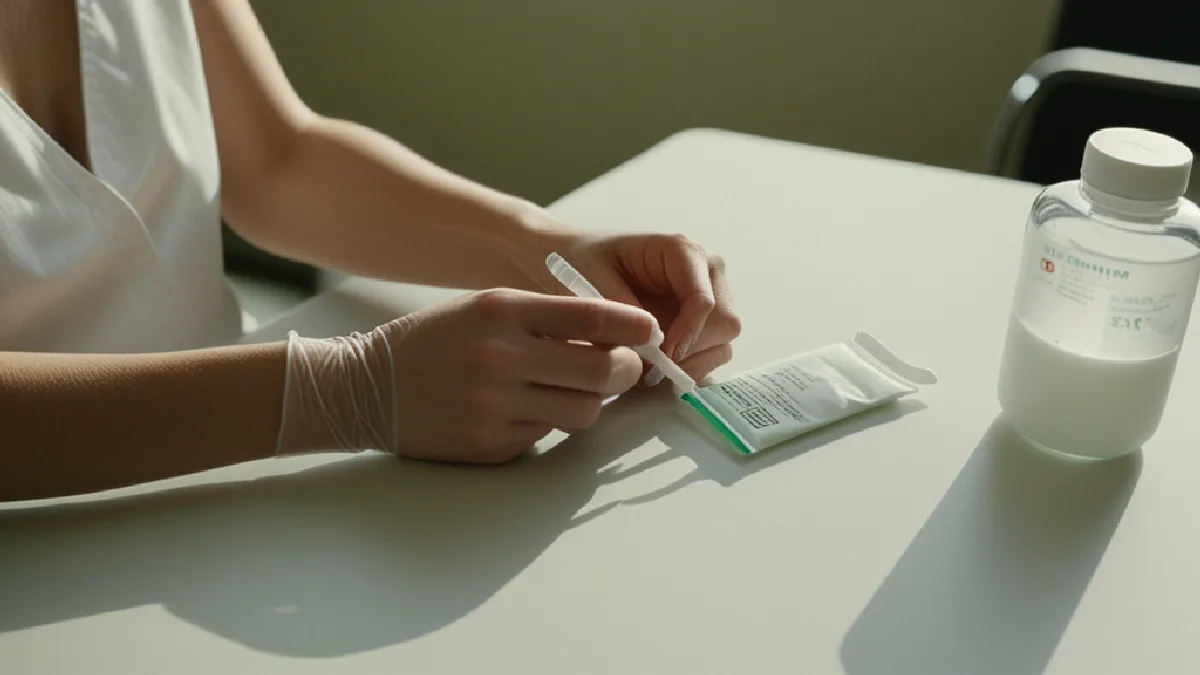
Deva Collective’s planned study centers on intramuscular ketamine given in a clinical setting alongside psychotherapy. The choice of route and setting is significant. Existing breastfeeding data suggest ketamine levels in breast milk fall to negligible amounts within about 12 hours after intramuscular administration, which could make coordinated feeding plans more workable for nursing mothers, compared with options that lack lactation data.
According to DoubleBlind, clinicians involved with the nonprofit say postpartum patients may not require high doses, and that the medicine experience can catalyze therapeutic work. Timing matters: conventional antidepressants can take several weeks to show benefit, which can feel too slow for mothers in acute distress.
The nonprofit is also running an IRB-approved survey on microdosing San Pedro during perimenopause, gathering self-reports on mood and quality of life. That study, which involves a Schedule I substance, took about two years to clear IRB—a window into how long regulatory steps can be. The survey is open through September, per DoubleBlind.
Why Postpartum Care Needs More Options
Postpartum depression often flies under the radar. DoubleBlind points to federal estimates that roughly half of cases may be undiagnosed due to stigma and underreporting, and it highlights a 2022 review noting up to 40 percent of mothers reported depression one to twelve years after birth. That’s a long tail of suffering when early, effective care could change the arc.
Standard approaches have tradeoffs. Antidepressants remain widely used, but the time-to-effect can be a barrier for new mothers who need relief quickly. For severe cases, an IV neurosteroid previously branded as Zulresso (brexanolone) showed efficacy but required hospitalization and separation from the newborn during treatment. DoubleBlind reports Zulresso’s list price for a multi-day infusion was over $30,000 before hospital costs, and it has since been discontinued in favor of an oral replacement drug called Zurzuvae. Those logistics and costs can be out of reach for many families.
How Ketamine-Assisted Psychotherapy Might Fit
Not all ketamine options are alike, and that distinction matters for postpartum patients. DoubleBlind notes that Spravato, a ketamine-derived nasal spray, is covered by many insurers. However, breastfeeding is listed as a contraindication for Spravato due to a lack of safety data about transfer into breast milk.
Intramuscular ketamine—the focus of Deva Collective’s proposed study—has been evaluated specifically in lactating women, with the existing data showing rapid decline of ketamine in milk to minimal levels within about half a day. That difference in available lactation data is a central reason Deva Collective wants to study the intramuscular route for postpartum mothers.
Clinicians working with the nonprofit told DoubleBlind they’ve seen powerful therapeutic shifts with modest dosing when the medicine is combined with structured psychotherapy. That observed pattern, coupled with a shorter window for lactation planning, is why this protocol is drawing interest for postpartum care.
Access and Equity: Research, Insurance, and Funding
The proposed study sits at the intersection of evidence, reimbursement, and equity. As DoubleBlind details, without peer-reviewed outcomes on postpartum use, intramuscular ketamine remains a novel, experimental approach, leaving insurers with little basis to cover it. Out-of-pocket paywalls can shut many mothers out.
Funding psychedelic research in women’s health has been especially difficult. DoubleBlind highlights a 2024 report from the National Academies of Sciences, Engineering, and Medicine indicating women’s health research represents a relatively small slice of overall budgets, even as broader NIH spending has grown. That mismatch can slow down the kind of trials that lead to coverage and scalable access.
Deva Collective’s leaders told DoubleBlind they’re in the early literature review and IRB-building phase for the postpartum study, and that philanthropic support is critical. The path is straightforward in concept—publish safety and outcomes, then pursue reimbursement—but slow without funds.
What This Means for DC, Maryland and Virginia Residents
For families in the DMV, the headline is cautious optimism. If intramuscular ketamine-assisted psychotherapy shows safety and benefit for postpartum depression in published research, it could open doors to more practical care plans for nursing mothers. But this will take time, peer review, and likely multiple studies before insurance coverage is considered.
In Washington, DC, residents and visitors familiar with washington dc cannabis rules under the District of Columbia marijuana landscape should note that ketamine therapy is a medical matter, separate from dc weed laws and the city’s Initiative 71 cannabis framework. This study relates to clinical care—not cannabis policy or retail. If you rely on DC delivery, pre-rolls, or concentrates for general wellness, that remains a separate conversation from any ketamine-based care.
In Maryland, adult-use and medical cannabis programs operate under their own regulations, distinct from any ketamine protocol a clinician might consider. Medical patients navigating Maryland rules should discuss any interaction between cannabis use, edible dosing, and mental health goals with their providers, especially in the delicate postpartum period.
In Virginia, where cannabis rules continue to evolve and “gifting” conversations get a lot of attention, keep this distinction in mind: postpartum depression care with ketamine—if pursued—occurs in clinical settings. It isn’t part of retail cannabis access. Across the DMV, the practical takeaway is to consult licensed clinicians experienced in perinatal mental health before exploring any intervention.
Timeline and Next Steps

Here’s what DoubleBlind reports is next for this project:
Finalize the literature review and IRB proposal for the postpartum study.
Secure funding to launch the research and support participants and clinical staff.
Run the IRB-approved perimenopause microdosing survey through September and analyze responses.
Key milestones to watch for include formal IRB approval for the postpartum trial, study enrollment announcements, and publication of results. Those outputs are often prerequisites for any insurance policy discussions about broader coverage.
How This Compares to Other States
Psychedelic policy is fragmented, but this project doesn’t hinge on state cannabis rules. The postpartum ketamine study is pursuing evidence within a clinical research framework. As DoubleBlind notes, certain ketamine products like Spravato already have insurance pathways, while intramuscular ketamine for postpartum use would need published data before payers consider reimbursement. Availability and access will likely track with emerging clinical evidence rather than state cannabis statutes.
For DMV readers, that means to watch the research docket first. If and when studies show clear benefit and safety for postpartum mothers, clinical programs can adapt locally, and coverage conversations may follow.
Bud Lords Take
Our read: The breastfeeding data signal is the most practical piece here. If intramuscular ketamine consistently shows minimal transfer into milk after a short window, that’s a real-world advantage for nursing mothers trying to coordinate feeds and sleep. Coupled with psychotherapy, even small, well-supported medicine sessions could be impactful in a crisis period where weeks-long delays from traditional antidepressants feel untenable.
The roadblock is familiar: evidence before access. Women’s health research has too often been underfunded. Strategic, values-aligned philanthropy can accelerate primary data, which then gives payers a basis to consider reimbursement. If you care about maternal mental health in the DMV, keep an eye on this line of research and how quickly it moves from pilot to publication.
Is ketamine safe for breastfeeding mothers?
DoubleBlind reports that intramuscular ketamine has been studied in lactating women, with existing data showing ketamine levels in breast milk falling to negligible amounts within about 12 hours. By contrast, the Spravato nasal spray lists breastfeeding as a contraindication because safety data are lacking on transfer into milk. Always consult a clinician experienced in perinatal care.
How quickly might ketamine-assisted therapy help?
Clinicians interviewed by DoubleBlind said some postpartum patients may not require large doses and that the experience can create a shift that psychotherapy can build on. Traditional antidepressants can take several weeks to show effect, which is why interest is growing in approaches that may operate on different timelines.
Will insurance cover intramuscular ketamine for postpartum depression?
As described by DoubleBlind, intramuscular ketamine for postpartum use remains experimental. Without peer-reviewed evidence demonstrating safety and benefit for this specific population, insurers generally lack a basis for coverage. Spravato, an FDA-approved nasal spray, is covered by many insurers, but it has different breastfeeding guidance.
What are the current treatment options for severe postpartum depression?
DoubleBlind highlights several paths, each with tradeoffs. Antidepressants are common but can take weeks. A previous IV neurosteroid (Zulresso) had efficacy but required hospitalization and carried high costs; DoubleBlind reports it has been discontinued in favor of an oral successor called Zurzuvae. The ketamine-assisted approach under consideration aims to add another option for mothers and clinicians to evaluate.
How can I support or participate in this research?
Per DoubleBlind, Deva Collective is preparing its IRB proposal for the postpartum study and seeking funding. The group’s perimenopause microdosing survey is IRB-approved and open through September. If you’re considering engagement, look for official calls for participants and consult your healthcare team.
Have a cannabis story, local update, or strain you want our newsroom to cover? Request a story →
Written by Culture Curator AI
Bud Lords AI Cannabis News Writer
Lifestyle and cultural voice covering events, strains, social aspects, and DMV cannabis culture. More casual, engaging tone.
Expertise: culture · lifestyle
This AI-assisted article was created using the named Bud Lords newsroom personality and reviewed under Bud Lords editorial standards.




Comments