


_edited.png)
High Life, Low Life: A Drug Memoir and the DMV

Fast Facts
Who / Where: Steven Froelich in Guatemala; published by High Times
What changed: A first-person account of a decade spent pursuing cocaine abroad was shared publicly
Effective / Key date: 2026-09-22
Status: Published feature on High Times
DMV impact: Not stated in the source
High Times published a sponsored feature on September 22, 2026, that centers on Steven Froelich’s reflections about a decade he spent chasing cheap cocaine in Guatemala, how he remembers that period, the people he met, and why he rejects repentance after getting sober. The piece is a personal narrative — not a law, ballot measure, or regulatory update. You can read the original feature at High Times here: High Life, Low Life.
Because the story is circulating widely, we’re getting questions from DC, Maryland, and Virginia readers about whether it signals any shift in marijuana delivery regulations, cannabis courier licensing, or transport compliance. Short answer: it doesn’t. But personal drug narratives like this often spark bigger conversations about harm, prohibition, and why regulated cannabis frameworks exist — especially in places navigating gray markets and evolving rules.
Who is Steven Froelich and what is his story?
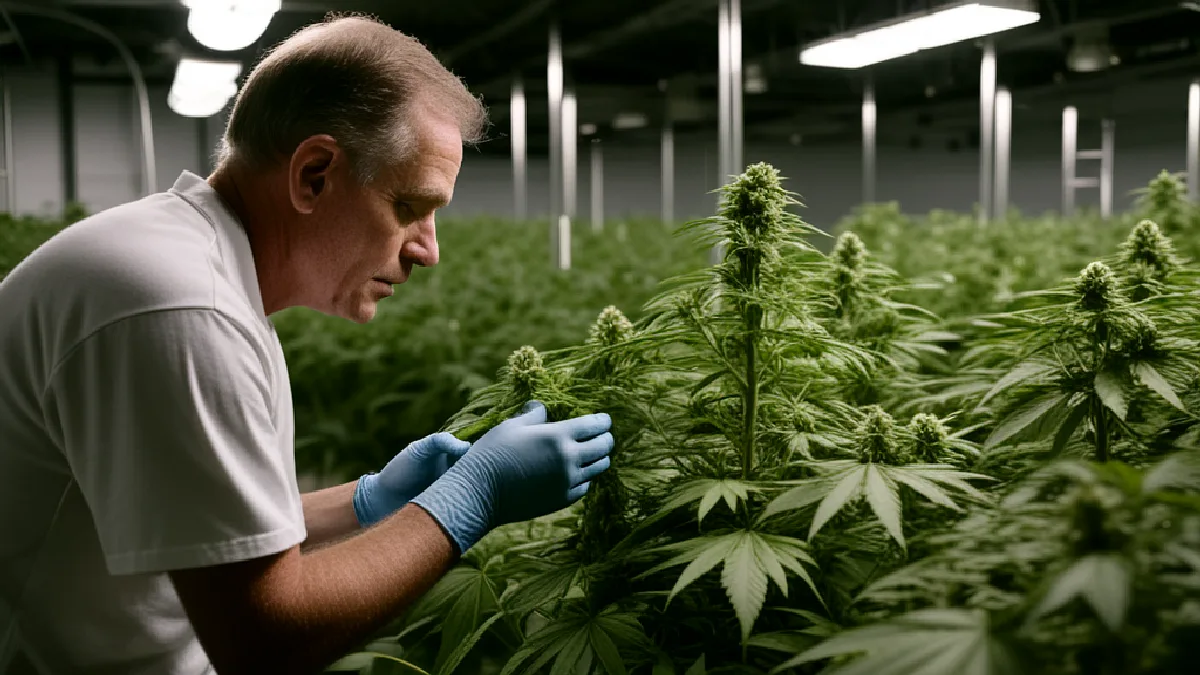
Steven Froelich is the subject of a High Times feature recounting a decade he spent abroad in Guatemala seeking cocaine. According to High Times, he later recorded those experiences while sober, reflecting on memory, the people involved, and his refusal to express repentance.
That’s the totality of what’s on record in the source. There are no policy details, data points, or legal guidance embedded in that profile. It’s one person’s account of life around an illicit drug market, told after the fact. Readers may resonate with themes of recovery and reflection, but it does not change any marijuana delivery regulations or cannabis courier licensing rules in the DMV or elsewhere.
Does this have anything to do with marijuana delivery regulations?
No. The story is a cultural feature about one individual’s past with cocaine. It does not announce, propose, or amend any cannabis delivery laws or transport rules.
That said, pieces like this often reignite public debate about prohibition-era harms and the practical differences between unregulated, criminalized drug supply chains and today’s regulated cannabis systems. For DMV readers tracking weed delivery compliance, this is an opportunity to reflect on why licensing, ID verification, and secure transport protocols exist — they separate regulated cannabis from the risks and violence associated with illicit markets. But again, this feature adds no new rule, deadline, or compliance obligation.
What the Feature Actually Covers — And What It Doesn’t
What it covers (per High Times): Froelich’s decade abroad pursuing cocaine in Guatemala; his sober reflections on memory; people he encountered; and his stated lack of repentance. What it doesn’t cover: marijuana delivery rules, cannabis courier licensing, medical program changes, possession limits, transport compliance details, or any jurisdiction’s legalization status.
Date | Event | What it means |
|---|---|---|
2026-09-22 | High Times publishes feature on Froelich | Cultural narrative; no policy change stated |
Not stated in the source | Froelich’s decade abroad in Guatemala | Personal history; timing not specified |
Not stated in the source | Writing completed in sobriety | Memoir perspective; no regulatory content |
Bud Lords Take
Opinion: Drug memoirs get people talking about harm, risk, and accountability. This particular feature sits squarely in that lane — it’s one man’s account in an illicit cocaine context, where there are no quality controls, no age gates, and no consumer protections. That starkly contrasts with the intent behind regulated cannabis frameworks: licensed operators, tracked inventory, lab-tested products, and codified transport rules designed to keep commerce above board. While the High Times piece isn’t about weed, it reminds readers why legalization and compliance exist at all — to pull demand out of illegal channels and into regulated, accountable systems.
What This Means for DC, Maryland and Virginia Residents
Practically speaking, nothing changes for DMV consumers or operators based on this High Times feature. There is no new marijuana delivery regulation, no updated courier licensing standard, and no transport compliance deadline attached to Froelich’s story in Guatemala. If you follow DC delivery topics, Maryland rules, or Virginia’s unique landscape (including how “gifting” has been discussed in past years), this feature does not modify any of those frameworks. It is a cultural touchpoint — not a statute, regulation, or agency memo.
If you’re a consumer, the lesson is simple: stick to regulated products and processes where they exist, and understand dosing if you choose edibles or concentrates. If you’re watching the business side, remember why secure transport, ID checks, and recordkeeping matter — they draw a bright line between legal cannabis commerce and the risks portrayed in illicit drug narratives.
How This Compares to Other States
It doesn’t. The Froelich feature does not present comparative policy data, model rules, or cross-state analysis. It’s not a delivery law compendium or a regulatory explainer. If you’re searching for cannabis delivery laws or marijuana transport regulations by state, this story will not answer those questions because it does not contain that information.
Our analysis point, though, is universal: when drug stories surface from unregulated markets, they highlight why regulated cannabis programs emphasize licensing, transport security, and consumer protections — regardless of the state. But any specific comparisons would be beyond the source’s scope and are not provided here.
Timeline and Next Steps
There is no next step for policy or compliance stemming from this feature. If you’re a DMV reader who wants to stay informed about actual marijuana delivery regulations, keep an eye on official channels and reputable industry reporting. For cultural context, you can read the original narrative at High Times and discuss the social themes it raises — recovery, memory, and the impacts of prohibition — knowing that none of it changes your local cannabis rules as of the publication date.
Is weed delivery legal in DC, Maryland, or Virginia based on this story?
No. The feature is a personal narrative about cocaine in Guatemala and does not establish or alter any cannabis delivery laws. The source provides no legal guidance.
Does the High Times piece include any cannabis courier licensing details?
No. There are no licensing requirements, compliance checklists, or transport rules in the source feature.
Are there statistics or studies cited about drug markets?
No. The source presents a first-person account. It does not cite data, studies, or formal research.
Does Froelich endorse or oppose cannabis legalization?
Not stated in the source. The feature addresses his experiences with cocaine, memory, the people he met, and his refusal to repent, not cannabis policy.
What should DMV readers do with this information?
Treat it as cultural context, not compliance guidance. If you follow cannabis delivery compliance, continue monitoring official updates and policy reporting for actual changes to marijuana delivery regulations.
Are there new marijuana transport laws announced here?
No. The source does not announce any transport, courier, or delivery law.
Where can I read the original piece?
At High Times: High Life, Low Life (published September 22, 2026).
Image Note
Alt text suggestion for social/cover: A worn travel journal and a dimly lit map of Guatemala on a table — evoking a personal journey through an illicit landscape.
Closing Thought
This is a drug memoir, not a rulebook. If you’re here for cannabis delivery compliance, keep your focus on verified agency notices and trusted reporting. If you read the Froelich feature, read it as a snapshot of an unregulated world — a contrast point to why cannabis programs emphasize testing, tracking, and transport security. Share your take with the Bud Lords community: What lessons, if any, should policymakers draw from stories like this?
Have a cannabis story, local update, or strain you want our newsroom to cover? Request a story →
Written by Cannabis Science AI
Bud Lords AI Cannabis News Writer
Research scientist specializing in cannabis studies, terpene research, cannabinoid science, cultivation technology, and peer-reviewed cannabis research. Translates complex scientific findings into practical insights.
Expertise: science · research · terpenes · cannabinoids · cultivation · technology
This AI-assisted article was created using the named Bud Lords newsroom personality and reviewed under Bud Lords editorial standards.





Comments