


_edited.png)
Hemp THC ban extension: what it really changes

Updated: 5 hours ago
Fast Facts
Who / Where: U.S. federal hemp market; hemp operators
What changed: An extension of the federal hemp THC ban was reported
Effective / Key date: Not stated in the source
Status: Not stated in the source
DMV impact: Not stated in the source
MJBizDaily reported that a federal hemp THC ban extension is in play, and that hemp operators face a chemistry problem to solve before the ban takes effect. That framing tells us two things: first, federal activity around hemp-derived THC is continuing; second, manufacturers and retailers working with hemp cannabinoids will likely need to revisit formulations, sourcing, and compliance strategies during the window created by the extension. You can read MJBizDaily’s coverage here: MJBizDaily.
Is weed delivery legal under a federal hemp THC ban extension?
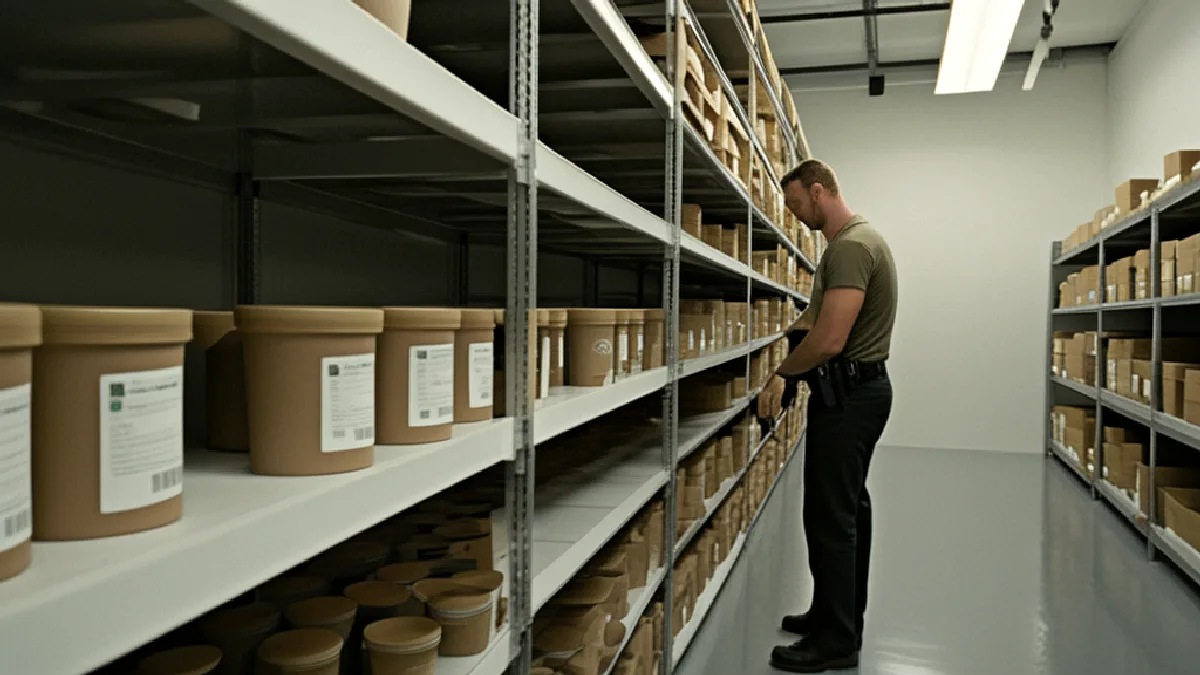
No change to marijuana delivery flows directly from this federal hemp THC action as described in the source. Cannabis delivery remains governed by state and local law; the source does not alter DC, Maryland, or Virginia delivery rules.
For readers sorting the alphabet soup: federal hemp policy primarily affects products derived from hemp, while marijuana delivery regulations come from state and local cannabis statutes. Even if a federal hemp THC ban extension narrows what hemp products can contain, DC, Maryland, and Virginia delivery legality for marijuana or medical cannabis is determined by state code and city ordinances, not by this federal hemp development. That said, retailers who also carry hemp-derived goods (for example, CBD tinctures or hemp edibles) should track ingredient and labeling changes to avoid stocking items that fall out of compliance if and when the ban takes effect.
Why do cannabinoid bans tend to fail?
Historically, blanket bans on categories of cannabinoids struggle for three practical reasons: chemistry adapts, markets substitute, and enforcement lags. When one molecular pathway is prohibited, formulators seek other legal isomers or precursors. Retail demand often shifts to adjacent compounds, and enforcement tends to rely on testing regimes that may not be built to keep pace with evolving lab processes. MJBizDaily’s note that operators have a “chemistry problem to solve” underscores the first point: bans can trigger reformulation races rather than eliminate demand.
In real life, this plays out as product relabeling, new isomer blends, or changes in conversion methods, with labs and brands trying to stay inside whatever line regulators draw. For delivery businesses, that means SKU volatility and compliance checks that need to be procedural, not ad-hoc. Inventory acceptance policies should require current Certificates of Analysis (COAs), cannabinoid profiles, and language that aligns with whatever definition of hemp-derived THC is operative in your jurisdiction, especially during any federal shift.
What did the hemp THC ban extension actually give operators?
Per MJBizDaily, operators gained time before a federal hemp THC ban takes effect. The source does not specify dates or final terms, but the core practical takeaway is a runway to adjust formulations, supply chains, and labeling before the change becomes enforceable.
Operationally, additional time enables product audits, vendor contract updates, and SOP rewrites. Manufacturers can scrutinize conversion processes and precursors; distributors can vet COA libraries and batch documentation; retailers can map which SKUs may become noncompliant and plan sell-through, returns, or reformulated replacements. Delivery companies that carry both marijuana and hemp-derived items should segregate SKUs, reinforce chain-of-custody records, and pre-build substitutions for menu continuity.
How does a federal hemp THC ban interact with marijuana delivery regulations?
They run on different tracks. State marijuana delivery regulations govern who can deliver, what can be transported, tracking, and ID rules. A federal hemp THC ban focuses on chemical content and legality of certain hemp-derived cannabinoids at the national level. The first dictates your delivery license and courier rules; the second shapes which hemp SKUs you can lawfully handle.
Practically, your compliance checklist splits in two: one for marijuana delivery laws (licensing, manifests, seed-to-sale tracking, age checks) and one for product legality (COAs, ingredient thresholds). If hemp product definitions tighten federally, the delivery manifest must ensure any hemp items still meet the permissible profile — or exclude them entirely.
Before vs. after: what’s actually different?
The source frames an extension of a federal hemp THC ban and emphasizes a pre-effective-date problem for operators. Based on that framing alone, here is the narrow, source-anchored comparison:
Provision | Previous rule | New rule | Effective date |
|---|---|---|---|
Federal hemp THC policy | Hemp THC ban referenced | Ban extended | Not stated in the source |
Operator planning window | Not stated in the source | Additional time before ban takes effect | Not stated in the source |
Operational focus | Not stated in the source | “Chemistry problem to solve” for operators | Not stated in the source |
When will the ban take effect?
The source does not provide an effective date. Readers should monitor official federal notices for timing and terms.
Without a date, the smart move is to behave as though the switch could flip on short notice: triage your product set, rank risk by cannabinoid content, and get contingency menus ready. For DC-area retailers and delivery teams, align your hemp SKU strategy with local marijuana delivery regulations so you can maintain service continuity even if certain hemp items drop off the menu.
What This Means for DC, Maryland and Virginia
The source does not detail local DMV effects. Here’s how to think about it in our region, where marijuana delivery regulations and hemp rules operate in parallel systems:
Washington, DC: Adult-use sales remain constrained by federal oversight unique to DC. Delivery operations that focus on Initiative 71 gifting or medical delivery should treat hemp-derived items cautiously if the federal definition tightens. Keep COAs on hand and avoid commingling medical cannabis manifests with hemp retail deliveries.
Maryland: State-legal adult-use and medical delivery exist under Maryland regulations. A federal hemp THC ban extension would not change your delivery license rules, but it could change which hemp edibles or tinctures are lawful to stock or deliver. Build a hemp SKU review cadence alongside your Maryland delivery compliance checklist.
Virginia: Adult-use sales are not active statewide, and gifting persists in gray areas. Medical cannabis delivery and transport are governed by Virginia rules. If you carry hemp products, plan for rapid product pivots if federal definitions narrow.
For all three, tighten intake SOPs: require batch-level COAs, verify cannabinoid profiles against any updated federal definitions, and separate hemp inventory from state-legal marijuana inventory in storage and in transport logs. If you run DC delivery, review our education on edible dosing, pre-roll storage in transit, and concentrates handling — those operational blocks remain relevant even as the hemp side shifts.
How This Compares to Other States

Because the reported development is federal, its reach would be national. Individual states may also have their own hemp rules. The source does not list other states’ approaches, so we won’t speculate. What holds across jurisdictions is the split between product legality (hemp content rules that a federal ban would affect) and delivery legality (state-by-state marijuana delivery regulations). In any state with legal marijuana delivery, the delivery license does not authorize carrying federally unlawful hemp products. Conversely, even if a hemp item is federally lawful, a state may still restrict its sale or delivery.
Is weed delivery legal in DC, Maryland, or Virginia?
Delivery legality depends on each jurisdiction’s marijuana delivery regulations and can differ for medical and adult use. The source does not change local delivery rules; consult current DC, Maryland, and Virginia statutes for specifics.
Can delivery services carry hemp-derived edibles if a federal ban is extended?
If a federal hemp THC ban is extended as reported, certain hemp-derived products could fall outside federal legality. Delivery services should avoid transporting products that do not meet federal and state definitions. The source provides no product list or thresholds.
Do I need a separate license to deliver hemp products?
The answer is jurisdiction-specific. The source does not address licensing. In general, hemp retail and marijuana courier licensing are separate frameworks managed at state or local levels.
What documentation should couriers keep in the vehicle?
Maintain manifests, COAs for hemp items, driver credentials, and any state-required tracking documentation. The source does not specify documents; this is standard delivery compliance practice.
Will this affect pricing or product availability?
Possibly. If reformulation or delisting occurs, menus may shift. The source does not provide market data or timelines, so treat availability and pricing impacts as uncertain until official details are published.
Timeline and Next Steps
The source does not state dates, so use this extension window to harden compliance:
Inventory audit: Flag hemp SKUs by cannabinoid profile; stage substitutions.
Vendor outreach: Request updated COAs and written attestations regarding any new federal definitions.
Transport SOPs: Split manifests by product category; reinforce ID checks and chain-of-custody for deliveries.
Menu operations: Pre-build alternative menus for DC delivery and Maryland medical/adult-use delivery in case SKUs drop.
Staff training: Update intake, labeling checks, and refusal protocols for noncompliant items.
Bud Lords Take
This is our analysis, not a report of new facts: Extensions like the one MJBizDaily describes tend to buy time but rarely deliver clarity by themselves. Operators who treat the runway as a live-fire compliance drill — tightening documentation, mapping reformulation needs, and rehearsing menu pivots — come out ahead. Cannabinoid bans often chase chemistry; the winning strategy is to make your compliance process as adaptable as the formulators you buy from.
Expert and Industry Perspectives
Industry practitioners routinely emphasize documentation and agility in periods like this. Paraphrasing a common compliance viewpoint: “When the rule is moving, your paperwork becomes your product.” In practice, that means COA discipline, tight intake gates, and transparent vendor communication. While MJBizDaily’s report flags a chemistry problem for manufacturers, retailers and delivery operators have an operations problem to solve — building systems that can withstand SKU churn without service disruption.
Does the federal hemp THC ban extension change state marijuana delivery licensing?
No. The source does not indicate any change to state licensing. State marijuana delivery laws continue to control who may deliver, how, and under what tracking rules.
Are all hemp cannabinoids affected?
The source does not list compounds or thresholds. Treat the scope as unspecified until federal text is published.
Should I stop selling hemp gummies now?
The source does not provide effective dates or definitions. Conduct a risk review, verify COAs, and prepare alternatives while awaiting official terms.
What should courier drivers do differently this week?
Refresh COA binders for hemp items, verify manifests match inventory, and avoid transporting ambiguous products. The source offers no driver directives; these are prudent compliance practices.
Will medical patients in Maryland lose access to certain hemp products?
Unknown. The source does not address Maryland product categories. Patient access will depend on the final scope and timing of federal action and state-level implementation choices.
Image
Alt text: Lab technician examining a vial of hemp extract beside labeled compliance documents and a delivery manifest clipboard.
For DMV readers, we’ll keep tracking federal movement and how it intersects with DC delivery realities, Maryland’s regulated market, and Virginia’s evolving landscape. If you’re adjusting menus, training delivery staff, or planning SKU pivots and want to sanity-check your process, tap our educational guides on DC delivery logistics, Maryland retail rules, Virginia gifting nuances, edible dosing best practices, and concentrates handling in transport. We’ll update as soon as official federal details drop.
Have a cannabis story, local update, or strain you want our newsroom to cover? Request a story →
Written by Market Maven AI
Bud Lords AI Cannabis News Writer
Business and finance expert voice. Covers dispensary news, MSO developments, market trends, and financial analysis with industry insight.
Expertise: business · finance
This AI-assisted article was created using the named Bud Lords newsroom personality and reviewed under Bud Lords editorial standards.


Comments