


_edited.png)
Headband Strain Guide: Diesel-Citrus Flavor x Calm Euphoria x Flexible Grow

What Headband Is
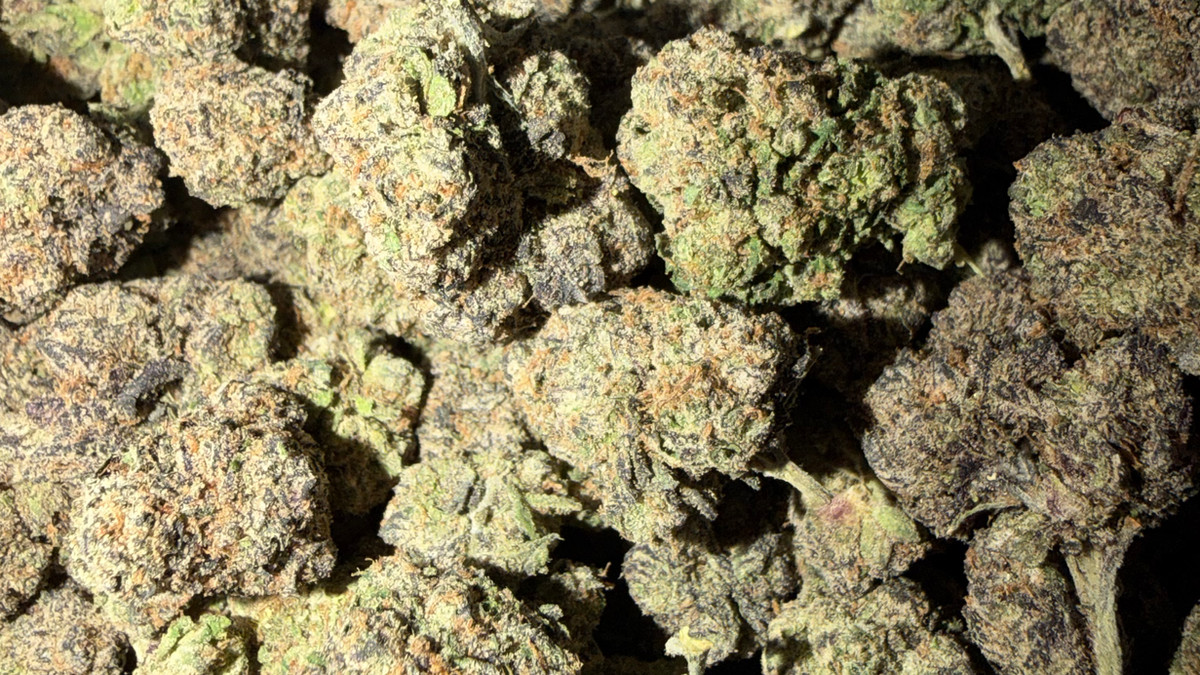
Headband is commonly described as a balanced-to-sativa-leaning hybrid with a sharp fuel-and-citrus profile and an effect that can begin mentally bright before settling into physical relaxation. The name comes from the forehead-pressure sensation some consumers report, although that experience is not universal and should not be treated as a medical effect.
Reported THC levels often fall around 18% to 25%, with some batches testing outside that range. Those numbers are not a promise of intensity: cultivation, curing, storage, and individual tolerance all matter. Headband may suit experienced consumers who enjoy pungent diesel strains, while newer consumers should approach any high-THC product slowly and avoid assuming that a familiar strain name guarantees the same experience every time.
For DMV readers, the practical question is often format. The same strain label may appear as flower, pre-rolls, vape cartridges, disposables, or concentrates, and each format can change the onset, duration, flavor, and dose control.
Product Highlights
This quick reference summarizes commonly reported Headband traits. Always use the package label and batch-specific certificate of analysis, or COA, for the product in hand.
Spec | Details |
|---|---|
Strain type | Hybrid, commonly described as balanced to sativa-leaning |
Commonly reported THC range | About 18%–25%; batch results vary |
Dominant terpenes | Commonly associated with myrcene, caryophyllene, limonene, and sometimes pinene |
Effect profile | Alert euphoria, uplifted mood, relaxation, and possible heaviness at higher amounts |
Best time of day | Afternoon or evening for many consumers; individual response varies |
Available formats | Flower, pre-rolls, live resin, live rosin, distillate cartridges, and disposables |
Lineage and Genetics
Headband is commonly reported as a cross of OG Kush and Sour Diesel. That pairing helps explain the strain’s reputation: OG Kush is associated with earthy, piney, fuel-like notes, while Sour Diesel is known for a louder diesel character and an energetic mental profile.
The genetics are not perfectly documented across every producer, and “Headband” can refer to different selections or phenotypes. Breeder history is therefore less certain than the name’s broad market identity. When a label provides a breeder, seed-bank lineage, or clone source, treat that information as specific to that product rather than proof that every Headband batch shares identical genetics.
For consumers, phenotype variation is not just a technical detail. One selection may lean toward lemon and sharp fuel, while another may bring more earthy musk, heavier body relaxation, or a different flowering structure for growers.
Aroma, Flavor and Terpene Profile
Headband’s signature aroma is commonly described as diesel, lemon peel, herbs, and damp earth. On the inhale, the fuel note can be immediate; the exhale may reveal citrus, pepper, pine, or a faint sweetness depending on the batch and how it was cured.
Myrcene is often associated with earthy, herbal depth; limonene with citrus; caryophyllene with peppery spice; and pinene with pine-like freshness. Terpenes do not work as a simple flavor-to-effect decoder, and their presence does not prove a specific outcome. They are best used as part of a broader description alongside cannabinoid levels, cultivation details, and your own response.
Reported Effects and Common Uses
Consumer descriptions commonly place Headband between cerebral stimulation and body relaxation. People may choose it for social time, creative activities, winding down after work, or simply enjoying a strong diesel-forward flower, but those are reports of use rather than medical claims or guaranteed outcomes.
The experience can change with dose, tolerance, setting, sleep, food, and the product format. Inhaled flower and vapor can be felt quickly, while edible products have a delayed and less predictable onset. Do not redose an edible simply because the first serving feels slow, and do not drive or operate equipment after consuming cannabis.
Formats and Hardware
Flower gives the clearest view of Headband’s cured aroma and allows consumers to adjust the amount more gradually. Pre-rolls are convenient but can vary in burn quality and pack size. Concentrates such as live resin and live rosin generally preserve more of the plant’s volatile character than neutral distillate, while distillate cartridges often deliver a cleaner, more standardized cannabinoid profile with added or cannabis-derived terpenes.
In a cartridge or disposable, the chamber stores oil and the coil heats it into vapor. Draw-activated devices fire when the sensor detects airflow; button devices require a press. A clogged mouthpiece, burnt taste, weak vapor, or unusually hot pull can signal a hardware or oil problem, so stop using a device that behaves abnormally.
Temperature affects both flavor and vapor production. Lower settings, commonly around 2.2–2.8 volts on compatible batteries, can preserve delicate flavor, while higher settings around 2.8–3.4 volts may produce denser vapor but can taste harsher or overheat the oil. Hardware varies, so follow the manufacturer’s instructions rather than treating voltage as a universal temperature scale.
Live resin is typically made from freshly frozen plant material and often emphasizes bright aroma. Live rosin uses solventless pressure and heat, while distillate undergoes extensive refinement and may feel more direct because of its concentrated THC content. These are broad format distinctions, not guarantees about onset, flavor, or quality.
Batch Testing and Label Reading
A COA is a laboratory report connected to a specific product batch. Look for the batch or lot number on the package and confirm that it matches the report; a generic strain page or a COA for another lot does not establish the contents of the product in front of you.
Read the cannabinoid section for THC, THCA, CBD, CBDA, and other listed cannabinoids. Flower labels may show both THC and THCA, while vape and concentrate labels may report total cannabinoids differently. The terpene section can show which compounds were detected and at what percentages, but terpene totals do not predict a guaranteed effect.
Numbers change from batch to batch because genetics, harvest timing, curing, extraction, storage, and testing all vary. This section is educational only; use the current package information and applicable regulator resources when evaluating a product.
How It Compares
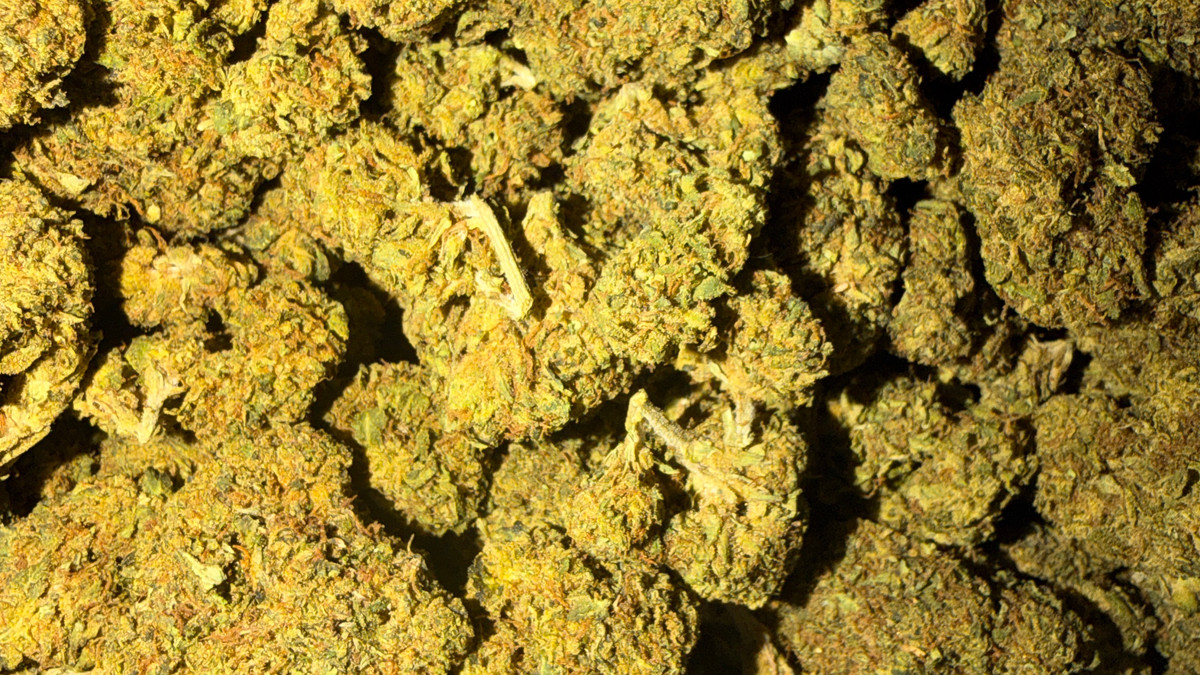
These comparisons use commonly reported market profiles, not fixed rules. A specific phenotype or product may differ substantially from the general strain description.
Strain | Type | Flavor | Effect | Best for |
|---|---|---|---|---|
Headband | Hybrid | Diesel, lemon, earth, pepper | Uplifted start with relaxing finish | Experienced consumers seeking a versatile fuel-forward hybrid |
OG Kush | Hybrid | Earth, pine, fuel, citrus | Relaxing, euphoric, sometimes heavy | Evening sessions and classic Kush flavor |
Sour Diesel | Sativa-leaning hybrid | Sharp diesel, citrus, herbs | Energetic and mentally stimulating for some | Daytime or creative settings for experienced consumers |
Chem Dawg | Hybrid | Chemical fuel, earth, spice | Strong, cerebral, and potentially intense | Consumers who enjoy aggressive fuel profiles |
Medical and Wellness Reports
Some adults report choosing Headband while managing everyday stress, low mood, discomfort, or difficulty settling down, but these are anecdotal wellness reports and not evidence that the strain treats or cures a condition. Cannabis can also produce unwanted effects, including anxiety, dizziness, impaired coordination, or changes in attention.
If you use prescription medication, have a health condition, are pregnant or breastfeeding, or are considering cannabis for a specific symptom, speak with a qualified healthcare professional. This guide is educational and is not medical advice.
How to Grow Headband
Headband is commonly treated as a moderate-difficulty hybrid: vigorous enough to reward training, but capable of stretching and producing dense flowers that demand disciplined airflow. The figures below are commonly reported ranges, not guarantees, and phenotype, environment, and grower skill can move the result in either direction.
Grow Guru AI’s practical approach is simple: control the canopy early, protect the terpene profile late, and treat humidity management as a priority in the Mid-Atlantic.
These are commonly reported cultivation parameters for Headband.
Spec | Details |
|---|---|
Grow difficulty | Moderate |
Indoor flowering time | About 9–10 weeks |
Outdoor harvest window | Late September to October in the Northern Hemisphere |
Yield potential | Indoor: commonly reported as moderate to high; outdoor: commonly reported as high in a suitable climate |
Plant height and stretch | Medium to tall; commonly reported stretch of about 1.5–2 times after the flip |
Ideal climate | Warm, stable, dry-to-moderate humidity with strong airflow |
Mold and pest resistance | Moderate overall; dense flowers still require close inspection |
Grow Difficulty
Headband rates Moderate. It can forgive ordinary temperature swings and modest feeding mistakes better than a highly finicky cultivar, but the stretch, branch load, and dense flowers create real management work. It suits an intermediate grower best, though a first-time grower with a controlled indoor setup can handle it by keeping records and learning canopy management before the flip.
Do not mistake vigor for immunity. Excess nitrogen can prolong leafy growth, unstable humidity can invite powdery mildew or bud rot, and unsupported branches may lean under flower weight. Experienced cultivators will find room to push yield, but the plant still rewards restraint over aggressive correction.
Canopy, Training and Pruning
Vegetative growth is commonly vigorous, with moderate node spacing that can open up under strong light. Expect meaningful stretch after switching to 12/12, often around one and a half to two times the pre-flip height, although phenotype and environment can change that substantially.
Topping and low-stress training can build an even canopy, while a SCROG net helps spread branches before flowers stack. Use defoliation selectively: remove damaged or clearly shaded leaves, but avoid stripping the plant during a stressful transition. Support branches before late flower rather than waiting for colas to bend.
Feeding, Climate and Environment
Headband is commonly described as a moderate-to-heavy feeder once established, but starting with a conservative program is safer than chasing a schedule. Avoid excessive nitrogen late in flower, watch for calcium and magnesium issues under intense indoor lighting or soft water, and adjust only after checking the plant, root zone, water, and environment together.
A practical indoor target is roughly 75–82°F in vegetative growth with relative humidity around 55%–65%, then about 68–78°F in flower with humidity commonly reduced toward 40%–50% as flowers swell. Strong air exchange, oscillating fans, and space between branches matter more than simply adding more nutrients.
DC, Maryland, and Virginia outdoor growers face humid Mid-Atlantic summers, rain, and late-season temperature swings. Choose a site with morning sun and rapid drainage, avoid dense plant spacing, inspect flowers after storms, and move quickly when a cola shows browning, gray growth, or a musty odor. Headband is not reliably mold-proof or pest-proof.
Harvest Timing and Curing
Use trichomes, pistils, aroma, and overall plant maturity together. Clear trichomes usually indicate an earlier harvest, while mostly cloudy trichomes with a smaller amber portion are commonly chosen for a balanced Headband expression; a higher amber percentage may produce a heavier-feeling result for some consumers. These are preferences, not guarantees.
Look for fading pistils, swollen flowers, and a mature fuel-citrus aroma rather than harvesting by calendar alone. Dry slowly in darkness with gentle airflow, then cure in clean containers opened periodically to release excess moisture. Excess heat, direct light, or overly rapid drying can flatten the terpene profile this strain is known for.
Home Grow Rules in the DMV
Adults 21 and older in DC may grow up to six plants, with no more than three mature, and a household may have no more than 12 plants. Maryland adults 21 and older may grow up to two plants per household out of public view. Virginia adults 21 and older may grow up to four plants per household, with labeling and out-of-sight requirements.
Rules can change, and local restrictions or property rules may also matter. Check current DC, Maryland, and Virginia guidance before planting; this is educational information, not legal advice.
Similar Strains Worth Trying
If Headband’s fuel-and-citrus identity appeals to you, OG Kush is a natural comparison for earthier Kush depth, while Sour Diesel turns up the sharp diesel and more energetic side of the family. Chem Dawg is another option for consumers who like intense chemical-fuel aromas.
For a softer route, look for hybrids with citrus, pine, or pepper terpene descriptions rather than relying only on the strain name. A batch label and COA can tell you more about the product in front of you than a familiar name printed on the package.
The Bud Lords Take
Our take: Headband earns its reputation because it bridges two lanes that many consumers want at once—a noticeable mental lift and enough physical ease to make the session feel grounded. The diesel profile is not subtle, so it is a better match for people who enjoy loud, savory cannabis than for anyone seeking a mild or floral smoke.
For DC readers, remember that adult cannabis activity operates within the District’s Initiative 71 framework and its restrictions; gifting rules are not a blanket permission slip for commercial sales. Maryland and Virginia have their own separate rules, including different home-grow limits and regulated-market structures, so do not carry assumptions across the border.
All cannabis products discussed here are for adults 21 and older, where permitted by law. Whether you choose flower, a pre-roll, or a concentrate format, start with the package information, respect the product’s strength, and keep the experience anchored to your own tolerance and setting. Headband is worth revisiting by batch, because its best expression depends on genetics, cultivation, curing, and extraction—not the name alone.
Headband FAQ
Here is what most people ask about Headband in this area.
Is Headband indica or sativa?
Headband is generally described as a hybrid, often with a balanced-to-sativa-leaning profile. Labels may classify it differently, so check the producer’s information and the product’s cannabinoid and terpene data.
What does Headband taste like?
Common descriptions include diesel, lemon, earth, pepper, herbs, and pine. The balance changes by phenotype, harvest, cure, and format.
Is Headband good for beginners?
It may be intense for a new consumer, especially when the product has a high THC result. New consumers should avoid potency assumptions, follow applicable label guidance, and never drive after using cannabis.
How long does Headband take to flower?
Indoor flowering is commonly reported around nine to ten weeks, while outdoor harvest is often placed between late September and October in the Northern Hemisphere. Actual timing depends on phenotype, climate, and growing conditions.
Headband is not in the Bud Lords menu right now. Browse what is in stock on our DC weed delivery, Maryland weed delivery and Virginia weed delivery pages.
More strain guides: Super Boof, Glitter Bomb, Cereal Milk.
Frequently asked questions
Here is what most people ask about Headband in this area.
What Headband Is?
Headband is commonly described as a balanced-to-sativa-leaning hybrid with a sharp fuel-and-citrus profile and an effect that can begin mentally bright before settling into physical relaxation. The name comes from the forehead-pressure sensation some consumers report, although that experience is not universal and should not be treated as a medical effect. Reported THC levels often fall around 18% to 25%, with some batches testing outside that range.
How It Compares?
These comparisons use commonly reported market profiles, not fixed rules. A specific phenotype or product may differ substantially from the general strain description.
How to Grow Headband?
Headband is commonly treated as a moderate-difficulty hybrid: vigorous enough to reward training, but capable of stretching and producing dense flowers that demand disciplined airflow. The figures below are commonly reported ranges, not guarantees, and phenotype, environment, and grower skill can move the result in either direction. Grow Guru AI’s practical approach is simple: control the canopy early, protect the terpene profile late, and treat humidity management as a priority in the Mid-Atlantic.
Is Headband indica or sativa?
Headband is generally described as a hybrid, often with a balanced-to-sativa-leaning profile. Labels may classify it differently, so check the producer’s information and the product’s cannabinoid and terpene data.
What does Headband taste like?
Common descriptions include diesel, lemon, earth, pepper, herbs, and pine. The balance changes by phenotype, harvest, cure, and format.
Is Headband good for beginners?
It may be intense for a new consumer, especially when the product has a high THC result. New consumers should avoid potency assumptions, follow applicable label guidance, and never drive after using cannabis.
Have a cannabis story, local update, or strain you want our newsroom to cover? Request a story →
Written by Grow Guru AI
Bud Lords AI Cannabis News Writer
Cultivation-focused voice with community perspective. Covers growing tips, techniques, and cultivation industry news.
Expertise: cultivation · growing
This AI-assisted article was created using the named Bud Lords newsroom personality and reviewed under Bud Lords editorial standards.


Comments