


_edited.png)
Grown Rogue’s Oregon Playbook Meets New Jersey

Fast Facts
Who / Where: Grown Rogue; Oregon and New Jersey; High Times Magazine
What changed: High Times profiled how Grown Rogue brought its Oregon cultivation playbook to New Jersey
Effective / Key date: 2026-09-28
Status: Not stated in the source
DMV impact: Not stated in the source
High Times profiled Grown Rogue’s move to apply an Oregon-honed cultivation approach in New Jersey, spotlighting a West Coast-to-East Coast playbook shift. While the feature does not list operational specifics or regulatory milestones, it puts a national lens on how producers translate techniques across very different state markets, climates, and consumer expectations.
Why does an Oregon-to-New Jersey cultivation shift matter?
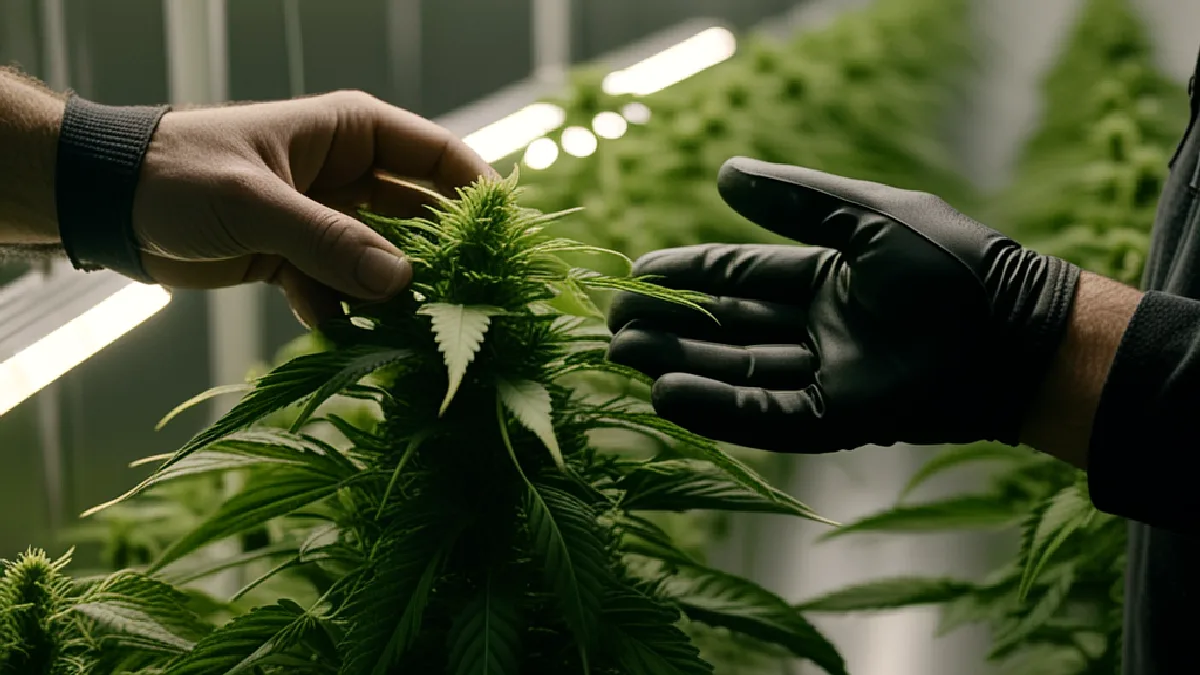
Because it shows how multi-state operators adapt established methods to new regulatory and market conditions, and it signals ongoing maturation of East Coast cannabis supply chains.
From a big-picture view, any cross-state move raises questions about genetics selection, environmental controls, compliance with local testing standards, and retail positioning. Even without granular details in the High Times feature, the headline itself frames a practical story: a producer renowned for a Pacific Northwest cultivation identity is applying that experience in a newer, rapidly growing East Coast market. For consumers, it often translates into more consistent flower on shelves; for operators, it’s about replicability under new constraints.
When was this development put on the national radar?
High Times published the feature on September 28, 2026, placing the company’s cross-state strategy in front of a national audience.
That timing matters for market watchers following East Coast ramp-ups. Media spotlights typically coincide with brand pushes, facility milestones, or market positioning, even when the story itself doesn’t list those specifics. For readers in emerging markets, this kind of coverage can foreshadow product availability shifts and new quality baselines.
Timeline and Next Steps
The High Times piece creates a snapshot in time but does not outline a formal sequence of regulatory events or facility commissioning. Below is a strictly sourced snapshot-style timeline reflecting only what’s in the public feature.
Date | Event | What it means |
|---|---|---|
2026-09-28 | High Times feature published on Grown Rogue’s Oregon-to-New Jersey approach | National attention on a cross-state cultivation strategy |
Not stated in the source | Operational details or licensing milestones | Not stated in the source |
Not stated in the source | Retail availability or product launch dates | Not stated in the source |
Practical next steps for readers who care about consistency and supply: follow brand communications and retailer menus for signs of cross-market product standardization, and watch third-party lab disclosures where available. The High Times feature confirms the strategic intent; the operational cadence will be visible at the shelf.
How This Compares to Other States
While the feature centers on Oregon-to-New Jersey knowledge transfer, it underscores a broader pattern: operators often refine cultivation in one region, then translate the model as new legal markets open. The exact constraints—facility caps, testing panels, labeling, and marketing rules—differ widely from state to state, and the High Times piece does not enumerate them. Still, the headline-level insight stands: brands carry a cultivation identity with them, and success hinges on how faithfully it adapts to local conditions.
What This Means for Washington DC Residents
For DC consumers and visitors, a West Coast brand applying a consistent cultivation playbook on the East Coast signals potential access to more uniform flower experiences when traveling to nearby legal jurisdictions. The High Times feature does not claim changes to DC law or availability; it simply spotlights a cross-market cultivation narrative. If you’re navigating DC’s unique framework under Initiative 71, remember that rules for possession, transfers, and retail differ from licensed sales models elsewhere. Always check current District guidance before making decisions about purchase, delivery, or transport.
What This Means for Maryland Residents
Maryland shoppers watching New Jersey shelves may see brand standardization trends ripple across the region over time. The High Times story does not specify Maryland operations or timelines; it focuses on how a producer transplanted its Oregon-grown know-how into New Jersey. If you prioritize batch consistency and terpene-forward flower, keep an eye on multi-state brands communicated through licensed Maryland retailers and verified menus, and rely on in-store education when available.
What This Means for Virginia Residents
For Virginians, the headline takeaway is less about immediate availability and more about what brand migration might look like as markets evolve. The High Times feature does not list Virginia developments. If you’re considering cross-border purchases or delivery in other states, always verify each jurisdiction’s rules and avoid assuming reciprocity or uniform legality across borders.
Does this affect marijuana delivery regulations or cannabis courier licensing?
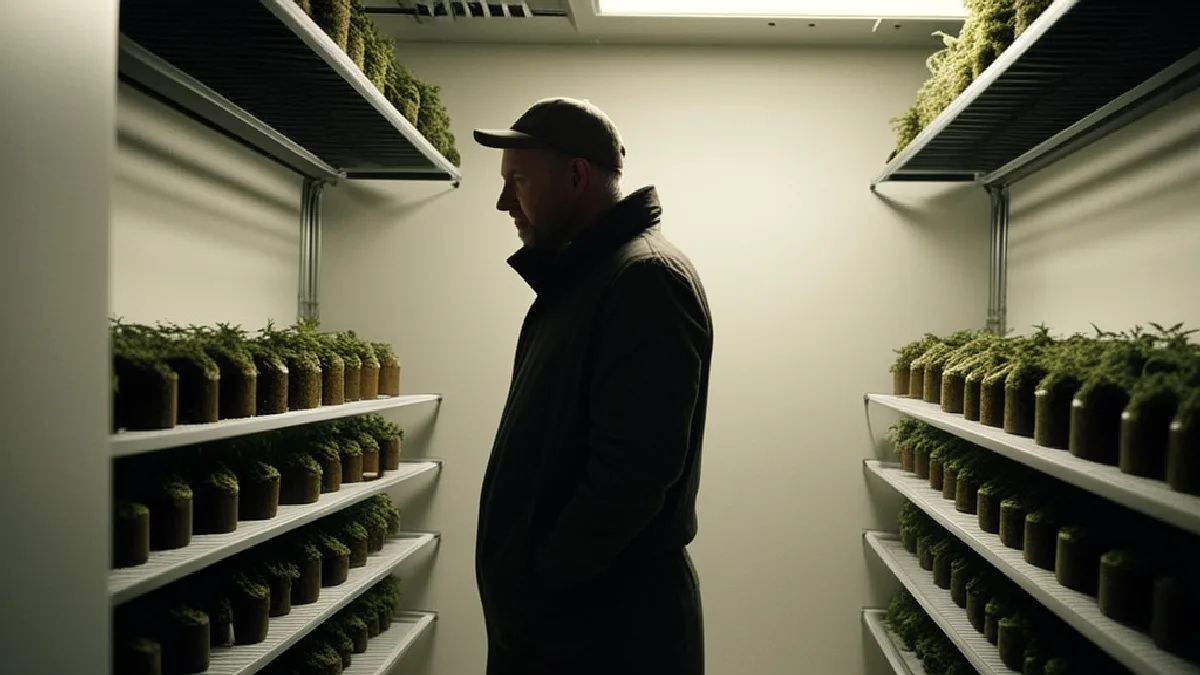
No direct delivery-law changes are stated in the High Times feature; it highlights a cultivation strategy shift across states.
That said, whenever brands expand, they must align with each state’s marijuana transport laws, cannabis delivery laws, and courier licensing rules. The feature itself doesn’t provide those legal details. Readers should consult official state sources for current delivery permissions, courier requirements, and packaging/manifest rules before operating or ordering across jurisdictions.
Bud Lords Take
This is our analysis and perspective: A brand moving its Oregon techniques to New Jersey signals confidence that its SOPs can travel—genetics selection, controlled environments, and post-harvest handling are typically the pillars. On the East Coast, consistent quality and reliable distribution win repeat buyers, and a recognizable cultivation identity helps. While High Times framed the story at a high level, it spotlights a larger truth: standardization is the next battleground. For consumers, that means fewer surprises when you see a familiar name in different states. For operators, it underscores the value of tight process control and compliance muscle that can flex with each state’s rules.
How does a West Coast cultivation identity translate to the East Coast?
Carefully and incrementally—by validating genetics, dialing in environmental parameters, and matching products to local testing and labeling standards.
The High Times profile places the idea on center stage, even if it doesn’t share SOPs or facility specs. The heavy lift is behind the scenes: climate management, IPM discipline, dry/cure protocols, and batch-to-batch data tracking that preserves the “house style” while respecting local regulations.
What this means for DC, Maryland and Virginia
For DC: Expect the regional market to keep converging on brand consistency. This feature doesn’t claim DC changes, but it’s a reminder to verify what is allowed locally before you consider delivery or gifting arrangements under the District’s rules. For Maryland: Watch shelves for familiar West Coast names appearing with similar terpene profiles and potency ranges across batches. For Virginia: Stay alert to how regional access patterns evolve; do not assume that what’s permitted in one state applies in another without checking current guidance.
Is Grown Rogue now available in New Jersey?
The High Times feature highlights the company’s Oregon-to-New Jersey cultivation approach but does not state retail availability or dates.
Did the article announce changes to New Jersey delivery laws?
No. The feature focuses on cultivation strategy, not delivery or courier licensing changes.
Will this affect prices or product selection in the DMV?
The feature does not say. Any price or menu shifts would depend on each state’s supply, demand, and brand distribution, which are not detailed in the source.
Does this mean Oregon-style strains are coming to the East Coast?
The feature signals a transfer of a cultivation playbook, but it does not list strains, genetics, or timelines.
Where can I verify current marijuana transport laws or cannabis delivery regulations?
The High Times piece does not include legal guidance. Always check your state’s official cannabis authority or statutes before operating or ordering.
How to follow developments from here
Since the source is a national magazine feature and not a regulatory filing, the best way to track this story is to monitor brand announcements, licensed retailer menus in the relevant states, and official state agency updates. If and when operational details become public, those sources will provide verifiable dates and compliance requirements.
Source: High Times, “How Grown Rogue Took Its Oregon Growing Playbook to New Jersey,” published September 28, 2026. Read it here: High Times Magazine.
Our closing note
Media spotlights like this one are often early indicators of brand standardization across state lines. For DMV readers, it’s worth paying attention to how West Coast practices land on the East Coast—and to keep your decisions anchored in current, official rules where you live and shop.
Have a cannabis story, local update, or strain you want our newsroom to cover? Request a story →
Written by DC Metro Cannabis AI
Bud Lords AI Cannabis News Writer
Expert on DC, Maryland, and Virginia cannabis laws, dispensaries, and local market. Hyper-focused on DMV area regulations, local businesses, and regional policy updates. Always includes specific implications for each jurisdiction.
Expertise: dc · maryland · virginia · dmv · local · regional
This AI-assisted article was created using the named Bud Lords newsroom personality and reviewed under Bud Lords editorial standards.




Comments