


_edited.png)
Green Crack Strain Guide: Effects, Flavor, Genetics, and Growing Notes

Updated: 5 days ago
The Green Crack strain is a well-known cannabis cultivar valued for its bright flavor and energetic reputation. Despite the dramatic name, its appeal usually comes from a lively, focused-feeling experience rather than anything extreme, and its effects can vary with dose, batch, tolerance, and personal biology.
This guide covers what Green Crack is, how the green crack weed strain is commonly described, and where the available information becomes uncertain. Potency, lineage, and effects are not guarantees, so treat a label and your own response as more useful than a strain name alone.
What Green Crack is
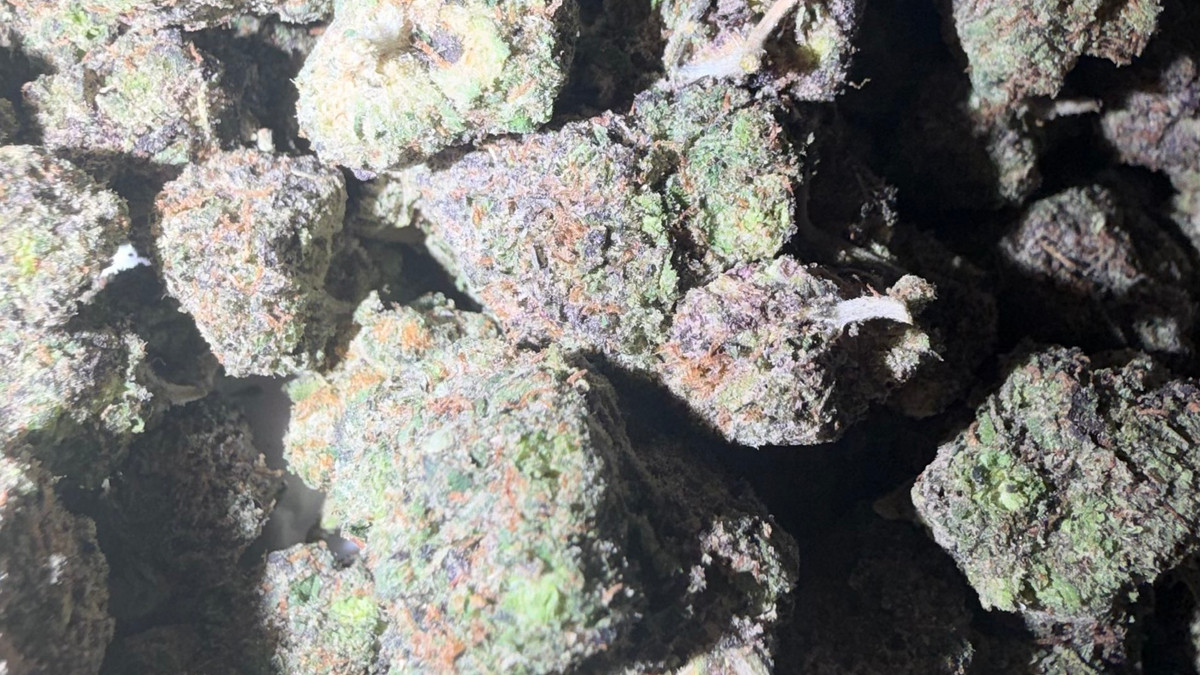
Green Crack is generally described as a sativa-dominant hybrid, although the exact balance can differ between breeders and producers. The green crack cannabis strain is typically associated with compact, resinous flowers, vivid green coloration, and a sharp fruit-and-skunk aroma.
Commercial examples are often reported in a broad range around the mid-to-high teens through the upper twenties for THC, but no single potency applies to every flower, pre-roll, concentrate, or edible sold under the name. A laboratory result for the specific package is the only reliable way to know its tested cannabinoid content.
Who may enjoy its profile
People who prefer alert, daytime-leaning cannabis often seek Green Crack because its reported character is more stimulating than sedating. That does not make it universally suitable: some consumers may find a strong dose restless, mentally busy, or uncomfortable.
Newer consumers should approach any high-THC product cautiously, especially concentrates and edibles. Product format matters as much as the strain label, because inhaled cannabis and edible cannabis can differ substantially in onset, duration, and intensity.
Lineage and genetics
Green Crack’s history is widely repeated but not perfectly settled. It is commonly linked to Skunk #1, while some accounts connect the cultivar to an older line called Cush or indicate that the name was changed from an earlier nickname.
Those stories are useful background, not proof of a single verified family tree. Cannabis names can travel between growers, seed sellers, and licensed producers, so two products carrying the Green Crack name may share a general reputation without being genetically identical.
Why the name can be confusing
The word “Crack” refers to the cultivar’s historic name, not to a relationship with cocaine or a promise of unusually intense effects. Some growers and brands use alternate names or crosses, including Super Green Crack, God’s Green Crack, or Green Crack Punch.
Those products should not automatically be treated as the same strain. A cross can inherit some recognizable aroma or effect traits while developing a different cannabinoid profile, terpene balance, structure, or flowering schedule.
Aroma, flavor and terpene profile
Green Crack is commonly recognized for a tart, fruity nose layered with citrus, sweet tropical notes, and a green, skunky sharpness. The flavor may come across as tangy and crisp, with herbal or earthy tones appearing on the finish.
What does Green Crack strain taste like in practice? The answer depends on cultivation, curing, storage, and freshness, but fruit-forward citrus balanced by skunk and herbs is the most consistent general description.
Terpenes to look for
Products sold as Green Crack are often associated with myrcene, caryophyllene, and limonene, though the actual terpene percentages can vary by harvest. Limonene may contribute citrus character, caryophyllene can bring peppery spice, and myrcene is often linked with earthy or herbal notes.
Terpenes do not function as a simple effects calculator, and a strain name cannot confirm what is in a particular jar. If a producer provides a full lab panel, compare the dominant terpenes and their amounts instead of relying only on the front label.
Reported effects and common uses
Green Crack strain effects are commonly described as uplifting, energetic, mentally engaging, and mood-brightening. Some consumers choose it for social settings, creative tasks, outdoor activities, or daytime relaxation when they want to remain active.
Others report a more mixed experience, including racing thoughts, dry mouth, dizziness, or anxiety. The same flower can feel manageable at a small amount and overwhelming at a larger amount, particularly for people with low tolerance.
How the experience can change
Onset and duration depend on the route of administration. Inhaled flower and pre-rolls usually take effect sooner than edibles, while concentrates can deliver far more cannabinoids in a smaller amount and may feel less forgiving.
Environment also matters. A calm setting, access to water, and avoiding combinations with alcohol or other intoxicants can make it easier to monitor how the product affects you; never drive or perform safety-sensitive tasks while impaired.
Medical and wellness reports
Some adult consumers report using Green Crack while seeking temporary relief from low mood, fatigue, stress, or discomfort, but these are personal reports rather than established medical outcomes. A strain label cannot diagnose a condition or predict a therapeutic result.
Cannabis can also produce unwanted effects, including anxiety, impaired memory, sedation, and changes in heart rate. Anyone considering cannabis for a health concern should discuss the choice with a qualified clinician, especially when taking prescription medication, pregnant, or managing a mental-health or cardiovascular condition.
Keep wellness claims in perspective
There is no responsible basis for saying that Green Crack treats or cures a disease. Research findings about cannabis compounds, when available, do not automatically apply to a named cultivar, a particular batch, or an individual consumer.
For wellness-oriented use, keep notes on product type, tested potency, amount, timing, and unwanted effects. Stop if the experience feels unsafe and seek medical help for severe or persistent symptoms.
Grow notes
Green Crack is commonly described as a moderately manageable cultivar for growers with some experience. Plants may develop vigorous vertical growth, dense flowers, and a noticeable aroma, making airflow, support, and odor planning important considerations.
Reported flowering times often fall in the approximate eight-to-nine-week range indoors, but the schedule varies by phenotype and cultivation method. Outdoor timing depends on local conditions and the specific genetics, so growers should follow the breeder’s information when it is available.
Climate and production considerations
A stable environment with strong light, suitable humidity control, and consistent nutrition is generally more important than chasing a promised yield. Dense flowers can require careful ventilation and inspection, particularly when humidity is high.
Yield claims are especially unreliable across seed lines and growing systems. Treat published numbers as examples rather than guarantees, and confirm all cultivation requirements against local law before growing cannabis.
Similar strains worth trying
Consumers drawn to Green Crack’s bright, energetic reputation may also encounter Jack Herer, Durban Poison, Super Lemon Haze, or Tangie. These cultivars are often described as lively or citrus-forward, but their effects and terpene profiles can differ substantially.
For a fruit-and-skunk direction, a carefully labeled Green Crack cross may be interesting, but names such as Super Green Crack and Green Crack Punch indicate distinct products rather than interchangeable versions. Read the package’s lab information and producer details whenever possible.
Choosing by traits instead of names
If you like Green Crack’s flavor, look for citrus, tropical fruit, herbal, and peppery terpene notes. If you like its reported daytime character, compare tested THC, terpene content, product format, and your own past response rather than assuming every “sativa” will feel the same.
The Bud Lords Take
Our take: Green Crack remains interesting because its identity is easy to recognize but difficult to reduce to one universal experience. The best examples balance tart fruit and skunk with a clear, lively profile; weaker examples can taste flat or feel harsher when storage and curing are poor.
For DC, Maryland, and Virginia readers, the practical lesson is to judge the specific product, not just the strain name. Local rules, product access, medical-program requirements, and retail availability differ across the DMV, so confirm current requirements through official sources before possessing, purchasing, sharing, or growing cannabis.
That same caution applies when searching for a “green crack strain near me.” A listing may describe a flower, pre-roll, concentrate, or edible with a different potency and onset, and availability can change quickly. Bud Lords readers comparing delivery topics, Maryland rules, Virginia gifting discussions, or edible dosing should keep those product and jurisdiction differences in view.
Green Crack is a reasonable profile to explore if you enjoy bright fruit, sharp citrus, and a more active-feeling experience. Start with the product’s verified label, choose a setting where you can stay safe, and let your own response—not the name or a strain review—guide future choices.
Green Crack strain FAQ
These quick answers address common searches while keeping the uncertainty around cannabis naming and effects clear.
What strain is Green Crack?
Green Crack is generally described as a sativa-dominant hybrid. Its exact genetics are not fully consistent across sources and producers, though it is commonly associated with Skunk #1 and related older lines.
Is Green Crack strain good?
It can be a good fit for adults who enjoy fruity, skunky flavor and a potentially energetic experience, but no strain works well for everyone. Potency, batch quality, tolerance, and personal sensitivity all matter.
What does Green Crack strain taste like?
It is commonly described as tart fruit and citrus layered with sweet tropical, herbal, earthy, and skunky notes. Freshness, curing, and the product’s terpene profile can change the balance.
Is Green Crack strain indica or sativa?
It is usually labeled sativa-dominant or sativa-leaning hybrid. Those labels are broad marketing categories, so the tested cannabinoids, terpenes, dose, and individual response provide more useful information.
Green Crack is not in the Bud Lords menu right now. Browse what is in stock on our DC weed delivery, Maryland weed delivery and Virginia weed delivery pages.
More strain guides: Super Boof, Glitter Bomb, Cereal Milk.
What Green Crack is?
Green Crack is generally described as a sativa-dominant hybrid, although the exact balance can differ between breeders and producers. The green crack cannabis strain is typically associated with compact, resinous flowers, vivid green coloration, and a sharp fruit-and-skunk aroma. Commercial examples are often reported in a broad range around the mid-to-high teens through the upper twenties for THC, but no single potency applies to every flower, pre-roll, concentrate, or edible sold under the name.
Who may enjoy its profile?
People who prefer alert, daytime-leaning cannabis often seek Green Crack because its reported character is more stimulating than sedating. That does not make it universally suitable: some consumers may find a strong dose restless, mentally busy, or uncomfortable. Newer consumers should approach any high-THC product cautiously, especially concentrates and edibles.
Why the name can be confusing?
The word “Crack” refers to the cultivar’s historic name, not to a relationship with cocaine or a promise of unusually intense effects. Some growers and brands use alternate names or crosses, including Super Green Crack, God’s Green Crack, or Green Crack Punch. Those products should not automatically be treated as the same strain.
How the experience can change?
Onset and duration depend on the route of administration. Inhaled flower and pre-rolls usually take effect sooner than edibles, while concentrates can deliver far more cannabinoids in a smaller amount and may feel less forgiving. Environment also matters.
What strain is Green Crack?
Green Crack is generally described as a sativa-dominant hybrid. Its exact genetics are not fully consistent across sources and producers, though it is commonly associated with Skunk #1 and related older lines.
Is Green Crack strain good?
It can be a good fit for adults who enjoy fruity, skunky flavor and a potentially energetic experience, but no strain works well for everyone. Potency, batch quality, tolerance, and personal sensitivity all matter.


Comments