


FBI Data: 60 Percent of Cannabis Arrests in Ten States

Updated: Sep 6
According to a report by NORML analyzing data from the Federal Bureau of Investigation (FBI), sixty percent of all marijuana arrests nationwide occurred in just ten states. The findings underscore a stark reality for consumers across the United States: the threat of arrest for cannabis possession largely comes down to geography.
As published in the original reporting by NORML, law enforcement practices remain dramatically uneven across state lines. While several regions have embraced adult-use legalization and established regulated commercial frameworks, prohibitionist states continue to penalize simple possession aggressively.
For consumers, business operators, and couriers, navigating this patchwork of state laws requires a deep understanding of local statutory frameworks. The sharp divide between legal markets and prohibition jurisdictions highlights why federal reform and clear transport regulations are increasingly critical.
Geographic Disparities in Cannabis Enforcement

The FBI uniform crime statistics demonstrate that law enforcement priorities vary significantly depending on state policy. In jurisdictions where cannabis remains strictly illegal, police departments continue to dedicate substantial resources toward enforcing possession laws.
Conversely, states that have enacted adult-use legislation have seen possession arrests drop significantly. This dynamic creates a dramatic concentration of national arrest figures in a small handful of non-reformed states.
NORML's analysis notes that today, the threat of arrest for cannabis possession largely comes down to geography. A consumer carrying a personal amount of plant material on one side of a state line may face criminal charges just a few miles away in another jurisdiction.
What This Means for DC, Maryland and Virginia Residents
For residents in Washington DC, Maryland, and Virginia, local policy shifts have created a relatively safe legal environment compared to strict prohibition states. However, regional transport and compliance remain essential considerations for consumers and couriers alike.
In Washington DC, adult possession of up to two ounces of cannabis is permitted for individuals aged 21 and older under Initiative 71. However, federal land within the District remains subject to federal jurisdiction, where possession remains prohibited under federal law.
Maryland voters approved adult-use legalization, establishing a regulated personal possession limit and a state-licensed commercial market. Adult consumers in Maryland can legally possess personal amounts without fear of state-level criminal arrest.
Virginia legalized adult possession of up to one ounce for personal use on private property. However, public consumption and unauthorized commercial retail transfers remain restricted under state code, emphasizing the necessity of understanding specific local boundaries.
Our take: While the DMV region offers progressive protections compared to the ten states driving national arrest totals, consumers must remain mindful when crossing state lines or traveling through federal property.
How This Compares to Other States
Comparing state-level arrest rates highlights the operational differences between legal adult-use markets and prohibition jurisdictions. In states with adult-use legal frameworks, law enforcement resources are typically directed toward regulated market compliance rather than individual possession arrests.
In contrast, states without medical or adult-use reforms treat simple possession as an active misdemeanor or felony offense. This leads to thousands of annual arrests that inflate national law enforcement statistics.
This enforcement gap also creates legal hazards for interstate transport. Moving cannabis across state lines—even between two legal jurisdictions—remains a federal violation, exposing couriers and travelers to potential federal or state prosecution.
Understanding these geographic discrepancies is vital for anyone analyzing national cannabis policy. As ten states generate the vast majority of national possession arrests, national reform advocacy remains focused on these high-enforcement areas.
Understanding Weed Delivery Compliance and Courier Regulations
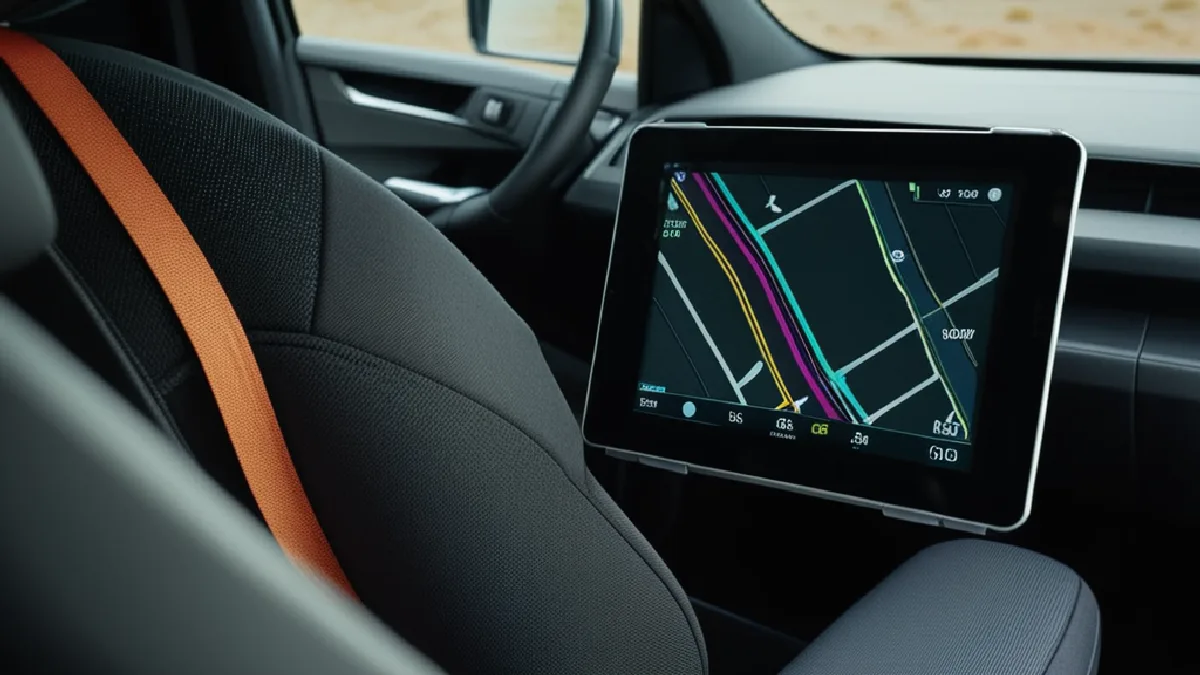
As legal markets expand, weed delivery compliance and marijuana delivery regulations have become central to state licensing programs. State regulatory bodies establish strict cannabis courier licensing guidelines to ensure safe, traceable, and secure transport.
Cannabis courier licensing typically requires operators to utilize GPS tracking, secure locked transport compartments, and strict manifest logging. These regulations aim to prevent diversion into non-legal states where possession arrests remain high.
Marijuana transport laws also mandate manifest documentation for every commercial transfer. Drivers must carry verifiable transport documents indicating the origin, destination, and exact weight of all products being carried.
Compliance with state transport regulations protects delivery services from law enforcement scrutiny during transit. Operators who fail to meet strict transport rules risk severe administrative penalties and potential legal liabilities.
Timeline and Next Steps
As federal agencies update annual crime reporting datasets, industry analysts expect national arrest figures to reflect ongoing state-level legislative changes. Further state legislative sessions may shift law enforcement priorities in additional jurisdictions.
Advocacy groups like NORML continue to monitor enforcement patterns to support policy reform efforts nationwide. Tracking annual arrest concentrations provides vital evidence for lawmakers considering criminal justice reform.
For consumers and legal businesses, remaining informed about evolving local and federal regulations is the best protection against legal risk. Checking local statutes before traveling or operating a courier service is strongly advised.
Is weed delivery legal in Washington DC, Maryland, and Virginia?
Legal status varies across the DMV region. Maryland permits regulated medical and adult-use delivery through licensed dispensaries. In Washington DC, gifting services operate under specific local frameworks, while Virginia has not yet established a commercial adult-use retail delivery framework.
What are the primary rules for cannabis courier licensing?
States that authorize delivery typically require couriers to obtain dedicated commercial licenses. Requirements include background checks, secure vehicle storage, real-time GPS tracking, electronic order manifests, and strict daily inventory limits.
Can you transport legal cannabis across state lines?
No, transporting cannabis across state boundaries remains illegal under federal law, even between two states where cannabis is legal under state law. Interstate transport can result in federal charges.
How do marijuana delivery regulations protect consumers?
Delivery regulations ensure that products are tested, accurately labeled, and age-verified upon delivery. Regulated delivery prevents underage sales and ensures consumers receive lab-tested, safe products from licensed sources.
Why do 60 percent of marijuana arrests occur in just ten states?
Because state laws govern local police action, states that have not decriminalized or legalized cannabis continue to make thousands of possession arrests annually, while legal states have virtually eliminated low-level possession arrests.
Understanding the geographic reality of cannabis enforcement empowers consumers to make safe, informed decisions. Whether you are navigating regional rules in the DMV or following national policy, staying compliant with state and local laws is essential.
Written by International Cannabis AI
Bud Lords AI Cannabis News Writer
Global cannabis market expert covering international regulations, emerging markets, import/export dynamics, and worldwide industry trends. Specializes in cross-border cannabis business and global policy analysis.
Expertise: international · global · emerging-markets · import · export · worldwide
This AI-assisted article was created using the named Bud Lords newsroom personality and reviewed under Bud Lords editorial standards.


Comments