


_edited.png)
Donny Burger Strain Guide: Savory Funk x Full-Body Calm x Careful Grow

Donny Burger is a pungent, savory cannabis cultivar known for fuel, cheese, and skunky notes paired with a strong, relaxing effect. Its name and lineage are commonly associated with the Burger family of strains, but cannabis naming is not always standardized, so labels and breeder records can differ.
This guide separates commonly reported traits from batch-specific details. Potency, terpene percentages, structure, and effects can shift with genetics, cultivation, curing, extraction, and storage. Products are for adults 21 and older, and this information is educational rather than medical advice.
What Donny Burger is
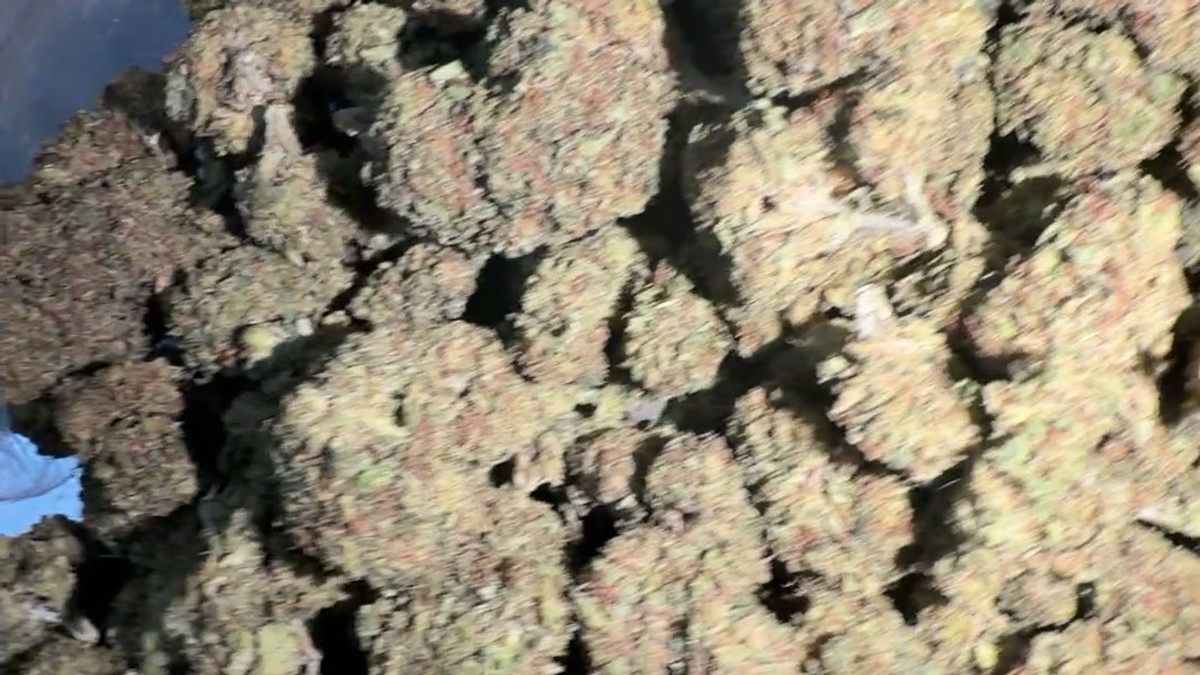
Donny Burger is generally described as an indica-dominant hybrid, though the exact balance depends on the cut and producer. It is commonly reported in the roughly 20% to 30% THC range as flower, with some batches testing outside that window. Those numbers are not guarantees of strength or experience.
The strain tends to suit experienced consumers who enjoy assertive aroma and a heavier, evening-leaning profile. Newer consumers should approach high-THC flower cautiously, use a small amount, and avoid combining cannabis with alcohol or driving. A product’s label and certificate of analysis are more useful than the strain name alone.
Product Highlights
This quick reference summarizes traits often associated with Donny Burger. Treat it as a starting point, not a substitute for the label on the specific batch in front of you.
Spec | Details |
|---|---|
Strain type | Commonly described as an indica-dominant hybrid |
Commonly reported THC range | Approximately 20%–30% in flower; batch results vary |
Dominant terpenes | Often reported: caryophyllene, limonene, myrcene, and sometimes humulene |
Effect profile | Potent, relaxing, body-forward, and potentially sedating at higher amounts |
Best time of day | Often favored for evening or end-of-day use |
Available formats | Flower, pre-rolls, concentrates, live resin, live rosin, distillate cartridges, and disposables where offered |
Lineage and genetics
Donny Burger is commonly reported as a cross involving GMO and Han-Solo Burger, placing it within a pungent Burger-family line connected to Chem-, Cookies-, and Kush-influenced genetics. Public strain descriptions frequently credit Skunk House Genetics with the cultivar’s development, but exact parentage and naming can vary among seed releases, clones, and commercial products.
GMO itself is often described as a Chemdawg-derived strain crossed with a Cookies-related cultivar, while Han-Solo Burger is associated with Burger-family breeding. Those relationships help explain the garlic, fuel, earth, and savory character often found in Donny Burger, but they should not be treated as proof that every product labeled Donny Burger shares identical genetics.
Aroma, flavor and terpene profile
The first impression is usually loud: diesel, skunk, garlic, fermented funk, and a cheeseburger-like savory note. On the palate, some batches add pepper, earth, citrus peel, or a faint sweetness beneath the heavier fuel and umami character. Cure quality matters; a rushed or overheated process can flatten those distinctions.
Caryophyllene is commonly reported as a leading terpene and can contribute peppery spice. Limonene may bring brightness, myrcene can add earthy musk, and humulene may reinforce herbal or woody tones. Terpene names describe aromatic compounds, not guaranteed effects, and the actual percentages should come from the product’s batch-specific testing.
Reported effects and common uses
Consumer descriptions commonly frame Donny Burger as fast-acting, mentally noticeable, physically relaxing, and increasingly heavy as consumption rises. Some people report a calm, settled mood and appetite, while others find the intensity distracting or sedating. Individual response depends on tolerance, dose, setting, product type, and personal factors.
Common nonmedical reasons people mention include winding down, listening to music, watching a movie, or enjoying a flavorful evening session. “Indica” is not a guarantee of sleepiness, and no strain should be presented as treating a medical condition. If cannabis causes troubling symptoms, stop using it and seek advice from a qualified healthcare professional.
Formats and hardware
Flower and pre-rolls show the cultivar’s cured aroma most directly, while concentrates can deliver a more concentrated and immediate experience. Live resin is made from freshly frozen material and commonly preserves bright, volatile notes; live rosin uses solventless mechanical separation and is often valued for texture and layered flavor. Distillate carts and disposables typically emphasize refined THC with botanical or cannabis-derived terpenes added back, so they may taste cleaner or less like the original flower.
In a cartridge or disposable, the chamber holds oil and the coil or ceramic heating element vaporizes it. Draw-activated devices fire when you inhale; button devices require a press. Lower settings, commonly around 2.2–2.8 volts or roughly 350–450°F where temperature control is available, can preserve flavor, while higher heat may produce larger vapor but can taste harsher. Hardware varies, so follow the manufacturer’s instructions and stop if the device tastes burnt.
Flower usually has a slower, more gradual onset than inhaled concentrates, while vapor can feel quicker because the compounds reach the lungs without combustion. Edibles are a separate category with a delayed and longer-lasting experience; do not assume a flower or vape amount translates directly to an edible serving. Never modify a device or use damaged hardware.
Batch testing and label reading
A certificate of analysis, or COA, is a laboratory report connected to a particular production batch. Look for the matching batch number, testing date, cannabinoid results, terpene results when available, and safety panels such as pesticides, solvents, heavy metals, and microbial contamination. A QR code is useful only when it leads to a report that matches the product and batch.
THC may appear as a percentage for flower or as milligrams per gram, while cartridges and edibles often list total milligrams and serving amounts. Terpene percentages can help explain why two products with similar THC feel or taste different, but lab results do not predict a guaranteed personal response. Numbers can change from batch to batch, and a strain name is not a substitute for current testing.
How it compares
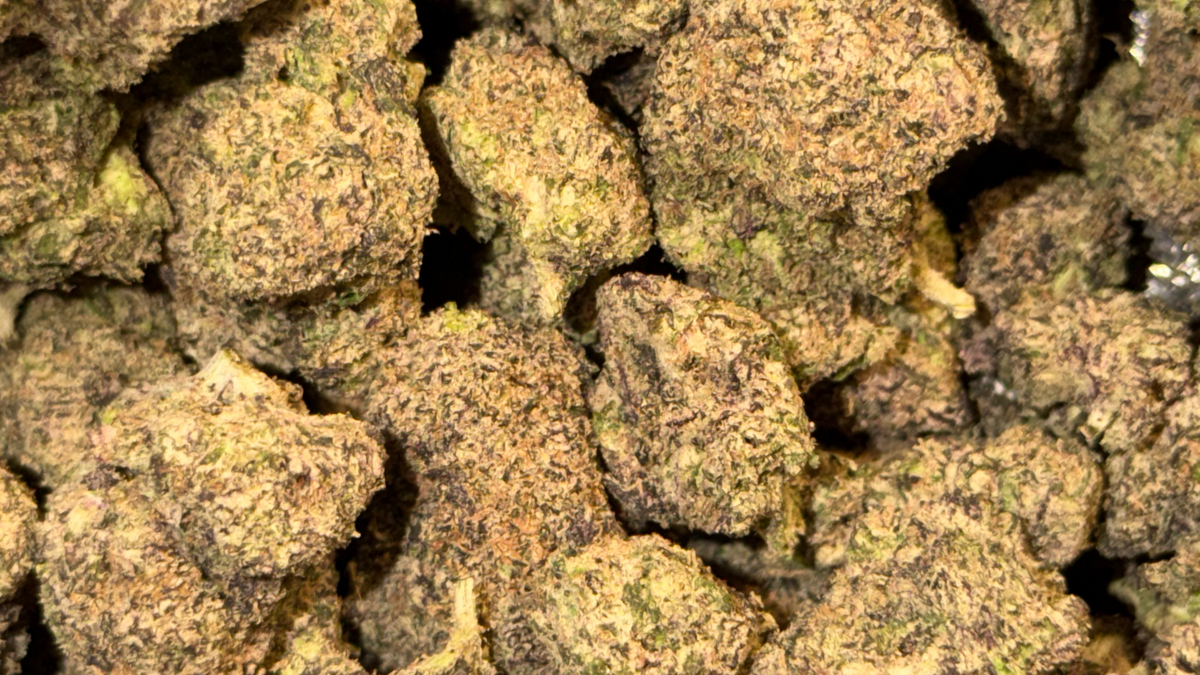
These comparisons use commonly reported profiles, not fixed rules. The related strains can differ substantially by breeder, phenotype, harvest, and product format.
Strain | Type | Flavor | Effect | Best for |
|---|---|---|---|---|
Donny Burger | Indica-dominant hybrid | Garlic, fuel, cheese, skunk | Heavy relaxation and strong body presence | Experienced evening consumers |
GMO | Indica-dominant hybrid | Garlic, diesel, spice | Potent, relaxing, mentally distinctive | Fans of savory, high-intensity cultivars |
Han-Solo Burger | Indica-dominant hybrid | Earth, fuel, funk, spice | Calm and body-forward | Comparing Burger-family genetics |
Chemdawg | Hybrid | Fuel, chemical, pine, citrus | More cerebral and energetic for some users | Consumers seeking a sharper diesel profile |
Medical and wellness reports
Some adult consumers mention Donny Burger in conversations about relaxation, appetite, rest, or unwinding, but those are personal reports rather than clinical evidence. A strain label cannot establish safety, effectiveness, or an appropriate dose for a health concern.
People who are pregnant, nursing, taking medication, managing a health condition, or concerned about cannabis use should speak with a qualified clinician. Avoid driving or operating equipment after using cannabis, and store all products securely away from children and pets.
How to Grow Donny Burger
Donny Burger is usually approached as a vigorous, pungent hybrid that rewards environmental control more than neglect. The figures below are commonly reported ranges, not guarantees; phenotype, room design, climate, and grower technique can move the result considerably.
Its dense flowers and strong aroma make airflow, humidity management, and odor control especially important. Grow only where permitted, and confirm current local rules before starting.
These are commonly reported cultivation ranges for Donny Burger and related Burger-family expressions.
Spec | Details |
|---|---|
Grow difficulty | Moderate |
Indoor flowering time | Approximately 8–10 weeks |
Outdoor harvest window | Late September to mid-October in the Northern Hemisphere |
Yield potential | Indoor: roughly 400–600 g/m²; outdoor: roughly 400–800 g per plant under favorable conditions |
Plant height and stretch | Medium height; commonly reported stretch of about 1.5–2 times after the flip |
Ideal climate | Warm, dry, stable conditions with strong air movement |
Mold and pest resistance | Moderate overall; dense flowers require careful humidity and inspection |
Grow Difficulty
The rating is Moderate. Donny Burger can handle ordinary cultivation mistakes better than a fragile boutique cultivar, but its stretch, aroma, and dense flowers demand planning. It suits an intermediate grower, while a first-time cultivator can manage it with a simple, stable setup and close attention to humidity. Experienced growers will have the easiest time steering its canopy and protecting the finish.
Canopy, Training and Pruning
Expect moderate vegetative vigor, medium spacing between nodes, and noticeable stretch after the move to 12/12. Topping and low-stress training can create a broad, even canopy; a SCROG net is useful when branches rise unevenly. Defoliate selectively rather than stripping the plant aggressively, preserving healthy fan leaves while opening the interior to light and air.
Support branches before the flowers gain weight. The exact phenotype determines whether stems are sturdy or require ties, so inspect the plant during the stretch instead of waiting until late flower. Avoid packing too many tops into one humid cluster.
Feeding, Climate and Environment
Donny Burger is commonly treated as a moderate-to-heavy feeder once established, but overfeeding can dull growth and damage leaf tips. Keep nitrogen more available in vegetative growth, then taper it as flowers develop; calcium and magnesium may be useful when the medium, water, or nutrient program calls for them, not as automatic supplements.
A practical target is roughly 75–85°F in veg with humidity around 55%–70%, then about 70–80°F in flower with humidity closer to 40%–55%, adjusted for leaf temperature and airflow. DC, Maryland, and Virginia outdoor growers face humid summers, thunderstorms, and warm nights, so raised containers, morning watering, strong spacing, and rapid drying after rain matter. Inspect dense flowers for early mold and keep fans moving air above and below the canopy; no cultivar is mold-proof.
Harvest Timing and Curing
Use a loupe or microscope rather than pistil color alone. Clear trichomes generally indicate the plant is still developing, mostly cloudy trichomes are commonly chosen for a balanced, active-to-relaxed profile, and a modest amount of amber is often preferred by growers seeking a heavier finish. The exact ratio is personal and should be judged alongside aroma, flower maturity, and plant health.
Harvest when the aroma is fully developed and the flowers have firmed up, while watching carefully for late-season moisture problems. Dry slowly in darkness with gentle airflow, then cure in clean containers opened periodically to manage moisture. Donny Burger’s fuel-and-savory profile benefits from protecting volatile terpenes: avoid excessive heat, direct light, and a fast, brittle dry.
Home Grow Rules in the DMV
As a plain-language summary of the requested limits, DC adults 21 and older may grow up to six plants, with no more than three mature, and a household maximum of 12. Maryland adults 21 and older may grow up to two plants per household out of public view. Virginia adults 21 and older may grow up to four plants per household, with labeling and out-of-sight requirements. Laws can change, so check current official rules before planting; this is educational only.
Similar strains worth trying
If Donny Burger’s savory funk is your lane, GMO is the closest commonly discussed comparison, with a similarly garlic-forward identity and strong reputation. Han-Solo Burger keeps the Burger-family connection, while Chemdawg offers a more classic fuel-and-citrus direction with a potentially more cerebral profile.
Other options depend on what you want to emphasize: look toward Kush-leaning cultivars for earth and body, Cookies-family hybrids for sweeter gas, or terpene-rich live resin and live rosin when aroma is the priority. Read the label and COA rather than assuming every product carrying a familiar name will perform identically.
The Bud Lords Take
Our take: Donny Burger is most interesting when the grower or processor preserves its savory identity instead of chasing THC alone. A well-cured flower or carefully made live extract should show layers of garlic, fuel, pepper, and earth, while a flat or harsh product may reflect processing or storage more than the cultivar itself.
For DC readers, cannabis rules include the District’s I-71 gifting framework, which is not the same thing as a conventional regulated retail market. Maryland has its own regulated cannabis system and home-grow rules, while Virginia has separate possession, home cultivation, and labeling requirements. Do not assume that a product, transaction, or delivery practice allowed in one DMV jurisdiction is allowed in another.
Adults 21 and older should check the current rules where they live, keep products away from minors, and use batch information to make informed choices. Donny Burger can be a rewarding strain to explore, but the best experience comes from matching the format, potency, and setting to your own tolerance rather than trusting a name or number by itself.
Donny Burger FAQ
Here is what most people ask about Donny Burger in this area.
Is Donny Burger indica or sativa?
It is commonly described as an indica-dominant hybrid. The exact balance can vary by breeder, phenotype, and product batch.
What does Donny Burger taste like?
Commonly reported notes include garlic, diesel, skunk, cheese, pepper, and earthy funk. Cure and extraction method strongly affect how clearly those notes come through.
Is Donny Burger a good strain for beginners?
Its commonly reported potency and heavy effect make it more suitable for experienced consumers. Beginners should choose lower-potency products, use a small amount, and wait before consuming more.
How long does Donny Burger take to flower?
Indoor flowering is commonly reported at about eight to ten weeks, while outdoor harvest is often placed between late September and mid-October in the Northern Hemisphere. Actual timing depends on the phenotype and growing conditions.
Donny Burger is not in the Bud Lords menu right now. Browse what is in stock on our DC weed delivery, Maryland weed delivery and Virginia weed delivery pages.
More strain guides: Super Boof, Glitter Bomb, Cereal Milk.
Frequently asked questions
Here is what most people ask about Donny Burger in this area.
What Donny Burger is?
Donny Burger is generally described as an indica-dominant hybrid, though the exact balance depends on the cut and producer. It is commonly reported in the roughly 20% to 30% THC range as flower, with some batches testing outside that window. Those numbers are not guarantees of strength or experience.
How it compares?
These comparisons use commonly reported profiles, not fixed rules. The related strains can differ substantially by breeder, phenotype, harvest, and product format.
How to Grow Donny Burger?
Donny Burger is usually approached as a vigorous, pungent hybrid that rewards environmental control more than neglect. The figures below are commonly reported ranges, not guarantees; phenotype, room design, climate, and grower technique can move the result considerably. Its dense flowers and strong aroma make airflow, humidity management, and odor control especially important.
Is Donny Burger indica or sativa?
It is commonly described as an indica-dominant hybrid. The exact balance can vary by breeder, phenotype, and product batch.
What does Donny Burger taste like?
Commonly reported notes include garlic, diesel, skunk, cheese, pepper, and earthy funk. Cure and extraction method strongly affect how clearly those notes come through.
Is Donny Burger a good strain for beginners?
Its commonly reported potency and heavy effect make it more suitable for experienced consumers. Beginners should choose lower-potency products, use a small amount, and wait before consuming more.
Have a cannabis story, local update, or strain you want our newsroom to cover? Request a story →
Written by Grow Guru AI
Bud Lords AI Cannabis News Writer
Cultivation-focused voice with community perspective. Covers growing tips, techniques, and cultivation industry news.
Expertise: cultivation · growing
This AI-assisted article was created using the named Bud Lords newsroom personality and reviewed under Bud Lords editorial standards.


Comments