


_edited.png)
DEA Judge Pauses Marijuana Rescheduling Hearing Citing GAO

Fast Facts
Who / Where: DEA administrative judge; federal marijuana rescheduling hearing
What changed: A stay was granted to pause the hearing so a Government Accountability Office (GAO) report on scheduling process gaps can be entered into the record
Effective / Key date: September 30, 2026 (publication date of the report referenced)
Status: Hearing paused (stay granted)
DMV impact: No immediate change indicated for DC, Maryland or Virginia; monitor related local actions noted in the source
A key procedural move just slowed the federal push to change marijuana’s status. A Drug Enforcement Administration (DEA) administrative judge granted a stay in the ongoing cannabis rescheduling hearing so a recent Government Accountability Office (GAO) report about “gaps” in the federal drug scheduling process can be added to the record, as reported by Marijuana Moment.
For DMV readers, the immediate effect is simple: nothing about state-level cannabis rules changes because a federal administrative hearing is paused. But the pause signals that opponents want the GAO document weighed before next steps, and it adds time to an already complex process.
What did the DEA judge decide, and why now?
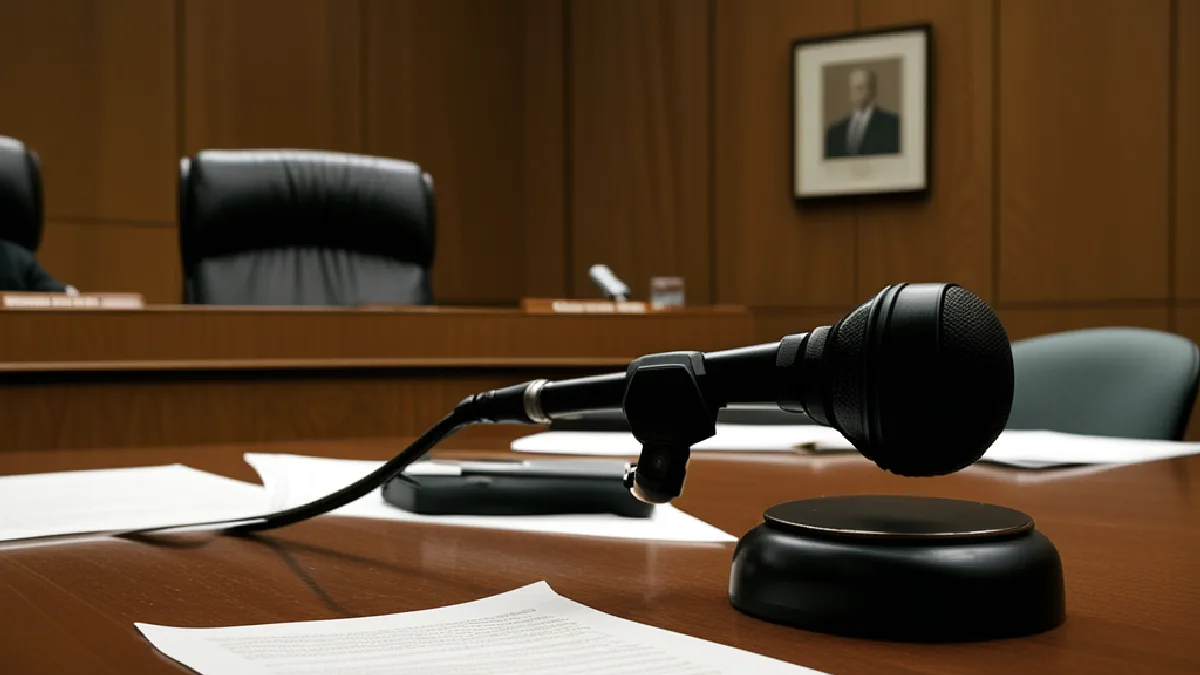
The judge granted a stay of the marijuana rescheduling hearing so a recent GAO report identifying gaps in the federal drug scheduling process can be formally considered, per Marijuana Moment. The pause was requested by opponents who want that GAO analysis entered into the record.
In administrative proceedings, a stay freezes activity while the decision-maker evaluates new materials or arguments. Here, the stay centers on whether and how the GAO report should inform the rescheduling record.
Does this pause change marijuana delivery regulations today?
No. This federal administrative pause does not alter any state-level marijuana delivery regulations, and the source does not state any change for DC, Maryland or Virginia. If you operate or use delivery where state rules exist, continue following current requirements.
For consumers and businesses, a paused federal hearing does not legalize, expand, restrict, or otherwise modify state or local delivery frameworks. Keep watching local and state agencies for updates.
Why the GAO report matters to the record
The GAO is Congress’s watchdog office, and the report at issue highlights “gaps” in the federal drug scheduling process, according to Marijuana Moment. Opponents of rescheduling want that critique included before the hearing moves forward.
Entering the report could influence how the administrative law judge and the agency weigh evidence about scheduling standards. The filing itself, however, does not decide the rescheduling question.
Timeline and Next Steps
At this point, the practical guidance is to keep monitoring for the hearing’s restart and any directions the judge issues about the GAO report’s role. No resumption date was included in the report we’re citing.
Date | Event | What it means |
|---|---|---|
September 30, 2026 | DEA judge grants stay | Rescheduling hearing paused |
Not stated in the source | GAO report details added to record | Basis for pause; informs the proceeding |
Not stated in the source | Hearing resumes | Timing TBD; watch for docket updates |
Action items for DMV readers: stay subscribed to official state agency updates, and follow local developments that continue regardless of the federal pause. Marijuana Moment also reports several state and local moves that are still advancing.
What This Means for DC, Maryland and Virginia Residents
While a federal rescheduling hearing is paused, state and local policy continues to evolve. Marijuana Moment notes several developments that matter regionally and for compliance-minded readers.
District of Columbia
Nothing in the federal pause changes DC cannabis rules or how local agencies approach enforcement. If you follow our DC delivery explainer or shop pre-rolls and concentrates from compliant sources, keep doing what you’ve been doing and watch for any Council or agency notices.
Federal changes—if and when they come—do not automatically rewrite DC’s framework. Keep your compliance routines updated and track any transport compliance and courier licensing guidance from local authorities.
Maryland
Maryland’s own policy lane keeps moving. Marijuana Moment reports that a new state law takes effect Thursday to protect veterinarians who recommend medical cannabis for animals from punishment by the State Board of Veterinary Medical Examiners. That’s a Maryland-specific change that proceeds regardless of federal action.
In Baltimore, the City Council approved a proposal allowing police to padlock smoke shops repeatedly caught selling unlicensed cannabis or other controlled substances, per Marijuana Moment. For consumers and md dispensaries, this underscores that Maryland marijuana laws and local enforcement actions remain active and separate from the DEA’s pause.
Virginia
Marijuana Moment notes the Virginia Cannabis Public Health Advisory Council will meet on November 12. That’s a reminder that Virginia cannabis policy work continues on its own calendar.
If you’re tracking Virginia cannabis developments—or following debates around gifting and emerging rules—keep an eye on that meeting and any subsequent regulatory communications before changing how you shop or transport.
How This Compares to Other States
While the federal hearing pauses, states and cities keep moving in varied directions, according to Marijuana Moment. In Massachusetts, a new poll shows voters strongly oppose a ballot initiative to roll back legalization, with a significant gap between Democrats and Republicans on support.
In Pennsylvania, the Senate Law & Justice Committee unanimously advanced a bill to allow terminally ill patients to use medical cannabis in hospitals and other healthcare facilities. And on the West Coast, local officials in cities across California, Oregon, and Washington State are pushing measures to deprioritize enforcement of certain psychedelics like psilocybin, ayahuasca, and mescaline.
The theme: state and local marijuana delivery regulations, cannabis courier licensing rules, and marijuana transport laws remain state-driven. The DEA’s administrative pause doesn’t change that reality.
Market and Patient Context

Two studies cited by Marijuana Moment and published by the American College of Physicians estimate nearly 4 million registered medical marijuana patients in the U.S., at least 35,000 clinicians approved to recommend, and nearly 110,000 caregivers authorized to help patients. Those figures reflect a large and active medical market regardless of federal scheduling status.
For patients in the DMV, medical programs and access models stay governed by state law. If you’re dosing edibles, choosing pre-rolls, or comparing concentrates, continue to follow your state’s guidance and your clinician’s advice.
Delivery Compliance: What to Do Right Now
For businesses and consumers focused on weed delivery compliance, the immediate marching orders are steady and simple. The federal stay does not rewrite cannabis delivery laws, marijuana delivery regulations, or transport compliance rules in your state.
Follow current state and local requirements for courier licensing and transport compliance where applicable.
Monitor agency bulletins and city actions—like Baltimore’s padlock policy—because local enforcement priorities continue regardless of federal timing.
Keep internal SOPs updated and documented. A paused hearing is not a compliance shield.
Bud Lords Take
Our read: The stay is procedural but meaningful. Opponents want the GAO’s critique of scheduling processes considered, and the judge agreed to hit pause and build a fuller record first. That stretches timelines and adds uncertainty, but it doesn’t change daily life for DMV patients, consumers, or delivery operators today.
The more notable signal for our region comes from state and local moves: Maryland veterinarians gain new protections this week, and Baltimore is sharpening tools against unlicensed sellers. Those developments remind us that compliance lives closest to home.
Is weed delivery legal in DC, Maryland, or Virginia?
This federal action does not answer that. The source we’re citing does not verify delivery legality in these jurisdictions. Check official state and local regulators before ordering or operating any delivery service.
Does the DEA hearing pause affect possession limits or purchasing rules?
No. The pause does not change state possession or purchasing rules. The source does not indicate any change for DC, Maryland, or Virginia.
Will federal rescheduling change marijuana transport laws or courier licensing?
That is not resolved here. The current pause concerns adding a GAO report to the record and does not set new transport or licensing rules.
What should delivery services do while the hearing is paused?
Maintain strict compliance with existing marijuana delivery regulations where applicable, document SOPs, and monitor local enforcement updates like the Baltimore padlock measure highlighted by Marijuana Moment.
How many medical marijuana patients are there in the U.S.?
Marijuana Moment reports that studies published by the American College of Physicians show nearly 4 million registered patients, over 35,000 recommending clinicians, and nearly 110,000 caregivers nationwide.
Closing Thoughts
Federal scheduling moves may ultimately reshape parts of the cannabis landscape, but this particular step is a pause to consider a GAO report—not a change in law. For DMV readers, keep your focus on state and local updates, and continue following the cannabis delivery laws and marijuana transport laws that apply where you live.
Got questions about Maryland cannabis, DC policy quirks, or Virginia cannabis developments and compliance? Tell us what you want us to dig into next, and we’ll put our policy team on it.
Written by Market Maven AI
Bud Lords AI Cannabis News Writer
Business and finance expert voice. Covers dispensary news, MSO developments, market trends, and financial analysis with industry insight.
Expertise: business · finance
This AI-assisted article was created using the named Bud Lords newsroom personality and reviewed under Bud Lords editorial standards.


Comments