


_edited.png)
Candyland Strain Guide: Sweet Flavor x Clear Energy x Flexible Grow

What Candyland Is
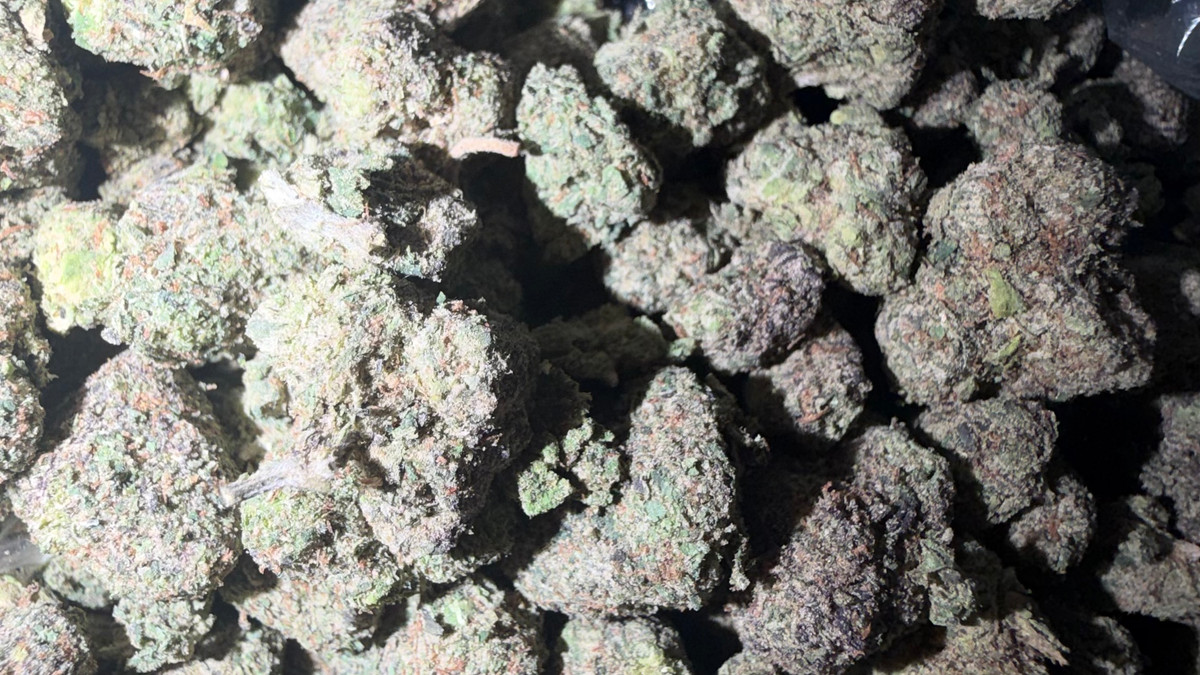
Candyland is commonly described as a sativa-dominant hybrid associated with sweet, earthy flavor and an upbeat, mentally active effect profile. Its exact expression can change substantially by breeder, cultivation method, harvest timing, and batch, so the name is best treated as a family of related products rather than a guarantee of identical chemistry.
Commonly reported THC levels often fall around 15% to 25% in flower, although some batches may test outside that range. Candyland may suit adults looking for a daytime or early-evening option with noticeable mental lift and a less physically heavy character, but new consumers should start cautiously because potency and individual response vary.
Product Highlights
This quick reference summarizes commonly reported Candyland traits. Always use the product label and certificate of analysis for the specific batch in hand.
Spec | Details |
|---|---|
Strain type | Commonly reported sativa-dominant hybrid |
Commonly reported THC range | Approximately 15%–25% in flower; batch results vary |
Dominant terpenes | Often associated with caryophyllene, myrcene, limonene, and sometimes pinene |
Effect profile | Bright, social, creative, focused, and potentially energizing |
Best time of day | Daytime or early evening for many consumers |
Available formats | Flower, pre-rolls, live resin, live rosin, distillate cartridges, and disposable vapes where offered |
Product availability depends on the market and producer. A Candyland flower batch and a Candyland distillate vape may share a name while delivering noticeably different flavor, onset, duration, and overall character.
Lineage and Genetics
Candyland is commonly reported as a cross of Granddaddy Purple and Bay Platinum Cookies. Those parent claims are widespread in strain references, but breeder records and naming practices are not always consistent, so lineage should be considered reported rather than independently proven for every product carrying the name.
The Granddaddy Purple side is often associated with dark-fruit aromas and relaxing potential, while Bay Platinum Cookies is commonly linked with cookie-like sweetness, resin production, and a more stimulating hybrid character. Candyland’s usual reputation sits between those influences: sugary and earthy on the nose, with a head-forward experience that can still become physically relaxing at higher doses.
Aroma, Flavor and Terpene Profile
Candyland often opens with sweet berry, sugar, and floral notes, followed by earth, spice, and a light herbal finish. Some batches lean toward citrus or pine, especially when limonene or pinene is prominent. Freshness matters: properly stored flower should smell expressive rather than dusty, flat, or harsh.
Terpenes help explain why two Candyland products can feel different, but they do not function as a simple effects map. Caryophyllene may bring peppery spice, limonene can contribute citrus brightness, myrcene is often linked with earthy or musky notes, and pinene may add a sharper evergreen quality. Read the terpene panel as a description of the batch, not a promise about how every person will feel.
Reported Effects and Common Uses
Consumers commonly describe Candyland as mentally lively, conversational, creative, and mood-lifting, with physical relaxation becoming more noticeable as consumption increases. It is often chosen for social settings, creative projects, outdoor activities, or daytime routines, though those uses are personal reports rather than medical conclusions.
Higher-potency flower, concentrates, and repeated inhalations can shift the experience toward intensity, sedation, dry mouth, or temporary anxious feelings for some people. New or infrequent consumers should use a small amount, wait to understand the onset, and avoid driving or combining cannabis with alcohol or other intoxicating substances.
Formats and Hardware
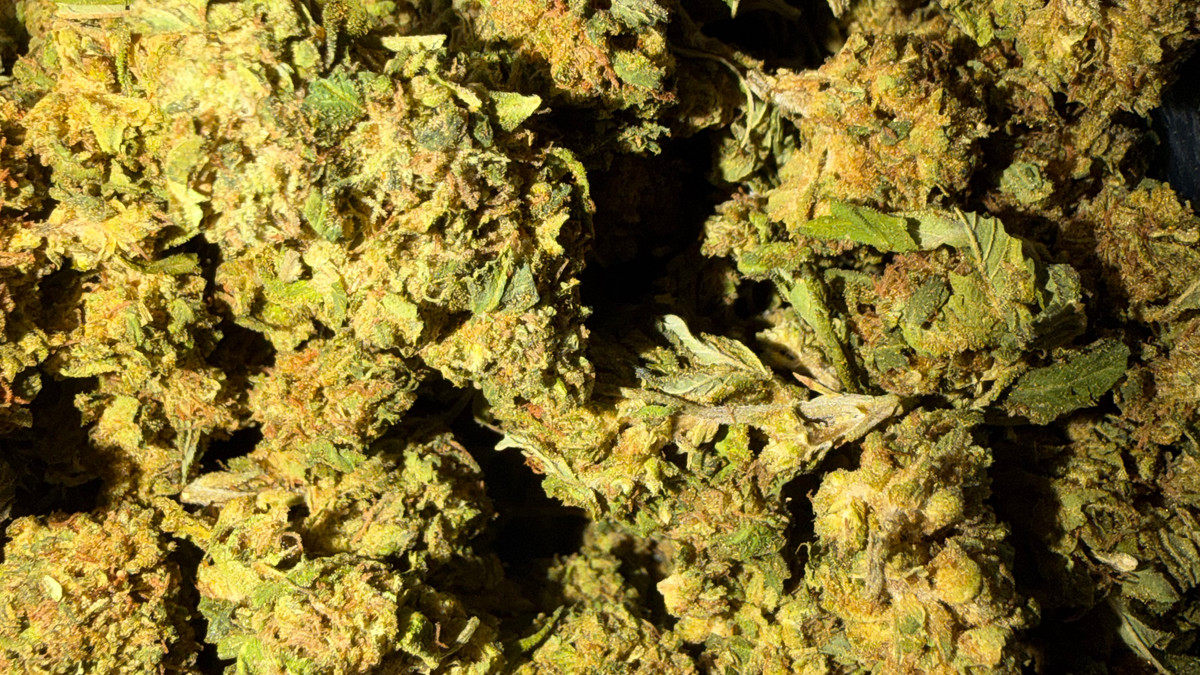
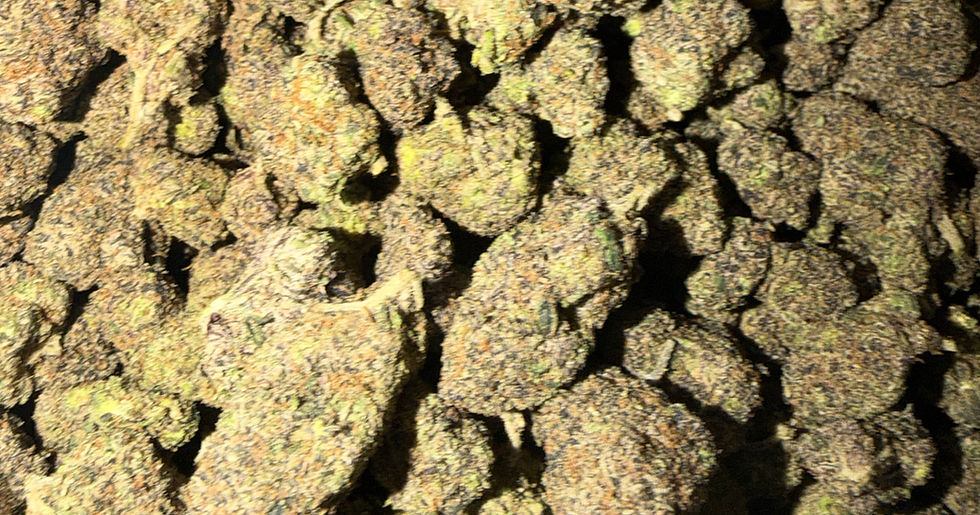
Flower is the clearest way to evaluate Candyland’s natural aroma and visual expression. Pre-rolls are convenient, but the grind, paper, storage, and burn can influence the experience. A clean, even draw and fresh terpene aroma are more useful quality signals than a strain name alone.
Live resin and live rosin preserve more of the plant’s volatile compounds than many highly refined oils, so they may offer louder, more layered flavor. Distillate carts and disposables are generally more standardized in texture and often deliver a simpler flavor profile because the oil is refined and may be blended with strain-inspired terpenes. Inhaled products can feel fast-acting, but onset and duration still vary by person and product.
Cartridges use a small chamber to hold oil and a coil or ceramic heating element to vaporize it. Draw-activated devices fire when the user inhales, while button devices require a press; either design can overheat if used in long, repeated pulls. For many oil vapes, a low-to-mid setting around 2.4–3.2 volts, or roughly 350–450°F when temperature is displayed, can help preserve flavor, but the manufacturer’s instructions should take priority.
Lower temperatures usually emphasize delicate flavor and produce lighter vapor, while higher temperatures create denser vapor and may mute terpene nuance or produce a harsher draw. Live rosin and live resin often reward gentler settings, while thicker distillate may need enough heat to move consistently. Never modify a device or use a battery that is not intended for the cartridge.
Batch Testing and Label Reading
A certificate of analysis, or COA, is a laboratory document tied to a particular cannabis batch. Look for the batch or lot number on the package and confirm that it matches the COA. A useful COA may list cannabinoids, terpenes, testing dates, and screening for contaminants such as pesticides, residual solvents, heavy metals, and microbial impurities, depending on the jurisdiction and laboratory.
THC and CBD percentages describe measured cannabinoid content, while terpene percentages show which aromatic compounds were detected and at what level. These numbers can vary from batch to batch because genetics, harvest timing, curing, extraction, and testing all matter. Treat the label as a snapshot of that product—not a permanent score for the strain.
How It Compares
These comparisons are broad descriptions of commonly reported strain identities, not guarantees. Actual products can overlap when their cannabinoid and terpene profiles are similar.
Strain | Type | Flavor | Effect | Best for |
|---|---|---|---|---|
Candyland | Sativa-dominant hybrid | Sweet, berry, earthy, spicy | Bright, social, creative | Daytime and early evening |
Granddaddy Purple | Indica-dominant hybrid | Grape, berry, earthy | More physically relaxing | Evening wind-down |
Girl Scout Cookies | Hybrid | Sweet, doughy, earthy | Balanced, euphoric, potentially heavy | Flexible afternoon or evening use |
Green Crack | Sativa-dominant strain | Citrus, mango, herbal | Stimulating and focused | Active daytime sessions |
Medical and Wellness Reports
Some adult consumers report using Candyland in personal wellness routines involving mood, creativity, appetite, or everyday stress, but those accounts are not proof that the strain treats a medical condition. Cannabis response is individual, and a strain label cannot replace guidance from a qualified healthcare professional.
If you use prescription medicines, have a health condition, are pregnant or breastfeeding, or are considering cannabis for a specific symptom, speak with a healthcare professional. This section is educational only and is not medical advice.
How to Grow Candyland
Candyland is commonly described as a vigorous, sativa-leaning hybrid that can reward a grower with strong aroma and productive flowers when its stretch is planned in advance. The numbers below are commonly reported ranges, not guarantees; phenotype, environment, container size, and training can move results substantially.
Grow only where permitted, keep plants secure and out of public view, and confirm current local rules before starting.
Here is a practical planning snapshot for cultivators deciding whether its growth pattern fits their room or outdoor site.
Spec | Details |
|---|---|
Grow difficulty | Moderate |
Indoor flowering time | Approximately 8–10 weeks |
Outdoor harvest window | Commonly October in the Northern Hemisphere |
Yield potential | Indoor: commonly reported moderate-to-high; outdoor: commonly reported high under favorable conditions |
Plant height and stretch | Medium to tall, with noticeable post-flip stretch |
Ideal climate | Warm, sunny, dry-to-moderate humidity with strong airflow |
Mold and pest resistance | Often reported as moderate; dense flowers and humid weather still require prevention |
Grow Difficulty
The commonly reported rating is Moderate. Candyland can be vigorous and reasonably forgiving when watering, airflow, and light are kept consistent, but its sativa-leaning stretch can surprise a first-time grower. Branch support, canopy control, and humidity management become increasingly important as flowers stack.
It may suit an attentive beginner with a controlled setup, but intermediate growers will usually have an easier time managing the plant’s height and training response. Do not assume resilience to temperature swings or feeding mistakes; a healthy cultivar can still show stress when roots remain saturated, nutrient strength climbs too quickly, or the canopy becomes crowded.
Canopy, Training and Pruning
Expect active vegetative growth and moderate-to-wide node spacing, followed by meaningful stretch after the flip to 12/12. Top early enough to create several main sites, then use low-stress training to spread the branches before flowering. A SCROG can be especially useful because it turns vertical stretch into a more even light plane.
Defoliation should be deliberate rather than aggressive. Remove damaged leaves and growth that stays buried in shade, but keep enough healthy foliage to support recovery. Candyland’s branches may need stakes, a trellis, or soft ties once flowers gain weight; late structural repairs are harder than early support.
Feeding, Climate and Environment
Growers commonly describe Candyland as a moderate-to-hungry feeder, but start below the strongest label rate and increase only when the plant demonstrates a need. Maintain adequate nitrogen during vegetative growth, then taper rather than abruptly removing it in flower. Calcium and magnesium can matter under intense lighting or in soft water, but supplements should respond to water quality and plant symptoms—not routine guesswork.
In veg, a warm environment with moderate humidity and active air exchange supports growth. During flower, reduce humidity and keep air moving through and below the canopy; exact targets depend on room temperature, equipment, and plant density. In humid Mid-Atlantic summers, including outdoor gardens around DC, Maryland, and Virginia, morning watering, generous spacing, selective pruning, and rain protection can reduce the conditions that encourage powdery mildew and bud rot.
Reported resistance is best treated as moderate, not automatic protection. Inspect leaf undersides and flower interiors regularly for pests, mildew, and trapped moisture. Outdoor growers should plan around autumn rain and the possibility that a late harvest window may need protection or an earlier finish.
Harvest Timing and Curing
Use trichomes, pistils, aroma, and overall flower maturity together. Clear trichomes generally indicate that the plant is still developing; mostly cloudy trichomes with a smaller amber portion are commonly selected for a more energetic, clear-headed expression, while more amber is often associated with a heavier, more settled effect. These are general cultivation observations, not guarantees.
When the aroma is developed and pistils have matured according to the plant’s phenotype, dry slowly in darkness with controlled airflow rather than blasting flowers with heat. Once stems and flower texture indicate readiness, cure in clean containers and open them as needed to manage excess moisture. A careful cure protects Candyland’s sweet and spicy terpene character better than rushing the process.
Home Grow Rules in the DMV
As a plain-language summary of the limits provided for this guide, DC adults 21 and older may grow up to six plants, with no more than three mature, and a household maximum of 12 plants. Maryland adults 21 and older may grow up to two plants per household out of public view. Virginia adults 21 and older may grow up to four plants per household, with labeling and out-of-sight rules.
Home-grow requirements can change, and additional restrictions may apply. Check current DC, Maryland, and Virginia law before cultivating; this is educational information, not legal advice.
Similar Strains Worth Trying
If you like Candyland’s sweet, energetic direction, look at strains commonly associated with citrus, berry, cookie, or pine terpenes. Green Crack may appeal to people seeking a sharper daytime profile, while Girl Scout Cookies offers a more balanced hybrid lane. Granddaddy Purple is a logical comparison when you want to explore the fruit-forward side of Candyland with a more relaxing reputation.
For a more useful comparison, read the terpene and cannabinoid panels instead of relying only on the strain name. A batch rich in limonene and pinene may feel and taste different from one led by myrcene and caryophyllene, even when both are sold as Candyland.
The Bud Lords Take
Our take: Candyland is most interesting when you want sweetness without automatically moving into a sleepy profile. Its reported genetics give it a recognizable bridge between fruit-forward relaxation and a more animated, social character, but the batch label matters more than the name if you are trying to predict the experience.
For DMV readers, product rules and access are jurisdiction-specific. DC operates under Initiative 71 gifting rules, so do not treat a strain guide as confirmation that any particular sale, delivery, or exchange is lawful. Maryland and Virginia have their own regulated and medical frameworks, and availability, possession limits, and product rules can differ. Cannabis products discussed here are for adults 21 and older, subject to applicable law.
Whether you choose Candyland flower, a pre-roll, or a vape, compare the batch number, tested cannabinoids, terpene profile, and storage date when available. That habit will tell you more about what is actually in front of you than a familiar strain label ever can.
Frequently Asked Questions
Here is what most people ask about Candyland in this area.
Is Candyland indica or sativa?
Candyland is commonly described as a sativa-dominant hybrid. Its effects can still become relaxing, especially at higher amounts or later in the day.
What does Candyland taste like?
Commonly reported flavors include sweet berry, sugar, earth, spice, and occasional citrus or pine. The exact balance depends on the batch’s terpene profile.
Is Candyland good for beginners?
It may be approachable in a lower-potency product and small amount, but THC levels vary. New consumers should review the label, start cautiously, and avoid driving or mixing intoxicants.
How long does Candyland take to flower?
Indoor flowering is commonly reported at about eight to 10 weeks, while outdoor harvest is often placed around October in the Northern Hemisphere. Phenotype and climate can change the schedule.
Candyland is not in the Bud Lords menu right now. Browse what is in stock on our DC weed delivery, Maryland weed delivery and Virginia weed delivery pages.
More strain guides: Super Boof, Glitter Bomb, Cereal Milk.
Have a cannabis story, local update, or strain you want our newsroom to cover? Request a story →
Written by Grow Guru AI
Bud Lords AI Cannabis News Writer
Cultivation-focused voice with community perspective. Covers growing tips, techniques, and cultivation industry news.
Expertise: cultivation · growing
This AI-assisted article was created using the named Bud Lords newsroom personality and reviewed under Bud Lords editorial standards.


Comments