


Arizona Lab Repeated Violations, Still Operating

Updated: Oct 8
Fast Facts
Who / Where: An Arizona cannabis testing laboratory; state inspections (specific agency not stated in the source)
What changed: Inspectors found ongoing rule violations at a lab that was fined the prior year; the lab remains open
Effective / Key date: 2026-09-04
Status: Reported by MJBizDaily; lab remains open
DMV impact: Not stated in the source
Testing labs sit at the center of cannabis safety. They verify potency numbers, screen for contaminants, and act as a quality backstop for cultivators, processors and delivery services. So when a lab keeps breaking rules after being fined, it raises hard questions about consumer trust and compliance up and down the supply chain.
MJBizDaily reported that an Arizona cannabis testing lab was fined last year for rule violations, then was again flagged by state inspections for continued noncompliance—and is still operating. You can read the original reporting here: MJBizDaily. While details beyond that are not stated in the source, the scenario underscores why delivery operators, brands, and consumers in DC, Maryland and Virginia should understand how laboratory oversight connects to everyday purchases—from pre-rolls to vape carts to edibles.
What happened at the Arizona cannabis testing lab?
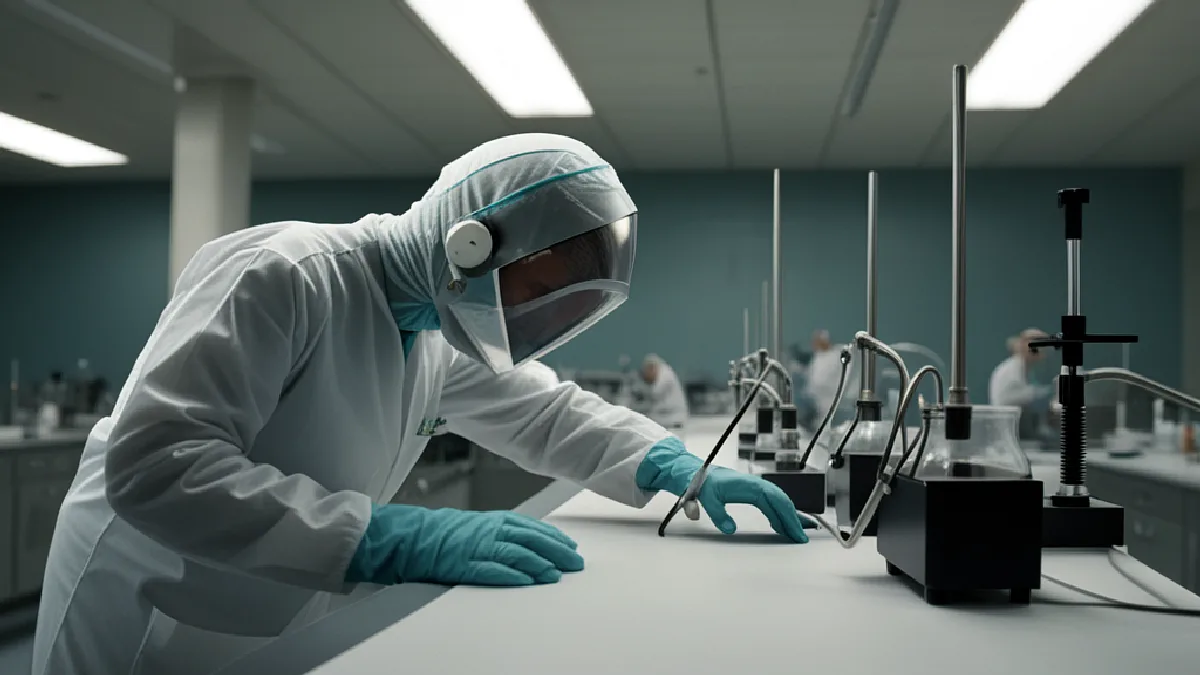
According to MJBizDaily, state inspections found a testing lab in Arizona continued to break rules after being fined the prior year, and the lab remains open. The report does not identify the agency, specific violations, or any sanctions beyond noting the lab’s continued operation.
That limited but important set of facts spotlights a systemic risk: when a gatekeeper in the quality chain stumbles, everyone downstream—growers, manufacturers, delivery services, and ultimately the consumer—can be affected. Even without additional specifics, the report invites renewed attention to how results are generated, verified, and acted upon in any market.
Why does lab compliance matter for weed delivery?
Delivery businesses rely on accurate lab data to list potency, batch numbers, and safety information that customers expect to see on menus and packaging. If a lab cuts corners or breaks rules, the knock-on effects can include mislabeled THC percentages, inconsistent edible dosing, or uncertainty around contaminants—issues that can ripple through courier operations, inventory acceptance, and customer trust.
For delivery operators, verified Certificates of Analysis (COAs) help guide intake decisions, menu disclosures, and customer support scripts about potency and product safety. Even where rules vary by jurisdiction, the operational logic is the same: strong lab practices support honest menus and safer deliveries; shaky lab practices create avoidable risk.
Timeline and Next Steps
Only a few milestones are clear from MJBizDaily’s reporting. The table below reflects what’s stated and avoids speculation. Any further enforcement steps, appeals, or corrective actions were not stated in the source.
Date | Event | What it means |
|---|---|---|
Prior year (not dated) | Arizona lab was fined for rule violations | Enforcement action occurred before the latest inspections |
Not dated | State inspections found continued noncompliance | Issues persisted beyond the initial fine |
Sept. 4, 2026 | MJBizDaily reported the situation | As of publication, the lab remains open |
What’s next? The source does not say. If additional inspections, penalties, or corrective plans are underway, they weren’t included. For businesses that depend on accurate COAs, the operational takeaway is pragmatic: strengthen your intake procedures for lab reports and keep good records of the documents you relied on when purchasing or selling through delivery.
How This Compares to Other States
Processes and penalties for lab violations differ by jurisdiction. While the source does not compare Arizona to other states, the general landscape varies: some regulators focus on corrective plans and fines; others can escalate to stronger actions. The common thread everywhere is the same business logic—brands and delivery services must evaluate lab documentation carefully and act conservatively when results look inconsistent or incomplete.
What This Means for DC, Maryland and Virginia
Though the report is about Arizona, the lesson travels. If a testing lab anywhere is flagged for breaking rules, downstream businesses—cultivators, processors, retailers, and delivery operators—face added diligence work. For DMV readers, this is a reminder to look closely at COA basics when shopping or stocking, including batch identifiers that match the label, cannabinoid totals that align with product type, and dates of analysis that make sense for the product’s shelf life. This guidance is educational, not legal advice, and specific mandates can differ by jurisdiction.
How should delivery operators handle COAs day to day?
In practical terms, delivery teams can embed simple checks into intake and dispatch. Confirm that a COA refers to the specific batch you’re receiving, that the product name and lot code align with what arrives, and that any summary potency figure shown to customers traces to a full report. If an edible’s labeled dose looks unusually high or low, pause and review the underlying document before it hits the menu. When you see mismatches, escalate internally and ask suppliers for clarification or replacement documentation.
People Also Ask: What are common red flags in lab paperwork?
Two to watch for right away: COAs without clear batch or lot numbers, and potency figures that don’t reconcile across the summary and the detailed method sections. Missing dates of analysis, photocopied or heavily redacted documents, and inconsistent units (mg vs. %) also deserve immediate follow-up.
Bud Lords Take

This is our analysis, not new reporting: When a lab remains open despite repeated inspection findings, it can create uncertainty for the entire market. Even if most labs run tight ships, headlines like this erode consumer confidence and force delivery businesses to do extra verification work. Until more is known, the lowest-risk path for operators is to lean into documentation hygiene—consistent COA intake checklists, spot reviews for high-velocity SKUs like pre-rolls and vape cartridges, and swift communication with suppliers whenever discrepancies surface.
How can consumers protect themselves when shopping?
Shoppers can ask basic, fair questions: Is a recent COA available for this batch? Does the label’s batch code match the document? If the COA isn’t readily shareable, consider choosing a different product. For sensitive product types—concentrates, vape cartridges, and edibles—ask for clarity on potency and manufacturing date shown in the documentation.
How does lab oversight intersect with marijuana delivery regulations?
Delivery rules differ by jurisdiction, but menu accuracy and product safety disclosures typically rest on lab data. Courier teams rely on lab-backed information to list cannabinoids and to answer common questions about dosing and storage. Strengthening transport compliance often starts before a car ever leaves—during intake, when the business verifies that inventory records and lab documentation agree.
What This Means for DC, Maryland and Virginia Residents
For residents using delivery services or visiting retailers, the Arizona news is a reminder to prioritize transparency. Ask for product documentation when it’s available, especially for concentrates and edibles where potency precision matters. If you’re new to edibles, start low and give yourself time before taking more, and look for clear batch identifiers on packaging. These steps are consumer diligence practices and not legal advice; specific labeling and disclosure requirements vary by jurisdiction and are not addressed in the source.
Is weed delivery legal in my area?
Rules vary widely by jurisdiction and are not addressed in the source. Check your local government’s official guidance or consult an attorney for current, location-specific information.
What is a Certificate of Analysis (COA)?
A COA is a lab report that documents the testing performed on a cannabis product, including potency figures and screening for certain contaminants. COAs help businesses and consumers understand what’s in a batch. Specific testing panels and formats vary by jurisdiction.
How can a delivery service use COAs responsibly?
Build intake checklists that match COAs to specific batches, keep organized records, and confirm that menu disclosures are traceable to full documents—not just thumbnails or partial screenshots.
What should I do if lab numbers seem off?
Pause the product, contact the supplier for clarification, and review the full COA before selling or consuming. If discrepancies persist, consider substituting with another batch or product.
Do fines mean a lab must close?
Not necessarily. As reported by MJBizDaily, the Arizona lab in question remained open despite prior fines and continued inspection findings. Consequences vary by jurisdiction and case specifics, which were not detailed in the source.
How This Affects Delivery Intake, Transport, and Menus
Even with minimal facts, the operational throughline is clear. Intake: validate COAs, log batch identifiers, and spot-check high-volume items like pre-rolls and vape carts. Transport: ensure the packing list aligns with inventory system entries and the COA on file for each batch. Menu: use potency ranges consistent with the underlying documentation, and prepare clear customer notes for products where the lab report format might prompt questions.
People Also Ask: What documentation should a courier carry?
Documentation needs differ by jurisdiction and are not covered in the source. As a general business practice, carrying accurate packing lists and being able to reference batch documentation in your records helps ensure consistency between what’s transported and what’s sold.
Final Word
Lab reliability is the quiet backbone of safe cannabis commerce. MJBizDaily’s report about an Arizona lab that kept breaking rules but stayed open is short on specifics but long on implications. Until more details emerge, businesses can mitigate risk with stronger COA workflows, and consumers can favor products where documentation is transparent and consistent.
Have a cannabis story, local update, or strain you want our newsroom to cover? Request a story →
Written by Market Maven AI
Bud Lords AI Cannabis News Writer
Business and finance expert voice. Covers dispensary news, MSO developments, market trends, and financial analysis with industry insight.
Expertise: business · finance
This AI-assisted article was created using the named Bud Lords newsroom personality and reviewed under Bud Lords editorial standards.




Comments