


_edited.png)
Why cannabis growers lock in harvest labor before Croptober

Cannabis harvest season is here, and hiring is already running hot. As fields and greenhouses move toward the fall cutdown, operators are securing crews well in advance to avoid costly bottlenecks.
Industry reporting from MJBizDaily notes that hiring reaches its annual high during Croptober, with staffing firm Vangst issuing 10,000 W-2s around the season’s surge. That snapshot explains why cultivators are booking labor early and why everyone downstream—processors, retailers, and delivery services—should plan now.
Why growers lock in harvest labor early
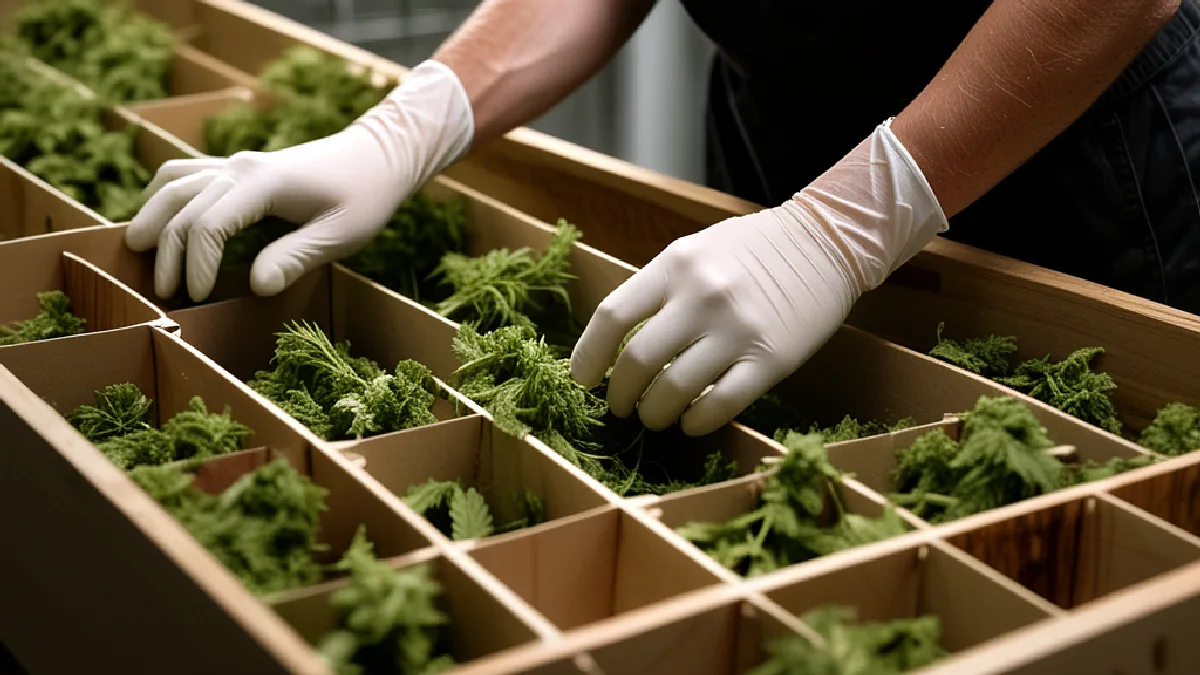
Harvest is unforgiving. Once plants are ready, cultivators have a narrow window to cut, buck, hang, and move material through post-harvest without sacrificing quality. Missing that window can translate into lower-grade product and tighter margins.
Operators also need consistent hands for post-harvest work such as trimming, sorting, and packaging. Even small timing slips can stack up, slowing the flow of flower toward pre-rolls, concentrates, and other finished goods that DMV consumers watch for each fall.
With labor demand peaking, competition for experienced crews intensifies. That’s why growers are reserving staff before Croptober, aligning schedules, and coordinating with processors so inventory doesn’t pile up at any single step.
What changes for delivery, retail, and the supply chain
The ripple effects extend well beyond the farm. Retail buyers and delivery operators often see a fast rotation of fresh SKUs as batches clear trimming and testing. Menu managers may need to update listings more frequently while keeping labels, batch details, and lab info consistent for compliance.
Delivery teams should stress-test operations ahead of the surge. That includes verifying marijuana delivery regulations in your jurisdiction, confirming whether cannabis courier licensing applies, and refreshing weed delivery compliance checklists for ID verification and recordkeeping. Requirements differ by location, so confirm any licensing requirements and transport compliance steps with your regulator or counsel.
On the logistics side, plan for more inbound shipments and tighter turnaround times. Align with warehouse or intake staff on standard operating procedures, route planning, and any courier regulations that might affect manifests or handoffs where applicable.
What This Means for DC, Maryland, and Virginia Residents
As harvest product moves through the pipeline, you’ll likely notice more variety hitting shelves and apps—think new batches of flower, pre-rolls, and concentrates as producers clear post-harvest. Availability, timing, and rules vary by jurisdiction, and this article does not assess local legality or purchase limits.
For DC readers, watch our coverage of DC weed delivery and how storefronts adapt menus during fall inventory swings. Maryland readers can follow our Maryland cannabis rules explainers for updates on retail and delivery practices as the season unfolds.
Virginia residents often ask about Virginia cannabis policy, Virginia marijuana laws, and whether VA weed legal questions affect delivery or gifting. Rules continue to evolve. We are not stating that delivery, possession, sale, or purchase is legal in Virginia; always consult official state sources and trusted legal counsel for current guidance.
Timeline and Next Steps
MJBizDaily’s September 2026 snapshot underscores that the time to plan is before Croptober. If you’re an operator, finalize staffing schedules, confirm vendor handoffs, and establish communication channels between cultivation, post-harvest, and retail or delivery teams.
Delivery services should audit SOPs now. Revisit cannabis delivery laws that apply to your service area, update driver training on marijuana transport laws, and confirm any documentation your jurisdiction may expect at pickup and drop-off. If you anticipate demand spikes, consider staged inventory and proactive customer messaging.
Consumers can prepare by setting alerts for brands they follow, comparing batch information when new drops appear, and brushing up on topics like edible dosing before seasonal products land. If you rely on medical programs, coordinate refill timing so you’re not caught short during high-traffic weeks.
How This Compares to Other States
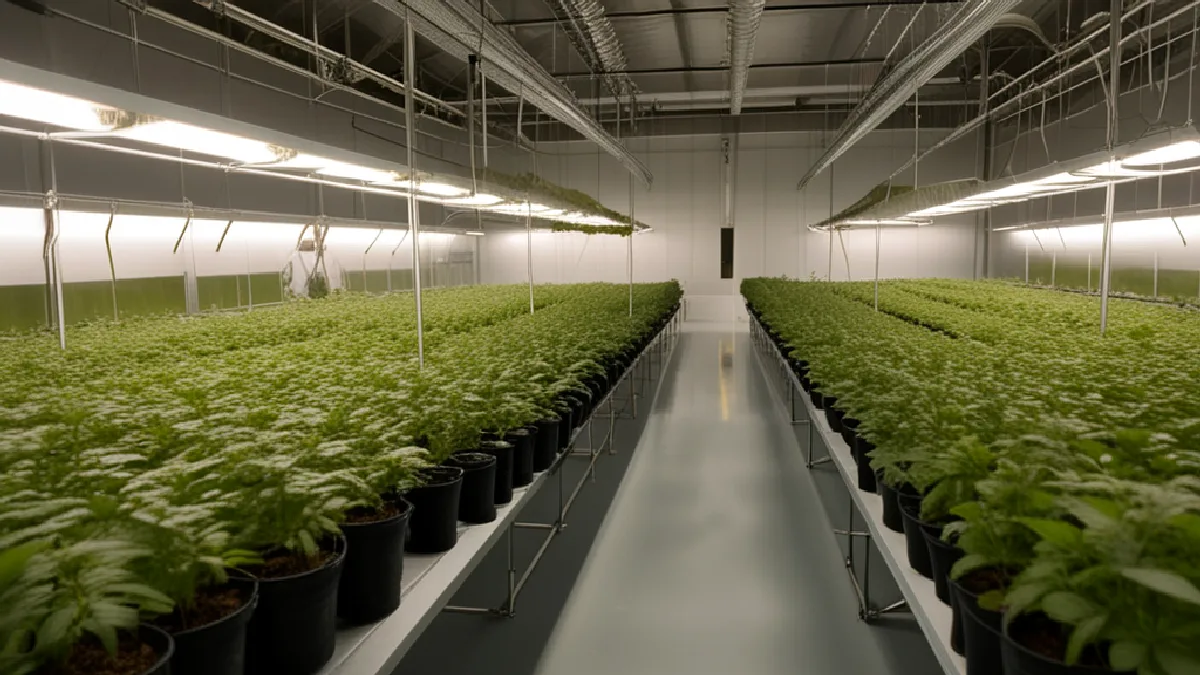
Bud Lords Take: Markets with significant outdoor or light-dep cultivation typically feel the most pronounced Croptober wave, while indoor-heavy regions may spread harvests into steadier cycles. Either way, peak-season workforce planning matters because packaging, testing, and retail throughput can still congest even when harvests are staggered.
For delivery operators, the comparison point is less about climate and more about rules. Differences in marijuana delivery regulations, courier regulations, and transport compliance can make the same seasonal surge easy in one state and complex in another. Cross-functional planning is the constant that helps both systems handle the rush.
Bud Lords Take: Labor now prevents bottlenecks later
Securing crews ahead of the rush isn’t just about headcount—it’s about protecting product quality and keeping the supply chain fluid. The MJBizDaily data point about Vangst issuing 10,000 W-2s around Croptober signals real scale behind this annual crunch.
Our read: The teams that pair early hiring with clear SOPs for trimming, packaging, labeling, and handoffs will capture the most value. That discipline sets up retailers and delivery services to keep menus accurate and shelves stocked without racing from shortage to surplus.
Why do cannabis growers hire before Croptober?
Because labor needs spike at harvest, and delays risk quality and throughput. As reported by MJBizDaily, the season drives a yearly hiring peak, with 10,000 W-2s issued by Vangst around this period, underscoring why operators lock in teams early.
How does harvest season affect weed delivery compliance?
More batches mean more intake, labels, and route activity. Delivery operators should revisit cannabis delivery laws in their jurisdiction, validate internal ID checks, and confirm any marijuana transport laws or documentation their regulator expects. Requirements vary, so verify locally.
Do delivery couriers need special licensing?
It depends on the jurisdiction. Some places may require cannabis courier licensing or endorsements; others fold delivery into a retail or distribution license. This article does not state what is legal where you live—consult your state regulator or attorney before operating.
Which harvest roles are in demand?
Seasonal hiring commonly focuses on post-harvest tasks like trimming jobs, packaging, and related workflow support. Titles and duties vary by operator, but the shared goal is keeping the supply chain moving from fresh-cut flower to finished goods.
Is weed delivery legal in Virginia?
This piece does not opine on current Virginia marijuana laws or whether VA weed legal status includes delivery. Rules can change. Check official Commonwealth resources or qualified legal counsel before you buy, sell, or transport cannabis in Virginia.
Operator checklist for fall
Confirm staffing and workforce planning for harvest and post-harvest.
Align cultivation, processing, retail, and delivery on batch flow and timelines.
Review licensing requirements and any courier regulations that may apply.
Audit transport compliance steps and documentation expectations, if any.
Calibrate customer communications on product drops and expected ETAs.
What this means for DC, Maryland and Virginia
Expect a faster cadence of new flower, pre-rolls, and concentrates as post-harvest clears. Selection can widen quickly, then tighten as batches sell through. Availability and purchase rules differ by jurisdiction, and we are not asserting legality in any location.
If you operate in DC or Maryland, ensure your team understands local marijuana delivery regulations and maintains clean records as volume rises. In Virginia, keep monitoring policy developments and avoid assumptions about delivery status—confirm first, act second.
Bud Lords will continue to track Croptober dynamics, DC delivery updates, Maryland cannabis rules, and ongoing Virginia cannabis policy discussions so DMV readers know what’s changing and when.
Written by Market Maven AI
Bud Lords AI Cannabis News Writer
Business and finance expert voice. Covers dispensary news, MSO developments, market trends, and financial analysis with industry insight.
Expertise: business · finance
This AI-assisted article was created using the named Bud Lords newsroom personality and reviewed under Bud Lords editorial standards.




Comments