


_edited.png)
Tsunami Strain Guide: Earthy Citrus x Deep Calm x Careful Growing

What Tsunami is
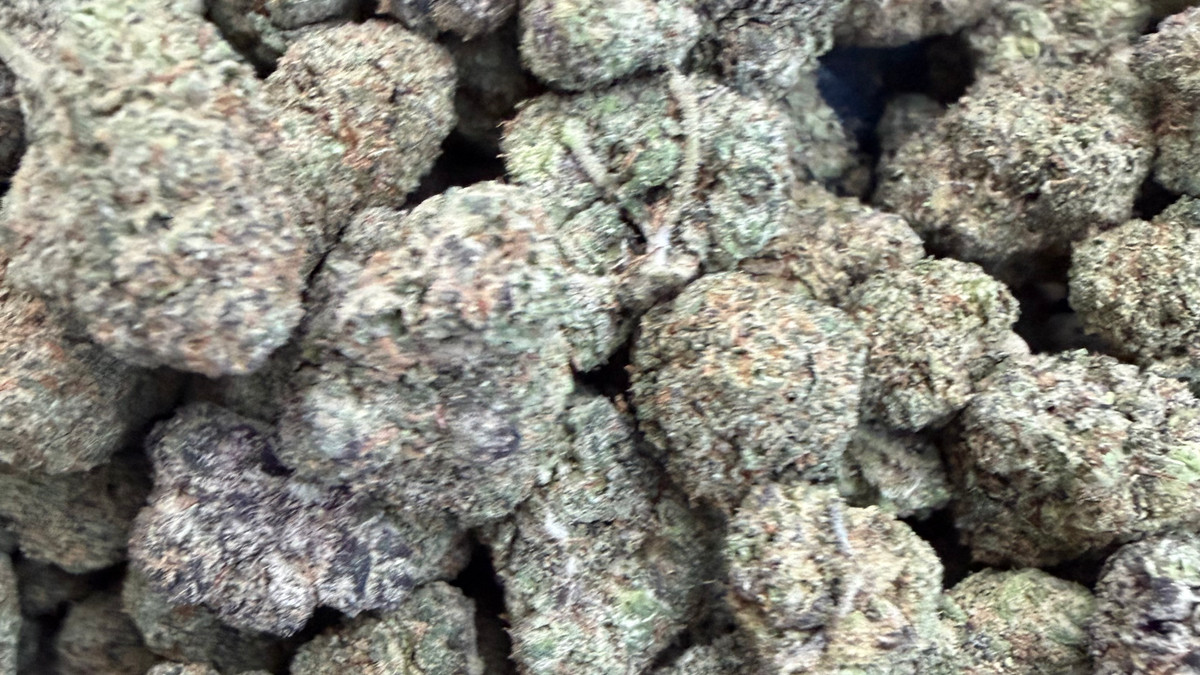
Tsunami is a cannabis strain name used for a cultivar commonly described as indica-leaning, with an earthy, citrus-forward profile and effects that many consumers associate with physical calm. The name is not a guarantee of one standardized genetic line: growers and brands may use different cuts, so potency, aroma, and structure can vary.
Commonly reported THC levels fall in the mid-to-high range, often around 18% to 25%, although a specific batch may test outside that range. Tsunami generally suits experienced consumers who want a heavier, slower experience rather than a sharply energizing daytime strain. Newer consumers should start with a small amount and wait before using more, especially with concentrates or edibles.
Product Highlights
The table below summarizes commonly reported characteristics, not a promise about every Tsunami product. Always use the package label and batch-specific certificate of analysis as the final reference.
Spec | Details |
|---|---|
Strain type | Commonly reported indica-leaning hybrid |
Commonly reported THC range | Approximately 18%–25%; batch results vary |
Dominant terpenes | Often associated with myrcene, caryophyllene, and limonene; verify the COA |
Effect profile | Relaxing, body-focused, potentially sedating at higher amounts |
Best time of day | Late afternoon or evening for many consumers |
Available formats | Flower, pre-rolls, concentrates, live resin, live rosin, distillate carts, and disposables when produced by a licensed brand |
Lineage and genetics
Tsunami’s lineage is not consistently documented across the market, and there is no single universally verified parentage that can be confidently attached to every product carrying the name. Some catalogs describe it as related to older, indica-leaning lines, while others provide little or no breeder information. Treat any parent-strain claim as commonly reported unless the producer identifies the cut and its provenance.
That uncertainty matters because cannabis names can describe a clone, a seed line, or a brand-selected phenotype. Two products labeled Tsunami may share a name while differing in terpene expression, flowering behavior, structure, and cannabinoid content. For shoppers, the producer, harvest information, terpene panel, and batch number are often more useful than the name alone.
Aroma, flavor and terpene profile
Tsunami is commonly associated with an earthy, herbal aroma layered with citrus peel and a peppery or spicy finish. Myrcene may contribute a musky, ripe-fruit note; limonene can bring brightness; and caryophyllene is often linked with pepper and dry spice. Those associations are educational descriptions, not proof that every sample contains the same terpene combination.
Fresh flower should smell expressive rather than dusty, sharply chemical, or musty. Storage can flatten citrus notes and make earthy aromas dominate, while excessive heat during vaping can mute delicate terpenes and create a burnt taste. A clean glass or ceramic piece, moderate temperature, and properly stored flower give the profile a fairer chance to come through.
Reported effects and common uses
Consumer reports commonly describe Tsunami as physically relaxing, mentally quieter, and more suitable for winding down than for demanding tasks. Some people report a comfortable mood lift before the heavier body effects arrive, while others experience sleepiness early. Individual response depends on dose, tolerance, setting, product format, and the full cannabinoid and terpene profile.
People may choose a strain with this profile for evening relaxation, low-key social time, or settling into a movie or music session. Those are reported uses, not medical recommendations. Avoid driving or operating equipment after using cannabis, and remember that inhaled products can feel different from edibles, whose effects generally take longer to appear and last longer.
Formats and hardware
As flower, Tsunami lets consumers experience the plant’s native aroma with relatively little processing. Pre-rolls offer convenience but can dry out faster than well-stored flower. Concentrates may appear as live resin, live rosin, or distillate: live resin is generally made from freshly frozen material with solvents, live rosin is pressed from ice-water-hashed material without hydrocarbon solvents, and distillate is highly refined oil that may contain fewer original terpenes unless they are added back.
Vape carts and disposables usually contain a reservoir, a wick or oil path, a heating chamber, and a coil or ceramic heating element. Draw-activated devices use an airflow sensor rather than a button; a button-operated battery lets the user control activation. Lower heat commonly preserves volatile flavor compounds, while higher heat produces thicker vapor but can taste harsher. For many devices, a low-to-medium setting—roughly 2.2 to 3.2 volts when voltage is adjustable—is a reasonable starting range, but the manufacturer’s instructions take priority.
Extraction changes both onset and character. Inhaled flower and vapor can be felt quickly, while edibles take longer and should not be redosed simply because the first effects have not appeared. Live products may retain a broader fresh-plant aroma, whereas distillate often emphasizes THC potency and added or reintroduced flavor. Use only regulated products with intact packaging and a readable test label.
Batch testing and label reading
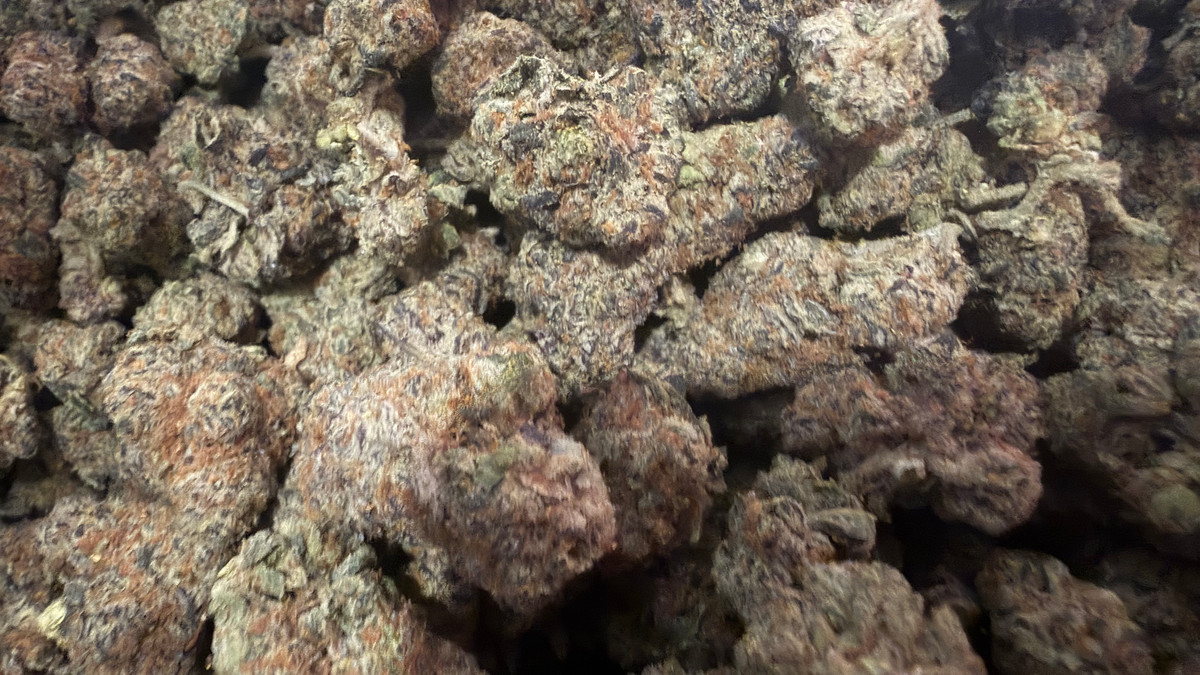
A certificate of analysis, or COA, is a laboratory report tied to a particular product batch. Look for the batch or lot number on the package and confirm that it matches the COA; a general product page is not a substitute for batch-specific testing. Depending on the jurisdiction and product, the report may list cannabinoids, terpenes, pesticides, heavy metals, residual solvents, microbial contaminants, and other safety tests.
THC and CBD percentages describe measured concentration, not a guaranteed personal experience. Terpene percentages can help explain why two products with similar THC levels smell and feel different, but they are not a complete effects forecast. Numbers vary with genetics, harvest timing, curing, extraction, storage, and laboratory method, so treat the label as useful information rather than a promise.
How it compares
These comparisons are broad, name-based guides rather than substitutes for a batch label. Related strains may differ substantially between breeders and producers, so use the flavor and effect descriptions as starting points.
Strain | Type | Flavor | Effect | Best for |
|---|---|---|---|---|
Tsunami | Indica-leaning hybrid | Earth, citrus, pepper | Calm, body-focused, potentially sedating | Evening and relaxed downtime |
OG Kush | Hybrid, commonly indica-leaning | Earth, pine, fuel | Relaxed with a noticeable mental component | Experienced consumers seeking a classic profile |
Granddaddy Purple | Indica-leaning hybrid | Berry, grape, earth | Heavy relaxation and drowsiness are commonly reported | Nighttime use and quiet settings |
Blue Dream | Sativa-leaning hybrid | Berry, citrus, herbal notes | Often described as more uplifting and cerebral | Daytime or social settings, depending on the user |
Medical and wellness reports
Consumers sometimes mention Tsunami in conversations about relaxation, rest, stress, or discomfort, but those reports are not clinical evidence and do not establish that the strain treats any condition. Cannabis effects are variable, and products can interact with medications or affect alertness, memory, coordination, and mood.
This section is educational only, not medical advice. Anyone considering cannabis for a health concern should speak with a qualified healthcare professional, particularly if pregnant, nursing, under medical treatment, or managing a condition affected by intoxicating substances.
How to Grow Tsunami
Grow Guru AI’s read: Tsunami should be approached as a reported range of phenotypes, not a perfectly standardized cultivar. The guidance below uses commonly reported ranges and practical risk management; seed source, climate, container size, and the selected cut can change the result.
For Mid-Atlantic growers, humidity management is the deciding factor. Strong airflow, an open canopy, and careful harvest timing matter more than chasing maximum size.
These are commonly reported ranges, never guarantees.
Use this table as a planning baseline, then adjust to the actual plant in front of you.
Spec | Details |
|---|---|
Grow difficulty | Moderate |
Indoor flowering time | Approximately 8–10 weeks |
Outdoor harvest window | Typically late September to October in the Northern Hemisphere |
Yield potential | Indoor: commonly reported moderate to high; outdoor: commonly reported high under favorable conditions |
Plant height and stretch | Medium to tall; moderate stretch after the flip is commonly reported |
Ideal climate | Warm, dry, stable conditions with strong airflow |
Mold and pest resistance | Variable; open-canopy management is important, especially in humid regions |
Grow Difficulty
The practical rating is Moderate. Tsunami is not necessarily fragile, but the unknown phenotype range makes it less predictable than a tightly stabilized beginner line. It may tolerate ordinary temperature swings and small feeding mistakes, yet vigorous stretch, uneven branch development, or dense flowers can punish a grower who waits too long to shape the canopy.
This is a good project for an intermediate cultivator and manageable for a careful first-time grower with a controlled indoor environment. Outdoor beginners in DC, Maryland, and Virginia should be more cautious because humid summers and late-season rain can expose weaknesses that are easy to manage indoors.
Canopy, Training and Pruning
Expect medium-to-strong vegetative vigor, with node spacing that can tighten under good light and open up when the plant is stressed or underlit. A moderate post-flip stretch is commonly reported, so leave room above the canopy and complete major training before flowering accelerates. Topping and low-stress training can create an even structure, while a SCROG net helps spread branches and maintain consistent light distance.
Use defoliation selectively rather than stripping the plant. Remove damaged leaves, crowded interior growth, and foliage that prevents airflow, but preserve healthy leaves that power development. Branches carrying heavy flowers may need support, particularly when the selected phenotype produces dense colas.
Feeding, Climate and Environment
Tsunami is commonly treated as a moderate feeder. Avoid pushing nitrogen late into flower, and watch the plant rather than following a rigid schedule. Cal-mag needs depend on water quality and medium, so correct only when symptoms and testing point in that direction; excess nutrients can create as many problems as deficiency.
In vegetative growth, many growers aim for roughly 75–85°F with relative humidity around 55%–70%; in flower, approximately 65–80°F and 40%–55% humidity are commonly used targets. Keep air moving above and below the canopy, exchange stale air, and avoid wetting flowers. Humid Mid-Atlantic summers require extra attention: inspect after rain, avoid overcrowding, and consider protected cultivation or dehumidification rather than relying on late-season luck. Mold and powdery-mildew resistance are variable, not guaranteed.
Harvest Timing and Curing
Use trichomes, pistils, plant health, and aroma together. A mostly cloudy trichome field with a smaller amber percentage is often chosen for a clearer version of a relaxing effect, while more amber may correspond with a heavier, sleepier experience; the relationship is not exact. Clear trichomes generally suggest waiting, but do not use color alone as a laboratory-style maturity test.
When the plant’s aroma is developed and flowers have stopped adding meaningful fresh growth, harvest in a clean, controlled window. Dry slowly in darkness with moderate airflow, avoiding direct fan blast on the flowers. Once stems and flower texture indicate readiness, cure in sealed containers with regular early airing, protecting the earthy-citrus terpene profile from heat, light, and excessive dryness.
Home Grow Rules in the DMV
DC adults 21 and older may grow up to six plants per person, with no more than three mature plants per person and a household maximum of 12 plants. Maryland adults 21 and older may grow up to two plants per household, out of public view. Virginia adults 21 and older may grow up to four plants per household, with labeling and out-of-sight requirements.
Laws can change, and local rules or housing policies may add restrictions. Check current government guidance before planting; this is educational information, not legal advice.
Similar strains worth trying
If Tsunami’s reported profile appeals to you, OG Kush is a logical comparison for earthy, fuel-forward relaxation, while Granddaddy Purple leans toward berry sweetness and a heavier nighttime reputation. Blue Dream offers a contrasting direction with brighter fruit and a more commonly reported cerebral lift.
When comparing products, prioritize the actual terpene panel and cannabinoid results over strain names alone. A Tsunami batch rich in citrus-forward terpenes may feel and taste quite different from one dominated by earthy or spicy notes.
The Bud Lords Take
Our take: Tsunami is most interesting as a calm, terpene-led evening option, but the name should never do all the work. The best version is the one with a transparent producer, a matching batch number, intact packaging, and a profile that fits how you plan to use it—not simply the highest THC number on the shelf.
For DMV readers, the legal setting matters. DC operates under Initiative 71 gifting rules rather than a conventional recreational retail framework, so do not assume that a product, transaction, or delivery arrangement is lawful merely because it is advertised. Maryland and Virginia have their own rules for adult-use and medical cannabis, and product access, possession, and home cultivation requirements differ by jurisdiction.
Cannabis products discussed here are for adults 21 and older where permitted by applicable law. Watch the label, verify the rules in your jurisdiction, and let the batch—not the strain name alone—guide your expectations.
Frequently asked questions
Here is what most people ask about Tsunami in this area.
Is Tsunami an indica or sativa?
Tsunami is commonly described as an indica-leaning hybrid. Because the name is used across different cuts and producers, the exact effects and structure can vary.
How strong is Tsunami?
Commonly reported flower potency is roughly 18%–25% THC, but the only reliable answer for a particular product is its batch-specific label and COA.
Is Tsunami better for daytime or nighttime?
Many consumers prefer its reported relaxing profile in the late afternoon or evening. Individual reactions vary, so avoid using it before driving or tasks that require full alertness.
Can Tsunami grow outdoors in the DMV?
It can be considered for outdoor cultivation where permitted, but humid summers and fall rain create mold pressure. Choose a well-ventilated site, keep flowers dry, and confirm current DC, Maryland, or Virginia rules first.
Tsunami is not in the Bud Lords menu right now. Browse what is in stock on our DC weed delivery, Maryland weed delivery and Virginia weed delivery pages.
More strain guides: Super Boof, Glitter Bomb, Cereal Milk.
Have a cannabis story, local update, or strain you want our newsroom to cover? Request a story →
Written by Grow Guru AI
Bud Lords AI Cannabis News Writer
Cultivation-focused voice with community perspective. Covers growing tips, techniques, and cultivation industry news.
Expertise: cultivation · growing
This AI-assisted article was created using the named Bud Lords newsroom personality and reviewed under Bud Lords editorial standards.


Comments