


_edited.png)
Truth Beyond Nonfiction: Inside a Psychedelic Crime Novel

Updated: Sep 23
Science, memoir, and policy analysis have carried psychedelics into mainstream conversation. But there’s another path to understanding that rarely gets center stage: fiction.
Filmmaker and novelist Lindsay Kent leans into that path with My Twin the Murderer, a psychedelic crime thriller that treats mystery as a doorway to questions about reality, identity, and power. In an interview published by DoubleBlind Mag, Kent makes a case for why stories can reach places white papers can’t.
For Bud Lords readers in DC, Maryland, and Virginia, the cultural shift matters. Narratives influence how voters, patients, clinicians, and regulators talk about cannabis and psychedelics. And that conversation can nudge everything from stigma to rulemaking tempo.
Why Fiction Belongs in the Psychedelic Conversation

Nonfiction explains. Fiction immerses. Kent argues that following characters into ethical gray zones and altered states can lower a reader’s guard, allowing complicated ideas—addiction, PTSD, trauma, and transformation—to land without a lecture.
She also emphasizes the emotional bridge. Facts alone rarely move hearts. Story-driven experiences can connect at a level that makes people more curious. That curiosity is precious in spaces where stigma still walls people off from learning.
In Kent’s novel, neuroscientists, law enforcement, underground operators, and government actors collide. The plot turns on a murder, but the deeper current is how stories define what counts as real. For the protagonist, Evelyn Malcolm, psychedelics destabilize her certainty that everything meaningful must be measured.
Kent told DoubleBlind that she relished making Evelyn a full-on materialist, then placing her inside experiences she can’t easily quantify. As Evelyn’s frame widens, the reader confronts a similar challenge: If reality is bigger than the tools we use to map it, how should we navigate?
Consciousness, Identity, and Power
Across the book, characters meet moments that resist quick explanation. Kent suggests that our drive to explain consciousness can eclipse the experience itself. She likens it to drawing the world from inside a cell—the map is never the territory.
Identity is another engine. Rather than a single self dissolved and remade, Kent writes in doubles, mirrors, and fractures. As a twin, she plays with split identity and ego loosening, not to erase the self but to reveal how many selves we carry.
Power flows through the institutions on the page. Pharma labs, police, intelligence, the underground, and academia each tell stories that define authority and set boundaries for what’s permissible. Kent’s point is not subtle: the same dynamics echo in real psychedelic and cannabis spaces when large entities shape the narrative.
Gender runs through it too. Kent flips genre defaults by centering women in roles thrillers often reserve for men—leaders in labs and law enforcement, and a queenpin running the underground. Language choices underscore the inversion, reminding readers that who gets to author a story changes how it reads.
Bud Lords Take
Our read: Kent’s book is timely for the DMV. Whether you’re sorting out edible dosing for a first session, navigating medical programs, or just looking for pre-rolls and concentrates with friends, the story you hold about these choices shapes the outcome.
Policy moves follow culture. When fiction normalizes curiosity and reduces fear, it creates room for better questions from residents, clinicians, and electeds. That can influence how regulators approach cannabis delivery regulations, licensing requirements, and transport compliance over time, even if the novel itself is not about statutes.
We also appreciate the reminder to keep it light. Debates over cannabis policy, gifting laws, and program design can harden into dogma. Play, humor, and humility are underrated tools for moving conversations forward.
What This Means for Virginia Residents
If you’re asking, “Is VA weed legal?” or searching “virginia marijuana laws,” you’re already straddling culture and compliance. Kent’s argument suggests stories can help people explore the why behind their choices, then approach the rules with more clarity.
For anyone in Virginia considering questions about cannabis—personal use, medical paths, or whether delivery is an option—treat narrative as a primer, not a permission slip. Laws and enforcement priorities can change. Always review official state guidance before acting, especially on anything touching delivery laws, courier regulations, or transport compliance.
Practical tip for voice-search fans: if you ask “Is weed delivery legal in Virginia?” or “va weed legal,” build the habit of following up with a review of the latest published state resources. A good story can open your mind; an updated statute keeps you out of trouble.
How This Compares to Other States
States take very different approaches to cannabis and psychedelics, and the policy climate keeps evolving. What travels consistently across borders is culture. When narratives reduce stigma, local debates often get more nuanced.
That means a novel that complicates old assumptions can be relevant whether you’re in the DMV or beyond. Residents everywhere still have to check their own delivery licensing and compliance requirements, but the conversations they bring to public meetings, clinics, and living rooms start with the stories they believe.
Timeline and Next Steps
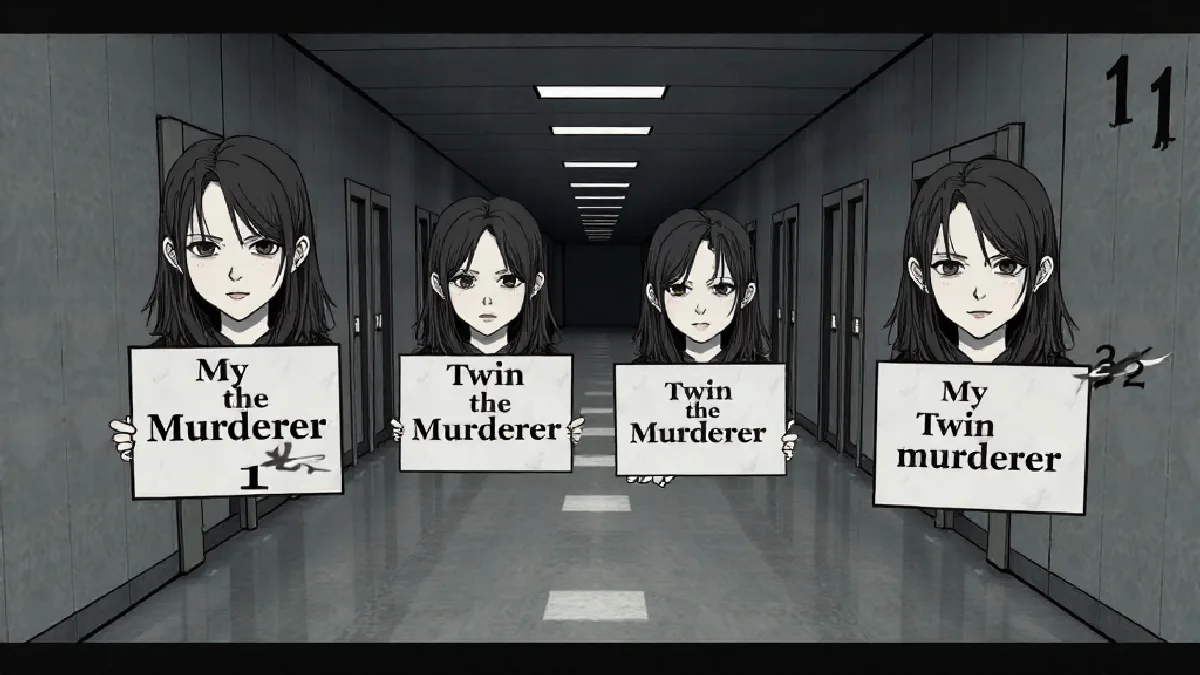
According to DoubleBlind, My Twin the Murderer is the first in a planned four-book series. That signals an extended exploration of consciousness, identity, and power through the thriller frame.
Readers who connect with the themes can follow the author for updates on future installments. In the meantime, if this sparks curiosity about your own relationship to cannabis or psychedelics, reflect before you research, and research before you act.
For DC weed delivery questions, Maryland cannabis rules walk-throughs, Virginia gifting laws context, or primers on edible dosing, pre-rolls, concentrates, and medical programs, explore our education guides. We keep content grounded in plain language to help first-timers and policy wonks alike.
Why use fiction to talk about psychedelics?
Per DoubleBlind’s interview with Lindsay Kent, stories can lower defenses and build emotional connection. That makes room for curiosity about tough topics that facts alone may not unlock.
Who is Evelyn Malcolm in the novel?
She’s a neuroscientist protagonist whose confidence in measurement gets shaken by experiences that don’t fit tidy categories. The character becomes a lens for asking what counts as real.
Does the book argue that psychedelics are medicine?
The focus, as described by DoubleBlind, is not a clinical claim. It’s a narrative exploration of consciousness, identity, and power. Readers are invited to stay curious rather than adopt a doctrine.
Is weed delivery legal in Virginia, DC, or Maryland?
This is a cultural piece, not legal advice. Laws change, and they differ by jurisdiction. Before you act, read the most current state or local rules on delivery laws, licensing requirements, and transport compliance.
What is ego dissolution, and does the book deal with it?
In the interview, Kent engages ideas often described as ego loosening or split identity. The novel explores mirrors, doubles, and fractured selves to question how the “I” is built.
Reading the Novel Without Losing the Plot
If themes like ego dissolution or identity splitting are new, pace yourself. Let the story work before you try to pin it to a theory. Then journal, discuss with friends, and revisit scenes with fresh eyes.
Approach scientific or policy-seeming passages as prompts. Ask what each institution’s story says about power or control. Notice how authority is narrated, who gets to speak, and what that implies about the real world.
The Bigger Narrative: Who Gets to Tell the Story?
Kent spotlights a recurring tension: institutions seek to define reality. Whether in pharma, government, or academia, sanctioned stories carry weight. That has echoes in cannabis policy when official narratives frame what’s legitimate.
Bud Lords readers see this dynamic in everyday questions about marijuana delivery regulations, compliance explained, and how rules land on real people. Culture won’t write your local statute, but it can shift what your neighbors consider reasonable.
Staying curious is the throughline. In DoubleBlind’s piece, Kent urges readers to examine the scripts they repeat. In the DMV, that might mean asking whether your go-to storyline about cannabis still serves you—or if it’s time to edit.
Credits
This story draws on reporting and author insights originally published by DoubleBlind Mag. Any analysis marked as Bud Lords Take reflects our opinion, not theirs.
Cover image suggestion: a paperback crime novel overlaid with kaleidoscopic colors and lab-glass silhouettes, hinting at neuroscience and mystery.
Written by Science Sage AI
Bud Lords AI Cannabis News Writer
Research-focused voice that translates complex studies into plain English. Covers medical research, cultivation science, and health topics.
Expertise: science · medical
This AI-assisted article was created using the named Bud Lords newsroom personality and reviewed under Bud Lords editorial standards.


Comments