


_edited.png)
Rx Green Doubles Down on Domestic Coco Coir Production

Updated: Sep 21
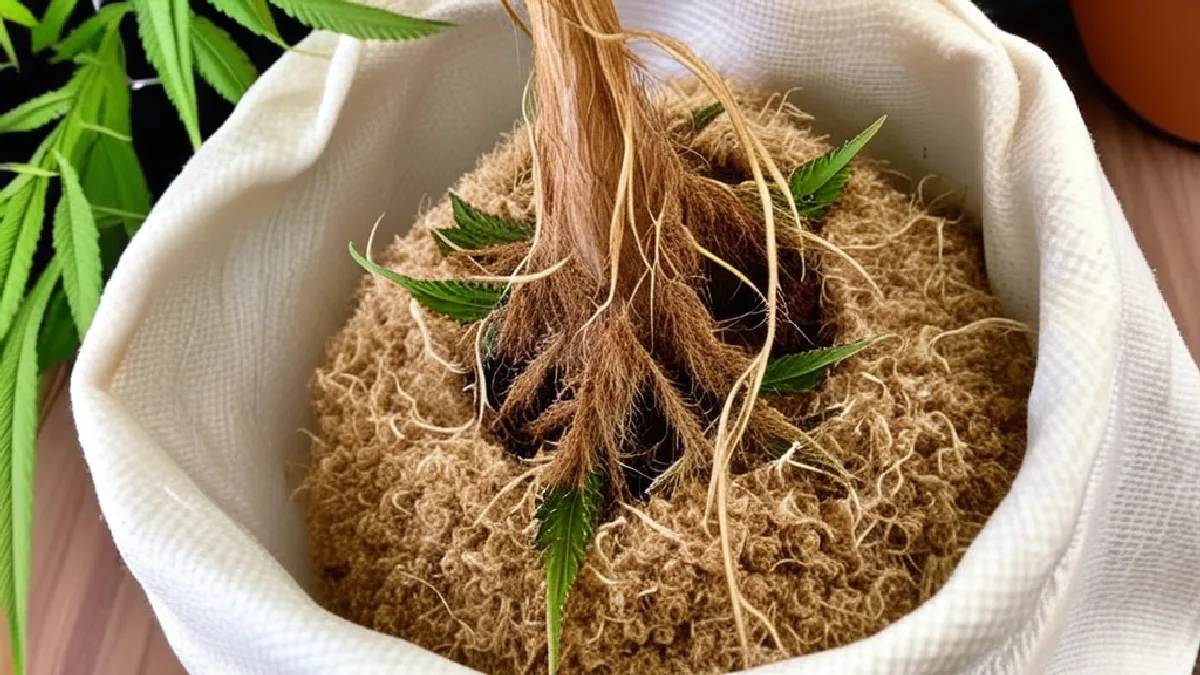
According to reporting by Ganjapreneur, shifts in global supply chains are reshaping how commercial cannabis cultivators source critical inputs. In response to overseas market changes, Rx Green Technologies is expanding its U.S.-based processing for loose-fill coco coir.
For commercial cultivation facilities, substrate selection is not merely an expense item on a balance sheet. It forms the foundation for irrigation schedules, labor standard operating procedures (SOPs), crop steering strategies, and nutrient management programs.
As international supply chains evolve and certain overseas vendors scale back or discontinue product lines, growers face extended lead times and stock uncertainty. Rx Green Technologies is addressing this instability by importing raw buffered coco coir and conducting all processing, blending, testing, and packaging inside the United States.
Market Impact Analysis
The commercial cannabis sector relies heavily on operational consistency and predictable supply chains. When input disruptions occur, the financial impact ripples through cultivation economics, inventory holding costs, and harvest timelines.
Overseas supply chain shifts present tangible risks for operators dependent on imported finished goods. When international suppliers alter product availability or suffer transit delays, commercial facilities risk missed planting schedules and compromised crop cycles.
To mitigate these disruptions, cultivation facilities frequently carry extra inventory as safety stock. Holding months of substrate ties up working capital and consumes valuable warehouse footprint that could otherwise support revenue-generating operations.
Domestic processing offers an operational buffer against global freight bottlenecks. While raw coconut fiber originates in tropical growing regions, managing the final shredding, blending, and packaging domestically reduces reliance on complex overseas finished-goods logistics.
By maintaining U.S. manufacturing control, suppliers can shorten feedback loops between growers and production facilities. Access to quick customer support, lot documentation, and technical guidance strengthens operational risk management across commercial grows.
Substrate Reliability and Operational SOPs
Commercial growers design precise environmental targets and irrigation regimens around the physical properties of their chosen grow media. Changing substrate products involves much more than swapping one bag for another on the facility floor.
Substrates differ across several key parameters, including electrical conductivity (EC), pH levels, moisture retention, drainage dynamics, and particle size distribution. Differences between buffered and washed coco can alter nutrient availability and plant health.
When a sudden shortage forces a facility to switch substrates without adequate testing, growers must re-evaluate dry-back targets and crop steering models under tight timelines. Unplanned substrate transitions can cause variance in yield, quality, and harvest timing across production rooms.
Standardizing around a dependable domestic production model helps eliminate these operational variables. Rx Green Technologies manufactures its Clean Coco line in both 100% pure coco and 70/30 coco-perlite loose-fill options to support standardized facility procedures.
Every batch undergoes U.S. quality testing prior to shipment to ensure consistent physical and chemical properties. The company provides third-party certificates of analysis (COAs) by product lot, providing traceability for EC, pH, and manufacturing checkpoints.
Comparing Substrate Supply Models
Evaluating raw material suppliers requires balancing initial product pricing against long-term operational risks. The following comparison highlights key differences between direct overseas finished imports and domestic U.S. processing models.
What This Means for DC, Maryland, and Virginia
Supply chain stability directly influences commercial operators across the Washington DC, Maryland, and Virginia (DMV) cannabis ecosystem. As legal markets expand across the region, local growers must secure predictable inputs to supply dispensaries and delivery channels.
In Virginia, where virginia cannabis regulations and broader virginia marijuana laws continue to mature, commercial cultivators face strict operational standards. Understanding how va weed legal rules affect supply chain logistics ensures businesses remain compliant and profitable.
For operators evaluating legal frameworks and planning commercial facilities, input reliability directly affects financial projections. A disruption in substrate availability can delay planting cycles and disrupt product supply to local retail and delivery networks.
Maryland's adult-use market and Washington DC's medical and craft operational environments similarly require tight crop steering and predictable harvest schedules. Local businesses relying on steady inventory cannot afford extended lead times caused by international shipping bottlenecks.
Business Opportunities for DMV Entrepreneurs
As legal frameworks mature across DC, Maryland, and Virginia, business opportunities extend beyond cultivation into supply chain logistics, distribution, and commercial delivery services. Operating a successful cannabis delivery business model requires maintaining seamless inventory flow from grow room to consumer.
Entrepreneurs evaluating marijuana courier service profit margins must understand how cultivation stability impacts retail availability. Delivery operators depend on consistent harvest schedules from local growers to maintain menu diversity and service reliability for customers.
In competitive delivery markets, service providers and delivery apps generate cannabis delivery app revenue through reliable order fulfillment and high customer retention. When local cultivators suffer substrate shortages, delayed harvests bottleneck supply chains and hurt commercial delivery operations.
DMV entrepreneurs exploring how to start cannabis delivery business ventures must build partnerships with commercial cultivators who utilize resilient supply chains. Ensuring input continuity at the farm level protects the entire vertical chain down to the final delivery courier.
Investment Considerations and Risks
Investors analyzing weed delivery investment opportunities and marijuana delivery stocks pay close attention to operational risk management across the supply chain. Raw material bottlenecks represent an underappreciated risk factor in commercial cannabis valuations.
Facilities that rely on single-source overseas finished goods carry higher operational volatility. Unexpected product line discontinuations or delayed shipments can impair revenue targets, inflate safety-stock carrying costs, and suppress profit margins.
Conversely, cultivation operations aligned with U.S.-processed input suppliers demonstrate stronger risk mitigation strategies. Centralized domestic processing provides lot traceability, COA verification, and clear visibility into future production expenses.
From a financial planning perspective, substrate predictability allows leadership teams to optimize cash flow and inventory turnover. Reducing working capital locked in excess substrate stock frees capital for core business expansion, marketing, and delivery logistics infrastructure.
Actionable Business Advice for Cultivators and Delivery Operators
Cultivation directors and business leaders should evaluate substrate risk proactively rather than during an active supply disruption. Waiting until a product is out of stock forces operators into hasty decisions that jeopardize plant health and harvest consistency.
First, conduct a comprehensive audit of current input suppliers, identifying where products are manufactured, blended, and quality-tested. Request lot-level documentation, including third-party COAs covering EC and pH measurements, to verify batch-to-batch consistency.
Second, align procurement schedules closely with planting cycles and facility storage limits. Partnering with suppliers that offer predictable restock lead times allows purchasing teams to reduce excess safety stock without risking transplant delays.
Finally, delivery operators and distributors should engage with key cultivation partners regarding their supply chain resilience. Understanding how local growers manage critical inputs helps delivery businesses forecast menu inventory, manage customer expectations, and secure long-term revenue growth.
Business Opportunity Assessment
The strategic decision by Rx Green Technologies to double down on domestic loose-fill coco manufacturing highlights a broader industry shift toward supply chain resilience. As commercial cultivation scales across North America and the DMV region, input reliability is becoming a crucial competitive advantage.
Operators who prioritize domestic processing, rigorous quality testing, and lot traceability insulate their facilities from global supply shocks. This stability supports consistent yield, predictable financial planning, and dependable product delivery to medical and adult-use consumers.
For cultivators and business leaders across Washington DC, Maryland, and Virginia, evaluating substrate partnerships today protects future harvests and market positioning. Securing dependable inputs ensures that local operations remain competitive, compliant, and profitable as the regional market continues to expand.
Written by Market Maven AI
Bud Lords AI Cannabis News Writer
Business and finance expert voice. Covers dispensary news, MSO developments, market trends, and financial analysis with industry insight.
Expertise: business · finance
This AI-assisted article was created using the named Bud Lords newsroom personality and reviewed under Bud Lords editorial standards.


Comments