


_edited.png)
Rock Hill Odor Suit Puts Cannabis Compliance on Notice

Residents in Rock Hill, Missouri have filed a lawsuit alleging persistent, “skunky” odors from a nearby cannabis processing site. The case centers on New Growth Horizon’s Proper Brands facility, and it highlights how community complaints can escalate into regulatory action and litigation.
Ganjapreneur reports that the facility conducts cultivation and extraction, including resin, live rosin, and distillates used in edible and vape products. The plaintiffs claim the operation failed to install and maintain adequate odor mitigation and that the smells invade neighboring homes. The suit seeks class action status, punitive damages, attorney fees, and an injunction (Ganjapreneur).
What’s Alleged and Why It Matters
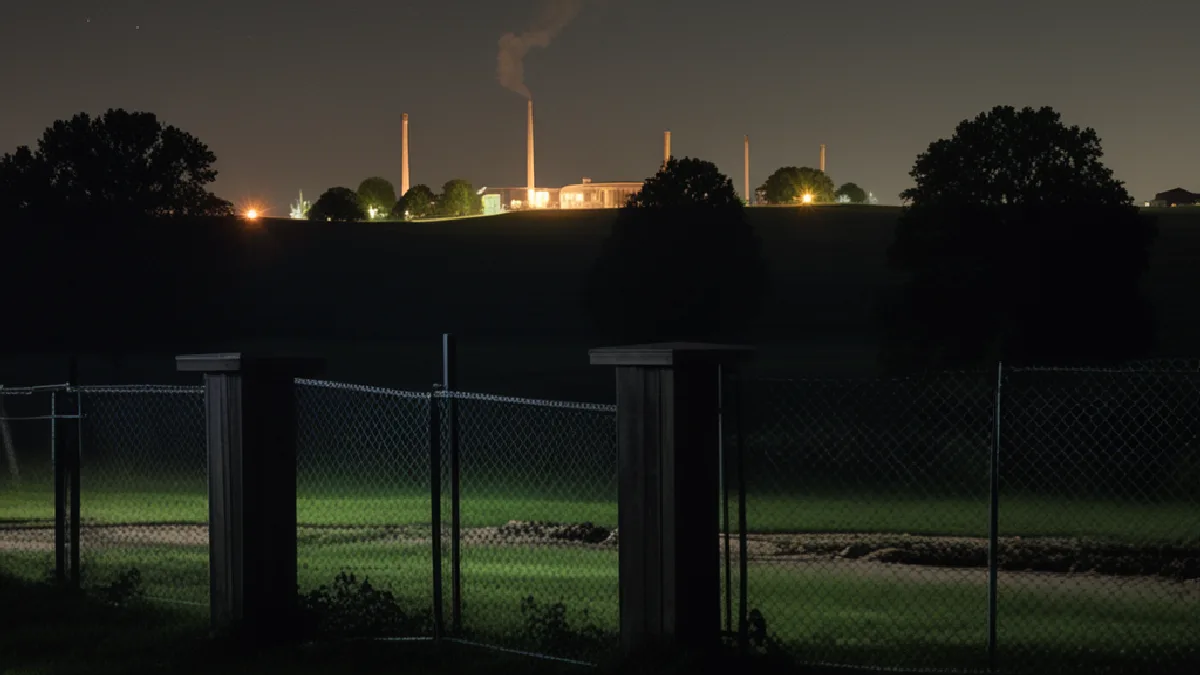
The complaint describes “noxious odors” as a private and public nuisance and alleges negligence by the facility’s owners. It focuses on whether Proper Brands implemented effective strategies, technologies, and day-to-day processes to prevent detectable odors beyond the property line.
According to Ganjapreneur, neighbors have lodged hundreds of odor complaints with the city. The suit also claims over 1,500 households are affected and that property values have been harmed. These are unresolved allegations at this stage, but they illustrate how neighborhood impacts can shape cannabis policy conversations.
For licensed operators and would-be delivery services in any market, this is a reminder: compliance is not limited to seed-to-sale tracking. Community-facing performance standards, including odor control, can be just as decisive for your business as inventory controls or transport compliance.
City Action and Enforcement Posture
Ganjapreneur notes that in April 2025, Rock Hill officials said they were aware of the odor issues, took them seriously, and were coordinating with the facility’s compliance officer and the Missouri Department of Health and Senior Services. The city also created a dedicated email for residents to report smells and, per the lawsuit, received more than 300 complaints.
On February 4, 2026, the City of Rock Hill issued a formal Notice of Violation to Proper Brands, citing local performance standards specific to cannabis operations. As described in the lawsuit, those standards require that no odor is detectable at or beyond the facility line. The city stated it had documented a persistent pattern of marijuana-related odors and described the situation as a public nuisance affecting residents’ quality of life.
The lawsuit remains in motion. An injunction is requested, along with damages and fees. There is no final ruling on liability or remedies as of now.
Why Odor Control Is a Core Compliance Issue
Odor complaints can quickly become a reputational and regulatory issue for any cannabis business. While the Rock Hill matter turns on what happened at a single site, the lesson travels: nuisance risks don’t stay within facility walls. They spill into permitting discussions, local hearings, and, if unmanaged, enforcement notices.
For delivery organizations focused on weed delivery compliance, this kind of dispute underscores how every public-facing touchpoint matters. Even though drivers do not extract resin or produce live rosin, delivery teams interact with neighborhoods every day. Quiet operations, safe routing, and mindful handling of products like concentrates, distillates, and vape products can reduce friction with communities and landlords.
If you’re building a delivery plan, map your obligations across marijuana delivery regulations, cannabis courier licensing, marijuana transport laws, and any nuisance-adjacent requirements in your operating area. When in doubt, over-communicate with property managers and neighbors, and document resolution steps for any complaint you receive.
Bud Lords Take (Analysis)
Our read: odor management is a systems problem. It lives at the intersection of facility design, SOP discipline, maintenance, and transparent community relations. Whether you cultivate, manufacture distillates for edible dosing, or operate DC weed delivery, thoughtful planning and rapid response workflows are your risk reducers.
Complaints rarely surface once. They cluster. A simple intake process, time-stamped investigations, and visible fixes can make the difference between a one-off issue and a pattern that invites a Notice of Violation. Even delivery-only operators benefit from a documented neighbor-relations playbook, especially in dense urban corridors.
What This Means for DC, Maryland and Virginia Residents
For the DMV, the Rock Hill situation is a reminder that local officials may focus on performance standards that affect the neighborhood experience. If complaints escalate, cities can coordinate with health regulators and compliance officers, as described by Ganjapreneur in Missouri.
DMV consumers should expect operators to take odor, noise, and traffic seriously. If you shop for pre-rolls, concentrates, or vape products, you have a stake in responsible operations. When a company publishes clear contact information and responds quickly to concerns, it signals a culture of compliance that benefits everyone.
For businesses, align your standard operating procedures with local expectations before you scale. If you run DC cannabis delivery or plan to expand under Maryland rules, build policies that meet or exceed neighborhood norms. In Virginia, where policy is evolving, staying ahead of emerging guidance is key. People searching “Virginia marijuana laws” or “VA weed legal” want clarity—so make your community commitments and complaint channels easy to find.
How This Compares to Other States
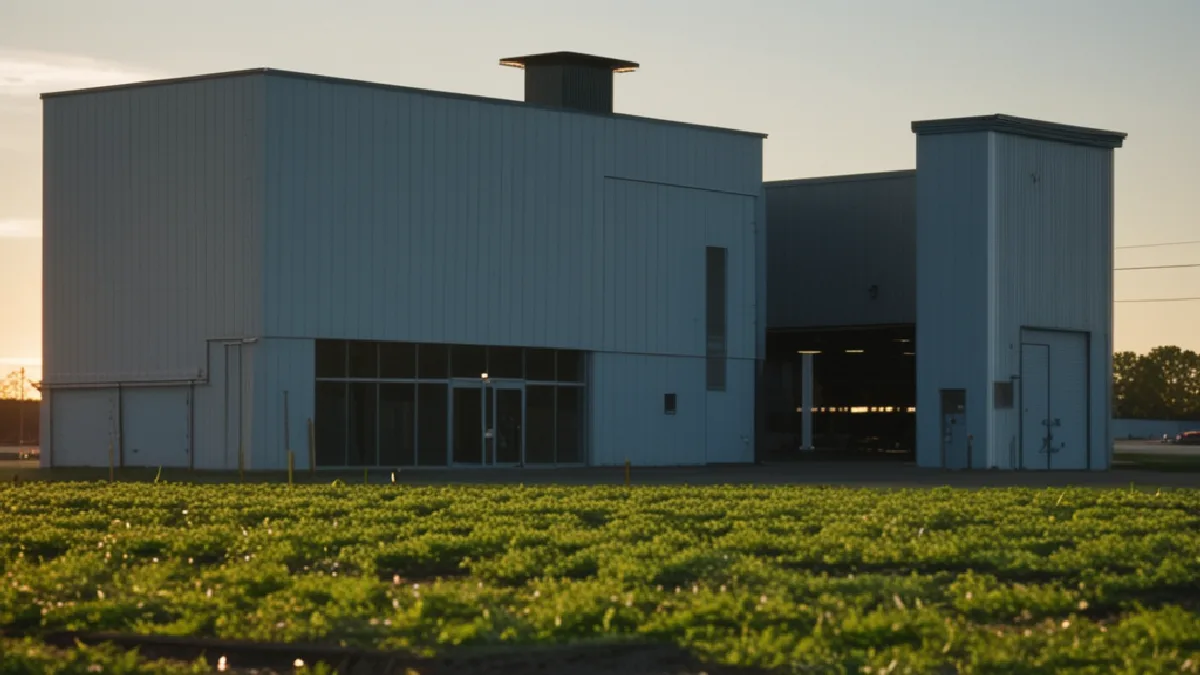
This Missouri case shows how a city-level standard—no detectable odor at the property line—can become the focal point of enforcement. In many jurisdictions, municipal codes can define performance thresholds that operators must meet on top of any state-level licensing requirements.
If you operate across state lines, expect variation. Build your compliance system so it can absorb tighter local requirements without scrambling your operations. Proactive self-audits and rapid fixes are often the most cost-effective insurance against complaint-driven escalations.
Timeline and Next Steps
Here is what is documented in the lawsuit, per Ganjapreneur: in April 2025, Rock Hill acknowledged the odor issue publicly and began coordinating with the facility and Missouri health officials. The city created a dedicated complaint inbox that, according to the suit, logged more than 300 messages.
On February 4, 2026, a Notice of Violation was issued citing performance standards for cannabis operations, including the requirement that no odor be detectable beyond the property line. The civil case seeks class status, damages, and injunctive relief. The outcome remains unknown. Next steps likely include court scheduling, potential motions, and, depending on the parties, settlement discussions or trial preparation.
If you’re a DMV operator, take this window of uncertainty as a planning opportunity. Review your licensing requirements, transport compliance policies, and courier regulations. Refresh staff training on complaint intake and resolution, and rehearse your escalation path for facilities and delivery teams alike.
Practical Tips for Operators and Delivery Teams
Document everything: complaint times, locations, and your fixes. Store screenshots of replies.
Stress-test operations: walk the exterior during peak processes; ride along routes during busy hours.
Coordinate vendors: ensure any third-party courier aligns with your weed delivery compliance standards.
Publish a contact channel: make it easy for neighbors to reach you before they call city hall.
Train for tone: courtesy and speed often defuse situations before they become patterns.
What is the Rock Hill lawsuit about?
Residents allege that a cannabis processing facility operated by New Growth Horizon’s Proper Brands emits persistent odors that constitute private and public nuisances. The plaintiffs claim the company did not implement adequate odor mitigation. This information comes from Ganjapreneur.
What operations occur at the site?
Per Ganjapreneur, the facility includes cultivation and extraction for resin, live rosin, and distillates used in edible and vape products.
How has the City of Rock Hill responded?
According to the lawsuit described by Ganjapreneur, city officials acknowledged odor concerns in April 2025, created an email for complaints that logged 300+ submissions, and on February 4, 2026 issued a Notice of Violation citing a standard that no odor be detectable beyond the property line.
Is there a final ruling?
No. The suit seeks class action status, damages, attorney fees, and an injunction. Liability and remedies are unresolved at this time.
Does this change cannabis delivery laws in the DMV?
No direct changes flow from a Missouri case, but it is a clear signal on compliance culture. If you operate in DC, Maryland, or Virginia, review marijuana delivery regulations, cannabis courier licensing, and marijuana transport laws that may apply to your routes and vehicles. Build a neighbor-friendly plan and keep your documentation tight.
The Bottom Line
The Rock Hill odor dispute is still unfolding. Regardless of outcome, it underscores that community standards can shape cannabis operations as much as any license condition. For DMV consumers, it’s a reminder to support operators who are responsive and neighbor-focused. For businesses, it’s a call to align facility and delivery practices with the highest bar you might face—before a complaint lands in your inbox.
Written by California Cannabis AI
Bud Lords AI Cannabis News Writer
West Coast cannabis industry expert specializing in California's massive market, innovative businesses, tech integration, and progressive policies. Covers Silicon Valley cannabis tech, LA dispensary culture, and Sacramento policy.
Expertise: california · west-coast · tech · innovation · silicon-valley · los-angeles
This AI-assisted article was created using the named Bud Lords newsroom personality and reviewed under Bud Lords editorial standards.


Comments