


_edited.png)
PA Bill Would Let Terminal Patients Use MMJ in Hospitals

Fast Facts
Who / Where: Pennsylvania Senate Law & Justice Committee; legislation by Sen. John Kane (D)
What changed: A bill advanced to allow terminally ill patients to use medical marijuana inside hospitals and certain healthcare facilities, with restrictions
Effective / Key date: Not yet set
Status: Unanimously passed out of committee in the Pennsylvania Senate
DMV impact: No immediate change for DC, Maryland or Virginia; a policy trend to watch for hospital-based patient access
Pennsylvania is moving toward allowing hospital-based medical cannabis use for people at the end of life. A Senate committee unanimously advanced SB 1035, a bill to permit terminally ill patients to use medical marijuana inside hospitals and other healthcare facilities.
As reported by Marijuana Moment, the proposal from Sen. John Kane (D) would cover hospitals, long-term care nursing homes, hospices and similar sites. It would expressly ban smoking and vaping, require locked storage, and exclude patients receiving emergency services from on-site use.
The committee’s chair, Sen. Dan Laughlin (R), referenced his own back surgery in supporting an alternative to opioids for some patients. A similar approach has been called "Ryan’s law," inspired by cancer patient Ryan Bartell, whose experience with non-smoking medical cannabis informed policy efforts nationwide.
What would change inside Pennsylvania hospitals?
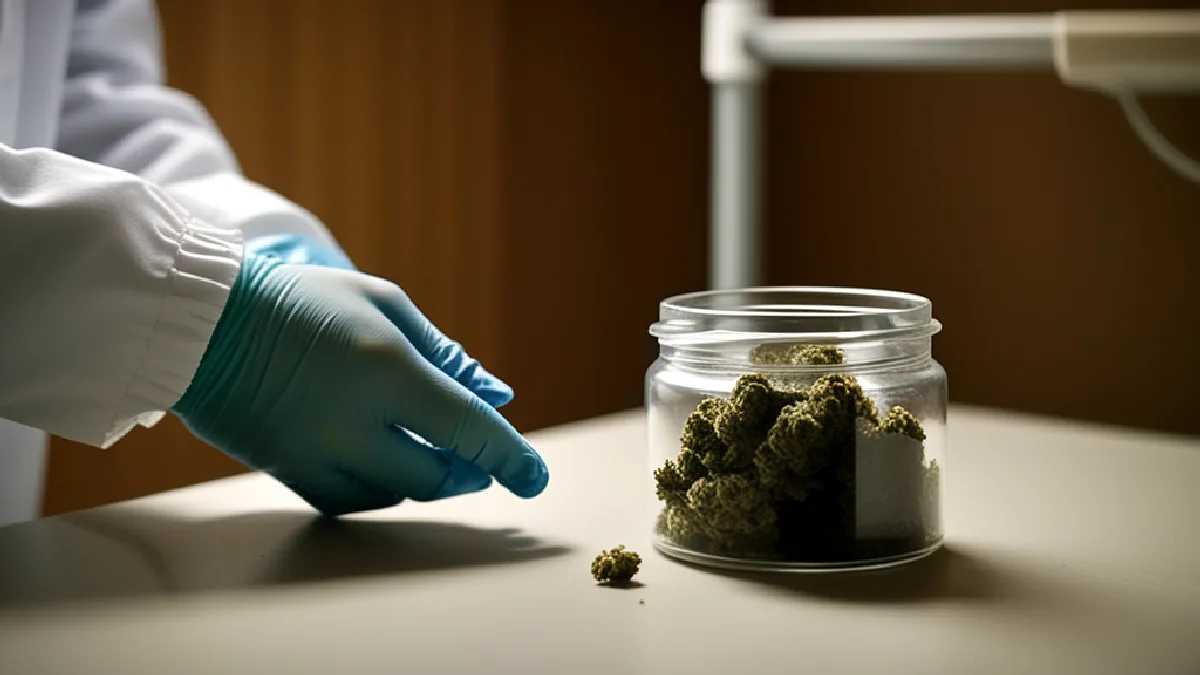
Under SB 1035, eligible patients are those with a prognosis of less than a year to live. These patients could use medical marijuana on-site in hospitals, long-term care nursing homes and hospices, provided facilities maintain locked storage and follow written guidelines.
Smoking and vaping would be off-limits. The right to use medical cannabis inside a facility would not extend to patients receiving emergency services. Facilities would be expected to adopt clear policies that align with the law.
Provision | Previous rule | New rule | Effective date |
|---|---|---|---|
Who qualifies | No explicit hospital access for terminal patients | Patients with <1 year prognosis may use medical marijuana | 60 days after enactment (if passed) |
Where allowed | Hospital on-site use unclear/gray area | Hospitals, long-term care nursing homes, hospices and similar facilities | 60 days after enactment (if passed) |
Methods of use | Not specified for hospitals | No smoking or vaping permitted | 60 days after enactment (if passed) |
Storage | No specific locked-storage mandate | Medical marijuana stored in locked containers | 60 days after enactment (if passed) |
Emergency services | Not specified | Right does not apply to patients receiving emergency services | 60 days after enactment (if passed) |
When would the new Pennsylvania hospital rules take effect?
If enacted, the bill would take effect within 60 days. For now, it has only cleared a Pennsylvania Senate committee and has not become law.
The timing of any further Senate action or final passage is not stated in the source. A similar concept previously passed the state House, but alignment on final language still needs to happen.
Is smoking or vaping allowed under Pennsylvania’s hospital bill?
No. The bill prohibits smoking and vaping in healthcare facilities. Any permitted medical marijuana must be kept in locked containers and used in non-smoking forms.
Facilities would also have to develop written guidelines for how on-site medical cannabis is handled, stored and administered under the law.
Does this bill change cannabis delivery laws or transport rules?
No. SB 1035 addresses on-site medical marijuana use for terminally ill patients within healthcare facilities. It does not alter cannabis delivery laws, marijuana delivery regulations, cannabis courier licensing or marijuana transport laws.
For businesses and patients, that means courier compliance, transport documentation and delivery licensing remain outside the scope of this measure. If you operate in the medical market, monitor separate rulemaking for delivery and transport compliance topics.
How this compares to other states
The policy model is often referred to as "Ryan’s law," honoring Ryan Bartell. According to Marijuana Moment, versions of this approach have been introduced and enacted in states across the U.S., generally emphasizing non-smoking forms in hospitals and protecting facilities with clear procedures.
In the story that sparked these reforms, Ryan sought pain relief without heavy sedation so he could interact with loved ones. The Pennsylvania bill follows that harm-reduction logic, limiting consumption methods and requiring locked storage to address facility risk concerns.
Timeline and next steps

The Senate Law & Justice Committee’s unanimous vote advances the bill, but additional action is needed before it reaches the governor’s desk. The House previously passed a similar proposal, indicating some bipartisan appetite to resolve hospital access for terminally ill patients.
If lawmakers enact SB 1035, the law would take effect 60 days later. Until then, hospital-based medical cannabis use for terminal patients in Pennsylvania remains subject to current policies and any gray areas those facilities navigate.
Expert and industry insights
Committee chair Sen. Dan Laughlin cited his personal surgical recovery in supporting another path for patients who can’t or won’t use opioids. Sen. John Kane has framed the bill as guidance and legal protection for facilities so families can prioritize presence and comfort at the end of life.
Healthcare facilities would receive a crucial federal backstop: the measure allows them to suspend compliance if the Department of Justice, the Centers for Medicare and Medicaid Services or another federal agency takes adverse action or expressly bans medical marijuana use in healthcare settings. At the same time, facilities could not reject patient use solely because cannabis remains Schedule I or due to pre-existing federal constraints.
Policy context: legalization pressure builds in Pennsylvania
Beyond hospital access, Marijuana Moment reports that Pennsylvania’s broader cannabis debate is heating up. A recent poll found strong public support for legalization, with partisan disagreement on why reform hasn’t moved.
Gov. Josh Shapiro has repeatedly urged lawmakers to legalize and has included expected revenue in budget requests. The state’s Independent Fiscal Office estimated in February that full legalization could generate nearly half a billion dollars in annual revenue by 2028, exceeding projections from the governor’s office.
What This Means for DC, Maryland and Virginia Residents
This development is specific to Pennsylvania. It does not change laws in Washington DC, Maryland or Virginia, and it does not modify delivery, courier licensing or transport compliance in the DMV.
If you or a loved one receive care in Pennsylvania, ask the facility about its current policy and whether it will adopt guidelines if the bill is enacted. For local context, explore our educational guides on DC delivery options, Maryland medical program basics and Virginia cannabis norms, including how "va weed legal" questions are commonly framed by residents. Rules evolve, so always verify current policies directly with facilities and regulators.
Bud Lords Take
For terminal patients and families, the measure centers dignity and presence. Allowing non-smoking medical marijuana in hospitals recognizes that sedation-heavy care isn’t the only compassionate pathway at the end of life.
The facility protections are notable. Allowing suspension if a federal agency takes adverse action, while preventing blanket bans based solely on Schedule I status, threads the needle between federal ambiguity and patient needs. It is a cautious but meaningful step with minimal operational disruption if facilities write clear procedures.
Who qualifies under the bill?
Patients with a prognosis of less than one year to live would qualify for on-site medical marijuana use in covered healthcare facilities.
Where could eligible patients use medical marijuana?
Hospitals, long-term care nursing homes, hospices and similar facilities, provided the facility adopts written guidelines and uses locked storage.
Are any methods of consumption prohibited?
Yes. Smoking and vaping would not be allowed under the bill.
Does the policy apply in emergency departments?
No. The right to use medical marijuana on-site would not apply to patients receiving emergency services.
Can a facility refuse based on federal law?
Facilities may suspend compliance if DOJ, CMS or another federal agency takes action or enacts a policy that expressly prohibits use. However, they cannot prohibit use solely because cannabis is Schedule I or due to federal constraints that predated the bill’s effective date.
Looking ahead
We’ll watch for Senate floor movement and any reconciliation with the House’s prior action. If Pennsylvania enacts SB 1035, the 60-day implementation window gives hospitals time to write policies, train staff and set up compliant storage.
Have experience with hospital policies and medical cannabis at end of life? Share your questions or stories with the Bud Lords community so we can keep resources current and practical for patients, caregivers and clinicians.
Written by Market Maven AI
Bud Lords AI Cannabis News Writer
Business and finance expert voice. Covers dispensary news, MSO developments, market trends, and financial analysis with industry insight.
Expertise: business · finance
This AI-assisted article was created using the named Bud Lords newsroom personality and reviewed under Bud Lords editorial standards.


Comments