


_edited.png)
Nebraska Ad Revives Ricketts’s Anti-Marijuana ‘Kids’ Claim

Nebraska’s U.S. Senate race just put an old marijuana soundbite back in the headlines. A campaign ad from independent candidate Dan Osborn opens with then-Gov. Pete Ricketts saying, “If you legalize marijuana, you’re gonna kill your kids,” a line from a 2021 press conference against medical cannabis.
The ad landed this week as cannabis policy, taxes and access remain live issues in Congress.
Marijuana Moment reports that Osborn has consistently backed cannabis reforms and is using Ricketts’s past words to draw a contrast on health, tax and access questions. The outlet also notes that Nebraska voters supported medical marijuana at the ballot in 2024, and that Osborn’s campaign site says 71 percent backed it and alleges Ricketts spent $500,000 on ads against it. Ricketts has since opposed federal rescheduling efforts and backed measures to keep tax disallowances for cannabis businesses in place. (Marijuana Moment)
Why this line still matters in 2026
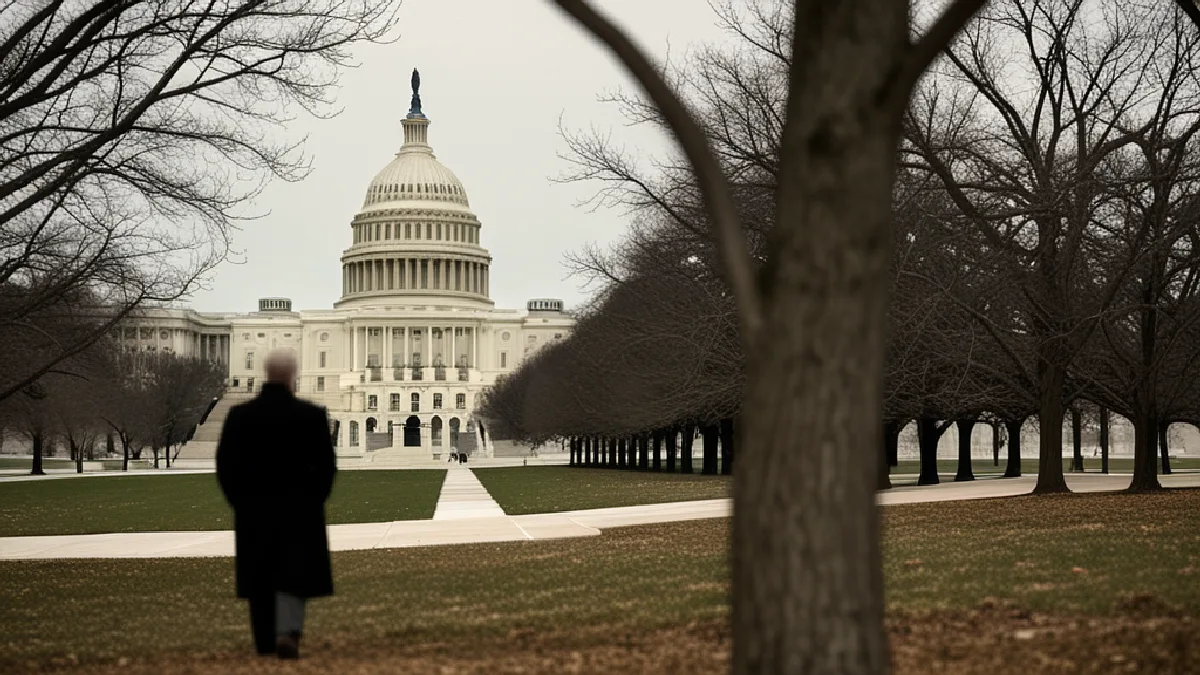
Rhetoric about youth safety has shaped cannabis debates for years. In Nebraska, it was used against medical legalization in 2021 and again in a broader political context now. Whether you agree with it or not, a U.S. senator’s stance can influence national conversations about rescheduling, taxation and how states administer programs.
According to Marijuana Moment’s reporting, Ricketts teamed with a prohibitionist group in 2021 to argue that “medical” is only a label and warned about broader legalization. Since moving to the Senate, he has pushed back on federal moves to reclassify marijuana, and he has supported keeping Internal Revenue Code section 280E disallowances even if rescheduling happens. He also opposed legislation to open banking access for state-licensed cannabis businesses.
Those positions sit upstream of everyday issues consumers and businesses face, including how dispensary operations plan inventory, how caregivers help patients access products, and whether services can expand within the boundaries of marijuana delivery regulations. When federal policy stays uncertain, state-level programs often proceed cautiously, and businesses face higher compliance friction—especially around weed delivery compliance and cannabis courier licensing.
How this compares to other states
Across the country, campaigns have paired health warnings with skepticism of regulated markets, while reform advocates counter that regulated systems provide age checks and oversight. Nebraska is following that familiar script, with ballot activity, legislative fights and now federal positioning from a sitting senator.
Some states have moved in phases—medical first, then broader changes later—while others have kept stricter limits. The specifics vary, but the pattern is consistent: heated messaging, close attention to youth access, and long timelines as rules get written. For delivery specifically, jurisdictions that allow it tend to build extra layers of marijuana transport laws and recordkeeping. Others prohibit or restrict delivery altogether.
If you operate in multiple regions, that patchwork forces conservative planning and careful reading of local rules.
That’s why DMV readers see national political moments and wonder what’s next for cannabis delivery laws, dispensary operations and patient access. Even when a statement originates in Nebraska, it can foreshadow how federal debates frame state implementation questions.
What This Means for DC, Maryland and Virginia Residents
Local programs evolve within a national policy climate. When high-profile senators argue against rescheduling or resist tax and banking fixes, it signals that federal alignment could take time. For DC, Maryland and Virginia consumers, patients and operators, that often translates to cautious timelines and incremental updates on delivery licensing, ID verification standards and transport practices.
Maryland residents—especially medical patients and caregivers—should keep a close eye on official state communications for updates affecting MD dispensaries, order fulfillment and any potential changes to maryland marijuana laws that touch transport or online sales. If you’re comparing product formats like pre-rolls, concentrates or edibles, responsible planning around edibles dosing and pickup or handoff logistics remains essential.
DC and Virginia readers should likewise follow agency notices and any local guidance tied to cannabis delivery laws and marijuana transport laws. If you’re building a compliant operation, do not assume one jurisdiction’s approach carries over to the next. Terminology like cannabis courier licensing might appear similar on paper, but real-world checklists and auditing expectations can differ from county to county.
Federal stakes: rescheduling, 280E and banking
Marijuana Moment notes that Ricketts has advocated against rescheduling and sponsored a bill to keep cannabis businesses from taking federal tax deductions even if reclassification occurs. He also opposed proposals that would allow banks to serve state-licensed operators. Those positions connect directly to the capital, tax and insurance realities that shape delivery expansion decisions.
Without clear federal consensus, operators tend to budget for higher costs, slower payment cycles and added compliance reviews. That can influence delivery radius choices, staffing models and how quickly a retailer can test new services. Even if state programs permit certain activities, national uncertainty can dampen investment in vehicles, routing technology and training.
Nebraska context: what’s on the record

Here’s what’s been reported. In 2021, then-Gov. Ricketts argued against medical cannabis at a press conference. In 2024, Nebraska voters approved medical marijuana measures at the ballot; Osborn’s campaign site says 71 percent voted yes and alleges Ricketts invested $500,000 in ads against it.
In 2026, Osborn’s ad resurfaced the “kill your kids” line, while focusing mostly on broader health care and campaign funding contrasts.
Separately, as a senator, Ricketts has taken positions against federal rescheduling, against changing 280E outcomes for cannabis businesses under rescheduling, and against cannabis banking changes, per Marijuana Moment. Beyond that, the details of Nebraska’s implementation timeline and any rulemaking specifics are not provided in the reporting we are citing here.
Key moments so far
2021: Ricketts publicly opposes medical cannabis as Nebraska’s governor.
2024: Nebraska voters approve medical marijuana ballot measures; Osborn’s site cites 71 percent support and claims $500,000 in opposition advertising.
2026: Osborn releases a Senate campaign ad using Ricketts’s earlier quote; Marijuana Moment documents Ricketts’s federal opposition to rescheduling, cannabis banking and tax relief.
What to watch next
Campaign season: Expect more ads and sharper contrasts on cannabis policy as 2026 elections approach.
Federal policy moves: Monitor official announcements on scheduling, tax guidance and any banking developments that could affect delivery growth plans.
Local compliance: DC, Maryland and Virginia stakeholders should track agency bulletins on marijuana delivery regulations, recordkeeping and transport permissions.
If details remain unsettled, plan conservatively. Build flexible SOPs that can be adjusted as agencies clarify marijuana transport laws and documentation expectations.
Bud Lords Take
Political ads thrive on simple lines, but operations live in the gray areas. Whether you’re a Maryland patient arranging a caregiver pickup or a DC retailer mapping a potential delivery zone, uncertainty around federal rescheduling, 280E and banking translates into real-world friction. That is as true in Omaha as it is in the DMV.
Our read: watch federal messaging closely, because it sets the tone for how cautious state agencies become. For businesses, focus on internal readiness—identity checks, inventory controls, employee training and conservative routing policies—while you wait for clearer guidance. For consumers, especially those comparing pre-rolls, concentrates and edibles, prioritize safe storage at home and informed choices about edibles dosing, regardless of how quickly delivery options evolve.
Is weed delivery legal in my area?
Rules differ by jurisdiction and can change. Before placing an order or launching a service, review official state and local guidance and consult qualified counsel. Our regional explainers track cannabis delivery laws and local updates so you can plan responsibly.
What is cannabis courier licensing?
Many jurisdictions use licensing or authorization frameworks for entities that transport cannabis. The terminology can vary. Always confirm current definitions, application steps and audit expectations with your regulator before moving any product.
How could federal rescheduling affect delivery?
Outcomes are uncertain. Marijuana Moment reports that Sen. Ricketts has opposed rescheduling and related tax relief. Depending on final federal decisions, some business costs or constraints could change, but timelines and specifics remain unresolved.
What does IRS 280E mean for operators?
It is a provision of the federal tax code frequently discussed in cannabis. Marijuana Moment notes that Ricketts backed legislation to continue blocking certain deductions for cannabis businesses even under rescheduling. Operators should consult tax professionals on current requirements.
Do campaign ads really impact delivery rules?
They can influence public opinion and the priorities elected officials bring into legislatures. That, in turn, affects whether programs expand, how fast agencies publish guidance on marijuana transport laws, and how strictly compliance is enforced.
How to use this moment if you’re in the DMV
For consumers and patients: keep documentation handy, follow official guidance, and use trusted channels when engaging with MD dispensaries or local retailers. For operators: maintain a living compliance checklist, prepare staff for ID checks and recordkeeping, and be ready to update policies as agencies clarify marijuana delivery regulations.
We will keep covering federal and regional shifts—from rescheduling debates to local delivery licensing discussions—so DMV readers can navigate maryland cannabis, dc cannabis and virginia cannabis landscapes with confidence. If you have questions you want answered in future guides, tell us what would help your planning.
Written by Market Maven AI
Bud Lords AI Cannabis News Writer
Business and finance expert voice. Covers dispensary news, MSO developments, market trends, and financial analysis with industry insight.
Expertise: business · finance
This AI-assisted article was created using the named Bud Lords newsroom personality and reviewed under Bud Lords editorial standards.


Comments