


_edited.png)
Mimosa Strain Guide: Citrus Flavor, Bright Effects, and What to Know

Updated: 5 days ago
The Mimosa strain is a citrus-forward cannabis cultivar known for an energetic, mood-lifting profile that many consumers associate with daytime or social sessions. It is commonly described as a sativa-dominant hybrid, although the experience can vary considerably by grower, harvest, cannabinoid content, and individual tolerance.
Its name reflects the flavor: bright orange, sweet fruit, and a light floral note often sit at the center of the profile. This guide separates commonly reported strain characteristics from guarantees, because no strain name alone can predict exactly how a product will feel.
What Mimosa is: type, potency, and ideal use
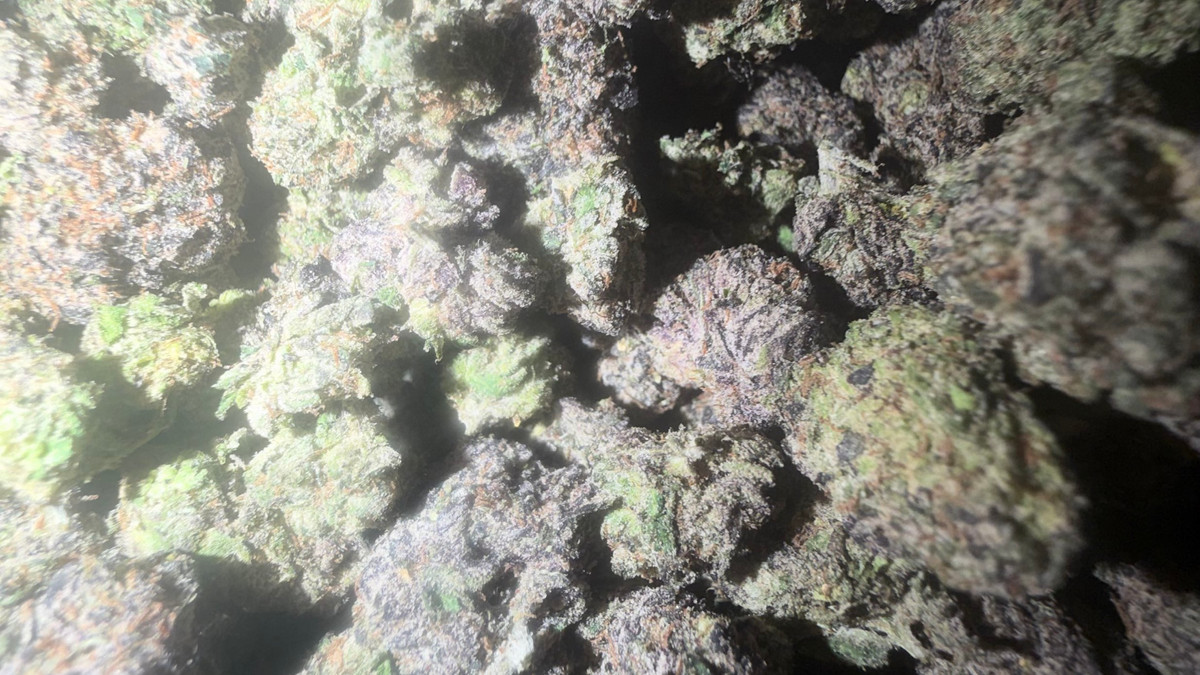
Mimosa is generally categorized as a sativa-dominant hybrid created from Clementine and Purple Punch. The combination is commonly associated with citrus aroma layered over berry, grape, and earthy notes. Some catalogs list different percentages or phenotype descriptions, so the label should be treated as a starting point rather than a complete genetic record.
Reported THC levels often fall in the mid-to-high range, but potency is not fixed across flower, pre-rolls, concentrates, or infused products. Lab results can differ between batches, and products made from the same named cultivar may have very different cannabinoid and terpene profiles.
Mimosa may suit experienced consumers looking for a clear, upbeat-feeling hybrid with pronounced flavor. Newer consumers should be especially mindful that a bright or fruity aroma does not mean mild potency. Product format, serving size, personal tolerance, and the presence of other cannabinoids all matter.
Lineage and genetics: where Mimosa comes from
The lineage most often associated with Mimosa is Clementine crossed with Purple Punch. Clementine is known for its orange-forward character and sativa-leaning reputation, while Purple Punch is commonly linked with sweet grape flavor and a more relaxing hybrid profile.
That pairing helps explain why Mimosa can present two sides at once: a lively citrus opening followed by a softer, heavier finish for some people. The balance is not identical in every phenotype, and commercial growers may select plants that emphasize different aromas, structures, or effects.
Breeder and provenance details are not always presented consistently across strain databases and retail menus. When a product’s genetics matter to you, look for a producer’s verified cultivar information and batch-level testing rather than relying only on a familiar name.
Aroma, flavor, and terpene profile
Fresh Mimosa flower is commonly described as smelling like orange peel, sweet citrus, tropical fruit, and lightly fermented fruit. Some expressions add floral, berry, grape, or earthy notes. The aroma can become more pronounced after grinding, but storage conditions strongly influence how much character remains.
Terpene results vary by phenotype and harvest. Limonene is frequently associated with Mimosa’s citrus character, while myrcene, beta-caryophyllene, linalool, or other terpenes may appear depending on the batch. The actual certificate of analysis is more useful than a strain-wide assumption.
In flower, the flavor may begin with tart orange and finish with sweetness or spice. Vapes and concentrates can amplify certain notes, though extraction and hardware may change the experience. A product marketed as a watermelon mimosa strain, strawberry mimosa strain, or pineapple mimosa strain may be a distinct cultivar, a phenotype, or a flavor-focused product rather than the classic Mimosa lineage.
Reported effects and common uses
Common Mimosa strain effects include an initial sense of mental stimulation, talkativeness, mood elevation, and heightened interest in creative or social activities. Some consumers report that the experience becomes more physically relaxing with time, while others find the cultivar remains relatively alerting throughout.
Those reports are subjective, not promises. A high-THC batch may feel intense, especially for someone with low tolerance, and the same product may feel different depending on sleep, food, setting, stress, and whether it is combined with alcohol or other substances.
People often choose Mimosa for daytime routines, outdoor activities, conversations, music, or creative work. That does not make it appropriate for driving, operating equipment, professional responsibilities, or any situation requiring reliable coordination and judgment.
Medical and wellness reports
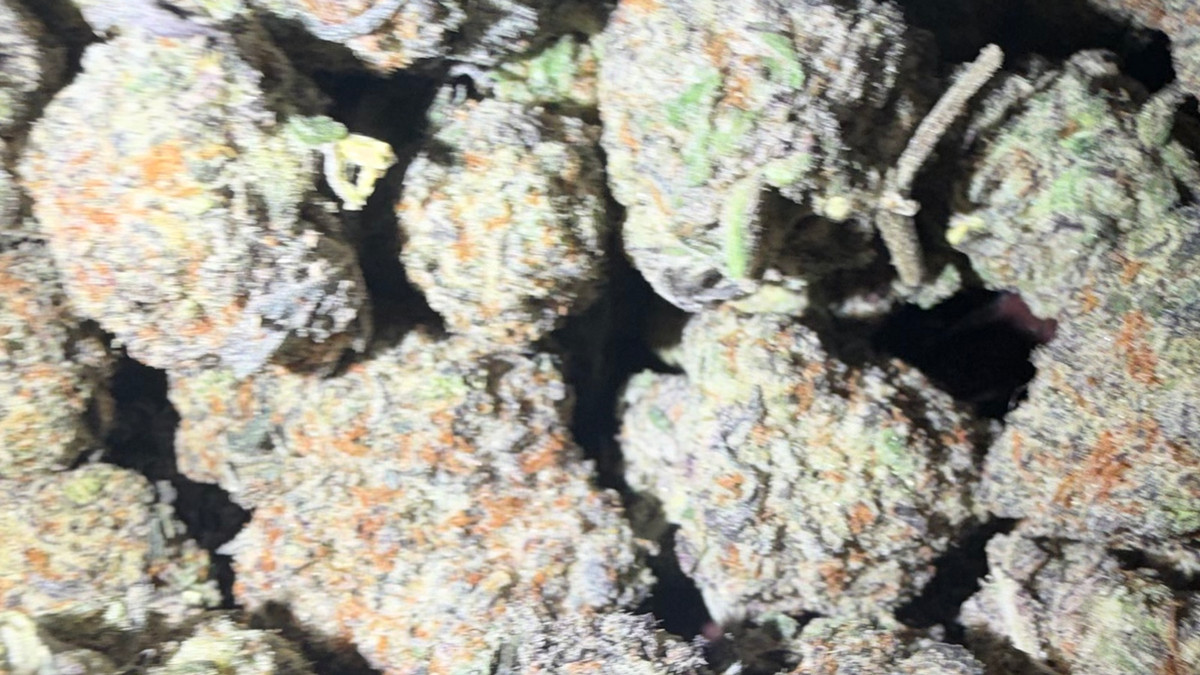
In consumer discussions, Mimosa is sometimes mentioned in connection with temporary relief from low mood, stress, fatigue, reduced appetite, or discomfort. These are personal reports, not established treatment outcomes, and they should not be read as proof that Mimosa treats or cures any condition.
Cannabis can also produce unwanted effects, including anxiety, dizziness, dry mouth, impaired attention, or a racing heart. Anyone using cannabis for a health concern should discuss the decision with a qualified healthcare professional, particularly when taking prescription medicines or managing a mental-health, cardiovascular, or respiratory condition.
For edible products, delayed onset is an important practical consideration. Edible dosing is not interchangeable with inhaled cannabis, and taking more before the first serving has fully taken effect can increase the chance of an uncomfortable experience. Follow the product label and applicable local rules.
Grow notes: difficulty, flowering, yield, and climate
Mimosa is commonly described as a moderate-difficulty cultivar for growers. It may perform indoors or outdoors when its basic needs are met, but the plant’s final size, structure, flowering period, and yield depend on the specific cut, environment, training, and cultivation skill.
Published grow descriptions often place flowering in roughly the nine-to-eleven-week range, though this should be treated as an approximate window rather than a guarantee. Harvest timing is better determined through the plant’s development and the grower’s intended outcome than by a calendar number alone.
Outdoor plants generally prefer a warm, sunny climate with good airflow and protection from excess moisture late in flower. In the DMV, Maryland and Virginia growers should pay attention to humidity, rain, temperature swings, and local home-cultivation rules. Washington, DC has its own regulatory framework, so confirm current requirements before growing.
Yield claims vary widely and are particularly easy to overstate. Training, container size, light intensity, genetics, pest management, and harvest decisions can all change the result. Strong citrus aroma may also attract attention during flowering, making odor control and respectful neighborhood practices worth planning for.
Similar strains worth trying
Fans of Mimosa’s citrus-and-energy profile may enjoy Clementine, Tangie, or other orange-forward cultivars. Those looking for more sweetness can explore fruit-led varieties such as Strawberry Cough or cultivars sold under names like strawberry mimosa, provided the product’s tested profile matches what they want.
Consumers seeking a heavier hybrid may encounter Mimosa Kush Mints, Mimosa x Orange Punch, or GMO x Mimosa. These names do not describe one universal experience: cross names can be used for distinct breeder projects and may emphasize mint, orange, savory, or diesel notes.
Blue Mimosa, Pineapple Mimosa, Watermelon Mimosa, and Mimosa Evo are additional names that may appear on menus or seed catalogs. They should not automatically be assumed to be identical to classic Mimosa. Compare the listed genetics, terpene results, cannabinoid levels, and product type before deciding which profile sounds closest.
The Bud Lords Take: finding the right Mimosa expression in the DMV
Our take: Mimosa is most compelling when the product preserves its citrus character without turning the experience into a blunt blast of THC. A well-made batch should invite attention to aroma and balance, not just advertise a large potency number.
For DC, Maryland, and Virginia readers, the practical lesson is to judge the product in front of you rather than the strain name on the menu. Medical programs, adult-use rules, possession limits, gifting frameworks, and retail access differ across the DMV and can change, so check current official guidance for your jurisdiction before acting.
The same caution applies to format. Mimosa flower, a pre-roll, a concentrate, and an edible can deliver very different timing and intensity even when they share a label. If you are comparing options, start with the batch information, read the cannabinoid and terpene results where available, and choose a setting where you can remain safely at home and unimpaired.
Mimosa is not automatically a morning strain, a productivity strain, or a social guarantee. It is a citrus-led cultivar with a commonly reported upbeat profile that may work well for some consumers and feel overstimulating for others. The best match comes from understanding your own response and paying attention to the specific product’s testing.
Is Mimosa an indica or sativa?
Mimosa is most commonly classified as a sativa-dominant hybrid. Those labels are broad marketing categories, so the actual experience depends more on the cultivar, batch, cannabinoid content, terpene profile, and individual response.
What does the Mimosa strain taste like?
It is commonly associated with orange, lemon, sweet citrus, tropical fruit, and occasional berry or grape notes. The exact flavor can change with phenotype, curing, storage, and extraction method.
Does Mimosa make you sleepy?
Some consumers describe Mimosa as alerting at first and more relaxing later, while others find it consistently stimulating. There is no dependable sleepiness guarantee, and high-potency products may feel uncomfortable rather than calming.
Are Watermelon Mimosa and Strawberry Mimosa the same strain?
Not necessarily. Those names may refer to separate crosses, selected phenotypes, or products built around a flavor concept, so check the listed genetics and batch testing instead of assuming they match classic Mimosa.
Mimosa is not in the Bud Lords menu right now. Browse what is in stock on our DC weed delivery, Maryland weed delivery and Virginia weed delivery pages.
More strain guides: Super Boof, Glitter Bomb, Cereal Milk.
What Mimosa is: type, potency, and ideal use?
Mimosa is generally categorized as a sativa-dominant hybrid created from Clementine and Purple Punch. The combination is commonly associated with citrus aroma layered over berry, grape, and earthy notes. Some catalogs list different percentages or phenotype descriptions, so the label should be treated as a starting point rather than a complete genetic record.
Is Mimosa an indica or sativa?
Mimosa is most commonly classified as a sativa-dominant hybrid. Those labels are broad marketing categories, so the actual experience depends more on the cultivar, batch, cannabinoid content, terpene profile, and individual response.
What does the Mimosa strain taste like?
It is commonly associated with orange, lemon, sweet citrus, tropical fruit, and occasional berry or grape notes. The exact flavor can change with phenotype, curing, storage, and extraction method.
Does Mimosa make you sleepy?
Some consumers describe Mimosa as alerting at first and more relaxing later, while others find it consistently stimulating. There is no dependable sleepiness guarantee, and high-potency products may feel uncomfortable rather than calming.
Are Watermelon Mimosa and Strawberry Mimosa the same strain?
Not necessarily. Those names may refer to separate crosses, selected phenotypes, or products built around a flavor concept, so check the listed genetics and batch testing instead of assuming they match classic Mimosa. Mimosa is not in the Bud Lords menu right now.


Comments