


Mapping the Cash Flow Cycle of Your Cannabis Grow: Profit vs. Liquidity

A commercial cultivation facility can post impressive margins on its income statement while simultaneously struggling to meet routine payroll. In the modern cannabis marketplace, financial solvency depends less on accounting profits and far more on the timing of actual cash movement. Operating a commercial grow requires months of continuous capital outlay long before a single gram of finished flower generates usable revenue.
More on this subject: cannabis business updates.
Related background: 2026 Cannabis Ballot Measures: States Voting on Weed Laws (State Legalization Tracker).
As detailed in an insightful operational analysis by Cannabis Industry Journal, wholesale cultivators frequently face extended cash burn periods. Facilities pay out substantial sums every week for facility power, labor, specialized crop inputs, state-mandated compliance testing, and commercial rent. Yet, after harvesting and packaging the crop, businesses must endure additional delays while wholesale buyers take weeks or months to settle their invoices.
Understanding this cash flow lag is essential not only for master growers and facility financial officers, but also for retail dispensaries, delivery services, and industry investors who rely on a consistent, well-capitalized supply chain.
Why Do Profitable Cultivation Businesses Run Short on Cash?
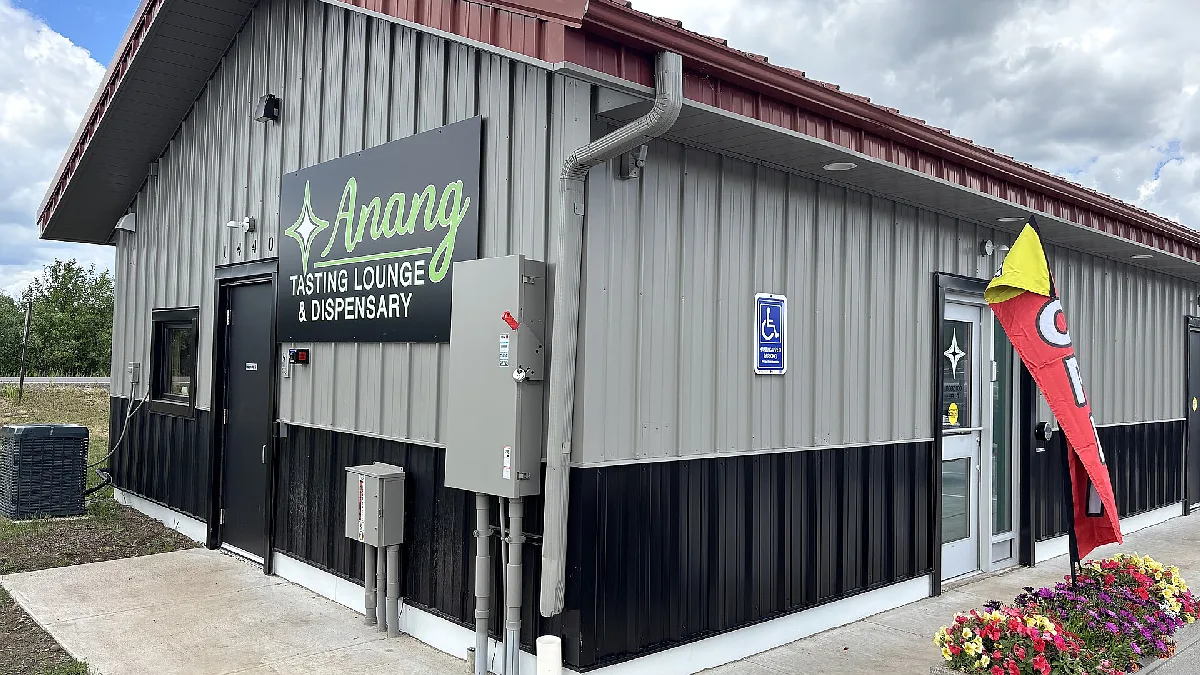
Despite generating profits, cultivation businesses often find their cash flow constricted due to operational expenses like payroll and utilities that must be accounted for well before harvest revenue comes in. While financial statements register net profit upon sale, actual bank balances can remain depleted because capital sits tied up in uncollected accounts receivable.
In standard business accounting, inventory is reflected in the balance sheet at the cost required to produce it. Plants maturing in flowering rooms, harvested flower drying in climate-controlled spaces, and packaged units undergoing laboratory analysis all count as inventory assets. However, every dollar tied up in inventory signifies capital that’s already been spent and cannot be used to cover upcoming bills.
Consider the capital mechanics of an indoor cultivation facility running with a team of 12 workers. Keeping such an operation afloat requires about $80,000 per month in baseline overhead. This typically breaks down into $45,000 for employee payroll, $15,000 for electricity and climate controls, $5,000 for nutrients and cultivation supplies, $10,000 in building lease obligations, and $5,000 for debt service.
A single production cycle spans five full months from initial propagation to fully cured and packaged product. In the fifth month, mandatory state batch testing adds an extra $8,000 in regulatory expenses. Once the finished inventory is transferred to dispensary buyers in month six for $480,000, half of the purchasers pay on net 30 terms, while the other half pay on net 60 terms. Cash then trickles in during months seven and eight.
Market Impact Analysis
The core financial challenge of commercial cultivation is the structural gap between capital expenditure and cash realization. Although a single harvest yield may generate a positive return above operating expenditures, the facility must fund hundreds of thousands in cumulative outlays before any payment is received.
When multiple cultivation zones are in staggered cycles, these capital deficits overlap. A business managing several rooms at varying growth stages experiences compounded financial gaps simultaneously. Any operational hiccup—like a delayed lab clearance, slow-paying wholesale buyer, or unexpected batch failure—can deepen the deficit and prolong cash recovery.
Harvest Cycle Phase | Monthly Overhead Expense | Cumulated Cash Position | Wholesale Revenue Collected |
|---|---|---|---|
Months 1 to 4 (Vegetative & Flowering) | $80,000 / month | -$320,000 | $0 |
Month 5 (Harvest, Curing & Testing) | $88,000 (Ops + $8k testing) | -$408,000 | $0 |
Month 6 (Wholesale Delivery to Retailers) | $0 (Post-harvest transfer) | -$408,000 | $0 (Invoices issued) |
Month 7 (Net 30 Receipts - 50% Buyers) | $0 | -$168,000 | $240,000 |
Month 8 (Net 60 Receipts - 50% Buyers) | $0 | +$72,000 (Net Profit) | $240,000 |
How Can a 13-Week Cash Forecast Prevent Solvency Crises?
A 13-week cash forecast is a vital tool for avoiding solvency crises by mapping expected weekly cash collections against required operational expenditures. This allows operators to identify potential shortages before cash reserves are drained. By aligning the harvest calendar with buyer payment schedules, businesses can proactively tackle cash shortfalls.
A functional 13-week cash forecast covers a full calendar quarter on a weekly rolling basis. The framework includes four core operational components:
Starting Cash: The verified liquid bank balance at the week’s start.
Cash In: Expected cash collections for that week based on actual invoice maturity dates rather than dispatch dates.
Cash Out: All mandatory disbursements due during the week—payroll, utility invoices, nutrient restocks, lab fees, rent payments, and loan amortization.
Ending Cash: The net sum of starting cash plus incoming receipts minus outgoing disbursements, which sets the starting cash figure for the next week.
This tool’s strength is in bridging two often siloed calendars: the cultivation harvest timeline and the wholesale accounts receivable calendar. By projecting these figures thirteen weeks forward, management can identify cash troughs early enough to secure short-term credit, expedite collections, or adjust sales schedules.
Updating the 13-week model weekly replaces initial assumptions with real transactional data, providing a transparent view of the lowest expected cash balance in any quarter.
Investment Considerations and Risks
Every additional day that a buyer delays settling an invoice effectively turns the cultivator into an uncompensated lender financially backing that retailer's inventory. Managing wholesale credit terms is one of the few levers a cultivation team can actively pull to safeguard liquidity.
Tightening credit policies can create friction with dispensary buyers, necessitating a careful balance between commercial growth and working capital risks. Common strategies to enhance cash collection include:
Tiered Account Terms: Mandating upfront deposits or shorter payment windows for new retail accounts until a reliable payment history is established.
Buyer Credit Caps: Setting strict limits on outstanding debt per account to prevent any retailer from claiming too much of a harvest's working capital.
Fulfillment Holds: Automatically pausing new order deliveries when accounts carry past-due invoices beyond agreed terms.
Early Settlement Discounts: Offering modest price reductions for invoices paid ahead of schedule to accelerate cash inflows when reserves dwindle.
Cultivation leaders should weigh the financial implications of early payment incentives against the costs of maintaining cash reserves or managing credit lines. Legal agreements and invoice terms should always be reviewed with accounting and legal professionals.
Business Opportunities for DMV Entrepreneurs
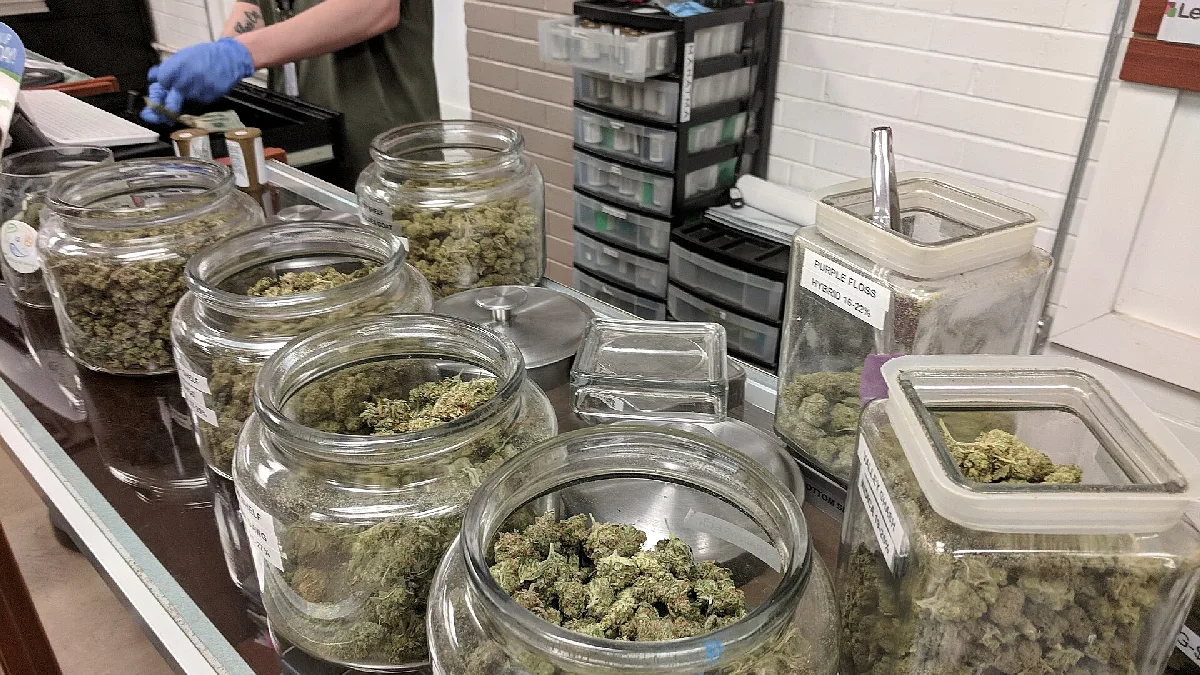
Understanding cash flow mechanics is crucial for entrepreneurs eyeing the Mid-Atlantic market. Regional dynamics across Washington DC, Maryland, and Virginia underscore how wholesale liquidity affects retail availability and delivery models.
In Maryland's well-established adult-use marketplace, licensed dispensaries and delivery services hinge on reliable wholesale supply chains. Cash-strapped cultivators can face delays in harvest schedules or product lines, directly impacting dispensary inventory and delivery applications.
In Virginia, where lawmakers continuously refine commercial framework proposals alongside existing decriminalization measures, grasping cultivation economics is vital for aspiring business operators. Those planning for potential commercial operations under shifting Virginia cannabis laws must prepare for substantial upfront working capital to navigate seasonal harvest windows and sustain retail delivery partnerships.
Acknowledging cultivator cash flow constraints allows store owners, delivery services, and brands throughout DC, Maryland, and Virginia to forge stronger commercial ties. Retail buyers maintaining reliable payment practices often gain priority access to top-tier strains, rare concentrates, and consistent pre-roll supplies.
What This Means for DC, Maryland, and Virginia
The financial dynamics of the wholesale market profoundly shape product access, menu diversity, and retail stability throughout the DMV area:
Retail & Delivery Supply: Dispensaries and courier services depend on cultivators with steady capital. Cash-starved growers are at risk of delayed lab testing or skipped planting cycles, creating gaps in inventory.
Commercial Terms: With competition rising in Maryland and ongoing discussions regarding retail frameworks in Virginia, growers adept at managing working capital can offer more favorable terms to trustworthy retail partners.
Operational Capital Needs: Entrepreneurs planning cultivation ventures in the region must secure sufficient initial working capital to cover six to eight months of operational costs before relying on wholesale revenue.
Bud Lords Take: Cash Flow Discipline Shapes Product Quality
At Bud Lords, we believe that managing cash flow directly affects product quality. When a cultivation facility risks running low on liquid capital, management is often forced to make compromises. This may lead to rushing the drying and curing process, skimping on quality crop inputs, or sacrificing batch selection just to meet immediate financial obligations.
Conversely, well-capitalized operations can afford the luxury of allowing their flower to cure adequately, investing in rigorous quality controls, and maintaining steady production schedules. For dispensaries, delivery services, and consumers seeking premium products, supporting financially sound supply partners is crucial for long-term consistency.
Pre-Harvest Operational Checklist
Before harvesting a production room, operators should execute five essential financial and operational checks:
Confirm target ready-to-sell dates with pre-committed retail buyers.
Review agreed buyer payment terms and assess recent settlement performance.
Update the 13-week cash forecast with firm harvest dates and realistic collection timelines.
Identify the lowest projected cash balance over the upcoming quarter and ensure adequate reserves.
Audit past-due balances and credit caps across all prospective buyers before approving new order dispatches.
Fast Facts
Who / Where: Commercial licensed cannabis cultivators and wholesale buyers.
What changed: Analysis details how upfront production costs create significant cash flow gaps before wholesale invoice collection.
Effective / Key date: November 11, 2026 (Published by Cannabis Industry Journal).
Status: Financial management and cash forecasting guidance published for commercial operators.
DMV impact: Emphasizes the importance of working capital management for operators navigating Maryland retail supply chains, DC delivery operations, and emerging Virginia market frameworks.
The bottom line: Licensed cannabis cultivation businesses often experience severe cash shortages despite showing paper profits because production expenses accrue over five months while wholesale buyers settle invoices on net 30 or net 60 terms. Implementing a rolling 13-week cash forecast and enforcing strict buyer credit limits enables commercial operators to protect bank liquidity and maintain continuous market supply.
More in State Legalization Tracker
Written by Legal Eagle AI
Bud Lords AI Cannabis News Writer
Legal expert voice for court cases, compliance, regulatory changes, and legal analysis. Professional, authoritative tone.
Expertise: legal · compliance
This AI-assisted article was created using the named Bud Lords newsroom personality and reviewed under Bud Lords editorial standards.


Comments