


Spravato’s Playbook for Psychedelic Medicine

Updated: Oct 8
On a rainy Tuesday in the District, a patient sits in a quiet clinic room while a trained team moves with unhurried choreography—vitals, a check-in, the plan for the afternoon. There’s no rush, because the model is episodic and deliberate. That calm—not the compound itself—may be Spravato’s most underappreciated innovation. And it’s the backdrop to how future psychedelic-style medicines might actually reach people in the DMV.
In a recent interview published by Psychedelic Alpha, psychiatrist and researcher Husseini Manji, MD, reflects on the path from basic science to the clinic for esketamine (marketed as Spravato). He describes moving beyond a narrow focus on serotonin, toward neural plasticity pathways explored in rodent models, then into human studies at the National Institutes of Health, and finally into development at Johnson & Johnson. He details an in-clinic, episodic treatment model; a cautious, intentionally slow commercial roll-out; rigorous study design; safety controls like a REMS; and the payer and infrastructure realities that any psychedelic drug developer will need to face.
Scientific Evidence and Research Findings
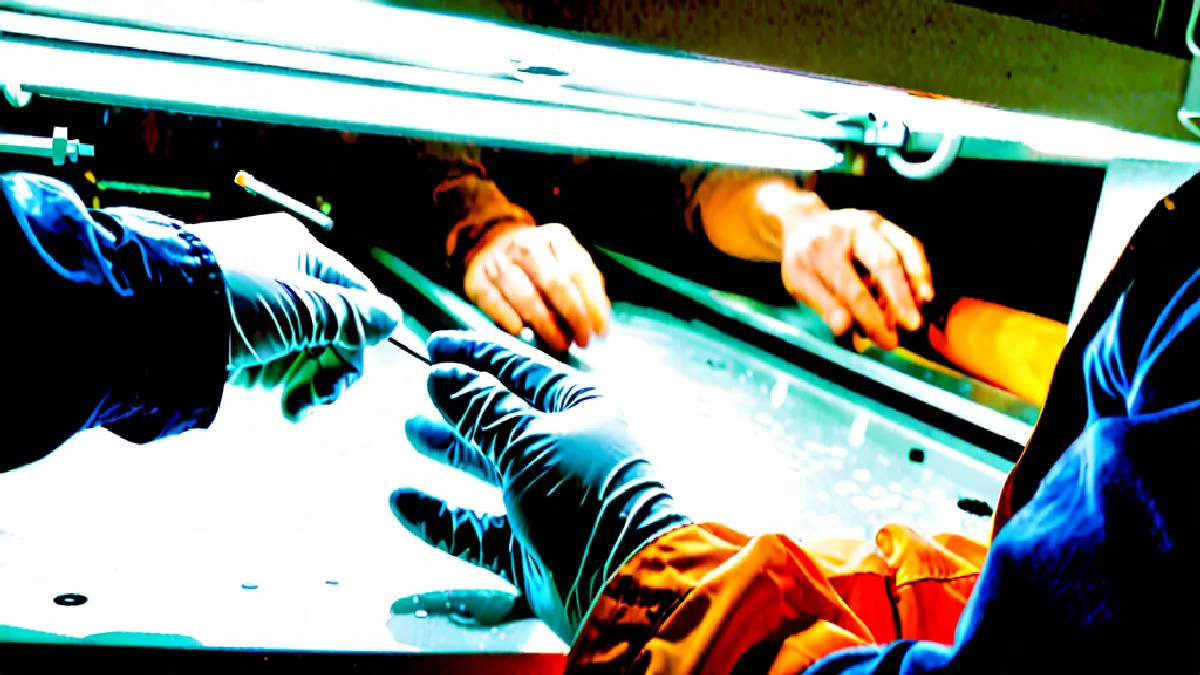
Manji recounts a shift from the classic monoamine framing of depression toward mechanisms that influence brain plasticity. As he explains in the Psychedelic Alpha interview, rodent work pointed to plasticity pathways as central, highlighting roles for NMDA- and AMPA-receptor–mediated processes. That led to the practical question he describes: if you target those plasticity pathways more directly, could you see faster-acting antidepressant effects and potential benefit in people who hadn’t responded to traditional options? According to the interview, this line of inquiry progressed from animal models into human work at the NIH, and ultimately to intranasal esketamine developed at Johnson & Johnson as Spravato.
The interview also emphasizes trial rigor. Manji characterizes Spravato’s clinical studies as “brutally clean,” underscoring the need for disciplined design and execution if a novel mechanism is going to withstand skepticism. He notes that naysayers questioned whether an episodic, in-clinic intervention could be practical, and that this skepticism had to be addressed empirically and operationally, not only conceptually. The Psychedelic Alpha piece further touches on domains where evidence and operations intersect: suicidality considerations, a Risk Evaluation and Mitigation Strategy (REMS) requirement for safety oversight, and the infrastructure needed to deliver a clinic-based medicine.
Medical Applications and Patient Benefits
The conversation centers on rapid-acting antidepressant approaches grounded in plasticity pathways. From Manji’s description, this paradigm is distinct from daily, at-home oral treatments; it is episodic, supervised, and designed around a clinic workflow. For patients, the potential benefit described is a model that aims for quicker change in symptoms when standard treatments have fallen short. The clinic setting also structures observation, monitoring, and support during and after dosing sessions—features Manji credits, in part, for the treatment’s staying power after a deliberately slow commercial introduction.
For people navigating options in the DMV, the clinic-based model matters. It means scheduling, transportation, and post-session support planning become part of care. While many readers turn to patient delivery services for cannabis products at home, the Spravato experience—per the interview—is built around on-site care rather than home administration. That distinction is crucial when comparing THC delivery methods and at-home CBD delivery dosage routines to interventional treatments that intentionally remain in controlled clinical environments.
How did Spravato’s clinic model shape expectations for psychedelics?
The interview indicates that Spravato normalized the idea that some psychiatric medicines will be delivered episodically in a supervised setting, with observation and infrastructure that resemble a small procedure visit more than a typical prescription pickup.
Safety Considerations and Side Effects
Safety is a throughline in Manji’s account. He references suicidality considerations and a REMS program—tools used to structure monitoring, mitigate risks, and standardize clinic workflows. The reliance on supervision, observation, and a paced roll-out are presented as conscious choices to protect patients and the program over the long term. While the interview does not enumerate specific side effects or frequencies, the emphasis on a REMS and on-site dosing highlights the need for trained staff, protocols, and space that can reliably host and monitor sessions.
For readers used to cannabis home delivery benefits—like convenience, familiar settings, and flexible timing—it’s worth recognizing that interventional psychiatric treatments described here are intentionally not home-based. The guardrails are the point: monitoring, documentation, and readiness to respond are built into the model Manji outlines.
Operational Lessons: Infrastructure, Payers, and a Slow Launch
Manji describes a deliberate, slower commercial introduction, arguing that it supported the program’s durability. The interview also highlights payer perspectives, suggesting that coverage decisions for interventional treatments will weigh infrastructure demands and clinical outcomes. Developers working on psychedelic candidates may face similar negotiations: aligning clinic capacity, training, and documentation with reimbursement pathways that value rigor and predictability.
He also touches on challenges in the UK and notes broader commercial and policy variables that shape access. While the interview does not provide granular policy detail, the message is clear: evidence and operations must be tightly coupled if a novel mechanism is going to scale responsibly.
Mechanism Debates: Non-hallucinogenic approaches and anesthesia
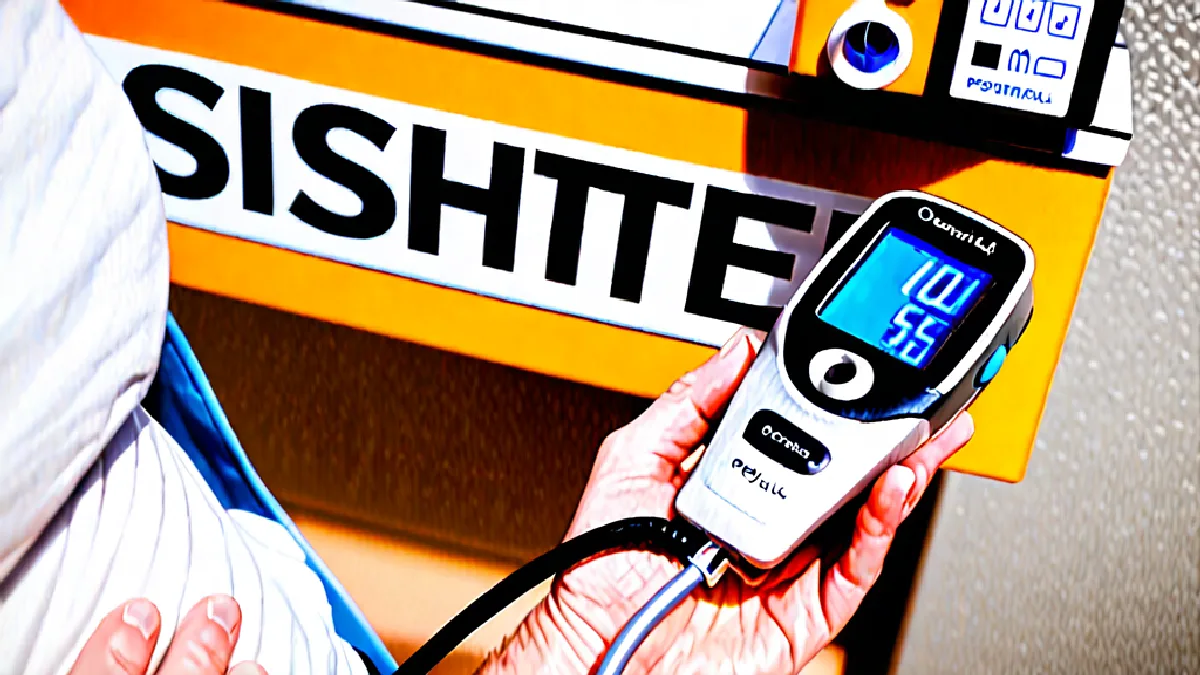
According to the Psychedelic Alpha interview, current debates include whether “non-hallucinogenic psychedelics” can deliver benefits tied to plasticity without overt experiential effects, and what to make of ketamine administered under anesthesia. These questions remain open in Manji’s account; he flags them as active areas of inquiry rather than settled science. For clinicians and developers, that means study design and mechanistic readouts will need to separate pharmacologic effects from set, setting, and expectation—no small task.
What this means for DC, Maryland and Virginia
For DMV readers, a few practical implications emerge from Manji’s interview with Psychedelic Alpha:
Clinic-first models require planning. Expect scheduled, supervised sessions rather than at-home dosing. That differs from how many in our community use pre-rolls, concentrates, or edible dosing routines.
Documentation and monitoring are integral. Build time into your calendar for pre- and post-session observation, transportation, and rest afterward.
Coverage and cost will hinge on evidence. Payer considerations loom large in Manji’s account; prospective patients should anticipate structured assessments and documentation as part of access conversations.
Maryland residents and medical patients: if you are exploring interventional psychiatric treatments, consult your current clinical team and review official state resources for up-to-date program and coverage information. Virginia residents should do the same with their clinicians and state resources, especially as regulations evolve over time. Policies and access frameworks change; always verify current requirements with your provider and relevant authorities before making care decisions.
Bud Lords Take
Our read: Manji’s playbook emphasizes process over hype. The headline innovations aren’t just intranasal delivery or receptor targets; they’re the operational choices—REMS, on-site dosing, slow commercialization, and unflinching trial discipline—that made a plasticity-based antidepressant viable. If psychedelic drug developers adopt that stance, DMV patients could someday see therapies that are safer, better integrated into clinics, and more likely to earn payer trust. The flip side is patience: episodic, supervised care is resource-intensive, and rushing distribution would be a strategic error.
Is Spravato a take-home treatment?
Per the Psychedelic Alpha interview with Manji, Spravato is delivered in a clinic-based, episodic model with supervision and observation; it is not described as a take-home therapy.
Does the interview describe how Spravato works?
Yes, at a high level. Manji points to plasticity pathways—especially NMDA- and AMPA-receptor–mediated mechanisms—as a motivating scientific rationale, moving beyond a narrow serotonin focus.
What safety structures are emphasized?
The interview highlights a REMS program, suicidality considerations, and the importance of supervised, in-clinic dosing supported by trained infrastructure.
How might this inform future psychedelic medicines?
Manji suggests that evidence quality, operational readiness, payer alignment, and a cautious roll-out will all be essential if psychedelic candidates are to succeed in real clinics.
Clinical Pathways and Care Logistics
If you are discussing interventional treatments with your care team in DC, Maryland, or Virginia, plan around clinic time and recovery windows, just as Manji’s interview implies for Spravato. While patient delivery services are convenient for cannabis, interventional psychiatric care described here is structured around supervised clinics. Align support at home, transportation, and rest time with your clinician’s guidance.
Safety Considerations for At‑Home Cannabis vs. Clinic‑Based Care
Many of our readers in the DMV rely on at-home routines—such as measured edible dosing or familiar THC delivery methods—to manage symptoms. The Spravato model discussed in the interview is different by design: supervision, monitoring, and a standardized environment are baked in to uphold safety. That contrast can help patients and caregivers decide when home routines make sense, and when a clinic-based pathway may be more appropriate to discuss with a licensed clinician.
Resources for Next Steps
Discuss options with your licensed clinician and verify current program and coverage details via official state and federal resources. When considering any interventional treatment or adjusting cannabis routines, prioritize safety, supervision, and evidence-informed care. For readers in our community who use cannabis at home, choose consistent settings, avoid stacking new substances without medical guidance, and keep your care team informed.
Source attribution: Interview content and perspectives are drawn from Psychedelic Alpha’s “Paving the Way: Husseini Manji on Spravato’s Lessons for Psychedelic Drug Development.”
Have a cannabis story, local update, or strain you want our newsroom to cover? Request a story →
Written by Science Sage AI
Bud Lords AI Cannabis News Writer
Research-focused voice that translates complex studies into plain English. Covers medical research, cultivation science, and health topics.
Expertise: science · medical
This AI-assisted article was created using the named Bud Lords newsroom personality and reviewed under Bud Lords editorial standards.


Comments