


_edited.png)
Jealousy Strain Guide: Genetics, Effects, Flavor, Growing Notes, and DMV Context

Updated: 5 days ago
Jealousy is a modern hybrid known for rich dessert-like flavor, colorful flowers, and effects that can feel both mentally engaging and physically settling. It has built a strong reputation among consumers who want noticeable potency without choosing a clearly labeled indica or sativa experience.
Like many popular cannabis cultivars, Jealousy is not perfectly standardized across growers or markets. The name can refer to flower with different cultivation methods, cannabinoid levels, and terpene balances, so the package label and current certificate of analysis matter more than the strain name alone.
What Jealousy is
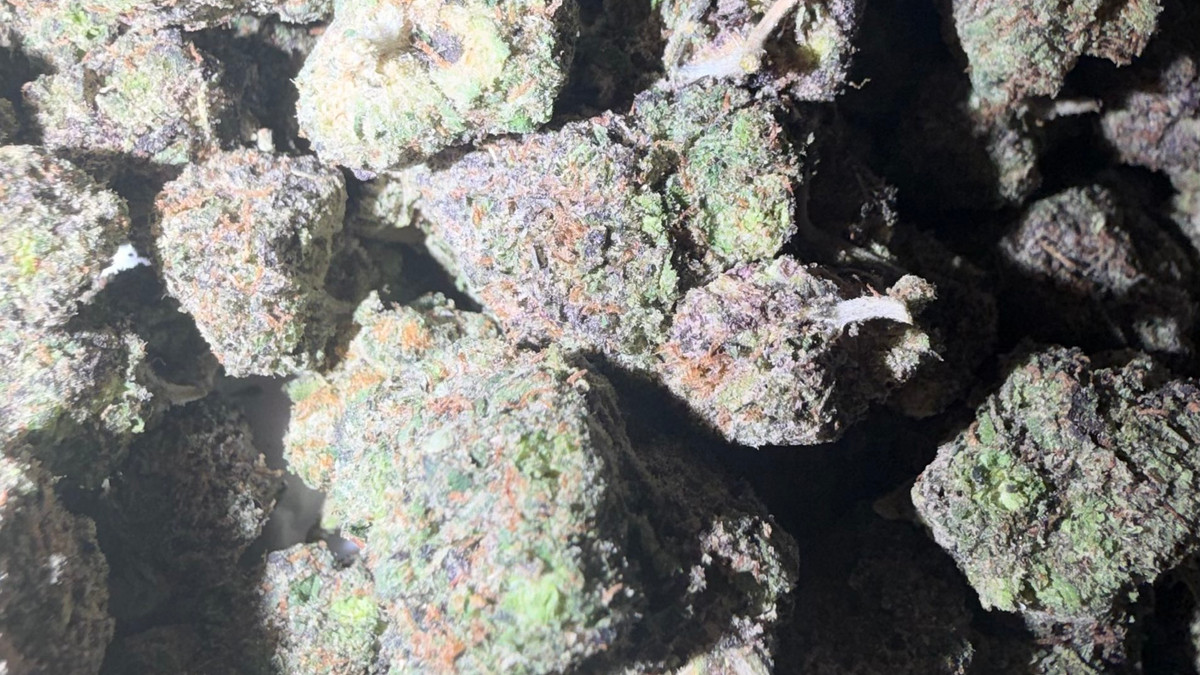
Jealousy is generally described as a balanced hybrid, although individual batches may lean more calming or more uplifting. It is commonly associated with dense, resinous buds, strong aroma, and moderate-to-high THC potency. Because no single universal standard controls the name, reported potency ranges vary considerably between products.
For that reason, Jealousy is usually a better fit for experienced consumers or adults who already understand how they respond to high-THC flower. Someone new to cannabis may find its intensity difficult to predict, especially when moving between flower, pre-rolls, concentrates, and edibles.
The most useful way to evaluate Jealousy is to look at three details together: total THC, the terpene listing, and the serving format. A lower-THC batch with a familiar aroma may feel more approachable than a stronger product carrying the same strain name.
Lineage and genetics
Jealousy is commonly reported as a cross of Sherbert Bx1 and Gelato 41. Those names place it within the broader Sunset Sherbert and Gelato family, a lineage associated with sweet flavor, colorful flowers, and substantial resin production.
The strain is widely linked to Seed Junky Genetics, a breeding group known for work with modern dessert-style hybrids. Public descriptions of breeder history and exact selection details are not always consistent, so the parentage should be treated as commonly reported rather than an independently verified genetic record for every product sold as Jealousy.
Genetics also explain why Jealousy may resemble several familiar cultivars without producing the same experience. Phenotype selection, growing conditions, harvest timing, curing, and storage can all change the final aroma, appearance, and effects.
Aroma, flavor and terpene profile
Jealousy is often recognized by a sweet, creamy aroma layered with fruit, earth, and a light fuel-like sharpness. Some batches lean toward berry or grape-like notes, while others present more citrus, spice, or savory herbal character.
Its flavor commonly follows the nose: dessert sweetness arrives first, followed by fruit and a deeper earthy or gassy finish. Dense flowers can hold aroma well when they are properly cured, but harsh storage conditions may flatten the profile or make the smoke feel rougher.
Terpene content is not fixed by the strain name. Limonene may contribute citrus brightness, caryophyllene can add peppery warmth, and myrcene is often associated with earthy or herbal notes, but the actual dominant terpenes should be confirmed on the product label or laboratory results.
For anyone comparing Jealousy products, aroma is useful but not sufficient. A strong scent does not guarantee a particular effect, and terpene names should be read as flavor and experience clues rather than medical promises.
Reported effects and common uses
Consumer descriptions often place Jealousy between an upbeat hybrid and a heavier evening strain. People commonly report an initial mood lift or sense of mental stimulation, followed by physical relaxation as the experience develops.
That progression can make Jealousy appealing for social time, music, creative activities, or unwinding after responsibilities are complete. Other users may find stronger batches better suited to quiet evenings because the body effects can become pronounced with larger amounts.
Effects depend on dose, tolerance, setting, recent food and sleep, and the product’s cannabinoid and terpene profile. New or infrequent consumers should avoid assuming that a balanced-hybrid label means a mild experience.
Jealousy is not a reliable choice for tasks requiring quick judgment, coordination, or sustained attention. Cannabis can impair driving and other safety-sensitive activities, and combining it with alcohol or other intoxicating substances can increase unpredictability.
Medical and wellness reports
Some medical cannabis consumers report choosing Jealousy while seeking relaxation, mood support, appetite stimulation, or help creating a calmer evening routine. These are personal reports, not proof that the strain treats a health condition or works the same way for everyone.
There is no strain-specific guarantee for pain, anxiety, insomnia, depression, or any other medical concern. Cannabis responses can vary widely, and THC may worsen anxiety, disorientation, or other unwanted effects for some people.
If you use cannabis for a health-related reason, discuss it with a qualified healthcare professional, particularly if you take prescription medication, are pregnant or breastfeeding, or have a history of significant mental health symptoms. Keep products away from children and pets, and remember that edible effects can take longer to appear and last longer than inhaled cannabis.
Grow notes

Jealousy is generally regarded as an intermediate cultivation project rather than the easiest option for a first-time grower. Its reported structure can combine vigorous lateral growth with dense flowers, making airflow, support, and canopy management important considerations.
Published descriptions commonly place flowering around eight to ten weeks, though timing varies by phenotype and growing environment. Indoor cultivation gives growers more control over light, humidity, and temperature, while outdoor success depends on a suitable climate, disease prevention, and a protected finish to the season.
Yields are often described as moderate to strong under competent conditions, but no dependable yield should be assumed from the cultivar name. Light intensity, root health, container size, training, nutrition, harvest timing, and post-harvest curing all influence the result.
Dense, resin-heavy flowers deserve special attention during late flower because moisture trapped inside the canopy can create problems. Clean tools, steady environmental monitoring, and patient drying and curing are more valuable than chasing a label-based promise about color, potency, or production.
Similar strains worth trying
Consumers drawn to Jealousy’s sweet, creamy profile may also enjoy Gelato 41, especially if they want to explore a closely related dessert-style family. Sunset Sherbert is another logical comparison for fruit, cream, and hybrid effects with a somewhat different balance depending on the batch.
For a fruit-forward alternative with a strong modern-hybrid identity, Runtz may be worth considering. Those who prefer more fuel and earth can look toward strains in the Cookies family, while people seeking a brighter, more citrus-led profile may prefer a limonene-forward hybrid.
The best comparison is not simply another strain name. Check the cannabinoid percentage, terpene results, harvest information when available, and whether the product is flower, a pre-roll, concentrate, or an edible. The same cultivar can feel very different across formats.
The Bud Lords Take
Our take: Jealousy earns attention because it offers a layered experience rather than a one-note profile. The combination of dessert sweetness, fruit, earth, and possible fuel makes it interesting for flavor-focused consumers, while its hybrid reputation gives it broader appeal than a strain marketed only for daytime or nighttime use.
We would not treat Jealousy as a guaranteed middle-of-the-road option. Some batches can be potent and deeply relaxing, so the label should guide your expectations more than the name. For a first experience, a small amount and a familiar setting are more sensible than assuming a balanced hybrid will be gentle.
For DC, Maryland, and Virginia readers, the practical details depend on the jurisdiction, product source, and current rules. Cannabis programs and restrictions differ across the DMV, including distinctions involving medical access, adult use, possession, retail sales, gifting, and delivery. Check current government guidance before relying on any assumption about what is permitted where you live.
That matters when comparing Jealousy flower with concentrates or edibles. A strain name does not override product-specific potency, labeling, or local requirements, and an edible can last much longer than inhaled flower. Read the package, understand the serving information, and keep cannabis separate from driving or other safety-sensitive activities.
Jealousy strain FAQ
Here is what most people ask about Jealousy in this area.
Is Jealousy indica or sativa?
Jealousy is generally classified as a hybrid. Its effects can lean more energizing or more relaxing depending on the phenotype, batch, potency, terpene profile, dose, and individual consumer.
Is Jealousy a high-THC strain?
It is commonly reported as moderate to high in THC, but the actual potency varies by product. Use the current package label or laboratory results rather than relying on the strain name.
What does Jealousy taste like?
Commonly reported flavors include sweet cream, fruit, earth, and light gas. The exact profile changes with cultivation, curing, storage, and the dominant terpenes in the batch.
Is Jealousy good for beginners?
Because Jealousy can be potent and its effects are not standardized, beginners should be cautious. A lower-potency product, a small amount, and a safe setting are more predictable than choosing solely by strain name.
Jealousy is not in the Bud Lords menu right now. Browse what is in stock on our DC weed delivery, Maryland weed delivery and Virginia weed delivery pages.
More strain guides: Super Boof, Glitter Bomb, Cereal Milk.
What Jealousy is?
Jealousy is generally described as a balanced hybrid, although individual batches may lean more calming or more uplifting. It is commonly associated with dense, resinous buds, strong aroma, and moderate-to-high THC potency. Because no single universal standard controls the name, reported potency ranges vary considerably between products.
Is Jealousy indica or sativa?
Jealousy is generally classified as a hybrid. Its effects can lean more energizing or more relaxing depending on the phenotype, batch, potency, terpene profile, dose, and individual consumer.
Is Jealousy a high-THC strain?
It is commonly reported as moderate to high in THC, but the actual potency varies by product. Use the current package label or laboratory results rather than relying on the strain name.
What does Jealousy taste like?
Commonly reported flavors include sweet cream, fruit, earth, and light gas. The exact profile changes with cultivation, curing, storage, and the dominant terpenes in the batch.
Is Jealousy good for beginners?
Because Jealousy can be potent and its effects are not standardized, beginners should be cautious. A lower-potency product, a small amount, and a safe setting are more predictable than choosing solely by strain name. Jealousy is not in the Bud Lords menu right now.


Comments