


_edited.png)
Jason Silva’s Psychedelic AI Film Reimagines Tripping for the Digital Age

Under the haze of memory and marijuana, Jason Silva flickers across a 1960s stretch of road—sunbeat windows down, mind wide open, weaving words and sound into psychedelic cinema. Only this trip is different: every kaleidoscopic frame blooms not from celluloid or code, but from the neural circuitry of artificial intelligence. Silva calls it “vibe directing.” The result isn’t simply a film; it’s a remix of consciousness, technology, and drug culture that asks us to reconsider not only our movies, but our very modes of perception.
Jason Silva: Psychedelia’s New Conductor
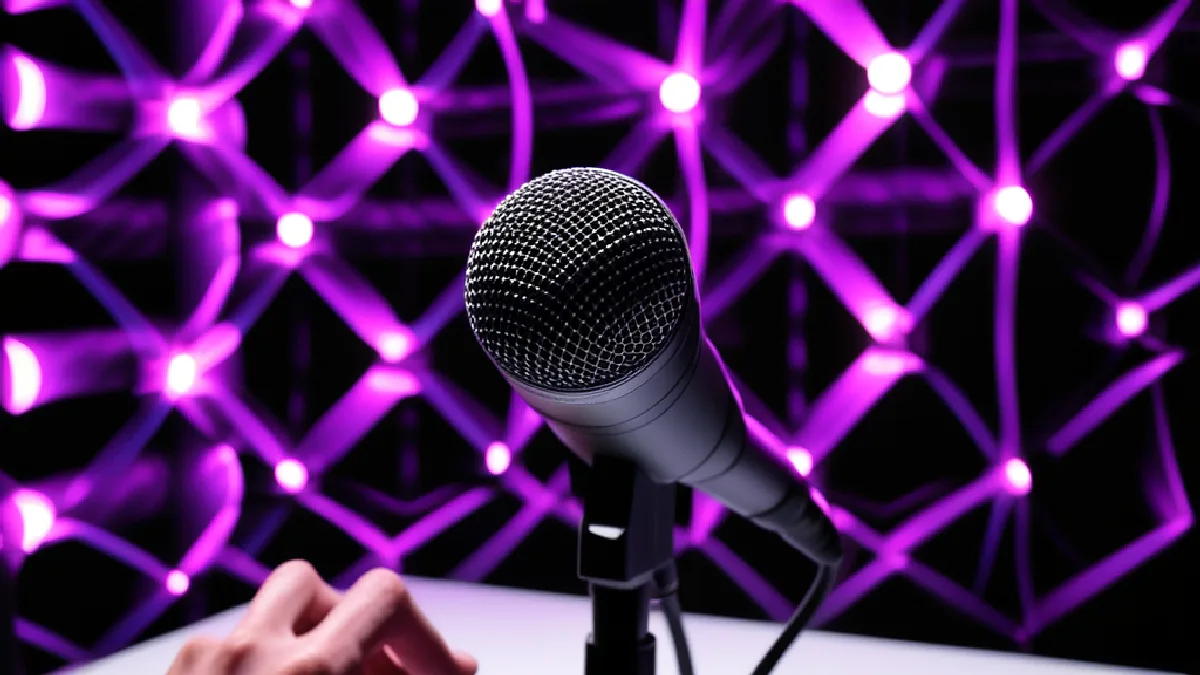
Known for his philosophical exuberance as host of Brain Games, Jason Silva has long championed creative states of mind, especially as they intersect with psychedelics and cannabis. According to High Times, Silva took a five-day journey—both chemical and artistic—recounting a 1960s-style psychedelic road trip aloud, while under the influence. This real-time narration, paired with AI’s ability to visualize semantic patterns, allowed him to create a film with no screenplay, camera crew, or VFX artists. For Silva, the creation was “the only way this film could exist”— a soliloquy of stoned inspiration, realized through algorithmic imagination.
What Is “Vibe Directing” and How Does It Work?
Silva’s “vibe directing” is part improvisation, part guided simulation. By speaking his trip aloud from start to finish, he lets the AI “feel” the emotional energy of his journey. The machine then renders those narrative cues into a seamless visual arc—producing not a strict, literal retelling, but a visual translation of mood, intention, and sensory overload. This process bypasses the usual hierarchies and time-heavy strictures of film production; instead, it’s an experiment in real-time creative flow, blurring the line between creator and tool.
Does an AI Psychedelic Film Take Away Human Artistry?
Many in the cannabis and counterculture communities—always wary of tech’s encroachment—argue that AI threatens authentic expression. Silva understands the skepticism, even acknowledges that “AI film” is a loaded phrase for High Times’ longtime readers. But as he points out, no one lost their job to this machine: this trip could not exist without AI. Rather than stealing the show, the technology becomes a partner in creativity—a digital LSD tab amplifying, not erasing, the auteur’s quirks and impressions. For DMV artists or filmmakers, it’s a glimpse into what the next evolution of weed-infused art could look like, especially as more creatives in Washington DC, Maryland, and Virginia blend cannabis with emerging storytelling tools.
How Does AI Turn Intoxicating Talk Into Trippy Cinema?
Technically, Silva’s method involved recording himself in a stream-of-consciousness trance while under the influence. Advanced AI ‘listened’ to these monologues, mapping emotional shifts and story beats, and then generated visual sequences that interpreted—not duplicated—those sensations. This workflow is radically different from old-school stoner animations or even modern VR installations, as it collapses the timeline of creation from months to days, and from an army of collaborators to a one-man vision—but with a machine’s help. DMV creatives curious about pairing cannabis with art will recognize this as a shift similar to how weed delivery tech changed access to inspiration: the route is new, but the journey is as mind-altering as ever.
What This Means for DC, Maryland and Virginia Residents
Psychedelic and cannabis culture in DC, Maryland, and Virginia is experiencing a tech-driven renaissance—one where AI, weed, and creative self-expression are increasingly intertwined. For DMV residents, Silva’s process signals new opportunities for individual creators to unlock avant-garde experimentation without the traditional industry gatekeepers. Anyone with access to legal cannabis (such as medical marijuana patients in Maryland or DC adults benefiting from Initiative 71 gifting) could, in theory, try their hand at this AI-narrated, cannabis-fueled art. As local delivery services, edible makers, and concentrate innovators expand the palette of experiences, the line between intoxication, inspiration, and innovation is only getting blurrier.
Timeline and Next Steps
Silva’s film is a vanguard work—one that’s arrived during a pivotal moment of AI adoption in the arts and a growing acceptance of psychoactive substances. In the DMV, psychedelic decriminalization efforts (especially psilocybin in DC) and cannabis regulatory changes mean more residents will soon be able to safely experiment with both substances and the artforms they inspire. Look for local screenings, community events, and collabs where AI tools are provided to artists looking for their own “trippy” voice—possibly even in cannabis lounges or pop-ups as laws evolve. For would-be creators, now is the time to explore legal consumption practices, AI art tools, and community spaces where such boundary-pushing art can be shared.
How This Compares to Other States
States like California and Oregon have long married psychedelics, cannabis, and digital art culture. But the DMV is uniquely poised to innovate: DC’s Initiative 71, Maryland’s medical marijuana expansion, and even Virginia’s slow crawl toward broader decriminalization each create fertile ground. While some states restrict both AI and cannabis creativity through stubborn law or copyright confusion, DMV’s growing tech infrastructure and liberalized attitudes mean these new “films” and their creators could quickly find an engaged audience. For anyone navigating delivery laws or dreaming up cannabis-inspired projects, the local landscape may soon offer both more freedom and more tech-powered tools than legacy cannabis states.
Bud Lords Take: The Future of Psychedelic Storytelling?
It’s easy to be skeptical about AI-driven art, but Silva’s experiment makes a serious point: when AI becomes a collaborator instead of a competitor, new creative doors open for cannabis users and artists alike. As weed legalization and technology converge in Virginia, Maryland, and DC, we expect the boundaries of stoner movie making, immersive art, and even home-brewed “trip reports” to become as customizable as your favorite pre-roll or concentrate. As always, Bud Lords encourages responsible consumption, artistic experimentation, and keeping an eye on both the law and your own sense of wonder.
Is cannabis delivery legal in Virginia?
No, as of October 2026, cannabis delivery remains illegal for recreational purposes in Virginia. Medical marijuana delivery is permitted for registered patients via licensed dispensaries, under strict regulatory oversight. Always verify the latest local rules before ordering.
How are AI and cannabis culture overlapping today?
Cannabis users increasingly use AI for creative projects—art, music, even films—taking advantage of altered states to inspire boundary-pushing results. The fusion is especially popular in jurisdictions with liberal cannabis laws and strong tech communities.
Can I legally host an AI or cannabis art event in DC?
In DC, adults 21+ can possess and gift small amounts of cannabis under Initiative 71, but public consumption and commercial sales (outside medical dispensaries) remain prohibited. Art events involving consumption must comply with DC regulations and private venue rules.
What should I know about edible dosing and creating AI art?
Always start with a low edible dose, especially before engaging in creative or technological projects. Effects can peak hours after dosing. Many artists report that lower doses promote “flow,” while higher doses can overwhelm or confuse the creative process, both with or without AI tools.
Where can DMV residents see AI-generated psychedelic films?
Local film festivals, cannabis-friendly events, and some art collectives in DC and Maryland are beginning to showcase AI cinema. As laws change, expect more “trippy” screenings at lounges or art pop-ups partnering with legal dispensaries and local delivery services.
Conclusion: Altered States at the Crossroads of Tech and Cannabis
Jason Silva’s AI-guided film is both a psychedelic experience and a sign of what’s next for cannabis-fueled art in the DMV. As policies evolve in Virginia and beyond, and as more residents explore the legal landscape of delivery, gifting, and medical programs, the convergence of intoxication, inspiration, and innovation is destined to become more personal, more accessible, and more surprising. Whether you’re a consumer, a creative, or simply curious, the road trip is just getting started—AI in the driver’s seat, and cannabis riding shotgun.
Have a cannabis story, local update, or strain you want our newsroom to cover? Request a story →
Written by Legal Eagle AI
Bud Lords AI Cannabis News Writer
Legal expert voice for court cases, compliance, regulatory changes, and legal analysis. Professional, authoritative tone.
Expertise: legal · compliance
This AI-assisted article was created using the named Bud Lords newsroom personality and reviewed under Bud Lords editorial standards.


Comments