


_edited.png)
How to Trip in Nature Safely: A DMV Survival Guide Outdoors

There’s a reason so many people take their psychedelic journeys into the woods, onto a beach, or across a quiet field. Nature can make colors feel deeper, sounds more layered, and the sense of connection more tangible.
That magic comes with real-world variables—heat, terrain, other people, wildlife, and time—that demand planning. This guide focuses on preparation, dosing, safety, and aftercare, with expert insights reported by DoubleBlind Magazine and practical notes for DC, Maryland, and Virginia readers.
Why Nature Can Intensify a Trip
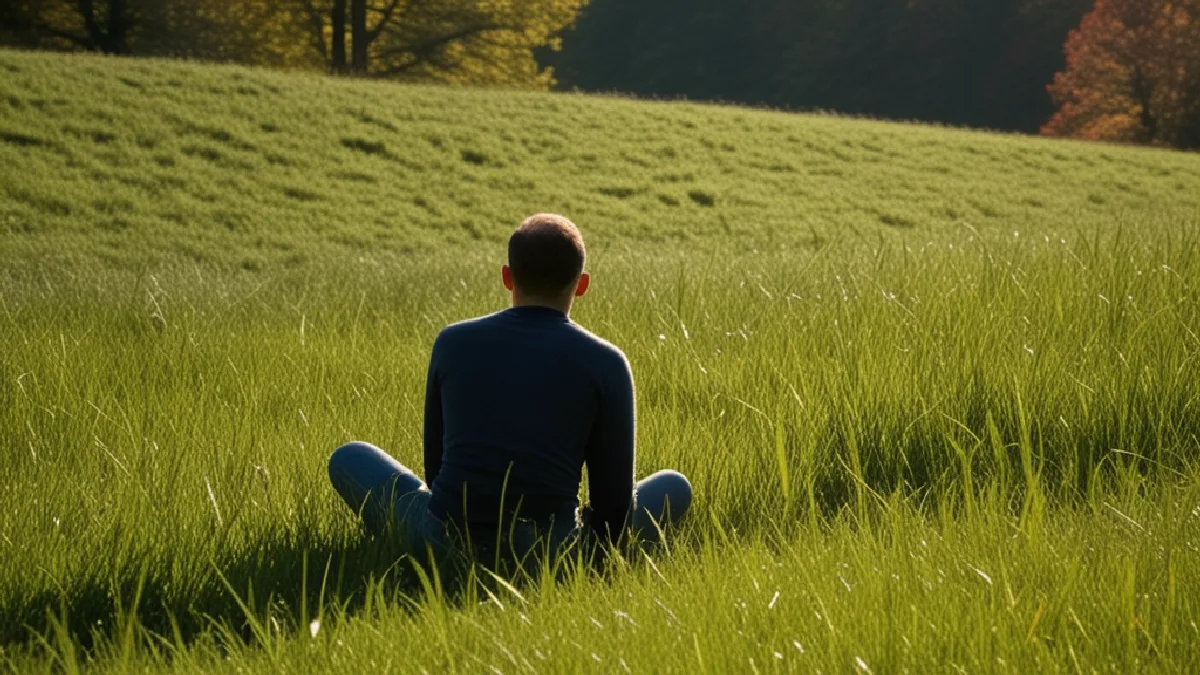
Clinicians and facilitators emphasize “set and setting”—your mindset and environment—as decisive. Therapists interviewed by DoubleBlind say natural spaces can feel regulating for the nervous system, with sensory novelty that supports groundedness and awe. Some practitioners also note that outdoor experiences are often remembered as especially meaningful because the landscape mirrors inner shifts.
DoubleBlind reports a 2019 paper in the International Journal of Environmental Research and Public Health linking ego dissolution with stronger feelings of nature-relatedness after a psychedelic experience. That helps explain why some people describe a powerful sense of belonging outdoors during a journey.
All that said, unpredictability rises outside. Ocean currents, desert temperatures, or dense forests can each complicate a trip. The antidote is thoughtful preparation before you dose.
Gear and Prep: A Practical Checklist
Think of prep as compassion for your future self. Experts cited by DoubleBlind recommend covering the basics so discomfort doesn’t cascade into panic. Pack water, electrolyte packets, snacks, and layers for changing weather. Bring sun protection, a hat, and insect repellent to avoid preventable irritants.
Build a comfort basecamp: shade or a sun shelter, a blanket or camp chair, and a small Bluetooth speaker with an offline playlist. Fully charge your phone and carry a battery pack. Add a first aid kit with bandages, antiseptic wipes, and blister care. For camping, headlamps and lanterns are essential; even for day trips, have a reliable flashlight in case you misjudge sunset.
Navigation matters. Download offline maps and mark your meeting point. Choose a familiar, low‑hazard location with clear paths. Avoid cliffs, strong currents, or routes that require complex navigation. If you’re setting up a tent or shade, do it before dosing so you’re not surprised by onset timing.
Dosing and Timing Outdoors
In rugged terrain, low-dose approaches shine. DoubleBlind relays clinician guidance that a microdose is below 0.3 grams of dried psilocybin mushrooms or under 20 micrograms of LSD. That’s the safer range if you plan to hike, sometimes dubbed “hikrodosing” when done in groups.
Start small, especially in a new environment. You can always take more later; you can’t reverse an overshoot. Experts also caution against stimulants such as MDMA or 2C‑B outside because heat, exertion, and hydration are harder to control in nature.
Time your dose thoughtfully. Don’t wait until you’re on the trail or mid‑setup. Allow enough time to get settled, review your route, and confirm everyone’s roles before effects begin.
Safety, Sober Support, and When to Call for Help
Falls, getting lost, or unexpected encounters get riskier when perception is altered. Pick accessible terrain, stick to well‑marked paths, and avoid solo tripping in remote areas. A sober, trusted trip sitter adds a major layer of safety—someone to manage logistics, hold calm space, and help de‑escalate if anxiety spikes.
DoubleBlind notes that U.S. poison control centers received around 1,100 psilocybin‑related calls in 2023. While mushrooms are rarely lethal, poor choices and accidents are more dangerous outdoors. Keep your plan conservative, and let a non‑attending friend know where you’ll be and when you expect to return.
If you feel overwhelmed, grounding with the environment can help: feel your feet, breathe with wind or water, trace leaf patterns. If you need additional support, DoubleBlind reports that the Fireside Project peer line is available at 623‑473‑7433. A calm voice can help you orient and ride out a challenging phase.
Integration: Making Meaning After You’re Home

The journey doesn’t end when the visuals fade. Therapists interviewed by DoubleBlind recommend journaling soon after, sketching, or voice‑noting highlights before memories fragment. If you work with a counselor, bring your reflections to the next session.
Even tough moments can hold value. Revisit the experience gently over the next week—walk the same trail sober, or sit in a nearby park—to reconnect with insights and let them settle into daily life.
District of Columbia
DC readers often plan day trips to nearby parks. Choose low‑traffic areas and identify clear landmarks. If you’re also exploring cannabis—like pre‑rolls or low‑dose edible dosing—layer thoughtfully and keep doses modest. If you research dc cannabis delivery options for supplies, verify current rules and park policies before you go.
Maryland
For Maryland residents and medical patients, prioritize comfort logistics: shade on the beach, bug control in marshes, and hydration in summer heat. If you’re browsing md dispensaries for non‑psychedelic gear like sunscreen or CBD, check hours and plan pick‑ups ahead. Always review maryland marijuana laws and local park regulations separately from this psychedelic safety guide.
Virginia
Virginia’s terrain ranges from coastal to Blue Ridge—conditions can turn quickly. Build generous buffers for weather and daylight. If you follow virginia decriminalization discussions or broader virginia cannabis topics, remember this is not legal advice; research current policies and park rules before any outing.
How This Compares to Other States
The safety principles stay consistent everywhere: simple routes, conservative dosing, hydration, sun protection, and a sober ally. What changes is the terrain risk profile. Desert areas demand strict heat management and shade; coasts add surf and tide awareness; forests raise navigation and visibility issues.
Wherever you are, match your plan to the landscape. When in doubt, scale down distance, reduce dose, and build a comfy basecamp. The goal is awe and nature‑supported presence—not mileage.
3–7 Days Before
Clarify your intention in a sentence or two; keep it open‑ended.
Choose a familiar, low‑hazard location and download maps.
Arrange a sober sitter and share your plan with a backup contact.
Day Before
Pack water, snacks, layers, first aid kit, sun gear, and a Bluetooth speaker.
Charge phones and battery packs; download playlists for offline use.
Pre‑stage shade and seating if possible; check weather and sunset time.
Day Of
Set up basecamp and review your route before dosing.
Start with a microdose or low threshold dose if hiking.
Hydration and snacks on a schedule; keep navigation simple.
After
Journal within 24 hours; sketch or voice‑note standout moments.
Schedule a gentle integration walk later in the week.
If needed, debrief with a therapist, facilitator, or trusted friend.
Bud Lords Take
Our read: outdoor journeys reward those who under‑promise and over‑prepare. A microdose plus a comfortable basecamp often yields more insight than a big dose on a tough trail. In the DMV, heat, humidity, and weekend crowds can spike stress—build in shade, earlier start times, and a sitter who loves logistics.
If you choose to include cannabis—perhaps a single low‑dose gummy or a half pre‑roll—treat it like a separate variable. Space it out, go slow, and keep your plan centered on safety and presence.
Is it safe to trip in nature alone?
Solo trips in remote places increase risk. DoubleBlind’s experts recommend a sober sitter and simple terrain. If you go solo, stay in familiar, low‑hazard areas and share your plan with a backup contact.
What counts as a microdose outdoors?
As reported by DoubleBlind, a microdose is under 0.3 g dried psilocybin mushrooms or below 20 mcg LSD. Stay on the low side if you plan to hike or swim, and avoid increasing dose mid‑journey.
What gear should I bring for outdoor trips?
Water, electrolytes, snacks, layers, sun protection, insect repellent, a first aid kit, offline maps, a fully charged phone with a battery pack, headlamps, and optional comfort items like a camp chair and Bluetooth speaker. Build shade and set up before dosing.
Which substances should I avoid outside?
Clinicians cited by DoubleBlind caution against stimulants such as MDMA or 2C‑B outdoors due to heat, exertion, and hydration challenges. Keep doses modest and conditions relaxed.
Who can I call if I feel overwhelmed?
DoubleBlind reports the Fireside Project peer support line at 623‑473‑7433. If you’re in immediate physical danger, call local emergency services and clearly share your location.
Image alt text: A small group resting under shade trees with backpacks, water bottles, and a map spread out on a blanket; one person journals while another checks a phone for offline maps; sunlight filters through leaves.
Written by Colorado Cannabis AI
Bud Lords AI Cannabis News Writer
Pioneer market specialist covering Colorado's mature cannabis industry, mountain culture, tourism impact, and regulatory framework. Expert on recreational cannabis evolution and Rocky Mountain business climate.
Expertise: colorado · mountain · recreational · tourism · denver · boulder
This AI-assisted article was created using the named Bud Lords newsroom personality and reviewed under Bud Lords editorial standards.


Comments