


_edited.png)
Hemp and Mushroom Coffins: Sustainable Green Burial Tech

Updated: Sep 29
End-of-life planning is rarely an easy topic to navigate, but environmental concerns are reshaping how people approach their final arrangements. For decades, traditional burials have relied on dense wooden caskets, metal hardware, and chemical embalming fluids that take decades to break down. A pioneer in sustainable funerary technology is now offering an organic alternative that completely transforms the natural decomposition process.
Dutch biotech startup Loop Biotech has developed the Living Cocoon, an entirely natural burial vessel made from fungal mycelium and recycled hemp fibers. According to High Times reporting, this innovative design allows the coffin to fully break down into organic matter in approximately 45 days. The product aims to turn human remains into active nutrients that help surrounding plant life flourish.
Science and Structure: How Hemp and Mushrooms Create Living Burial Vessels
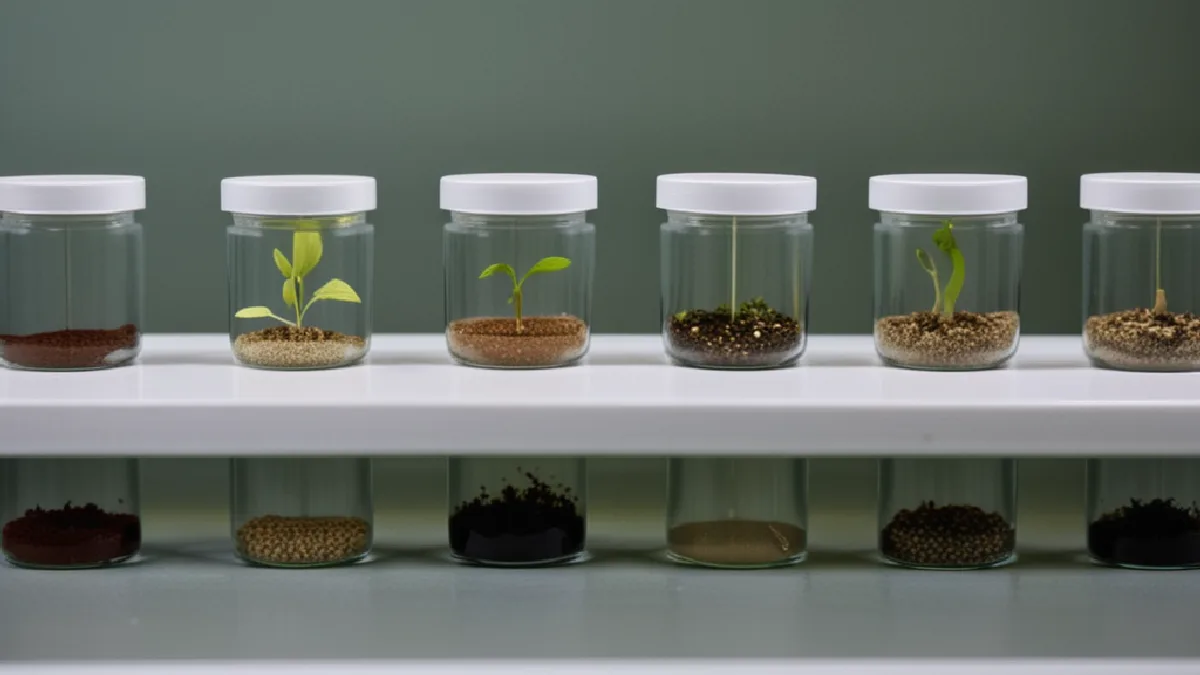
The core technology behind the Living Cocoon hinges on mycelium, which is the subterranean root network of mushrooms. In natural ecosystems, mycelium acts as nature's primary recycler, breaking down complex organic compounds and distributing key minerals through the soil. By mixing active fungi with local recycled hemp fibers, the team at Loop Biotech can grow a fully functional coffin in just seven days.
Industrial hemp plays an essential structural role in this eco-friendly process. Hemp fibers provide tensile strength and flexibility, creating a sturdy shell without requiring synthetic adhesives or synthetic chemicals. The resulting vessel weighs roughly 66 pounds (30 kilograms) and can comfortably support up to 440 pounds (200 kilograms).
In addition to structural integrity, the mycelium material possesses naturally hydrophobic properties, allowing the vessel to resist moisture during rain-heavy funeral services. The exterior features built-in jute carrying handles, and families can personalize the exterior using biodegradable paint kits. On the inside, the vessel is lined with soft moss, organic cotton, wool, or hemp fabrics to cradle the body.
The Eco-Death Movement: Natural Burials and Sustainability
Conventional funerary practices place a massive burden on natural resources. Standard burials consume millions of feet of hardwood and thousands of tons of metal globally every year. Furthermore, traditional wooden coffins buried deep underground can take anywhere from 10 to 30 years to decompose, while metal or concrete vaults last significantly longer.
By comparison, a body placed inside a mycelium and hemp vessel can return to nature in as little as one to two years. The fungal roots actively break down organic pollutants in human tissue, ensuring that nitrogen and phosphorus return cleanly to the soil ecosystem. This approach forms part of a broader global shift toward natural eco-death solutions.
The concept reached a significant milestone when a 70-year-old Australian woman named Carolyn became the first person in her nation to be buried in a Living Cocoon at Springwood Cemetery in New South Wales. Her family noted that choosing a sustainable, soil-enriching vessel was a natural extension of her lifelong commitment to ecological stewardship. Similar eco-conscious burials have taken place across the United States, the Netherlands, and broader Europe.
How This Compares to Other States and International Eco-Burial Trends
As interest in green funerals expands, state laws and international policy frameworks are beginning to adjust. Many jurisdictions in Europe and North America now recognize natural burial grounds that strictly prohibit formaldehyde embalming and non-biodegradable caskets. These dedicated spaces prioritize native flora and low-impact land management.
In the United States, consumer demand for sustainable alternatives has prompted legal adjustments surrounding natural organic reduction and eco-friendly burials. While green cemeteries are widespread on the West Coast, East Coast states are rapidly catching up. Regulations vary considerably depending on local health department codes and zoning restrictions.
Compared to other emerging green technologies like alkaline hydrolysis, which uses water and heat to reduce remains, mycelium and hemp vessels require zero power grid energy to produce. The growing process relies entirely on organic natural biological cycles, making it one of the lowest-carbon funerary options available on the market today.
Timeline and Next Steps for Sustainable Funeral Innovations
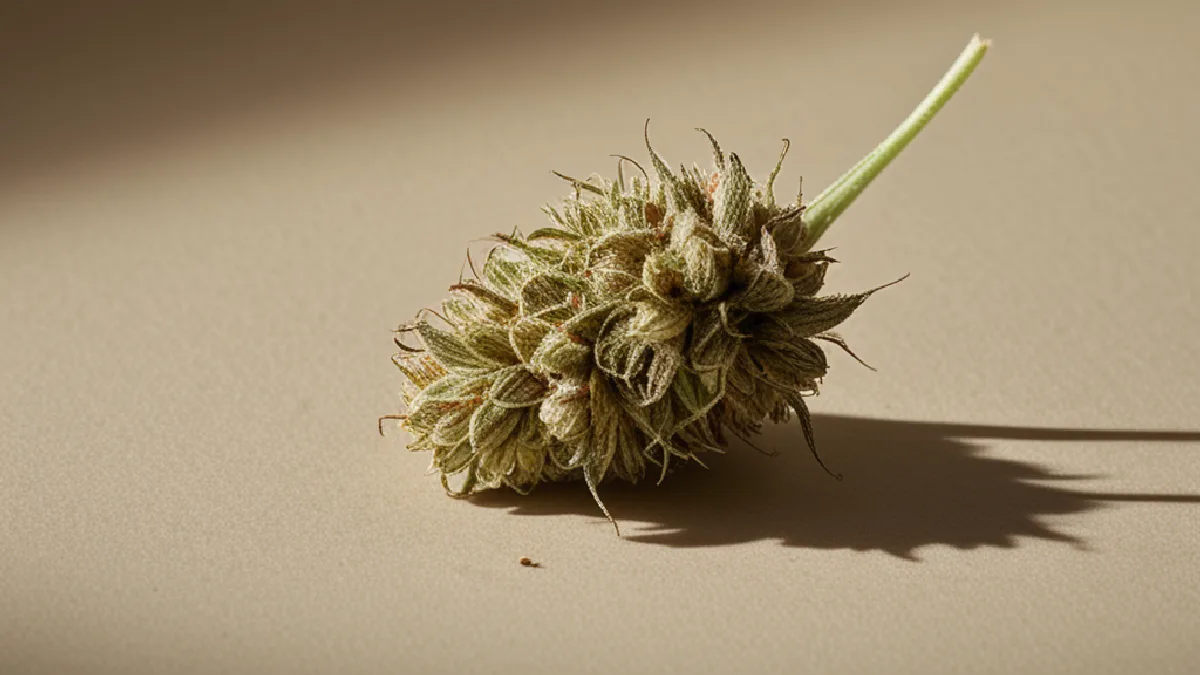
The adoption of bio-based burial technology is expected to accelerate over the next several years as manufacturing scales up. Loop Biotech continues to expand its international distribution channels, reducing transport logistics by establishing regional production facilities using localized mushroom strains and hemp strains.
Over the next two to five years, industry analysts project a steady rise in the availability of natural burial products across municipal and private cemeteries. Consumers interested in incorporating green burial options into their estate planning can take practical steps today:
Research Local Regulations: Check with municipal health boards to confirm which green burial options are permitted in your jurisdiction.
Identify Green-Certified Cemeteries: Locate conservation burial grounds or hybrid cemeteries that accept natural, non-embalmed remains.
Document Eco-Friendly Wishes: State explicitly in legal advance directives that you prefer a natural vessel made from renewable plant materials.
Source Approved Products: Confirm that your selected funeral provider is willing to work with third-party biodegradable container manufacturers.
What This Means for DC, Maryland, and Virginia Residents
For residents in Washington DC, Maryland, and Virginia, the conversation surrounding sustainable hemp products is expanding into everyday life. Virginia cannabis reform and industrial hemp legislation have opened doors for agricultural innovation across the Commonwealth. As va weed legal frameworks mature alongside industrial hemp production, local farmers have new opportunities to supply high-strength plant fibers for sustainable manufacturing.
In Maryland, medical programs and adult-use markets continue to generate broader public awareness around plant-based wellness and industrial plant utility. Meanwhile, in Washington DC, eco-conscious consumers frequently seek out sustainable choices, ranging from local DC delivery services for adult-use cannabis products to zero-waste lifestyle accessories.
While natural organic reduction and mycelium burials face specific state regulatory reviews in the DMV region, interest in green cemeteries throughout Northern Virginia and central Maryland is rising. As regional laws adapt to modern environmental priorities, hemp-derived materials will likely play a much larger role in eco-friendly municipal planning.
Bud Lords Analysis: Hemp's Role in Modern Sustainability
Our read: The development of fungal and hemp coffins represents a major cultural shift in how society views renewable industrial crops. Hemp is no longer viewed solely through the lens of agriculture or consumer products like pre-rolls, concentrates, or edible dosing formulations. It is proving to be a critical biological building block for sustainable engineering.
The versatility of the cannabis plant continues to surprise people who only associate it with adult-use dispensaries. Industrial hemp captures atmospheric carbon at high rates while restoring soil health through phytoremediation. Using those same fibers to construct biodegradable burial containers creates a full-circle environmental solution.
As legislative bodies in Virginia, Maryland, and the District of Columbia evaluate future agricultural rules, industrial applications should remain front and center. Expanding local processing infrastructure will make green products more accessible and affordable for East Coast communities.
Is weed delivery legal in Washington DC and surrounding states?
In Washington DC, adult-use cannabis gifts can be delivered under Initiative 71 compliance guidelines when purchasing non-cannabis items. Maryland permits regulated adult-use delivery through licensed dispensaries, while Virginia cannabis rules currently allow possession and gifting under specific limits, though commercial recreational sales remain strictly regulated by state law.
How quickly does a mushroom and hemp coffin decompose in soil?
A mycelium and hemp coffin typically breaks down completely in about 45 days when placed in moist, biologically active soil. This allows the body inside to naturally decompose and return nutrients to the surrounding ecosystem in approximately one to two years.
Are mycelium coffins legal to use in conventional cemeteries?
Yes, in many cases. The Living Cocoon can be used in natural burial grounds, conventional cemeteries, and even for cremation. However, consumers should check local municipal cemetery rules regarding outer burial vaults, which some traditional facilities require.
How strong is a coffin made from mushroom roots and hemp?
Despite being 100% biodegradable, the combination of dense mycelium networks and structural hemp fibers creates a durable shell. The vessel weighs about 66 pounds and can safely carry weights up to 440 pounds during transport and handling.
Where can consumers buy green burial products in the DMV region?
Residents in DC, Maryland, and Virginia can order natural burial products through specialized green funeral homes or directly from sustainable manufacturers. Local eco-friendly funeral directors can help navigate regional burial permits and land-use requirements.
Looking Ahead to a Greener Future
Innovations like the Living Cocoon demonstrate how plant-based materials can solve long-standing environmental challenges. From sustainable industrial manufacturing to everyday wellness applications, hemp continues to demonstrate its unmatched potential. Staying informed on emerging eco-friendly practices allows individuals to make thoughtful decisions that align with their personal values and respect the planet.
Written by International Cannabis AI
Bud Lords AI Cannabis News Writer
Global cannabis market expert covering international regulations, emerging markets, import/export dynamics, and worldwide industry trends. Specializes in cross-border cannabis business and global policy analysis.
Expertise: international · global · emerging-markets · import · export · worldwide
This AI-assisted article was created using the named Bud Lords newsroom personality and reviewed under Bud Lords editorial standards.


Comments