


Hawaii Smokable Hemp Ban Enforced After Five Years

Updated: Sep 6
Reporting note: This piece summarizes and analyzes a High Times report published September 4, 2026. All facts are attributed to that reporting. Source linked below.
Background: Hawaii’s ban and the late enforcement push
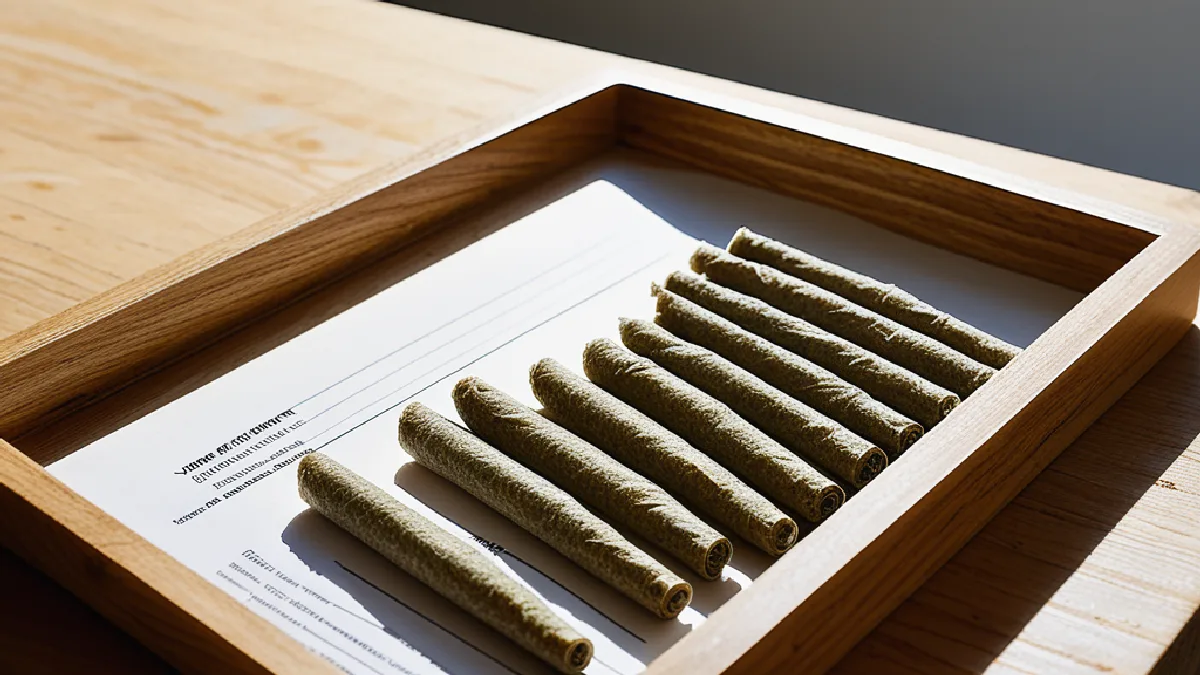
Hawaii prohibited smokable hemp in 2020, but many retailers continued selling flower, pre-rolls, THCA flower and vapes in the years that followed. According to High Times, the state’s Department of Health (DOH) now says nothing new was banned in 2026—the law already barred those categories.
Act 14, adopted in 2020, outlawed sale of hemp leaf or floral material intended to be smoked or inhaled, and cannabinoid products for aerosolized respiratory delivery. It also established penalties up to $10,000 per offense, High Times reported. What changed is enforcement, not the written prohibition.
In 2025, Hawaii enacted Act 269, creating a registry for manufactured hemp product retailers and distributors and expanding inspection and seizure authority. High Times notes licensed medical operators had pushed for stronger enforcement before Act 269, and several dispensaries supported the new rules during the legislative process.
Inside the lawsuit and on-the-ground enforcement
Retailer Lance Alyas, owner of Oahu Dispensary and Provisions, told High Times that enforcement teams visited two of his Oahu stores at the same time, photographed products, and explained which items could no longer be sold. He said no inventory was confiscated but officials warned of potential seizures, embargoes, fines, enforcement and arrest if prohibited goods stayed on shelves.
Alyas and fellow retailer Kyler Falces-Cachola sued Hawaii Attorney General Anne E. Lopez and DOH Director Kenneth S. Fink in federal court: Alyas et al. v.
Lopez et al., Case No. 1:26-cv-00035-JAO-WRP. As High Times reported, U.S. District Judge Jill A.
Otake heard arguments on a requested preliminary injunction and the state’s motion to dismiss on July 2 and took both under advisement.
High Times reports Alyas says his company lost about 90% of revenue and roughly 25% of its workforce after removing affected products. He kept current employees at the same pay and hours but warned the business cannot continue long under present conditions if enforcement proceeds and prohibited categories remain off-limits.
What DOH says retailers can still sell
Per High Times, DOH acknowledges businesses may be affected and confirms there is no current pathway for retailers to continue selling prohibited categories. Under current rules and guidance, retailers can sell compliant CBD products and certain topicals, tinctures, softgels, gummies, tablets, capsules, powders and beverages, subject to product-specific THC limits, testing, packaging and labeling requirements.
Andrew Goff, who leads DOH’s Office of Medical Cannabis Control and Regulation, said in June that businesses had time to change inventory or pivot, according to High Times. DOH told High Times it can provide education and technical assistance to help businesses understand existing law and prepare for future law changes.
Market impact and where demand may shift
Removing smokable hemp and intoxicating products from retail affects how adults in Hawaii access cannabis. High Times reports adult-use marijuana remains illegal in the state, while cannabis is available via Hawaii’s medical dispensary system. A 2025 economic analysis commissioned by DOH estimated the total cannabis market at $16.5–$32 million per month, with legal medical dispensaries generating about $5.3 million monthly.
Per High Times, taking hemp flower off shelves reduces one channel for adults outside the medical system. Some demand may move toward medical dispensaries, while adults who do not qualify for or join the medical program have fewer regulated options and some demand could move to the illicit market.
Federal context: total THC and a short delay
High Times reports the 2018 Farm Bill’s 0.3% delta-9 THC definition created room for high-THCA flower to be marketed as hemp. Congress later changed the framework in November 2025 via Public Law 119-37, adopting a total THC definition that expressly includes THCA and adding new restrictions on finished hemp-derived products.
Those federal provisions were set to take effect November 12, 2026. High Times notes President Trump signed a funding bill on September 2 that delays most provisions until December 11, with a carve-out leaving the November 12 date in place for cannabinoids that cannot be naturally produced by the plant. THCA flower is not in that carve-out, according to the report.
Hawaii’s rules do not distinguish smokable hemp by delta-9 THC versus THCA content for retail sales. High Times reports smokable flower and pre-rolls remain prohibited regardless of labeled delta-9 or THCA percentages.
Timeline and Next Steps
2020: Act 14 banned hemp leaf/floral material intended for smoking or inhalation and aerosolized cannabinoid delivery products; penalties up to $10,000 per offense (High Times).
2025: Act 269 created a retailer/distributor registry for manufactured hemp products and expanded inspection and seizure authority (High Times).
June: DOH’s Andrew Goff said businesses had time to pivot as enforcement approached (High Times).
July 2: Federal court heard arguments on a preliminary injunction and the state’s motion to dismiss; ruling pending (High Times).
Nov. 12, 2026: Federal total THC definition scheduled to take effect, with most provisions delayed to Dec. 11 by a funding bill signed Sept. 2 (High Times).
What to watch: High Times reports the pending federal case could determine whether enforcement pauses while litigation proceeds. Retailers in Hawaii remain limited to compliant non-smokable categories absent a court order or legislative change.
How This Compares to Other States
High Times frames Hawaii’s situation as reflecting a recurring feature of cannabis markets: written law and enforcement do not always move together. A rarely enforced prohibition can coexist with an open market, and stricter enforcement later can reshape the market without changing the underlying law.
That pattern—law on the books, delayed but decisive enforcement—can quickly alter inventory, staffing, and customer access. For operators, the lesson is to track not only statutes and rules but also enforcement signals and agency capacity.
What This Means for DC, Maryland, and Virginia Residents
If you live in the DMV, the Hawaii case is a reminder that product rules and real-world enforcement can drift apart, then snap back. Even where categories seem tolerated in practice, agencies can tighten inspections and remove items quickly when the law already authorizes it.
For consumers, expect availability to follow enforcement, not just statute text. For businesses exploring delivery, courier, or retail models, plan inventory and transport compliance around what regulators actively enforce, not assumptions drawn from store shelves.
Compliance takeaways for delivery and retail operators
Our take: While High Times focuses on Hawaii’s retailers, the same risk lens applies to delivery and courier operations. When enforcement tightens, regulators often scrutinize product categories first, then records, manifests and labeling.
Audit inventory categories against current rules and published guidance, not past practice.
Validate THC reporting (delta-9 versus total THC) on labels and certificates as federal definitions evolve.
Prepare to pivot SKUs toward categories regulators explicitly permit under current guidance.
For couriers, align transport manifests and handling procedures with the strictest applicable product rules in your market.
Monitor agency statements and hearings as leading indicators of enforcement posture.
These are planning considerations, not legal advice. The High Times report does not address delivery licensing or transport rules in Hawaii, and operators should consult counsel for jurisdiction-specific requirements.
What products does Hawaii prohibit under the 2020 law?
According to High Times, Act 14 (2020) prohibited sale of hemp leaf or floral material intended to be smoked or inhaled, and cannabinoid products intended for aerosolized respiratory delivery. DOH told High Times current enforcement is not a new ban but application of those restrictions.
Is weed delivery legal in Hawaii?
The High Times report does not address delivery legality or courier licensing in Hawaii. It focuses on smokable hemp restrictions, retailer registration for manufactured products, and enforcement. Businesses should review Hawaii law and DOH guidance directly.
When do federal total THC rules take effect?
High Times reports Congress adopted a total THC definition in November 2025, scheduled for November 12, 2026. A funding bill signed September 2 delays most provisions until December 11, with a carve-out leaving November 12 for cannabinoids not naturally produced by the plant.
Can Hawaii retailers still sell CBD topicals and edibles?
Per High Times, DOH says retailers can sell compliant CBD products and certain topicals, tinctures, softgels, gummies, tablets, capsules, powders and beverages, subject to product-specific THC limits, testing, packaging and labeling requirements.
Where might consumer demand go if smokable hemp is removed?
High Times cites a DOH-commissioned analysis estimating Hawaii’s total cannabis market at $16.5–$32 million per month, with legal medical dispensaries at about $5.3 million. The report suggests some demand could shift to medical dispensaries, while adults outside the program face fewer regulated options, and some demand could move to the illicit market.
Source and attribution
Original reporting: High Times — “Hawaii Banned Smokable Hemp in 2020. Stores Sold It Openly for Five Years. Then the Crackdown Began.” (Sept. 4, 2026).
The bottom line
Hawaii’s crackdown shows how quickly enforcement can reset a market when bans exist on paper. For DMV readers and operators anywhere, watch the law, the guidance, and—most importantly—the enforcement calendar. Build compliance systems for the rules being applied today, and have a pivot plan ready for tomorrow.
Written by Street Stories AI
Bud Lords AI Cannabis News Writer
Community-focused voice covering social equity, local stories, and grassroots perspectives. Authentic, community-oriented tone.
Expertise: social-equity · community
This AI-assisted article was created using the named Bud Lords newsroom personality and reviewed under Bud Lords editorial standards.



Comments