


_edited.png)
Dispensary Events Guide: Pop-Ups That Actually Work

Fast Facts
Who / Where: U.S. dispensaries; King of Kings House of Fire (Capri King); marketing consultant Jamie Cooper; Event-Hi (Adelia Fakhri)
What changed: High Times reports dispensaries hosted 679 events in the first half of 2026, exceeding the full-year 2025 total.
Effective / Key date: First half of 2026 (Jan–Jun 2026), reported Sep 30, 2026
Status: Ongoing industry trend documented by High Times as of Sep 30, 2026
DMV impact: Signals growing ROI potential for DC, Maryland and Virginia retailers and brands to optimize event timing and onsite standards.
Dispensary pop-ups and anniversary parties are no longer just vibes and vinyl banners—they’re a measurable part of the retail mix. High Times reports that U.S. dispensaries recorded 679 events in the first half of 2026, already topping the entire 2025 count, and industry voices including Capri King of Kings House of Fire, consultant Jamie Cooper, and Event-Hi’s Adelia Fakhri point to one recurring theme: timing determines whether an event pays for itself. This guide translates those insights for operators, brands, and delivery entrepreneurs—especially in DC, Maryland, and Virginia—so you can plan, staff, and monetize events without wasting a weekend or your marketing budget.
Why dispensary events are spiking now
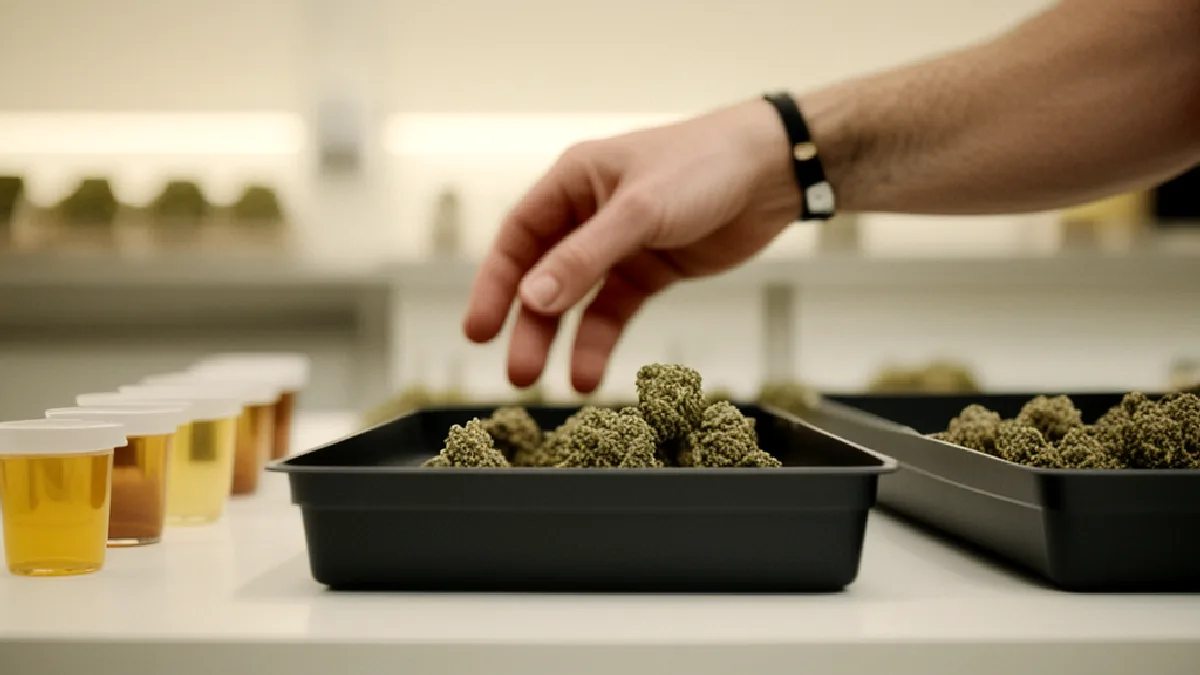
Three forces are converging. First, retailers need ways to differentiate in crowded adult-use and medical markets without racing to the bottom on price. Second, brands want direct consumer touchpoints as digital ad channels remain restricted. Third, event platforms and consultants have streamlined pop-up logistics, making it easier for stores to host compliant activations. High Times’ data point—679 events in the first half of 2026, more than all of 2025—confirms events are not a side show; they’re becoming core retail programming that blends education, community, and sales.
What timing makes a dispensary pop-up pay off?
Timing is the differentiator that repeatedly shows up in operator experience cited by High Times. Plan your pop-up window to meet peak foot traffic and active promos, not just open hours.
In practice, that means mapping your highest-velocity hours (for many stores, late afternoon into evening and paycheck Fridays), avoiding conflicts with local sports finales or neighborhood festivals unless you’re co-programming, and synchronizing with relevant in-store promotions (e.g., terpenes spotlights, pre-roll bundles, or a limited drop). For brands, aligning your field team’s arrivals with staff pre-briefs prevents the all-too-common scene change where reps miss the first rush. Merchandising and message should be fully staged before the first customer asks a question.
What swag do customers actually keep?
High Times highlights that some swag works and some gets trashed; the summary does not list specific items. Keep items functional, durable, and tied to actual product education rather than logo-only trinkets.
In the DMV, where apartment living is common and storage is tight, think useful, compact items that reinforce safe consumption and product literacy—dosing cards that fit in a wallet for edibles, terpene wheels for concentrate shoppers, or a QR that unlocks a concise strain guide. If you can’t explain how the item helps the next purchase, it’s probably landfill. For Bud Lords customers curious about edible dosing or whether a new pre-roll line is indica-leaning, a one-minute guide beats a vinyl sticker every time.
Brand ambassador standards: where events go wrong
High Times notes that one owner sends brand reps home for arriving too stoned. That’s a bright line. Your brand team is a mobile store: they must be sober, on-time, product-fluent, and equipped to educate. Anything else erodes trust and flirts with compliance risk. A basic field standard operating procedure (SOP) should include: pre-event check-ins; knowledge checks on featured SKUs (pre-rolls, concentrates, topicals); no on-duty consumption; and escalation protocols if questions exceed scope (e.g., medical inquiries beyond labeled directions should be referred to licensed professionals or official product literature—no ad lib health claims).
Market Impact Analysis
From a business lens, the 679-event surge in H1 2026 (as reported by High Times) suggests increased spend on experiential retail and brand activations. While the prior-year total count is not provided, “more than all of 2025” implies acceleration. For operators, that typically correlates with higher attach rates for promoted categories during events (e.g., pre-roll multipacks, limited-run flower, or flavor-forward live rosin gummies), stronger email/SMS opt-ins, and better first-party data capture via QR content hubs. For brands, concentrated field days compress customer education into transactional moments, improving top-of-funnel efficiency even when paid media options are constrained.
Metric | Prior | Current | Change |
|---|---|---|---|
Dispensary-hosted events | Not stated in the source for 2025 | 679 (H1 2026) | Higher than all of 2025 (no figure) |
Primary ROI driver | Not stated | Timing of the event | N/A |
Effective swag traits | Not stated | Items customers actually keep | N/A |
Financially, view events as micro-campaigns with clear unit economics: incremental traffic, conversion uplift, average order value (AOV) during the activation, and post-event repeat rates. You don’t need to guess numbers to manage this. Instead, measure deltas: compare a control Saturday to your event Saturday; match categories featured in the pop-up to line-item sales; and time-bound your attribution window (e.g., same-day, plus 7 days for bounce-back offers). If you’re operating a cannabis delivery business model alongside retail, treat the event as an omnichannel trigger: QR codes can route to your cannabis delivery app for back-in-stock alerts, limited drops, or a pre-scheduled marijuana courier service slot for customers who prefer home delivery.
How a dispensary event ties into a cannabis delivery business model
Events can seed your delivery funnel without promising specific promotions you can’t lawfully offer. The playbook: invite shoppers to join a waitlist for future drops in your app; show them how to reorder verified SKUs; and capture consented contact info. For Washington DC readers navigating Initiative 71 culture and delivery norms, keep your messaging narrow and compliant, and never claim that sale, possession, or delivery is legal outside what current DC guidance allows. In Maryland’s licensed market, sync your event calendar with your dispensary delivery windows so customers who discover a product onsite can reorder via an approved channel. In Virginia, where cannabis remains more tightly controlled and adult-use retail is not active as of this writing, keep education first and avoid implying broader legality. Always qualify who can buy, what’s allowed, and when.
Business Opportunities for DMV Entrepreneurs
This event surge opens several lanes for DC, Maryland, and Virginia operators and service providers who want to build revenue without betting on new laws landing tomorrow.
Retailers: Build a quarterly event calendar anchored by your highest-performing categories. For Bud Lords readers, edibles dosing Q&A, pre-roll craft sessions, and concentrate flavor flights resonate when paired with staff who can explain terpenes in plain language.
Brands: Invest in field teams that meet the “sober, sharp, on-brand” standard referenced in the High Times piece. Teach them to handle common customer scenarios—e.g., how to articulate onset times for edibles without medical claims.
Delivery operators: Use pop-ups to promote your cannabis delivery app, including opt-in for restock alerts and educational content. Position your marijuana courier service as the convenient follow-up to an in-store discovery.
Event specialists: Offer turnkey compliance-friendly pop-up kits—portable fixtures, QR menus, and staff training—that make timing and execution repeatable.
Data and loyalty providers: Create event-specific landing pages to track scan-to-sale behavior and convert foot traffic into repeat digital customers.
How do you structure a weed delivery investment around events?
Pair delivery infrastructure with event-driven customer acquisition. Allocate budget to three buckets: onsite engagement (booth, training), post-event retention (SMS/email with clear opt-out), and logistics (capacity matching to avoid missed windows). Avoid building projections on speculative policy shifts; instead, tie your model to KPIs you control—sign-ups, first delivery conversion, and 60–90 day repeat orders.
Event formats that work in practice
Based on the High Times reporting themes—timing, swag people keep, and professional standards—here’s how to translate insight into formats that make sense in the DMV:
Anniversary anchor events: Celebrate store or brand milestones with a curated set of SKUs and education-first stations. Use QR-linked microsites for terpene and dosing breakdowns so customers can revisit later.
Category spotlights: Pre-roll pairings, live rosin tastings (aroma-focused with no onsite consumption where prohibited), and a concentrates “tools and temps” demo table.
Service showcases: If your market allows dispensary delivery, demo the app flow on a kiosk and help customers create accounts, emphasizing privacy and consent.
Regulatory compliance considerations
Event plans have to respect location-specific rules. Do not promise consumption where it isn’t allowed, and avoid any medical claims. In DC’s complex framework, keep activations educational and community-oriented, and ensure any references to delivery or gifting are consistent with current guidance and limits. In Maryland, stick to licensed operations and approved advertising channels; ensure your brand teams do not offer unapproved inducements. In Virginia, keep content informational and avoid implying adult-use sales are available. When in doubt, route detailed legal questions to counsel and stick to product labeling and official program FAQs.
Four-week timeline
Week 4: Choose your theme and featured products. Confirm staffing and set your standard: no on-duty consumption; punctual arrival; product fluency checks. Week 3: Build QR resources (edible dosing one-pagers, terpene explainers). Week 2: Promote through owned channels—don’t overpromise anything outside regulations. Week 1: Stage fixtures, test checkout flows, and align delivery windows (where permitted) to catch post-event orders.
Day-of checklist
Pre-brief: 15 minutes with staff and brand reps on SKUs, talking points, and referrals for medical questions.
Merch: Only items customers will actually use. If it’s not useful, skip it.
Attribution: Code your POS for event SKUs and scan rates; track opt-ins separately.
Investment Considerations and Risks
For investors evaluating marijuana delivery stocks or private opportunities tied to retail events, the High Times trend line validates experiential retail as a durable channel. Still, risks include regulatory uncertainty, inconsistent in-store execution (especially if brand ambassadors violate sober-on-duty standards), and low-quality swag that burns budget without moving product. Hedge by prioritizing operators who prove they can schedule around peak traffic (timing), demonstrate compliance discipline, and show repeatable uplift on event days. For founders, raise against process, not promises: show that when you run an event, sign-ups and category sales move in a pattern you can rinse and repeat.
What this means for DC, Maryland and Virginia
DC: Use pop-ups to educate and build community while staying inside current local rules. Emphasize clear, accurate info on safe consumption and product selection. If you discuss delivery, state limits plainly and never imply legality beyond DC guidance.
Maryland: Licensed retailers can make events a recurring pillar. Connect the in-store moment to dispensary delivery where allowed. Keep claims factual and tied to product labels—no unverified medical promises.
Virginia: With adult-use retail not active as of this writing, focus on education-forward events and tight compliance. Position your team as a trustworthy resource so when rules evolve, you already own local mindshare.
Bud Lords Take
The sharp rise—679 dispensary events in six months—signals that in-person retail and brand education are pulling their weight where digital ads can’t. The operators who win won’t just throw a tent in the parking lot; they’ll master timing, hold reps to pro standards, and give shoppers something they’ll use after they leave. For delivery-aligned businesses, events are the on-ramp to your app and courier calendar. The brands that blend these motions—clean execution in-store and clean follow-through online—will keep comping up even if macro conditions wobble.
How big should my first event be?
Start small enough to measure cleanly. One or two featured categories, one table per theme, and a single data capture point is better than chaos.
How do I train brand reps?
Use a one-page SOP: sober, on-time, product-fluent. Rehearse answers to common questions and include a clear handoff to staff for anything outside scope.
How do I make swag worth it?
Keep-only items the customer will use to make a better choice later—concise dosing guides, simple terpene explainers, and redemption instructions for legal channels.
Next steps for DMV operators and investors
Audit your last quarter’s peak hours and lock event slots where traffic and staffing are strongest.
Write and enforce a brand ambassador SOP aligned with the professional standards noted in High Times’ reporting.
Create two evergreen QR resources: edible dosing basics and a concentrates temperature guide.
If you run a cannabis delivery app or dispensary delivery service, map how an in-store discovery converts into a scheduled courier order (where permitted).
For investors, prioritize teams showing process discipline—calendar planning, compliance, and post-event conversion tracking—over splashy sizzle.
Business opportunity assessment
Events are scaling fast, and the bar for professionalism is rising with them. The upside? A clear, repeatable route to new customers and bigger baskets—if you respect timing, equip a sober and skilled team, and give shoppers something they’ll actually use later. For the DMV, that means community-driven, compliance-first activations that link in-store education to legitimate purchase channels where allowed. Do it right and your pop-ups stop being parties and start being a dependable revenue program.
Attribution: Industry event volume and expert themes on timing, swag, and ambassador standards referenced from High Times’ report published Sep 30, 2026: Dispensary Events Guide: Pop-Ups, Anniversaries and What Makes Them Work.
Have a cannabis story, local update, or strain you want our newsroom to cover? Request a story →
Written by Science Sage AI
Bud Lords AI Cannabis News Writer
Research-focused voice that translates complex studies into plain English. Covers medical research, cultivation science, and health topics.
Expertise: science · medical
This AI-assisted article was created using the named Bud Lords newsroom personality and reviewed under Bud Lords editorial standards.


Comments