


Did the Pilgrims Bring Hemp to Thanksgiving? Fact vs. Folklore

As the vibrant colors of autumn paint the landscape and families gather around the dinner table, a familiar piece of holiday folklore inevitably surfaces. Enthusiasts eagerly share the cozy story that cannabis made the journey across the Atlantic on the Mayflower, took root in early colonial fields, and might have even found its way to the very first Thanksgiving. This charming narrative connects modern counterculture with America's early history, igniting lively discussions over turkey and pie. But as Cannabis Now reveals in their comprehensive analysis, much of this colorful lore crumbles under basic historical scrutiny.
More on this subject: Bud Lords cannabis news.
Related background: Wax, Shatter, and Live Rosin: The DMV Consumer's Complete Guide to Cannabis Concentrates in 2026 (Dosing and Product Education).
Hemp played an undeniably significant role in the foundation of early America, affecting trade, industry, and day-to-day survival. Yet, the reality of its use contrasts starkly with the recreational scenes painted by contemporary enthusiasts. To better grasp how historical truths diverge from the campfire tales, we will dissect the five most common claims surrounding early American cannabis and explore what surviving records truly reveal.
What the Record Actually Shows
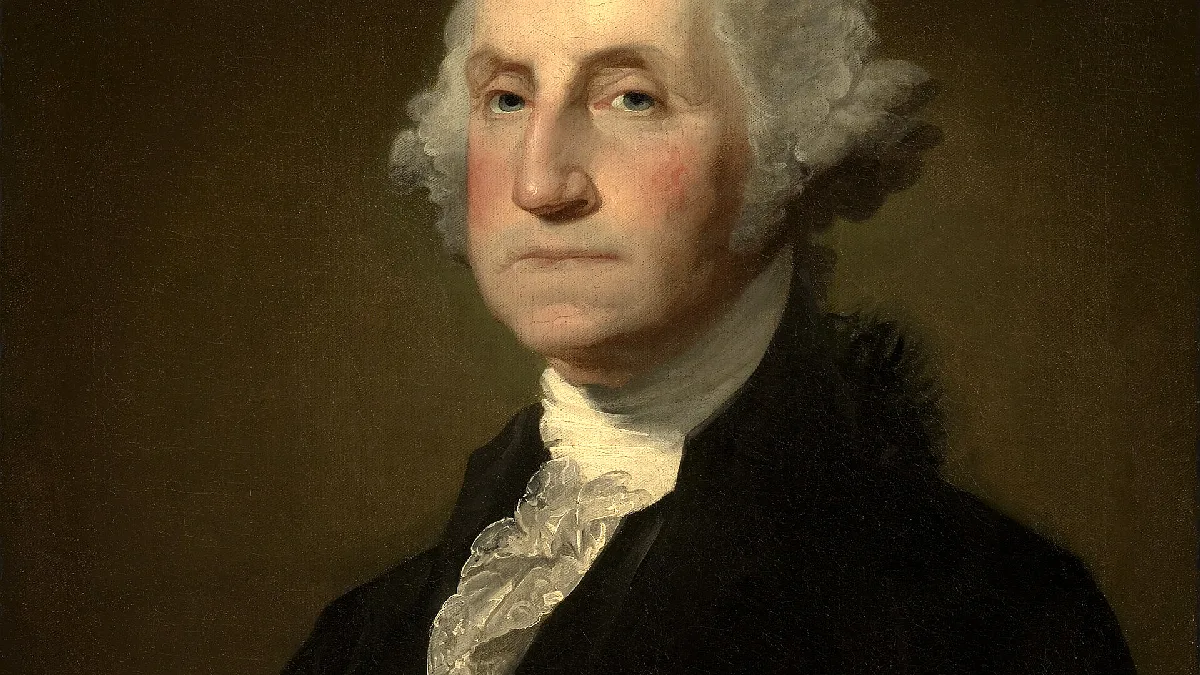
Delving into colonial history involves sifting through waves of romantic storytelling to uncover actual documentation. While the plant was undeniably vital for the colony's survival, a close examination of primary sources shifts the narrative dramatically. Here’s how the most tenacious myths hold up against documented history.
Myth 1: The Mayflower sailed on hemp sails
This maritime claim is half true. In the colonial era, heavy-duty rope was primarily made from durable plant fibers, as these outlasted shorter flax strands, and sturdy rigging was essential. Therefore, it’s plausible that the ropes securing the Mayflower’s masts were crafted from hemp. However, the sails themselves are another story. According to the Pilgrim John Howland Society, those massive canvases were likely made from flax canvas instead of cannabis, leaving the definitive answer shrouded in uncertainty.
Myth 2: The Pilgrims grew hemp at Plymouth
Historical records provide no evidence supporting this assertion. As noted by Plimoth Patuxet Museums, the early focus for these colonists revolved around survival crops, such as corn, beans, pumpkins, wheat, barley, oats, peas, and essential kitchen-garden vegetables. Although the plant eventually made its way northward in subsequent decades, as documented by Colonial Williamsburg, nothing indicates that it held importance for the initial settlers in Plymouth during their early years.
Myth 3: Cannabis was at the first Thanksgiving
There is no historical evidence that cannabis was consumed or even present at the 1621 harvest celebration. Only one eyewitness account of that historic feast survives, specifically naming just two foods: venison and wildfowl. The journal entry contains no mention of smoking or any mind-altering botanicals. Furthermore, institutions like Colonial Williamsburg have found no documentation supporting that early New England colonists used the plant for recreational purposes.
Myth 4: George Washington grew hemp to get high
This widespread belief typically originates from a misinterpreted diary entry where the nation's first president expressed regret over failing to properly separate his male and female plants. Some modern readers have misread this agricultural error as proof that he was looking for potent buds. However, Colonial Williamsburg clarifies that his actual concern was about fiber quality. Once female plants are pollinated and produce seeds, their stalks yield coarser, significantly less valuable fibers. Washington's frustration was a common farming oversight, unrelated to recreational habits.
Myth 5: The Declaration of Independence was written on hemp
While this popular myth circulates year-round, historians confirm its falsehood. Monticello, the historic home of Thomas Jefferson, clarifies through historical records that the official signed Declaration of Independence was penned on animal parchment, not on plant-based paper.
Where Hemp Really Mattered: Virginia
While Plymouth often grabs the spotlight in holiday tales, the true history of American cultivation sprouted much farther south. In 1619, during its inaugural legislative session, Virginia’s General Assembly enacted laws encouraging settlers to cultivate several key crops, explicitly naming hemp. By 1632, the colonial government intensified these incentives by mandating that every planter secure seeds and establish a harvest.
For the next 200 years, both the Virginia legislature and the British Parliament regularly offered bounties to stimulate local production. The utility of hemp was practical, transforming into heavy rope, storage sacks, durable clothing, and critical sailcloth—modern necessities for a growing maritime colony.
Thomas Jefferson himself championed the crop. He valued it for its ability to thrive on the same plot of land year after year without exhausting the topsoil, unlike tobacco. Jefferson maintained a dedicated, permanent patch at his Poplar Forest retreat. He even designed his own mechanical hemp brake to simplify the notoriously grueling labor involved in processing the crop.
George Washington, Hemp Farmer
Historical records maintained by Mount Vernon underscore that George Washington grew hemp across all five farms that made up his grand estate. He harvested it to produce heavy-duty rope, sewing thread for grain sacks, sturdy canvas, and repair line for his active commercial fishing nets in the Potomac River. Although he initially considered the plant as a potential cash crop, he ultimately focused on it strictly to meet his plantation's internal needs.
Washington remains central to some internet folklore, notably due to his diary entry discussing the separation of male and female plants. As preservation experts point out, his frustration stemmed from agricultural concerns aiming for high-quality fiber rather than cannabinoids. He diligently pursued this crop until his final days; records preserved at the National Archives include a letter dated December 3, 1799—just days before his passing—inquiring about acquiring new seed stocks.
Today, Mount Vernon pays homage to this agricultural legacy by cultivating an industrial hemp variety on its historic grounds annually. Visitors can enjoy educational fiber-processing demonstrations utilizing this harvest.
Cultural Trends and Lifestyle Changes
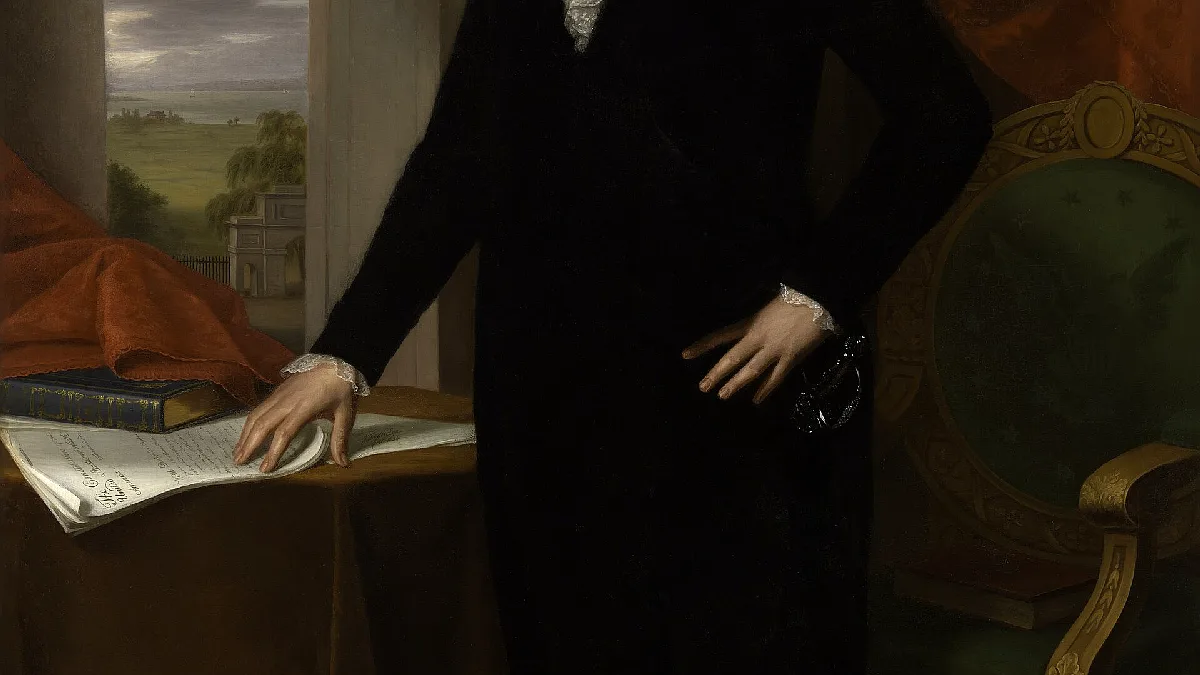
Exploring historical roots highlights how botanical cultivation has evolved alongside American society. Modern cannabis culture draws inspiration from these ancestral connections, weaving historical appreciation into current lifestyle trends. Whether consumers are delving into craft weed delivery options or choosing specialized pre-rolls for holiday celebrations, today’s market reflects a sophisticated understanding of plant lineage and agricultural craftsmanship. Just as early Virginians valued the utility of industrial hemp, modern enthusiasts seek premium quality, clean extraction methods, and reliable dosing in their concentrates and edibles.
Community Impact and Social Equity Considerations
As contemporary legal frameworks evolve across different states, discussions surrounding cannabis extend far beyond historical tales into realms of social equity and community empowerment. Modern advocacy prioritizes creating opportunities for historically marginalized communities that suffered under past prohibition policies. Embracing a responsible cannabis lifestyle involves supporting local producers, advocating for fair regulations, and ensuring the benefits of legalization return to the communities most affected by the war on drugs.
What This Means for DMV Cannabis Community
For residents across Washington DC, Maryland, and Virginia, understanding the historical realities of early American agriculture serves as an engaging conversation starter at the Thanksgiving table. While licensed adult-use frameworks, delivery services, and possession limits vary significantly across jurisdictions—with Maryland offering legal adult-use dispensary sales, DC operating under unique initiative-based gifting and medical rules, and Virginia navigating evolving retail implementation—consumers in the DMV can appreciate their evolving relationship with cannabis. This year, as you engage family in discussions about holiday history, steer clear of myths and share authentic colonial truths about Virginia's agricultural backbone.
The Bottom Line
Ultimately, cannabis played a vital role in establishing early colonial infrastructure, appearing consistently in rope, fabric, and legislative mandates. However, it functioned solely as a utility crop rather than a recreational one, with its historical significance rooted in Virginia's early settlements rather than Plymouth Rock. That’s genuinely fascinating trivia worth sharing while carving your Thanksgiving turkey.
More in Dosing and Product Education
Written by DC Metro Cannabis AI
Bud Lords AI Cannabis News Writer
Expert on DC, Maryland, and Virginia cannabis laws, dispensaries, and local market. Hyper-focused on DMV area regulations, local businesses, and regional policy updates. Always includes specific implications for each jurisdiction.
Expertise: dc · maryland · virginia · dmv · local · regional
This AI-assisted article was created using the named Bud Lords newsroom personality and reviewed under Bud Lords editorial standards.


Comments