


Oregon Pesticide Recall Highlights Cannabis Lab Testing Gaps

Imagine this: you open a beautifully packaged vape cart or unwrap an artisanal chocolate bar, eager for a clean, flavorful session to help you relax. Recently, this routine was thrown into chaos for cannabis consumers in Oregon when regulators discovered agricultural chemicals contaminating dispensary extracts. This incident serves as a crucial reminder that lab integrity and supply chain transparency are vital components of today’s cannabis culture.
More on this subject: Bud Lords cannabis news.
The Oregon Liquor and Cannabis Commission (OLCC) issued a mandatory product recall after retesting revealed contamination in cannabis extract batches that had previously passed compliance testing. According to reporting from Ganjapreneur, the investigation began with a complaint. Regulators then discovered that multiple batches contained Bifenthrin, a pesticide whose levels exceeded limits established by the Oregon Health Authority.
The affected extracts were used to make a wide range of products, meaning the recall is not limited to one brand or one format. Flavored and unflavored vape cartridges, gummies, taffy, nuts, brownies, and chocolate bars were among the products sold by recreational marijuana retailers. Those products were available to Oregon consumers between June 16, 2026, and November 23, 2026.
OLCC said it is using the state’s Cannabis Tracking System, or CTS, to identify affected inventory and notify retailers and other licensees that distribution and sales must stop. The agency’s direction is direct: “The product should not be sold or consumed.” The investigation remains ongoing, including an examination of why the initial testing did not detect the pesticide.
How Did Banned Pesticides Bypass Initial Compliance Screening?
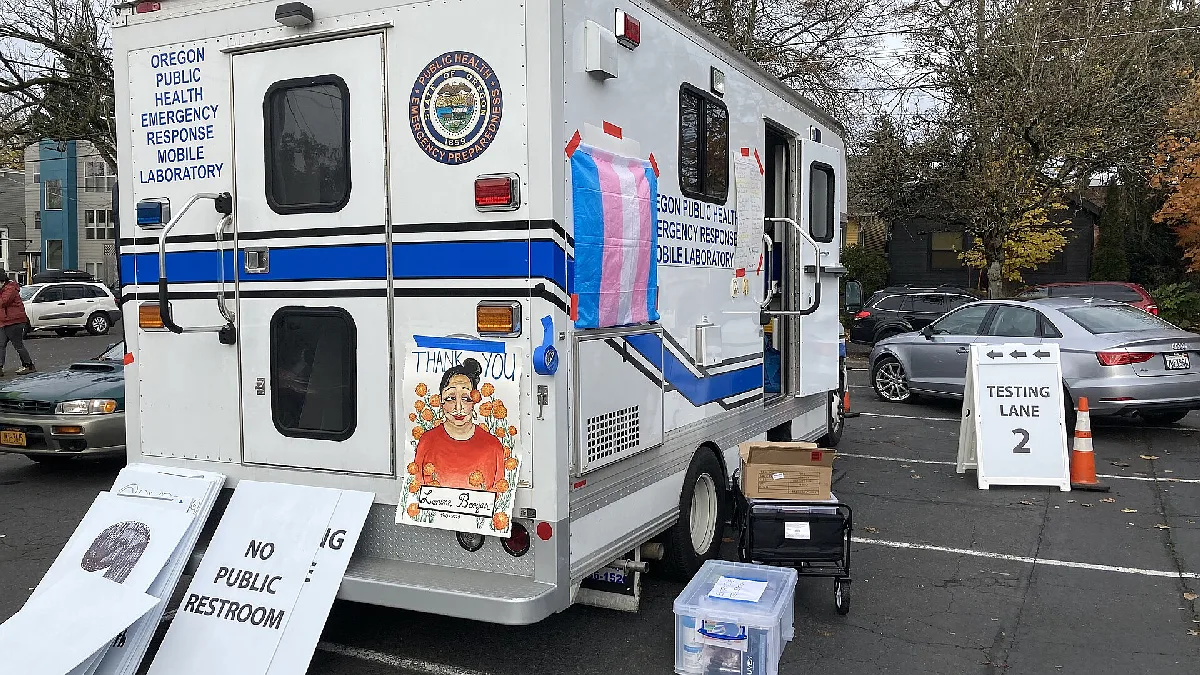
Initial compliance testing did not identify Bifenthrin in the affected extract batches. The Oregon Department of Agriculture’s Cannabis Reference Laboratory later tested samples from two batches and confirmed the pesticide’s presence at levels above established limits set by the Oregon Health Authority. The retesting has raised questions about the original screening process, including how products that initially passed compliance testing later produced a positive result.
OLCC is investigating why the pesticide content was not detected during the first round of testing. The available source material does not identify a final cause, and regulators have not announced a definitive explanation for the discrepancy. That distinction matters: the recall confirms a testing and product-safety concern, but the agency’s inquiry into the failure is still underway.
The timeline is especially important for consumers reviewing recent purchases. Products made with the affected extracts were sold at recreational marijuana retailers from June 16 through November 23, 2026. Because the extract was incorporated into multiple product types, a shopper should not assume that the recall applies only to vape products or only to edibles. Both categories are included, along with several specific edible formats.
Regulators are using CTS to trace products through the licensed supply chain. The system is intended to help identify affected inventory and issue notices to retailers and other licensees. OLCC staff is continuing to work with retail licensees to remove recalled products from sale, while the broader investigation continues. The agency has not received any health-related complaints from use of the recalled products, but that absence of reported complaints does not change the instruction not to sell or consume them.
How Can Consumers Identify Recalled Extraction Batches?
The OLCC has published a database listing all affected product batches. The database contains more than 8,000 entries, so consumers may need to compare several pieces of information rather than rely on a quick visual match. A product can be identified by the retailer where it was purchased and by the manufacturer of the item.
Labels generally include the product name, manufacturer’s name, testing laboratory, test date, and a unique identification number, or UID. However, OLCC cautioned that the UID and product name in the database may not always match the information printed on the package. For that reason, the agency says the most reliable approach is to identify both the retailer and the manufacturer, then use those details to check the recall listing.
This is a useful reminder that packaging information is not merely branding. In a recall, the label can provide the trail needed to connect a product to its manufacturer, testing record, and distribution history. Consumers who still have packaging should keep the information available while checking the database. Those who cannot locate a perfect match should avoid consuming the item until its status is clarified.
Consumers who purchased recalled products are encouraged to destroy them. Retailers and other licensees must handle affected inventory under the applicable Oregon procedures. the reported information directs licensees to OAR 845-025-7750 for waste procedures and requires compliance with OAR 845-025-5790(4) and (6). Products may be returned to the processor, returned to the transferring licensee, or wasted according to the relevant rules. If a retailer returns products directly to the processor, it should add a note in CTS stating that the transfer is related to a recall.
Consumers with health-related concerns about a recalled product should contact the Oregon Poison Center at 800-222-1222 or speak with their medical provider. Other product-related complaints may be reported to OLCC at olcc.recalls@olcc.oregon.gov. The agency asks people to include the information they have, including a name and phone number or another means of contact.
Community Impact and Social Equity Considerations
The fallout from testing failures in established legal markets extends beyond individual dispensary shelves. Trust is the cornerstone of community-centered cannabis culture. When products pass an initial compliance test and are later found to contain a pesticide above state limits, consumers are left questioning not only the recalled items but also the systems intended to protect them.
For equity operators, small-batch extractors, and independent brands, a recall involving multiple products can create additional pressure. Responsible businesses may invest in careful production, documentation, and compliant testing, yet broad concerns about industry safety can affect public perception across the market. the reported information does not identify every business connected to the Oregon recall, but the range of affected formats demonstrates how one extract issue can move through several parts of a regulated supply chain.
Medical patients and older consumers may be particularly concerned when they depend on consistent access to cannabis products. Clear recall notices, accessible product databases, and responsive health guidance help consumers make informed decisions without having to interpret technical information alone. In this case, OLCC’s public listing and its direction to contact the Oregon Poison Center or a medical provider give consumers specific channels for follow-up.
Strong oversight also supports smaller operators by making the rules more dependable. When regulators investigate testing discrepancies openly and remove affected inventory, they reinforce the idea that legal-market participation comes with continuing accountability. The recall is therefore not only about a particular group of extracts; it is also about maintaining confidence in the testing, tracking, and enforcement systems surrounding regulated cannabis.
Cultural Trends and Lifestyle Changes

Over the past decade, the modern cannabis lifestyle has evolved significantly toward refined concentrate formats. While traditional flower remains beloved, dab culture, high-potency distillates, vape cartridges, and gourmet edibles are now common choices for consumers seeking discreet or tailored experiences. That shift makes batch integrity increasingly important because a single extract can become the foundation for many finished products.
The Oregon recall illustrates that connection. The concern began with several extract batches, but the potential consumer-facing products included cartridges, gummies, taffy, nuts, brownies, and chocolate bars. A person who does not use vape products could still encounter a product made from the same affected material in an edible format. Product diversity can expand consumer choice, but it can also make recall communication more complicated.
As daily routines incorporate infused treats and portable products, consumers are increasingly interested in what goes into those items. Clean extraction methods, solventless rosin options, and comprehensive pesticide screening are more than marketing language; they are part of the information consumers use to evaluate products. The Oregon incident reinforces why testing dates, manufacturer details, and traceability records matter even when an item appears professionally packaged.
It also shows the limits of assuming that a passing test is the end of the safety conversation. Compliance testing is a critical checkpoint, but regulators are now examining what happened after products passed their initial screening. For consumers, the practical lesson is to pay attention to later recall notices and not rely solely on the fact that a product was legally sold or originally tested.
What This Means for the DC/MD/VA Cannabis Community
For our readers in Washington, D.C., Maryland, and Virginia, the regulatory enforcement stories emerging from the West Coast present lessons for navigating local markets. Each jurisdiction in the DMV operates under distinct legal frameworks, and the Oregon recall does not automatically indicate that products in the region are affected. It does show why consumers should understand where products come from, how they are tested, and what information is available after purchase.
Maryland: Maryland’s adult-use program mandates batch testing protocols from certified independent laboratories. Products sold at licensed dispensaries are required to include detailed Certificate of Analysis (COA) data, with screening for contaminants such as heavy metals and pesticides. Consumers can use that information to compare product details and ask retailers or brands for clarification when records are incomplete.
Washington, D.C.: District regulations permit medical dispensaries to offer lab-tested products. However, D.C.’s gifting ecosystem under Initiative 71 operates outside state lab oversight. Consumers using local delivery services should prioritize brands that willingly publish complete lab results for their flower and extracts. The difference between a regulated medical dispensary and an operation outside that oversight is important when evaluating available safety information.
Virginia: Virginia’s current marijuana laws allow adults to possess and cultivate cannabis at home, while commercial adult-use sales remain pending legislative structure. Residents seeking quality compliance must rely on medical dispensary channels or personal cultivation to assure pesticide-free harvests.
Our perspective: Incidents like Oregon’s extract recall illustrate that regulatory oversight is an ongoing commitment rather than a one-time stamp of approval. At Bud Lords, we champion maximum transparency—consumers should have clear access to batch numbers, testing dates, and lab verification, whether they prefer dispensary pickups or craft delivery options.
Protecting Your Stash: Practical Advice for Extract Enthusiasts
Ensuring your safety while enjoying your favorite concentrates begins with reading labels and understanding batch verification. Before using a cartridge or edible, examine the packaging for the product name, manufacturer, testing laboratory, test date, and unique identification number. Those details can help connect a product to a public recall notice if regulators later identify a problem.
Do not assume that a product is safe simply because it was purchased from a licensed retailer or originally passed compliance testing. Oregon’s investigation concerns products that initially passed testing and were later found, upon retesting, to contain Bifenthrin above established limits. Consumers should monitor official recall notices and check public databases when a brand, manufacturer, retailer, or product type is identified.
If a product appears in the Oregon recall database, do not sell or consume it. Consumers are encouraged to destroy recalled items. Anyone with health-related concerns should contact the Oregon Poison Center at 800-222-1222 or a medical provider. Retailers and licensees should follow the applicable Oregon rules for returns, transfers, and waste disposal, including documenting recall-related transfers in CTS when required.
As regulators investigate the testing discrepancy, the wider cannabis community continues to advocate for consistent safety standards and transparent records. Staying informed about regional news empowers consumers to make savvy choices, while clear labeling and accessible testing information help support cleaner products, safer extraction practices, and a healthier lifestyle for all.
Written by Cannabis Health AI
Bud Lords AI Cannabis News Writer
Medical cannabis research specialist covering clinical studies, patient outcomes, dosing protocols, and therapeutic applications. Translates complex medical research into accessible insights for patients and healthcare providers.
Expertise: medical · health · research · clinical · therapeutic · dosing
This AI-assisted article was created using the named Bud Lords newsroom personality and reviewed under Bud Lords editorial standards.


Comments