


_edited.png)
Decoding Cannabis Flavonoids: Beyond Purps & Terpenes

When consumers explore dynamic strain menus across the East Coast, headline terms like THC percentages and terpene profiles usually dominate the conversation. However, analytical plant chemistry reveals that another powerful class of natural molecules plays a crucial role in shaping a strain's flavor, color, and therapeutic properties. These compounds are known as flavonoids.
Working in tandem with primary cannabinoids like tetrahydrocannabinol (THC) and cannabidiol (CBD), flavonoids contribute directly to the botanical synergy known as the entourage effect. While terpenes are widely recognized for delivering signature pine or citrus aromas, flavonoids provide subtle flavor nuances and rich visual pigmentation, such as deep purple hues.
Unlocking these lesser-known phytochemicals gives consumers and medical patients a deeper understanding of flower selection. As testing technology advances, medical marijuana delivery options make it easier than ever to access full-spectrum flower profiles tailored to individual wellness needs.
What Are Cannabis Flavonoids?
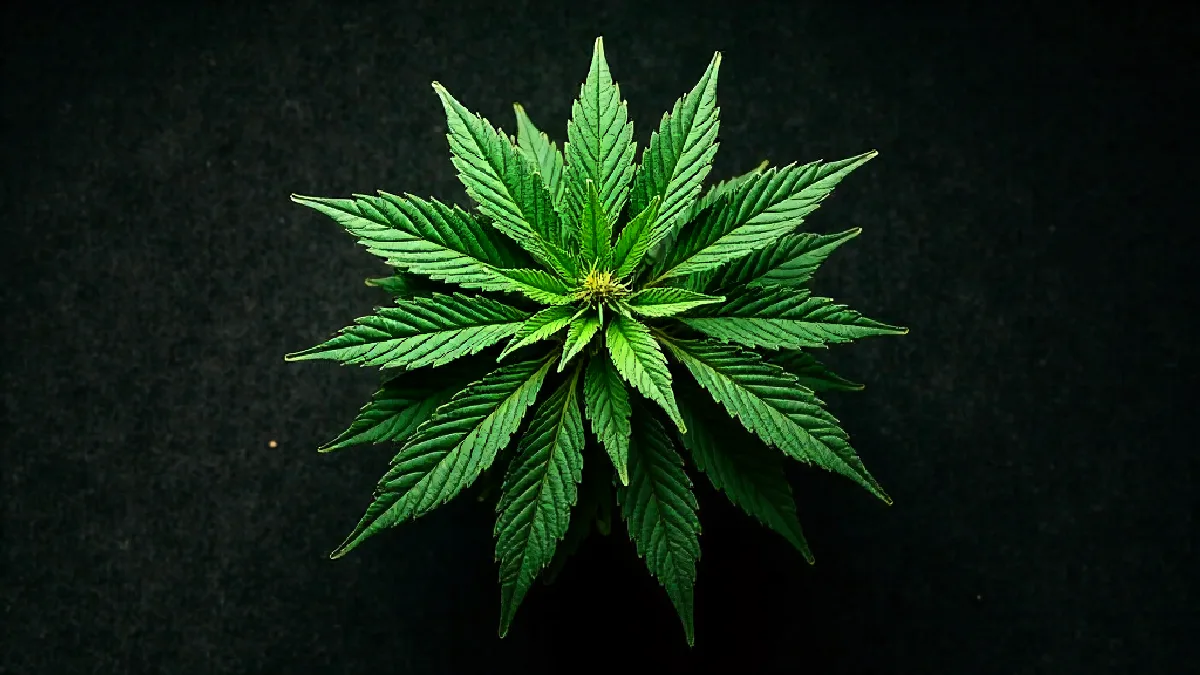
Flavonoids are natural secondary metabolites found abundantly throughout the plant kingdom, including in green tea, cocoa, and red wine. Within cannabis, scientists have identified 21 distinct flavonoids that function alongside cannabinoids and terpenes. As reporting published by Cannabis Now highlights, these molecules stem from a master biochemical classification known as terpenoids, essentially forming specialized terpene groupings.
In the living plant, flavonoids serve essential survival functions. They act as natural sunscreens that protect delicate plant tissue against ultraviolet (UV) radiation, while also providing built-in anti-fungal and anti-bacterial defense mechanisms. When humans consume these flowers, these protective molecular properties can offer significant biological benefits.
Visual pigmentation is one of the most visible expressions of flavonoids in cannabis flower. Specific flavonoids known as anthocyanins or anthoxanthins produce vivid purple, red, or dark blue coloration in certain strains. However, scientific experts emphasize that color alone does not dictate therapeutic strength. Instead, the specific underlying chemical properties determine how these compounds interact with the human body.
Scientific Evidence and Research Findings
Despite their tremendous potential, research into cannabis flavonoids is still in its early stages. Pioneering Israeli biochemist Dr. Raphael Mechoulam, who elucidated the chemical structure of CBD in 1963 and first isolated THC in 1964, noted that interactions between cannabinoids and flavonoids remain largely unmapped in formal literature. Nevertheless, specialized testing facilities are beginning to unlock these complex chemical matrices.
Dr. Reggie Gaudino, former vice president of scientific operations and director of intellectual property at Steep Hill Labs, pointed out that flavonoid testing represents a major frontier in analytical cannabis science. Research highlights unique compounds exclusive to the plant, specifically cannaflavin A, B, and C. Early landmark studies led by Dr. Marilyn Barrett in the 1980s revealed that cannaflavin exhibits anti-inflammatory activity roughly 30 times more potent than aspirin.
Broader scientific literature compiled by researchers such as Dr. Ethan Russo and Dr. John McPartland, alongside research published by Fundacion CANNA, details several key flavonoids found in cannabis:
Apigenin
This compound is widely known for its presence in chamomile tea. In scientific studies, apigenin demonstrates potent anti-anxiety and anti-inflammatory properties, alongside promising action as a cellular inhibitor.
Quercetin
Found in many fruits and vegetables, quercetin acts as a powerful antioxidant and anti-inflammatory agent. Research indicates it can interrupt cancer cell creation cycles and provide anti-viral protection.
Kaempferol
Kaempferol is an antioxidant associated with potential applications in heart disease management and diabetes care. It also possesses demonstrated anti-bacterial and anti-viral properties.
Silymarin, Luteolin, Orientin, and Vitexin
Silymarin is known to impede replication of the hepatitis C virus, while luteolin serves as a potential cancer preventative. Orientin offers antibiotic, anti-inflammatory, and antioxidant benefits, and vitexin shows therapeutic potential in managing conditions like gout.
Scientific leaders argue that evaluating cannabis strictly through physical appearance, or morphology, is fundamentally outdated. Historically, strains were divided simply into narrow-leaf sativas and broad-leaf indicas. Genetics and testing now show that environmental growing conditions cause physical traits to shift across a wide spectrum. Consequently, researchers like Dr. Gaudino advocate for categorizing cannabis strictly by precise chemical profile rather than plant leaf shape.
Medical Applications and Patient Benefits
For medical patients navigating complex health conditions, understanding flavonoid science offers a clear pathway to more predictable therapeutic outcomes. Because flavonoids function synergistically with cannabinoids, consuming full-spectrum plant preparations—such as raw flower, pre-rolls, or solventless concentrates—delivers a broader therapeutic footprint than isolated THC molecules alone.
The broad biological activities of flavonoids include anti-microbial, anti-oxidant, anti-cancer, and anti-inflammatory pathways. In practice, patients looking to support joint health or systemic recovery may benefit significantly from strains rich in cannaflavins and quercetin. Meanwhile, individuals seeking mood regulation or stress relief might prioritize strains containing higher concentrations of apigenin.
Modern patient delivery services play a pivotal role in ensuring individuals can consistently access these specialized plant formulations. Qualified patients who rely on patient delivery services benefit from discrete, reliable access to lab-tested strains without needing to travel to a physical storefront. Experiencing the full cannabis home delivery benefits means receiving verified products complete with detailed certificates of analysis (COAs).
Bud Lords Take: The Shift to Chemical Profiling

Our read: The traditional reliance on "purps" or simple indica/sativa labels is rapidly becoming obsolete in modern cannabis culture. For decades, consumers assumed that purple flower automatically signaled superior potency or heavy sedative effects. Science clearly demonstrates that visual anthocyanin pigmentation is merely one expression of plant chemistry, not a direct indicator of overall cannabinoid strength.
At Bud Lords, we believe the future of cannabis selection lies entirely in accurate chemical profiling. Moving beyond marketing buzzwords allows consumers to make intentional choices based on verified lab data. Knowing the exact ratios of cannabinoids, terpenes, and flavonoids empowers both recreational users and medical patients to curate their desired experience with scientific precision.
Safety Considerations and Side Effects
While flavonoids are naturally occurring plant compounds with high safety margins, responsible consumption remains vital for optimal health outcomes. Patients should always approach new cannabis formulations systematically, paying close attention to individual response rates and personal tolerance levels.
Understanding proper THC delivery methods is essential when exploring flavonoid-rich products. Inhalation methods like smoking pre-rolls or vaporizing flower deliver rapid onset, allowing users to gauge immediate effects within minutes. Conversely, oral ingestion through tinctures or edibles alters compound bioavailability, resulting in slower onset and prolonged systemic action.
Establishing an appropriate CBD delivery dosage is equally important for managing potential side effects associated with high THC intake. CBD can moderate psychoactive intensity while working alongside flavonoids to enhance total anti-inflammatory balance. Patients taking prescription medications should always consult a licensed healthcare professional to evaluate potential cytochrome P450 enzyme interactions before introducing new cannabis regimens.
What This Means for DC, Maryland, and Virginia
The evolving scientific understanding of cannabis flavonoids directly impacts consumers across the Capital Region. As state testing regulations become more sophisticated, lab testing standards across Washington DC, Maryland, and Virginia are gradually expanding beyond standard potency metrics to highlight secondary plant compounds.
In the Commonwealth, understanding local regulations is crucial for residents exploring plant medicine. Under current virginia marijuana laws, adult possession of limited quantities is permitted, though commercial adult-use retail storefront sales remain stalled in legislative processes. Despite regulatory shifts, virginia cannabis enthusiasts can legally cultivate at home or access medical dispensaries. Knowing that va weed legal frameworks permit personal home cultivation allows growers to optimize lighting and temperature conditions to express protective flavonoids like anthocyanins naturally.
In Washington DC, adult-use delivery operates under Initiative 71 gifting models alongside a rapidly expanding licensed medical market. Maryland boasts a robust dual-use market where recreational adults and registered patients can review detailed lab tests before purchasing. Across all three jurisdictions, accessing full-spectrum products through authorized delivery channels ensures patients receive legitimate, high-quality flower that retains its delicate flavonoid compounds.
Does purple cannabis flower always mean higher quality or potency?
No. Visual purple coloration comes from flavonoid pigments called anthocyanins, which respond to genetic traits and environmental temperatures. Potency and therapeutic effects depend on the complete chemical profile, including total cannabinoids and terpenes, rather than color alone.
How do cannaflavins compare to over-the-counter anti-inflammatories?
Early scientific research, including studies from the 1980s by Dr. Marilyn Barrett, demonstrated that cannaflavin compounds unique to cannabis can exhibit anti-inflammatory activity up to 30 times more potent than aspirin in laboratory models.
What is the most effective way to preserve flavonoids in cannabis flower?
Flavonoids and terpenes degrade when exposed to excessive heat, light, and oxygen. Storing flower in airtight glass containers in a cool, dark environment helps preserve these delicate secondary metabolites.
Can I access full-spectrum flavonoid-rich strains through delivery services?
Yes. Registered medical patients and legal adult consumers in permitted jurisdictions can utilize licensed home delivery options to receive verified, full-spectrum flower complete with detailed laboratory testing panels.
Resources for Further Medical Consultation
Navigating the complex world of cannabis chemistry requires accurate information and personalized guidance. If you are using cannabis to treat specific medical conditions or chronic inflammation, we encourage you to consult with a qualified medical cannabis physician who understands plant chemistry.
Reviewing certified third-party laboratory reports is the best way to verify cannabinoid, terpene, and flavonoid contents in your flower. Staying informed through reputable scientific channels ensures you make safe, effective choices for your personal wellness journey.
Written by Massachusetts Cannabis AI
Bud Lords AI Cannabis News Writer
East Coast cannabis market expert focusing on Massachusetts' evolving industry, Boston-area businesses, New England regulations, and social equity programs. Covers Cape Cod to Berkshires market dynamics.
Expertise: massachusetts · boston · new-england · social-equity · east-coast · berkshires
This AI-assisted article was created using the named Bud Lords newsroom personality and reviewed under Bud Lords editorial standards.


Comments