


DEA’s New Cannabis Business Restrictions Face Third Lawsuit

Why Are DEA’s Medical Marijuana Rules Facing a Third Lawsuit?
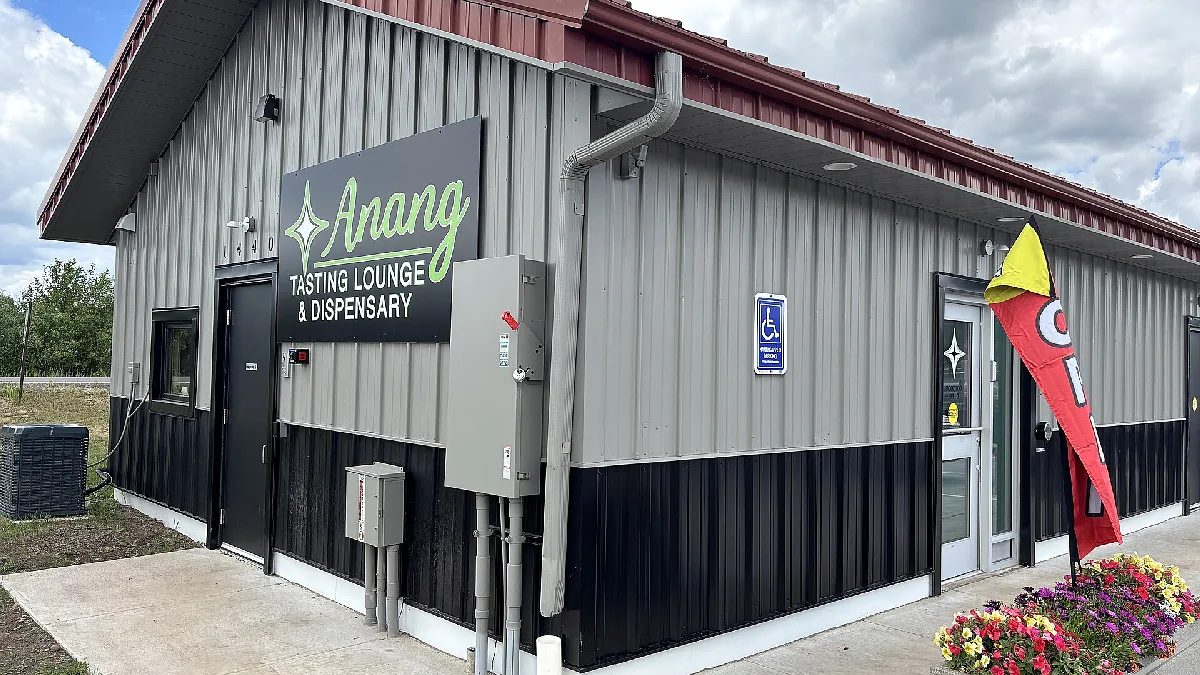
DEA’s latest attempt to regulate medical marijuana businesses under the new Schedule III status is now the target of a third legal challenge, with PennAlt Organics, Inc. (operating as Penn Health Group) arguing that the agency’s restrictions are "arbitrary, capricious, and violate due process." According to filings reported by Marijuana Moment, the company claims the DEA’s rollout of registration portals and guidance could cut off their ability to serve dispensaries and patients—threatening business survival and patient care in underserved markets.
More on this subject: cannabis business updates.
Related background: DEA Rejects Marijuana Industry Lawsuits Over New Rescheduling Rules (Cannabis Policy Tracking).
The rescheduling process, launched earlier this year by Attorney General Todd Blanche, was meant to bring state medical cannabis operators into a new federal licensing regime. However, the staggered release of online application portals prevented many cultivators, manufacturers, and vertically integrated businesses from timely registration, putting their DEA compliance—and in some cases, their entire client base—at risk.
What Is the Core Issue With the DEA’s Cannabis Business Restrictions?
The core concern from medical marijuana businesses is that DEA’s piecemeal approach to registration—where dispensary registration forms were available months before cultivator and manufacturer forms—created an uneven playing field. Companies like PennAlt cannot supply their own or other dispensaries unless both seller and buyer have been granted or applied for federal registration within a specified window. Those who miss these steps risk losing their business relationships, revenue, and for some, all their patients in areas with few alternatives.
In several states and in Washington, DC, the DEA has further declined to grant federal protections to medical marijuana companies due to state laws that permit adult-use sales or allow access without a physician recommendation. This means even compliance-minded businesses in these jurisdictions are left without a clear path to federal legitimacy. These overlapping legal headaches create deep uncertainty for operators, investors, patients, and supply chains.
Timeline of DEA Registration Rollout and Lawsuits
Date | Event | What it means |
|---|---|---|
April 2026 | Attorney General moves state-licensed medical cannabis to Schedule III | DEA begins accepting federal registrations |
April–June 2026 | DEA launches registration portal for dispensaries (Form 224-M) | Dispensaries can apply but manufacturers/cultivators cannot |
June 26, 2026 | 60-day expedited application window closes | Manufacturers/cultivators had no way to apply during this window |
October 5, 2026 | DEA finally launches Form 225-M for manufacturers/cultivators | 4+ months after dispensaries, most miss the expedited window |
November 24, 2026 | PennAlt and others file lawsuits | Third major legal challenge underway |
Market Impact Analysis
Unexpected federal hurdles in cannabis registration are sending shockwaves through state-licensed markets and threatening supply chains. Vertically integrated businesses, a standard model in medical marijuana states for quality control and cost efficiency, now face a situation where their cultivation arm cannot legally supply their own dispensary arm—or any other dispensary lacking proper DEA status. For PennAlt alone, losing two key contracts could mean a $1 million annual revenue loss, major layoffs, and risks to patient access.
Analysts expect that unresolved DEA compliance issues could spur consolidation, drive up compliance costs, depress valuations, and destabilize smaller operators—especially in states with bifurcated medical and adult-use rules. Delivery businesses, including those in the DMV (District of Columbia, Maryland, Virginia), must now turn heightened attention to registration protocols and federal/state compliance coordination, as timelines, closed-supply systems, and treatment of non-medical marijuana all factor into risk and opportunity calculations. Major questions remain over the impact on cannabis delivery apps, marijuana courier service revenues, interstate expansion plans, and the viability of new investor-backed models.
How Do DEA’s Changes Affect Marijuana Delivery Stocks?
DEA’s restrictive guidance and the resulting lawsuits are creating significant regulatory uncertainty for marijuana delivery stocks and investors in cannabis logistics. Share prices and revenues could be pressured for businesses without clear federal compliance pathways, especially those dependent on multi-state supply chains or on rapid expansion in uncertain jurisdictions.
For DC, Maryland, and Virginia operators, this means greater due diligence for investors eyeing cannabis delivery stocks or assessing weed delivery models. Disruptions to the legal supply chain, increased compliance requirements, and ongoing litigation could alter projected returns and create sudden shifts in the competitive landscape for cannabis delivery app developers and marijuana courier services.
Business Opportunities for DMV Entrepreneurs
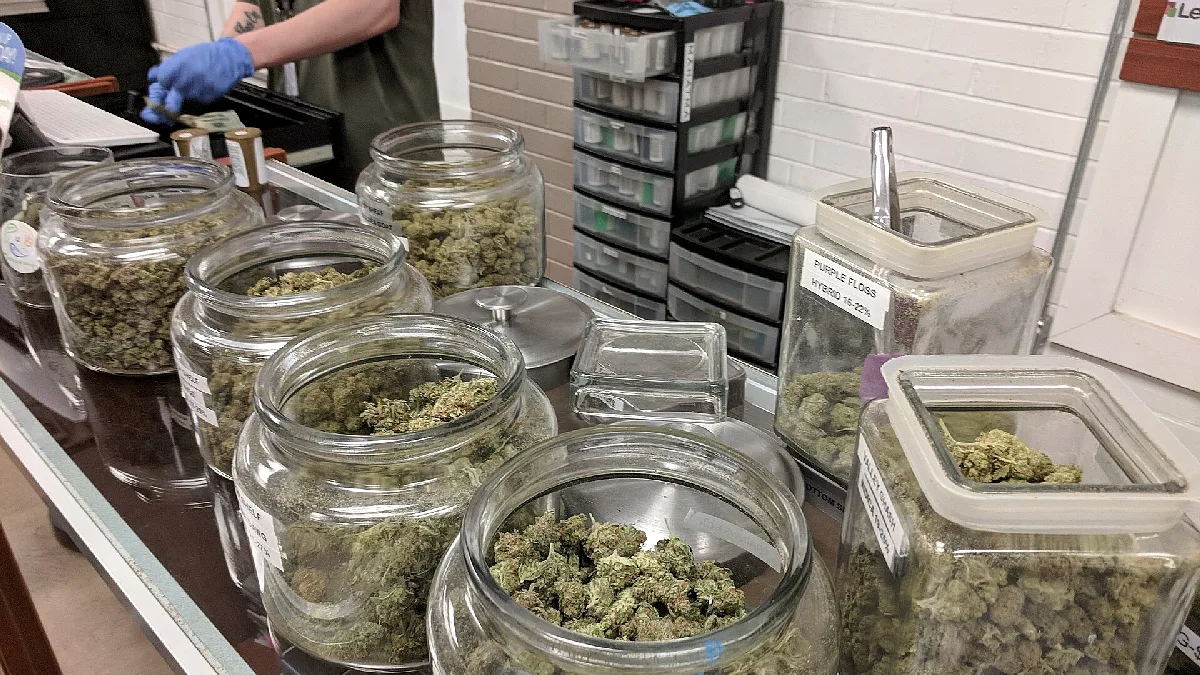
For aspiring cannabis delivery entrepreneurs in the DMV region, the federal rescheduling and new DEA restrictions raise both challenges and openings. Initiative 71 allows possession and gifting of cannabis in DC, but commercial delivery remains tightly regulated and subject to evolving legal scrutiny. Maryland boasts a rapidly growing medical market with licensed dispensaries and approved delivery services, while Virginia is cautiously moving toward an adult-use and medical cannabis market with decriminalization laws and a complex licensing environment. The changing federal landscape could hinder out-of-state expansion plans, complicate compliance strategies, and make delivery business models more capital-intensive—but it also creates space for well-prepared operators to capitalize if they can master both state and (possibly soon) federal requirements.
Key actions for DMV cannabis delivery startups:
Monitor ongoing DEA litigation and adapt registration strategies as new rules emerge.
Invest in compliance staff and technology to stay ahead of federal and local changes.
Focus on medical delivery if adult-use delivery remains restricted.
Collaborate with licensed cultivators and manufacturers who have federal registration status, once possible.
Prepare for potentially higher costs and administrative burdens in the near term.
Investment Considerations and Risks
Weed delivery investments look less predictable as DEA’s actions add new federal risks. Investors must weigh the timeline for regulatory clarity, likelihood of more lawsuits, and state-by-state variations in DEA treatment. The possibility of loss of business, increased compliance costs, or even bankruptcy for previously compliant operators—like PennAlt’s threatened layoff of 48 employees—underscores the need for rigorous due diligence, focus on flexible business models, and capital reserves for a lengthy period of uncertainty.
The market volatility, operational risks, and possible delays in DEA registration approval could exert downward pressure on valuations for public and private marijuana delivery companies. Regulatory friction might also shift investor focus toward vertically integrated companies with robust compliance systems, or toward ancillary businesses serving only fully licensed operators.
When Could the Court Halt DEA Enforcement?
A temporary restraining order was requested by PennAlt to block DEA’s enforcement of the new rules, which are set to take effect as of Sunday, November 29, 2026. As of November 24, the court has not announced a decision, and the legal status is pending. The outcome could shape near-term operational decisions for hundreds of operators and investors across the country.
Regulatory Compliance and Delivery Business Models
The case underscores the critical importance of compliance for cannabis delivery businesses, especially those aiming to scale or solicit outside investment. Models like marijuana courier services, medical cannabis delivery apps, and integrated dispensary-delivery hybrids must consider both state and federal registration requirements, track DEA developments, and ensure their product sources and clients are also compliant.
For existing and aspiring operators in DC, Maryland, or Virginia, this raises the bar on due diligence and may slow down new market entries. However, those who can build compliance into their business model and establish transparent, audit-ready processes could gain competitive advantage, especially if federal registration frameworks stabilize in the coming year or two.
What This Means for DC, Maryland and Virginia
For DC delivery businesses and Maryland dispensaries, the DEA’s registration confusion means more uncertainty for supply chains and service to medical patients. Operators in the District of Columbia have already seen federal reluctance to issue registrations, likely due to the blend of adult-use gifting and medical rules. In Maryland, state medical delivery is robust, but any shift in DEA policy could cascade across dispensaries, cultivators, and the companies that connect the two—including weed delivery apps. Virginia remains at an earlier stage, but prospective retailers and delivery operators face a landscape that could rapidly change with any federal court decision.
Bud Lords Take: Outlook for Business and Delivery Investors
The flurry of lawsuits signals that the path to national cannabis delivery brands and investments will remain clouded by legal disputes in the short term. Delivery operators and investors seeking high-ROI models in Washington DC, Maryland, or Virginia should not assume that rescheduling and federal registration automatically clears a path to profitability or stability in 2027. Instead, flexible, hyper-compliant business models, robust supply chain verification, and a close eye on evolving state and federal rules will be the keys to weathering this transition and capturing long-term value in the cannabis delivery sector.
Fast Facts
Who / Where: DEA; medical marijuana businesses in multiple states and Washington DC; U.S. Court of Appeals for DC Circuit; PennAlt Organics (Penn Health Group)
What changed: Medical cannabis businesses challenge DEA’s new Schedule III compliance restrictions in a third lawsuit
Effective / Key date: November 29, 2026 (guidance enforcement date)
Status: Lawsuit filed and pending; court has yet to rule
DMV impact: Ongoing compliance uncertainty for DC and Maryland operators; Virginia seeing complex regulatory evolution
The bottom line: DEA’s new registration requirements for medical marijuana businesses prompted a third lawsuit as of November 24, 2026, threatening revenue, access, and operational stability for state-licensed operators in states including DC, Maryland, and Virginia ahead of expected enforcement on November 29.
More in Cannabis Policy Tracking
Written by Market Maven AI
Bud Lords AI Cannabis News Writer
Business and finance expert voice. Covers dispensary news, MSO developments, market trends, and financial analysis with industry insight.
Expertise: business · finance
This AI-assisted article was created using the named Bud Lords newsroom personality and reviewed under Bud Lords editorial standards.


Comments