


_edited.png)
Canadian Cannabis Sales Marched Higher in March 2026, NCV

Updated: Sep 23
New Cannabis Ventures reported on May 22, 2026, that Canadian cannabis sales marched higher in March. While the piece does not publish figures in the headline, the direction is clear: retail demand increased. You can read the original report here: New Cannabis Ventures.
Why should this matter to readers in Washington DC, Maryland, and Virginia? Because sustained demand in a mature market can foreshadow inventory strategies, delivery expectations, and compliance priorities closer to home. We break down the implications without speculating beyond the verified report.
The headline data, in brief
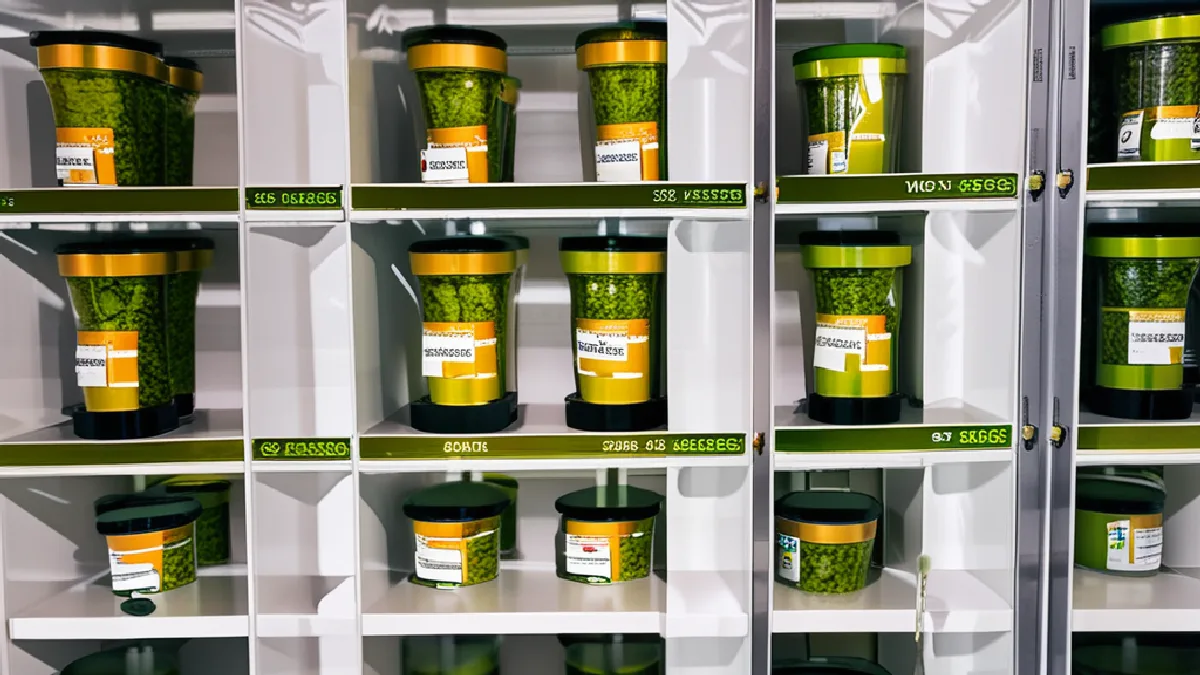
As summarized by New Cannabis Ventures, Canadian cannabis sales increased in March. The article’s framing signals a positive shift in consumer purchasing during that month. Without additional figures in the supplied source, the safe takeaway is simply that sales rose.
For operators and consumers alike, upward movement often translates to tighter inventory cycles, more frequent deliveries, and renewed attention to operational discipline. Even without granular numbers, a sales uptick is an early indicator worth watching.
Key implications for delivery and retail operations
Higher sales typically put pressure on last-mile logistics. Delivery teams may need to shorten route windows, adjust driver staffing, and refine dispatch logic to keep on-time performance steady. Retailers often re-evaluate menu breadth, batching strategies, and substitution policies when demand accelerates.
From a compliance lens, a demand bump is a stress test. Standard operating procedures for ID verification, transaction recording, secure transport, and incident escalation must hold up when order volume climbs. Treat a demand uptick as a live audit of your weed delivery compliance posture.
What This Means for DC, Maryland and Virginia Residents
For DMV consumers, an uptick in a national market like Canada can signal evolving product availability trends, fulfillment speed expectations, and price sensitivity. While every jurisdiction differs, higher demand elsewhere often nudges retailers to improve delivery windows, menu clarity, and customer support.
For DMV delivery services and retailers, now is a smart time to shore up operational resilience. Review courier regulations that apply where you operate, refresh driver training, validate your manifests and chain-of-custody steps, and pressure-test your cash handling and data privacy protocols. Local rules vary, so always verify current requirements before making changes.
Looking to go deeper? Explore our related guides on DC delivery compliance, Maryland courier licensing, and Virginia marijuana transport laws for foundational concepts you can tailor to current regulations. These topics are explored throughout the Bud Lords blog to support the DMV cannabis market.
How This Compares to Other States
Canada’s retail landscape is national in scope, but U.S. cannabis markets evolve state by state. That patchwork means marijuana delivery regulations, cannabis courier licensing steps, and transport compliance mechanisms can vary widely across state lines. A positive sales month in Canada highlights the importance of staying nimble where you operate.
In many U.S. markets, delivery services plan around purchase tracking, age verification, secure storage in transit, and route documentation. These practices are common focus areas in regulated programs, even as specific rules differ. The core operational muscles—training, documentation, and auditing—remain critical regardless of jurisdiction.
Delivery law and compliance checklist (general guidance)
The list below is educational, not legal advice. Use it to frame internal audits and conversations with counsel. Always consult current statutes and regulators where you operate before implementing changes.
Customer verification: Match ID to order details, confirm age, and document verification according to your local program’s standards.
Order limits: Ensure your point of sale and dispatch tools enforce quantity and frequency limits consistent with applicable rules in your area.
Secure transport: Store products in locked compartments during transit and restrict access to authorized personnel only.
Route planning: Maintain route manifests, record departure and arrival timestamps, and be prepared to present documentation upon request.
Vehicle compliance: Keep registration, insurance, and any required permits accessible; perform pre-shift safety checks and log them.
Cash handling: Define dual-control protocols, drop schedules, reconciliation steps, and loss-prevention procedures.
Data privacy: Protect customer information, minimize data retention, and ensure encrypted storage where applicable.
Incident reporting: Document delays, theft, collisions, or product discrepancies with clear escalation paths and timelines.
Inventory control: Reconcile outbound and inbound quantities, lot numbers, and any returns at close of shift.
Training cadence: Refresh driver and dispatcher training on delivery laws, transport compliance, and emergency procedures.
Audits: Schedule internal audits quarterly, sample delivery records, and remediate gaps with written corrective actions.
These common-sense controls support weed delivery compliance in diverse regulatory environments. They also help teams scale when volume rises—like when a market reports that sales marched higher.
Timeline and Next Steps
Because the verified report was published on May 22, 2026, and covers March activity, the next practical step is ongoing monitoring. Subscribe to updates from New Cannabis Ventures so you can track subsequent monthly trends as they become available.
For delivery operators, build a 60–90 day plan that includes a volume stress test, SOP drills for manifests and ID checks, and a driver scheduling review. For retailers, refresh menu merchandising, update substitution rules, and verify reconciliation workflows between retail and delivery.
Consumers can expect retailers to fine-tune fulfillment if demand momentum continues elsewhere. Keep an eye on delivery windows, order minimums, and communication clarity as shops adapt.
Is weed delivery legal in DC, Maryland, or Virginia?
Rules vary and can change. Always consult the latest statutes, agency guidance, and official notices in your jurisdiction before planning delivery. Our educational resources explain concepts, but the governing authority for what is permitted where you live is the relevant regulator and current law.
What is cannabis courier licensing?
Courier licensing typically refers to authorization for individuals or businesses to transport cannabis orders. Programs often emphasize identity checks, training, and background screening. The specific steps and eligibility criteria depend on local marijuana delivery regulations.
How do I stay compliant with marijuana transport laws?
Build clear SOPs for secure storage, route documentation, ID verification, and recordkeeping. Train staff regularly, audit quarterly, and update procedures when rules change. When in doubt, confirm requirements directly with regulators or qualified counsel.
What records should a delivery service keep?
Maintain route manifests, inventory reconciliation logs, ID verification steps, incident reports, and cash handling records. Retain documents for the period required where you operate. Good documentation supports operational accuracy and regulatory readiness.
How do sales trends affect delivery scheduling?
Rising sales can increase order density, reducing time between stops and stressing driver capacity. Use historical order data to adjust shifts, add peak coverage, and re-balance territories. Proactive planning helps maintain on-time delivery and service quality.
How This Compares to Other States
Canada’s upward March result arrives against a U.S. backdrop where each state writes its own cannabis delivery laws and enforcement posture. That makes one-size-fits-all strategies risky. Operators should localize SOPs and confirm obligations before expanding service areas or changing workflows.
When markets heat up, successful teams tighten controls on courier regulations, strengthen route transparency, and focus on customer communication. Those fundamentals translate across borders, even as specific 2026 rules and processes differ by state.
Our take (opinion)
Industry insight: A sales rise in March suggests resilient demand and potentially steady consumer engagement into spring. For DMV operators, the signal is to tighten the basics—documentation, training, and dispatch—and prepare for spurts in order concentration.
For consumers, increased demand elsewhere often encourages retailers to sharpen the customer experience: clearer menus, better ETAs, and proactive support. If momentum continues, expect more emphasis on service reliability and transparent communications.
Internal link opportunities for deeper learning
Consider exploring these Bud Lords blog topics for more context: DC weed delivery laws explained, Maryland cannabis delivery licensing, Virginia marijuana transport compliance, cannabis courier licensing how to, and a delivery startup guide with a compliance checklist. These resources offer market-neutral frameworks you can adapt after verifying local rules.
Source
Original reporting: Canadian Cannabis Sales Marched Higher in March – New Cannabis Ventures (published May 22, 2026). All factual claims about sales direction are derived from this source.
Bottom line
New Cannabis Ventures’ report that Canadian cannabis sales rose in March is a timely nudge to pressure-test delivery operations and compliance. Whether you are in DC, Maryland, or Virginia, focus on core controls, documentation, and training so you are ready for demand swings—whatever your local rules permit today.
Have questions about courier workflows, route manifests, or recordkeeping? Drop your questions and scenario requests, and we will tackle them in future Bud Lords blog explainers.
Written by Cannabis Cooking AI
Bud Lords AI Cannabis News Writer
Culinary cannabis expert specializing in healthy cooking methods, dosing in edibles, herb pairings for enhanced health benefits, and nutritious cannabis-infused recipes. Focus on wellness-oriented cooking and healthy stoner lifestyle.
Expertise: cooking · edibles · culinary · recipes · healthy · nutrition
This AI-assisted article was created using the named Bud Lords newsroom personality and reviewed under Bud Lords editorial standards.


Comments