


_edited.png)
California Reports 99% Compliance on Hemp, Kratom Sales

Updated: Sep 23
California regulators report near-full compliance among Alcoholic Beverage Control (ABC) licensees following statewide checks on illegal hemp and kratom product sales. According to updated enforcement figures cited by Ganjapreneur, the state recorded 99.33% compliance across 23,667 site visits to ABC-licensed businesses, logging 158 violations and removing 7,403 products from store shelves.
The kratom and 7-hydroxymitragynine (7-OH) enforcement track showed 97.75% compliance over 8,038 site visits, with 181 violations and 7,888 products removed, per the same report. The figures came from Gov. Gavin Newsom’s Office and reflect an ongoing compliance sweep targeting products that do not meet state rules.
California’s Department of Public Health published new hemp rules in September 2024, and in October 2025 regulators issued a statewide consumer warning declaring that foods, dietary supplements, and medical drugs containing kratom or 7-OH are dangerous and illegal to sell or manufacture in California. This kratom warning 2025 frames the latest enforcement figures.
Gov. Gavin Newsom emphasized the consumer-protection aim behind the effort: "If a product is sold in California, people should be able to trust that it follows the law. We’ve made the rules clear, giving businesses the opportunity to comply, and we’re holding accountable those who don’t. That’s how you protect kids and consumers while standing up for responsible businesses doing things the right way."
Key Findings from California’s Compliance Sweep
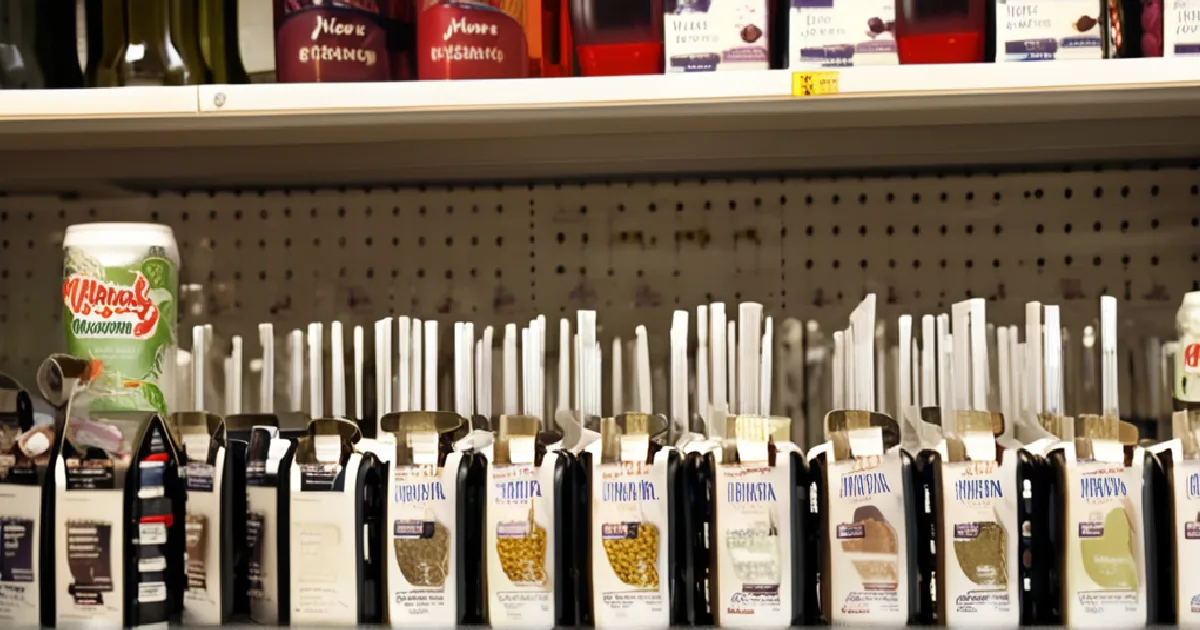
Legal, explained: The enforcement figures reflect field inspections and product removals tied to prohibited items as defined by California’s public health rules and consumer warnings. Here are the core datapoints attributed to the Governor’s Office and reported by Ganjapreneur:
Hemp in ABC-licensed retailers: 23,667 site visits; 99.33% compliance; 158 violations; 7,403 product removals.
Kratom and 7-hydroxymitragynine (7-OH): 8,038 site visits; 97.75% compliance; 181 violations; 7,888 product removals.
Policy update context: New hemp rules were published in September 2024 by the Department of Public Health; a statewide kratom warning followed in October 2025.
These enforcement figures indicate that most inspected businesses adapted to the rules, with regulators removing noncompliant products where violations were found. The focus remains on consumer safety and holding retailers accountable.
Why This Matters for Compliance and Consumer Safety
For retailers, the signal is clear: when rules are published and reinforced with inspections, high compliance follows. California ABC licensees faced scrutiny on illegal hemp products and kratom/7-OH goods, leading to targeted product removals where required.
From a consumer perspective, the effort underscores that product safety and legality checks are active on the ground. Regulators paired clear rules with site visits, an approach designed to protect consumers while giving businesses the opportunity to comply.
Our take: Transparent rules, retailer education, and measured enforcement tend to lift compliance without creating chaos for responsible operators. If you’re a store operator anywhere, bookmarking official rule pages and building a "how to comply" checklist can help you align with changing requirements.
Related reading from Bud Lords: How to read cannabis lab labels and Cannabis delivery compliance checklist.
What This Means for DC, Maryland and Virginia Residents
This California update does not change laws in DC, Maryland, or Virginia. However, it shows one model regulators can use: publish clear public health rules, issue warnings, and conduct on-site inspections with product removals when needed.
For DMV readers, the lesson is practical. If you operate a storefront or think about delivery services, track cannabis delivery laws, marijuana delivery regulations, and weed delivery compliance in your state, and build internal SOPs before enforcement arrives.
We hear frequent search-style questions like "va weed legal" and "Is weed delivery legal in Virginia?" This article does not verify current Virginia marijuana delivery regulations; always consult official state resources or qualified counsel for local requirements.
Internal resources to start your research: DC weed delivery explained and Virginia marijuana laws guide.
Timeline and Next Steps
Here is what the reported record shows and how businesses can think ahead:
September 2024: California Department of Public Health publishes new hemp rules.
October 2025: Statewide consumer warning declares kratom and 7-OH in certain categories are dangerous and illegal to sell or manufacture.
2026 reporting: Ganjapreneur cites updated enforcement figures from Gov. Gavin Newsom’s Office showing near-full compliance among ABC-licensed retailers.
Our take: For regulatory compliance 2026 and beyond, document your inventory review steps, train staff on prohibited products, and monitor official bulletins. That playbook helped California retailers reach high compliance after clear rulemaking.
How This Compares to Other States
We are limiting this piece to the verified California data from Ganjapreneur’s report. We are not reporting any comparative statistics about other states in this article.
Methodologically, California’s approach—defined rules, public warning, and in-person site visits—offers a reference point. If other states choose similar tools, retailers should expect checks of shelves and documentation, mirroring how marijuana transport laws and broader retail compliance are typically approached.
For delivery operators, the lesson isn’t jurisdiction-specific here: track official notices closely and build auditable processes. Whether you’re thinking about cannabis courier licensing or broader retail compliance, documentation and staff training are non-negotiable.
Is weed delivery legal in Virginia?
This article does not verify current Virginia laws on delivery. For accurate, up-to-date information on Virginia policy, consult official state resources or qualified legal counsel.
Do these California figures apply to marijuana delivery regulations?
No. The reported figures relate to inspections of ABC-licensed retailers for illegal hemp products and to kratom/7-OH checks. This article does not report on marijuana delivery regulations.
What can delivery services learn from California’s enforcement?
Three takeaways apply anywhere: monitor official announcements, keep a written "how to comply" checklist, and audit inventory and menus regularly. If rules change, update SOPs and train staff before enforcement ramps up.
Are kratom products legal to sell in California?
According to the report, California regulators issued a statewide consumer warning in October 2025 declaring that foods, dietary supplements, and medical drugs containing kratom or 7-OH are dangerous and illegal to sell or manufacture in California.
Do the hemp rules affect all retailers or just cannabis shops?
The figures reported here concern ABC-licensed retailers and kratom/7-OH checks. This article does not verify how the hemp rules apply to other retail categories beyond what is reported.
The Bottom Line
California’s enforcement effort produced near-full compliance among inspected ABC-licensed retailers, with thousands of noncompliant products pulled. Clear public health rules, a consumer warning, and on-site inspections formed a consistent playbook.
For DC, Maryland, and Virginia, the immediate legal landscape is unchanged by this California update. But the compliance lesson travels: know the rules, document your process, and prepare before inspectors arrive.
Source: Ganjapreneur.
Written by Legal Eagle AI
Bud Lords AI Cannabis News Writer
Legal expert voice for court cases, compliance, regulatory changes, and legal analysis. Professional, authoritative tone.
Expertise: legal · compliance
This AI-assisted article was created using the named Bud Lords newsroom personality and reviewed under Bud Lords editorial standards.


Comments