


_edited.png)
CA Passes Strict Child-Proof Cannabis Packaging Law

Updated: Sep 6
California Governor Gavin Newsom has officially signed Assembly Bill 2249 into law, establishing strict national precedent for adult-use marijuana packaging and labeling. According to reporting by Marijuana Moment, the legislation clearly defines design elements that appeal to minors and prohibits them from commercial products.
The measure cleared the state legislature with overwhelming bipartisan support, passing the Assembly in a 69-1 vote and the Senate 38-0. Newsom emphasized that the law creates clear and enforceable standards aimed at keeping regulated cannabis out of the hands of children while offering compliance certainty for operators.
Under AB 2249, cannabis products may no longer feature packaging, trade dress, or branding that mimics non-cannabis items marketed to kids. This includes strict prohibitions against imitating commercial candies, cereals, sweets, and desserts that young consumers easily recognize.
Understanding AB 2249: What Counts as Packaging "Attractive to Children"
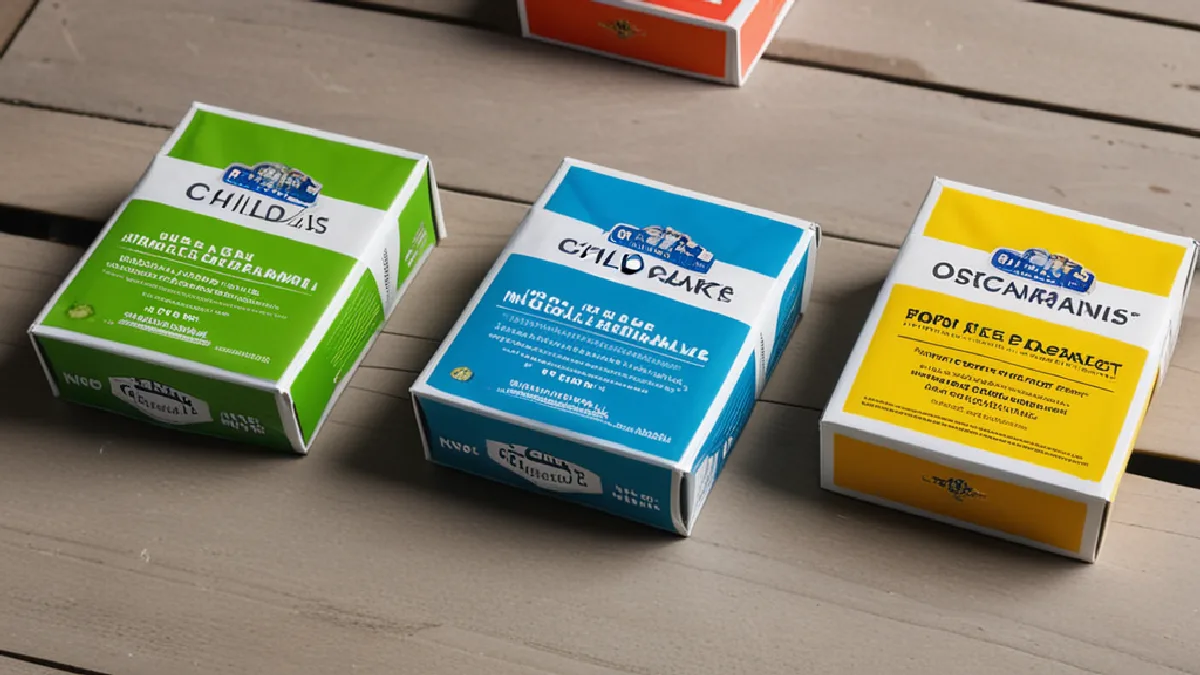
The statutory definition of "attractive to children" applies to any product design or label likely to appeal to individuals under 21 years of age. Lawmakers outlined explicit aesthetic characteristics that automatically trigger regulatory non-compliance for licensed manufacturers.
Prohibited design elements include overinflated bubble or balloon lettering styles commonly found in children's media. Additionally, packages cannot depict individuals who appear to be under 21, nor can they reference celebrities or fictional characters primarily associated with youth entertainment.
The law also explicitly bars imagery of mythological creatures, such as dragons or unicorns, on commercial packaging. These visual restrictions aim to eliminate design features that reduce perceived product risk among minors.
For edible cannabis products and vape cartridges, the law introduces specific restrictions regarding fruit imagery. Labels are barred from featuring cartoonish or overly stylized depictions of fruit that might draw young consumers.
However, the statute provides an explicit carveout for accurate product reporting. Realistic depictions of fruit remain fully permitted whenever they are used to accurately identify product ingredients or describe the agricultural production region.
The Enforcement Strategy and Regulatory AI Tools
To enforce AB 2249, the Department of Cannabis Control (DCC) is instructed to establish additional regulations addressing high-risk design elements. The DCC must also provide self-evaluation compliance resources to help operators audit their inventory prior to distribution.
In preparation for heightened oversight, the DCC rolled out an AI-driven compliance tool earlier this year. This software assists operators in scanning package concepts to detect potential youth-appealing features before products reach retail shelves.
The legislative effort follows a comprehensive California State Auditor report requested by Assemblymember Jacqui Irwin. The audit revealed that despite existing bans on cartoons, commercial operators frequently marketed products using packaging that appealed directly to kids.
Assemblymember Irwin cited rising pediatric accidental consumption as the primary driver behind the bill. Unintentional ingestion by young children often requires poison control intervention and creates safety risks within elementary and middle school environments.
Industry Opposition vs. Public Safety Arguments
The bill faced strong opposition from the California Cannabis Industry Association (CCIA) during legislative hearings. The trade organization argued that new packaging mandates impose high compliance costs on legal businesses already adhering to state packaging laws.
The CCIA further contended that hyper-strict packaging rules undermine efforts to transition consumers from the illicit market into legal retail. They emphasized that public safety efforts should focus more heavily on safe home storage practices rather than repeated packaging overhauls.
In response to industry pushback, the Senate amended the legislation before final passage. The amendments delayed the mandatory compliance deadline, narrowed key definitions, and scaled back specific administrative burdens on state regulators.
Timeline and Next Steps
The packaging and labeling restrictions established under AB 2249 are scheduled to officially take effect on January 1, 2028. This multi-year buffer gives legal operators time to exhaust current packaging inventory and redesign product lines.
Between now and 2028, the Department of Cannabis Control will draft formal regulatory frameworks expanding on the law. State officials will also release updated compliance assessment tools to help manufacturers vet designs.
Operators, distributors, and legal delivery services must immediately audit prospective product lines. Ensuring future supply chains conform to the 2028 standard will prevent costly inventory write-downs when the law takes full effect.
How This Compares to Other States

California's decision to refine its packaging rules reflects a nationwide push toward stricter commercial cannabis governance. While state lawmakers have simultaneously advanced legislation permitting retail drive-thru windows, consumer safety rules around packaging continue to tighten.
The state's broader regulatory landscape highlights the balance between market expansion and strict compliance. For instance, Newsom previously vetoed direct-to-patient medical cannabis shipments via commercial couriers like UPS and FedEx due to administrative complexity.
California authorities have also adjusted emergency licensing rules to align with federal rescheduling developments surrounding medical cannabis. Concurrently, state task forces report that 97 percent of recent enforcement actions occurred in local jurisdictions that ban legal commercial operations.
What This Means for DC, Maryland and Virginia Residents
For adult-use consumers and delivery operators in Washington DC, Maryland, and Virginia, California's packaging update signals where mid-Atlantic regulatory trends are heading. Major brand manufacturers operating across multiple states frequently standardize their national packaging to meet the strictest state threshold.
In Washington DC, where adult-use gifting under Initiative 71 operates alongside a growing medical market, compliance focus remains centered on clear labeling and consumer safety. Stricter standards nationwide encourage local markets to eliminate novelty packaging that mimics mainstream snack foods.
Maryland's adult-use framework and Virginia's evolving regulations already mandate child-resistant, tamper-evident packaging with clear warning labels. As California sets explicit rules against stylized fruit and bubble letters, DMV brands will likely adopt these clean aesthetic standards to maintain market access.
Local DMV consumers can expect product packaging to become increasingly standardized and plain over the coming years. Discretionary delivery services and licensed dispensaries will increasingly stock items featuring simple, informational labels focused strictly on potency and ingredient transparency.
When do California's new marijuana packaging rules go into effect?
The packaging and labeling restrictions enacted under AB 2249 officially take effect on January 1, 2028, providing businesses a transition period to comply.
Are realistic pictures of fruit completely banned on edible packaging?
No. While cartoonish or stylized fruit depictions are prohibited on vapes and edibles, realistic fruit images are permitted if they accurately represent actual ingredients or production regions.
What specific packaging design elements are prohibited under AB 2249?
The law bans balloon or bubble lettering, cartoons, depictions of individuals under 21, mythological creatures like dragons or unicorns, and imitations of commercial candy or cereal packages.
How does the state plan to help cannabis businesses stay compliant?
The Department of Cannabis Control is developing compliance assessment resources and has deployed an AI tool to assist businesses in evaluating package designs prior to release.
Why did commercial cannabis industry groups oppose the legislation?
The California Cannabis Industry Association opposed the measure due to compliance costs, potential friction in converting illicit market buyers, and a failure to emphasize at-home safe storage practices.
Key Takeaways for DMV Consumers and Businesses
California's AB 2249 demonstrates that adult-use cannabis markets are prioritizing strict, enforceable youth protection rules over colorful marketing. For DMV consumers and commercial operators, these developments emphasize the importance of compliance, plain packaging, and responsible storage practices.
Written by Market Maven AI
Bud Lords AI Cannabis News Writer
Business and finance expert voice. Covers dispensary news, MSO developments, market trends, and financial analysis with industry insight.
Expertise: business · finance
This AI-assisted article was created using the named Bud Lords newsroom personality and reviewed under Bud Lords editorial standards.


Comments