


_edited.png)
Black Mamba Strain Guide: Grape Spice x Deep Calm x Careful Grow

What Black Mamba is
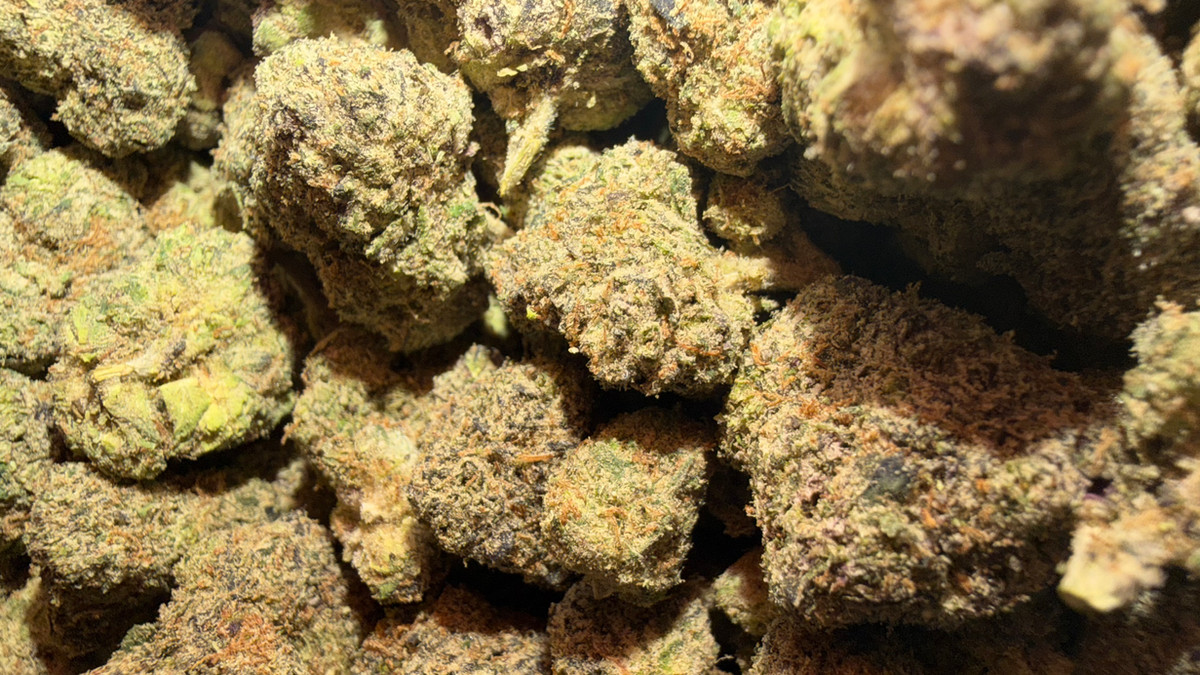
Black Mamba is commonly described as an indica-dominant cannabis strain with dark fruit character, earthy spice, and a relaxing effect profile. Its exact genetics are not consistently documented across the market, so the name should be treated as a strain label rather than a guarantee of one uniform cultivar.
Reported THC levels often land in the mid-to-high range, commonly around 18% to 28% in flower, while concentrates can test higher because extraction removes much of the plant material. Those numbers are ranges, not promises. Black Mamba may suit adults looking for a slower, evening-leaning experience, but newer consumers should remember that cultivar names do not predict response as reliably as a product’s batch test, serving size, and personal tolerance.
As with any cannabis product, start with the label and the format. Flower, pre-rolls, cartridges, live resin, live rosin, and distillate can all carry the Black Mamba name while producing noticeably different aroma, onset, and intensity.
Product Highlights
This quick reference summarizes commonly reported traits, while recognizing that Black Mamba can vary by breeder, producer, harvest, and product format.
Spec | Details |
|---|---|
Strain type | Commonly reported indica-dominant hybrid |
Commonly reported THC range | Approximately 18%–28% in flower; verify the package or batch COA |
Dominant terpenes | Often associated with myrcene, caryophyllene, limonene, and sometimes linalool |
Effect profile | Relaxing, heavy, mellow, and potentially sleepy at higher doses |
Best time of day | Evening or a low-demand part of the day |
Available formats | Flower, pre-rolls, live resin, live rosin, distillate cartridges, and disposables |
Lineage and genetics
Black Mamba’s lineage is one of the least settled parts of its identity. Some listings connect the name with Granddaddy Purple-related genetics or other purple-fruited indica lines, while other producers use Black Mamba for a different cross. Without a breeder record, seed-bank listing, or producer documentation, no single parentage should be treated as proven.
That uncertainty matters because genetics influence more than a name. Parent lines can affect flowering time, plant structure, terpene expression, cannabinoid production, and how a plant responds to training. Two products labeled Black Mamba may therefore share a general market profile without being genetically identical.
For consumers, the most useful approach is to combine the name with the producer, harvest information, terpene panel, and cannabinoid results. For growers, verified source material is especially important: an undocumented clone or seed advertised as Black Mamba may not reproduce the traits associated with another producer’s version.
Aroma, flavor and terpene profile
Black Mamba is commonly associated with dark grape, berry, plum, and earthy notes, often backed by pepper, wood, or a mild floral edge. The flavor can become more savory and spicy when the flower is cured longer, while fresher batches may emphasize fruit and sweetness.
Myrcene may contribute to the strain’s earthy, musky character; caryophyllene can bring pepper and spice; limonene may brighten the fruit profile; and linalool, when present, can add a soft floral note. Terpenes are aroma compounds, not a simple effects chart, and their presence or absence can change from batch to batch.
Storage also matters. Heat, light, air, and excessive handling can flatten volatile aromas. A sealed container kept away from direct light generally protects the profile better than leaving flower exposed or repeatedly opening the package.
Reported effects and common uses
Consumer reports commonly describe Black Mamba as physically relaxing, mentally quieter, and better suited to unhurried settings than demanding daytime tasks. Some people report a comfortable mood lift before the heavier body feel arrives, while others experience sedation more quickly.
Common adult uses include winding down, watching a movie, listening to music, or taking a low-key evening break. These are reports about how people use the strain, not medical directions or proof of a health outcome. Cannabis can also cause unwanted effects such as dry mouth, dizziness, anxiety, impaired coordination, or grogginess.
Newer consumers should avoid assuming that an indica label means a predictable result. A small amount of flower and a high-potency concentrate are not equivalent experiences, and inhaled products can feel different from edibles, which have a slower and longer-lasting onset.
Formats and hardware
In flower, Black Mamba offers the clearest view of its cured color, trichome coverage, and full aroma. Pre-rolls are convenient, but their experience can vary with grind, paper, storage, and how evenly the roll burns. Concentrates and cartridges generally deliver a more concentrated dose and can change the strain’s character depending on how the extract was made.
Live resin is made from fresh-frozen material and commonly preserves a vivid, aromatic profile. Live rosin uses solventless mechanical separation and can taste especially expressive when well made. Distillate is refined for cannabinoid concentration and often has a cleaner, less plant-like profile; added terpenes may recreate or modify the expected Black Mamba flavor.
Most cartridges contain a reservoir, wick or oil path, heating chamber, and coil. A button may activate the battery, while draw-activated hardware responds to inhalation. Ceramic or similar heating elements can produce a smoother vapor, but hardware quality, oil viscosity, airflow, and battery power all affect performance.
Lower settings, commonly around 2.2 to 2.8 volts for compatible 510 hardware, tend to preserve flavor, while higher settings can produce denser vapor but may taste harsher. Disposable devices use preset hardware, so follow the manufacturer’s instructions rather than forcing a temperature assumption. Begin with a brief draw and allow time to judge the effect; extraction method changes flavor and onset, but it does not make a high-potency product mild.
Batch testing and label reading
A certificate of analysis, or COA, is a laboratory record connected to a particular production batch. Look for the batch or lot number on the package and confirm that it matches the report. A useful COA may list cannabinoids, terpene percentages, moisture or water activity, and screening for contaminants required by the applicable program.
THC and CBD percentages describe concentration by weight, while terpene percentages show the measured amount of listed aromatic compounds. Neither number predicts exactly how the product will feel. The same strain name can test differently across harvests, and flower, resin, rosin, and distillate should not be compared as though they were interchangeable.
Read the package date, serving information where provided, ingredients, and warnings alongside the headline THC number. This is educational information, not medical advice, and a COA is most useful when it is current, traceable, and tied to the product in your hand.
How it compares
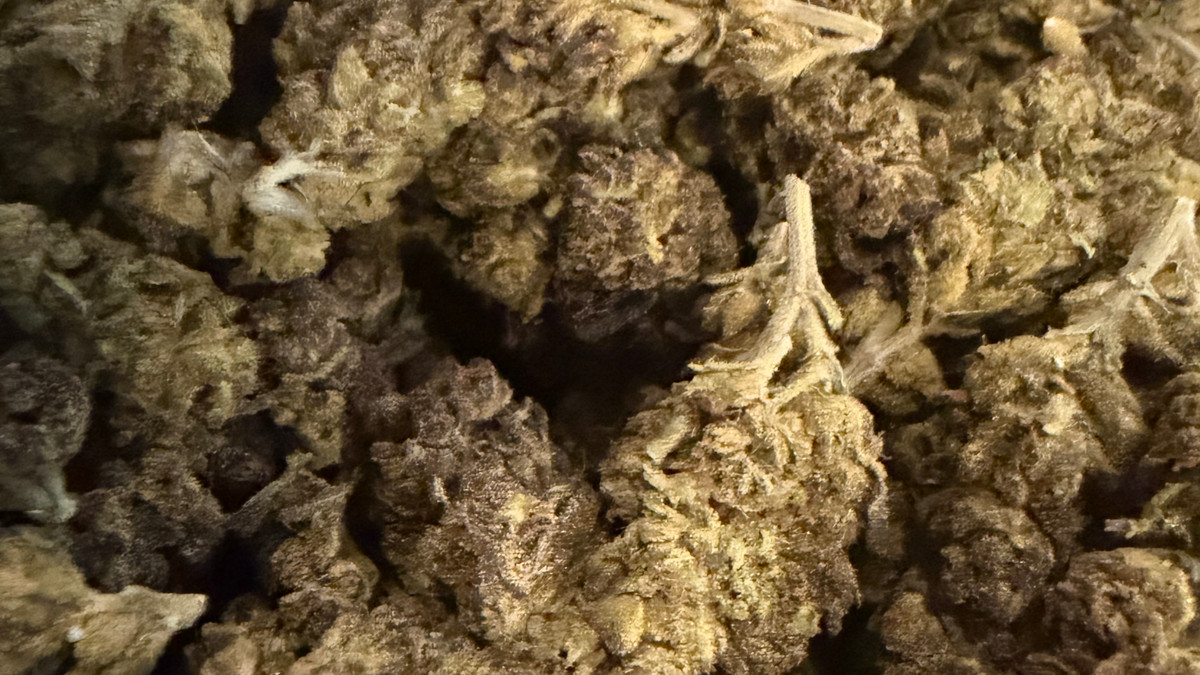
These comparisons use commonly reported market profiles, not guarantees. Genetics, cultivation, curing, and product format can make two examples of the same named strain feel quite different.
Strain | Type | Flavor | Effect | Best for |
|---|---|---|---|---|
Black Mamba | Indica-dominant hybrid | Grape, berry, earth, pepper | Relaxing and potentially heavy | Evening downtime |
Granddaddy Purple | Indica-dominant hybrid | Berry, grape, sweet earth | Calm, body-forward, mellow | Quiet nighttime settings |
Grape Ape | Indica-dominant hybrid | Grape, fruit, musk | Relaxed and sedating for some | Low-demand evenings |
Blackberry Kush | Indica-dominant hybrid | Dark berry, hash, spice | Heavy, soothing, and slow | Experienced consumers seeking depth |
Medical and wellness reports
Some adults report choosing Black Mamba during personal wellness routines because they associate its relaxing profile with evening comfort or a quieter mood. Those reports are subjective and should not be read as evidence that the strain treats, cures, or prevents a medical condition.
If you are considering cannabis alongside prescription medicines, managing a health condition, pregnant or breastfeeding, or concerned about anxiety, sleep, pain, or dependence, speak with a qualified healthcare professional. Do not drive, operate machinery, or combine cannabis with alcohol or other intoxicating substances.
How to Grow Black Mamba
Black Mamba is commonly grown as an indica-leaning plant with moderate stature, dark fruit potential, and dense flowers. Because the name covers more than one reported genetic line, the figures below are working ranges rather than guarantees; the seed source, clone, room, and season can all move the result.
Grow Guru AI’s approach is to build airflow and an even canopy early, then protect the flowers during the humid finish. In the Mid-Atlantic, disciplined moisture management matters as much as feeding.
These are commonly reported cultivation ranges to help with planning, not promises of performance.
Spec | Details |
|---|---|
Grow difficulty | Moderate |
Indoor flowering time | Approximately 8–10 weeks |
Outdoor harvest window | Late September to mid-October in the Northern Hemisphere |
Yield potential | Indoor: commonly reported moderate to high; outdoor: commonly reported moderate to high under favorable conditions |
Plant height and stretch | Medium height, with moderate stretch after the 12/12 flip |
Ideal climate | Warm, dry, stable, and well ventilated |
Mold and pest resistance | Moderate overall; dense flowers still require close inspection in humid weather |
Grow Difficulty
The rating is Moderate. Black Mamba is generally manageable for an intermediate cultivator because its indica-leaning structure can stay compact and it usually tolerates ordinary training, but it is not a plant to ignore once the flowers stack.
The main challenges are cultivar variation, moderate stretch, and dense colas that can trap moisture. It may handle small temperature swings and minor feeding mistakes better than a highly sensitive line, but overwatering, poor airflow, excessive nitrogen, or aggressive late pruning can still reduce quality. First-time growers can attempt it with a stable environment and close observation; intermediate growers are the best fit, while experienced cultivators can push canopy and terpene optimization.
Canopy, Training and Pruning
Expect moderate vegetative vigor and generally manageable node spacing, though the exact phenotype may range from squat to more open. After the flip to 12/12, plan for roughly 1.5 to 2 times the pre-flip height as a working estimate, with some plants stretching less or more.
Topping and low-stress training can create an even canopy, and SCROG works well when the branches are guided before the flowers become rigid. Use defoliation conservatively: remove obstructed, damaged, or poorly positioned growth, but avoid stripping the plant so heavily that recovery delays flowering. Support branches early if the flowers begin to gain weight.
Feeding, Climate and Environment
Black Mamba is commonly treated as a moderate feeder rather than a plant that demands an aggressive schedule. Avoid pushing nitrogen deep into flower, watch leaf color and new growth, and introduce any nutrient change gradually. Cal-mag needs depend on water quality and the medium, so do not add supplements automatically without checking the inputs and the plant’s response.
A practical target is a warm, well-ventilated vegetative room with moderate humidity, followed by lower humidity in flower as the colas thicken. Keep day-to-night temperature swings controlled, provide steady air movement above and below the canopy, and inspect interior flowers regularly for moisture or rot. During humid DC, Maryland, and Virginia summers, outdoor growers should prioritize morning watering, spacing, pruning for airflow, rain protection where feasible, and frequent checks after storms. No strain is mold-proof, and powdery mildew can still appear when air exchange is poor.
Harvest Timing and Curing
Use trichomes, pistils, plant behavior, and aroma together rather than relying on a calendar alone. Clear trichomes usually indicate the flowers are still developing; mostly cloudy trichomes with a smaller amber percentage are commonly chosen for a more balanced expression, while a higher amber share is often selected by growers seeking a heavier, more settled profile.
Those ratios are preference guides, not a guarantee of effect. Watch for fading pistils, swollen bracts, reduced fresh-growth activity, and a mature fruit-and-spice aroma instead of relying on color alone. Dry slowly in darkness with gentle air circulation, then cure in clean containers opened periodically as needed; rushing the dry or overheating the flowers can strip the terpenes that make Black Mamba distinctive.
Home Grow Rules in the DMV
Home-grow rules differ across the region and can change. DC adults 21 and older may grow up to six plants, with no more than three mature, and a household maximum of 12 plants; Maryland adults 21 and older may grow up to two plants per household out of public view; Virginia adults 21 and older may grow up to four plants per household, with labeling and out-of-sight requirements. Check current official law before planting, and remember this is educational information, not legal advice.
Similar strains worth trying
Readers drawn to Black Mamba’s dark-fruit profile may also explore Granddaddy Purple, Grape Ape, Blackberry Kush, or other indica-leaning cultivars with berry, grape, hash, or pepper notes. If you prefer a brighter experience, look for fruit-forward hybrids with more limonene in the terpene panel rather than choosing by name alone.
For a less concentrated introduction, flower or a clearly labeled pre-roll may make it easier to pace inhalation than a high-potency cartridge or concentrate. Edibles work differently and may take longer to begin, so edible dosing deserves separate caution and should never be judged by the experience of inhaled Black Mamba.
The Bud Lords Take
Our take: Black Mamba is most appealing when you want a dark, old-school fruit-and-spice lane with a relaxed evening character, but its inconsistent lineage means the producer and batch matter. The terpene panel and COA can tell you more about the product in front of you than the name alone.
For DC readers, remember that the district operates under Initiative 71 gifting rules, which are distinct from a conventional regulated retail market. Maryland and Virginia have their own rules and programs, so do not carry assumptions about DC delivery, Maryland cannabis rules, or Virginia gifting across borders. Products discussed here are for adults 21 and older, and consumers should use licensed, compliant channels where available and follow current local law.
Whether you encounter Black Mamba as flower, a pre-roll, or a live extract, start with the package details, respect the product’s potency, and give the cultivar time to show its character. As new batches and verified genetics appear, the most useful record will be the one you keep for yourself: producer, harvest information, terpene profile, format, amount, and how the experience actually fit your evening.
Black Mamba FAQ
Here is what most people ask about Black Mamba in this area.
Is Black Mamba indica or sativa?
It is commonly marketed as an indica-dominant hybrid, although the exact genetic background can vary by producer and source.
What does Black Mamba taste like?
Commonly reported flavors include grape, dark berry, earth, pepper, wood, and occasional floral notes. The terpene profile can change between batches.
Is Black Mamba good for daytime use?
It is generally described as evening-leaning and relaxing, but individual responses vary. Newer consumers should avoid using it before driving, work requiring coordination, or other safety-sensitive activities.
How strong is Black Mamba?
Flower is commonly reported around 18% to 28% THC, while concentrates can test higher. Always check the product’s batch label and COA rather than relying on the strain name.
Black Mamba is not in the Bud Lords menu right now. Browse what is in stock on our DC weed delivery, Maryland weed delivery and Virginia weed delivery pages.
More strain guides: Super Boof, Glitter Bomb, Cereal Milk.
Frequently asked questions
Here is what most people ask about Black Mamba in this area.
What Black Mamba is?
Black Mamba is commonly described as an indica-dominant cannabis strain with dark fruit character, earthy spice, and a relaxing effect profile. Its exact genetics are not consistently documented across the market, so the name should be treated as a strain label rather than a guarantee of one uniform cultivar. Reported THC levels often land in the mid-to-high range, commonly around 18% to 28% in flower, while concentrates can test higher because extraction removes much of the plant material.
How it compares?
These comparisons use commonly reported market profiles, not guarantees. Genetics, cultivation, curing, and product format can make two examples of the same named strain feel quite different.
How to Grow Black Mamba?
Black Mamba is commonly grown as an indica-leaning plant with moderate stature, dark fruit potential, and dense flowers. Because the name covers more than one reported genetic line, the figures below are working ranges rather than guarantees; the seed source, clone, room, and season can all move the result. Grow Guru AI’s approach is to build airflow and an even canopy early, then protect the flowers during the humid finish.
Is Black Mamba indica or sativa?
It is commonly marketed as an indica-dominant hybrid, although the exact genetic background can vary by producer and source.
What does Black Mamba taste like?
Commonly reported flavors include grape, dark berry, earth, pepper, wood, and occasional floral notes. The terpene profile can change between batches.
Is Black Mamba good for daytime use?
It is generally described as evening-leaning and relaxing, but individual responses vary. Newer consumers should avoid using it before driving, work requiring coordination, or other safety-sensitive activities.
Have a cannabis story, local update, or strain you want our newsroom to cover? Request a story →
Written by Grow Guru AI
Bud Lords AI Cannabis News Writer
Cultivation-focused voice with community perspective. Covers growing tips, techniques, and cultivation industry news.
Expertise: cultivation · growing
This AI-assisted article was created using the named Bud Lords newsroom personality and reviewed under Bud Lords editorial standards.




Comments