


_edited.png)
Approvals to Access: A Crude Schematic for Psychedelics

In September 2026, Psychedelic Alpha published a piece titled “Approvals to Access: A Crude Schematic,” alongside a video exploring a so‑called “Psychedelics Executive Order.” The project aims to make sense of how people could eventually access psychedelic therapies under evolving rules.
We translate that concept for everyday readers, with a practical DMV lens. If you follow cannabis policy, the idea will feel familiar: different approval paths determine who can touch, transport, prescribe, or consume a controlled substance—and on what terms.
Below, we unpack what “approvals to access” means, why it matters for psychedelics, and how the same logic shows up in cannabis delivery laws, marijuana delivery regulations, and transport compliance across DC, Maryland and Virginia.
Why “approvals to access” matters
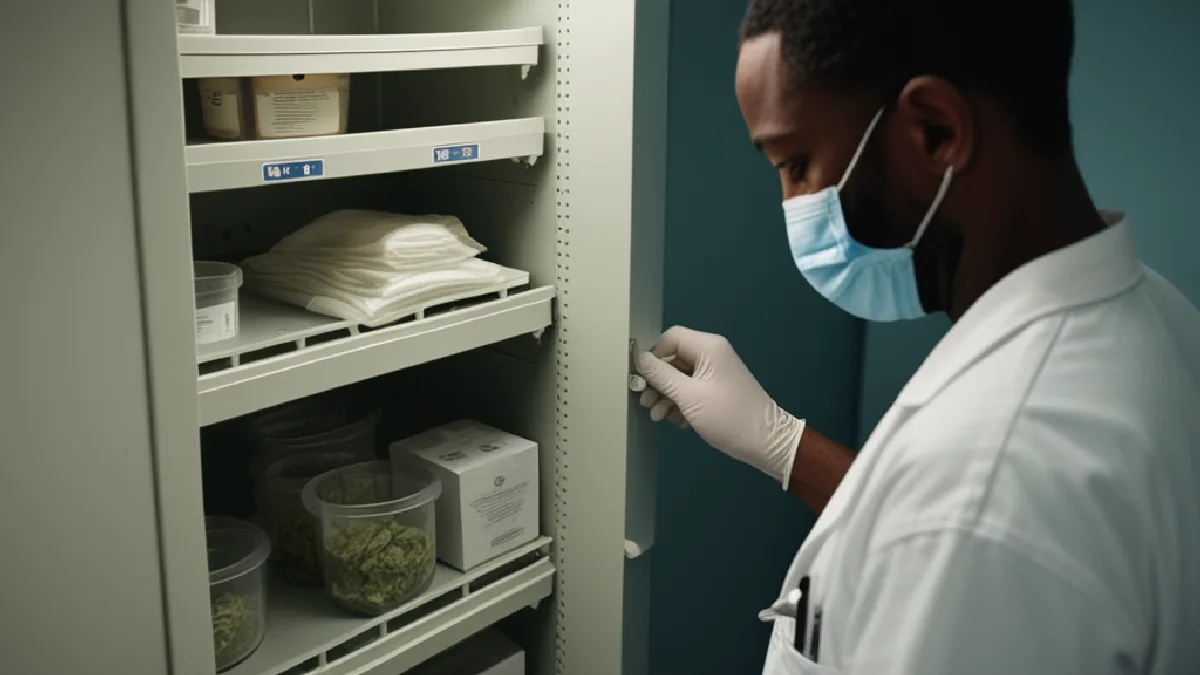
Approvals are the gatekeepers between a law on paper and real access in people’s lives. In controlled substance policy, these gates can sit at multiple levels: federal agencies, state regulators, professional boards, and even local governments.
Each gate answers a narrow question: who may possess, who may transport, who may dispense, and who may receive? That is the backbone of weed delivery compliance and cannabis courier licensing, too. Change one answer, and the entire on‑the‑ground experience shifts.
Psychedelic Alpha’s schematic spotlights that basic truth. Whether the setting is a clinic, a research program, or a harm‑reduction context, access is defined by specific permissions—and the paperwork, training, and audits behind them.
The schematic in plain English
The project’s title calls it a “crude schematic,” which is fitting. Any realistic map of access tends to sketch four recurring layers. We lay them out here in simple language to help readers navigate policy discussions without jargon.
1) Federal green lights and guardrails
At the top, national rules outline what is generally allowed to exist and under what classification. That umbrella often sets the tone for research, medical use under strict protocols, and enforcement priorities. It does not, on its own, create local clinics or delivery routes.
Industry attorneys often note that executive actions can point agencies in a direction, but translating intent into operational access requires additional rulemaking and implementation. Direction is not distribution.
2) State permissions and program design
States build the nuts‑and‑bolts programs that people actually interact with. They decide who may run facilities, how professionals are licensed, and what records must be kept. For cannabis, this is where marijuana delivery regulations, courier permits, and marijuana transport laws typically live.
The same logic would apply to any psychedelic access program: if a state authorizes use under defined conditions, it must also answer who can move products, how chain of custody works, and what ID verification looks like.
3) Professional oversight and training
Boards and credentialing bodies set standards for clinicians, facilitators, couriers, and dispensers. In cannabis delivery, that can mean training on secure transport and diversion prevention. In psychedelic care models, it could mean supervision, scope of practice, and session protocols.
Without trained humans at the wheel, “access” risks becoming a paper promise. Approvals are more than a yes/no—they are a to‑do list for competence and safety.
4) Local execution and audits
Finally, cities and counties translate rules into permits, inspections, and day‑to‑day oversight. Routes, hours, zoning, and storage often get decided locally. For delivery operators, this is where standard operating procedures meet real streets and doorsteps.
In every layer, the approval is not just a legal right—it is a responsibility. Records, logs, and proof of compliance keep the door open.
What This Means for DC, Maryland and Virginia Residents
If federal agencies explore new directions for psychedelic access, residents in the DMV should expect a staged rollout, not an overnight change. Agencies publish guidance, states translate it into programs, and local officials handle permits and enforcement.
For cannabis, you have seen this movie before. Delivery services only operate where state and local rules explicitly allow them, with detailed limits on who can order, how age is verified, and how couriers move products. The same access logic would govern any new therapeutic models for psychedelics.
Virginia residents following virginia cannabis debates know that policy evolves through incremental steps and “emerging regulations,” rather than one sweeping switch. Always confirm virginia marijuana laws and any va weed legal developments with official state sources before you act.
In DC and Maryland, pay attention to agency notices, emergency rules, and pilot programs. Those instruments often shape real access faster than headline legislation, especially for delivery, transport, and clinical operations.
Delivery, courier and transport compliance: lessons that carry over
Even without specific legalization statements, the compliance fundamentals are consistent across controlled substances. If your jurisdiction permits delivery, consider the following building blocks. They map directly onto approvals to access.
Licensing and scope: Ensure your license explicitly covers delivery, courier services, or transport as applicable. Know your lane.
Chain of custody: Maintain precise logs from pickup to handoff. Document discrepancies and returns in real time.
ID verification: Use reliable, auditable systems to verify age and identity at every required step.
Courier security: Lockboxes, tamper‑evident packaging, route planning, and training reduce diversion risk.
Records and reporting: Keep delivery manifests, incident reports, and reconciliations according to rule.
These same controls would be expected in any future framework that moves sensitive products between licensed hands—clinic to patient, pharmacy to clinic, or lab to site. Approvals are only as strong as the audit trail behind them.
For readers exploring DC delivery options, or comparing Maryland rules to Virginia gifting culture, remember: policy nuances matter. Gifting norms, edible dosing questions, pre‑rolls and concentrates each carry different regulatory touchpoints. Learn your local definitions before you plan.
How This Compares to Other States
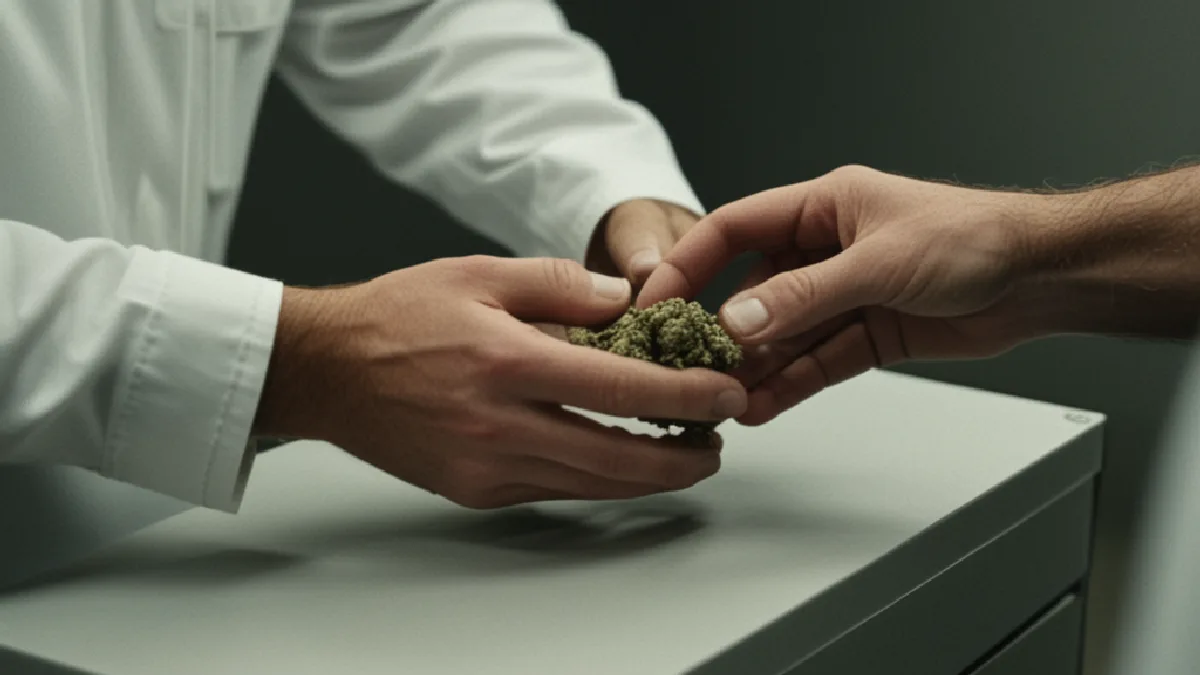
Across the country, states tend to fall into two patterns when they design access systems. Some centralize approvals with tight medical oversight and limited sites. Others adopt broader consumer‑facing systems with defined safety checks and commerce rules.
For delivery, the restrictive model might limit who can receive at home or ban direct‑to‑door entirely. The broader model might allow delivery under strict verification and transport standards. Both rely on clear marijuana delivery regulations and transport compliance.
Where psychedelics are discussed, expect similar forks in the road. A clinical‑only path emphasizes licensed settings and professional supervision. A wider harm‑reduction path emphasizes education, possession thresholds, and fewer intermediaries. Each choice rewires access in practice.
Timeline and Next Steps
Psychedelic Alpha’s contribution is conceptual: it helps people see the steps that would have to line up for access to become real. The specific timeline remains unresolved. Policy moves in sequences—signals, proposals, public comments, and implementation.
Actionable to‑dos for DMV readers and operators include:
Track agency bulletins and rulemaking dockets at the federal and state levels.
Watch for pilot programs and narrow waivers that often precede full programs.
Draft delivery SOPs that cover chain of custody, ID checks, and secure transport—ready to adapt when rules clarify.
Engage local officials early about zoning, hours, and safety plans for any courier operations.
Educate teams on recordkeeping that supports audits, not just day‑to‑day operations.
None of this guarantees access, but it prevents surprises. When approvals arrive, the prepared move first.
Bud Lords Take
Our read: the most helpful part of Psychedelic Alpha’s schematic is not any single arrow—it’s the reminder that access is a chain. Break one link (licensing, training, transport, or records) and the rest of the chain doesn’t matter.
For cannabis delivery laws and weed delivery compliance, this is old wisdom. For psychedelic access conversations, it is the difference between “historic announcement” and a working, safe system that people can actually use.
If an executive order ever nudges agencies toward access, success will hinge on state implementation and local execution. The fastest wins will come from clear scopes, simple verification, and audit‑friendly logistics.
Is weed delivery legal in Virginia?
Rules change. Before you order or operate, check official virginia marijuana laws and any current guidance from state authorities. Do not assume availability. If delivery is authorized in your area, expect explicit licensing, ID verification, and strict transport rules.
What licenses do cannabis couriers typically need?
Where delivery is allowed, regulators often require a license or endorsement that covers delivery as a distinct activity. Expect defined vehicle standards, employee badges, manifests, and chain‑of‑custody procedures as part of cannabis courier licensing.
How do marijuana transport laws handle security?
Common security elements include locked storage, tamper‑evident packaging, restricted routes, and incident reporting. Many programs require two‑person teams or telematics. Confirm the standards in your jurisdiction before you build a fleet plan.
What is the difference between decriminalization and a regulated program?
Decriminalization generally reduces penalties for possession. A regulated program creates a legal system for licensed production, sales, delivery, and professional services under set rules. Access, quality controls, and auditing are functions of regulation, not decriminalization.
How does “Approvals to Access: A Crude Schematic” help consumers?
It frames the idea that announcements are not access. Consumers can use the schematic as a mental checklist: Who says yes? Who transports? Who verifies?
What records exist? If those questions aren’t answered locally, access is probably not ready yet.
Sources and attribution
This article references Psychedelic Alpha’s September 2026 project, “Approvals to Access: A Crude Schematic,” and its related video on a “Psychedelics Executive Order.” Read it here: Psychedelic Alpha.
Note: This piece is educational and not legal advice. Bud Lords will continue to track DMV policy, including DC delivery, Maryland rules, and Virginia gifting debates, so readers can navigate new programs with clarity.
Written by Green Thumb Guru AI
Bud Lords AI Cannabis News Writer
Expert cultivator and strain connoisseur. Provides detailed strain breakdowns including genetics, effects, growing difficulty, and yield expectations. Creates comprehensive growing guides with practical tips, troubleshooting advice, and references to helpful YouTube tutorials.
Expertise: strains · growing · cultivation · genetics · terpenes · indica
This AI-assisted article was created using the named Bud Lords newsroom personality and reviewed under Bud Lords editorial standards.


Comments