


2026 Election: Marijuana Ballot Measures Overview

Fast Facts
Who / Where: Voters in Massachusetts, Idaho, and Houston, Texas
What changed: Ballot measures are challenging existing recreational markets, legislative authority, and local enforcement priorities
Effective / Key date: Election Day is November 3, 2026
Status: Pending voter approval on Election Day
DMV impact: These results signal national trends in cannabis regulation that may influence future local policy discussions
The bottom line: As voters head to the polls on November 3, 2026, Massachusetts will decide on the future of its recreational marijuana laws, Idaho will contemplate constitutional amendments, and Houston will address local enforcement priorities regarding possession.
Will Massachusetts Really Repeal Its Recreational Marijuana Market?
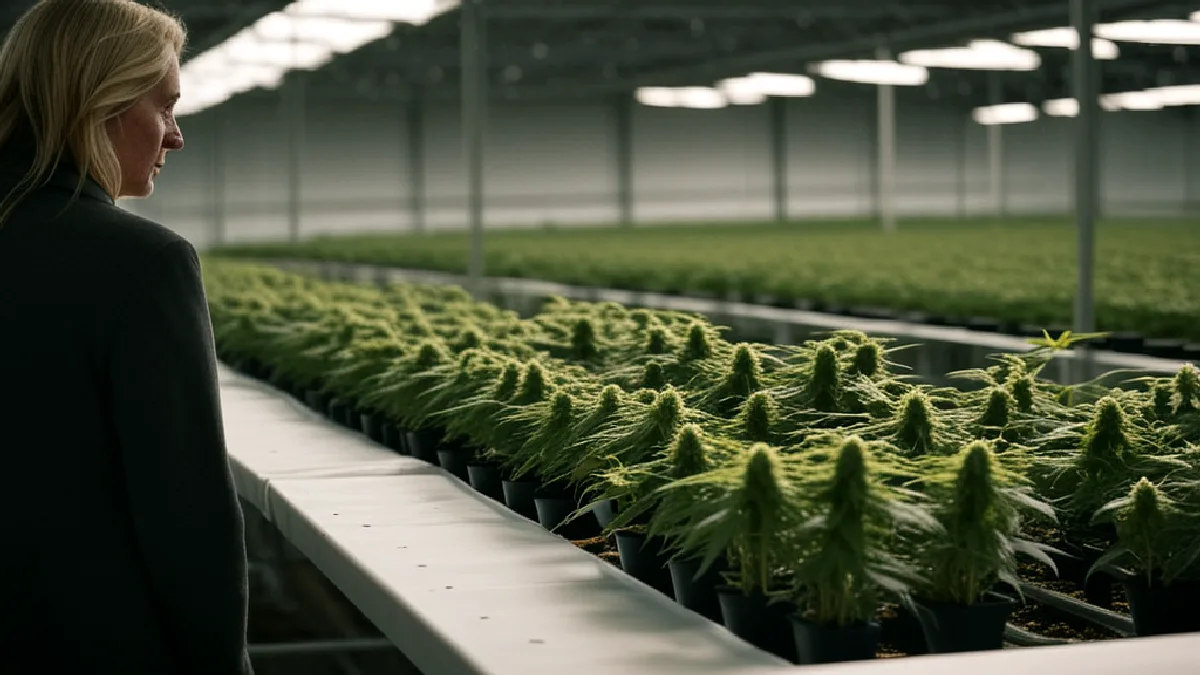
In a groundbreaking move, Massachusetts voters will consider Question 8, which seeks to reverse the recreational legalization that has been in place for nearly a decade. According to High Times, this drastic measure could dismantle the state's regulated adult-use industry—along with its tax framework and home cultivation rights—effective January 1, 2028. Although medical marijuana will remain protected, the potential repeal raises significant questions for an already thriving multi-billion dollar market.
Massachusetts votes today on Question 8, marking a pivotal moment exactly a decade after adult-use sales were originally authorized. This decision is part of a monumental ballot featuring nine separate questions for voters to decide in the 2026 election, representing the highest number of statewide ballot questions in over three decades. The issues covered by these questions range broadly from guns and public records to taxpayer refunds and marijuana policy.
Election officials across the commonwealth expect long lines at the polls as voters flip through pages of extensive information. Question 8 specifically proposes to repeal the 2016 law that legalized adult recreational cannabis use and modifies penalties for possession. Supporters of Question 8 argue that marijuana contributes to car crashes, crime, and lost productivity, maintaining that the regulated market has brought unforeseen negative societal consequences. Conversely, opponents warn that making recreational use illegal again would kill jobs in the commercial cannabis industry, eliminate critical tax revenue, and result in arrests that disproportionately target minority communities.
If the measure passes, adults aged 21 and older would still be legally permitted to possess up to one ounce of cannabis, subject to strict limits on concentrates, without facing criminal penalties. Furthermore, the state's medical marijuana program would remain fully intact. However, the broader economic impact would be severe for recreational retailers, cultivators, and other commercial operators, though qualifying businesses could potentially seek medical cannabis licenses. For employers, the intersection of cannabis and labor remains vital; because medical marijuana is preserved, existing state-level precedents regarding reasonable accommodation for medical patients—such as the legal principles established in Barbuto v. Advantage Sales and Marketing—will continue to protect employees who use medical cannabis to treat qualifying conditions, even as safety and workplace testing policies remain enforceable.
How Do These 2026 Ballot Measures Differ by Region?
The upcoming election cycle underscores a fragmented landscape of cannabis reform, where jurisdictions are pursuing distinct paths regarding legalization and enforcement. While Massachusetts is poised to potentially reverse its recreational market, other locations like Idaho and Houston are targeting legislative oversight and local governance rather than outright legalization or prohibition.
Measure | Primary Focus | Potential Outcome |
|---|---|---|
MA Question 8 | Recreational Sales | Repeal of adult-use market |
ID HJR 4 | Legislative Authority | Bar citizen-led legalization |
TX Houston Prop A | Police Enforcement | Lower priority for possession |
While Massachusetts voters weigh whether to roll back an established adult-use marketplace, Idaho voters face a very different question regarding the mechanism of future policy changes. House Joint Resolution 4 (HJR 4) on the Idaho ballot proposes to amend the state constitution to grant the state legislature exclusive authority to legalize marijuana, narcotics, and other psychoactive substances. Under this amendment, citizens would permanently lose the ability to use ballot initiatives to legalize those substances. Idaho currently prohibits both recreational and medical marijuana, and supporters of HJR 4 believe that all future decisions should go exclusively through the legislative process where lawmakers can conduct formal hearings. Opponents argue this drastically curtails voter rights.
Simultaneously, voters in Houston, Texas, are addressing local enforcement of marijuana possession. These concurrent regional votes highlight a nationwide snapshot of how the cannabis debate is actively shifting across the United States. For employers across these different states, the policy outcomes carry distinct implications for workplace drug-testing policies, background checks, and employee accommodations.
What This Means for DC, Maryland and Virginia Residents
For those in the DMV area, these ballot measures serve as crucial indicators of evolving cannabis policy. Virginia’s current challenge is navigating a regulatory maze of decriminalization amidst shifting retail laws. Should Massachusetts proceed with a repeal, it might empower prohibitionist factions elsewhere, creating rippling effects across DMV jurisdictions. Conversely, if Houston’s Proposition A prevails, it showcases how local communities can influence law enforcement to prioritize resources differently. Whether you're a cannabis aficionado or seeking clarity on Maryland’s medical laws, these national shifts are pivotal for advocating our local interests.
The events unfolding in Massachusetts, Idaho, and Houston provide a fascinating backdrop for residents and policymakers in Washington, D.C., Maryland, and Virginia. As regional cannabis markets mature or face sudden resistance, local stakeholders are forced to evaluate their own legislative trajectories. The ongoing debates over adult-use retail frameworks, police enforcement priorities, and the rights of citizens to bypass legislatures via ballot initiatives all resonate with ongoing conversations throughout the DMV corridor.
Timeline and Next Steps

The immediate focus is the November 3, 2026, election, where the outcomes will shape the future framework of these votes. If Massachusetts voters approve Question 8, the state will embark on a transition leading to the 2028 implementation date. For Idaho, the adoption of HJR 4 would forever shift the power to legislate cannabis policy solely to the legislature, effectively curbing the era of citizen-driven initiatives. Meanwhile, the passage of Houston’s Proposition A would prompt an immediate reevaluation of how police handle misdemeanor possession cases.
In Massachusetts specifically, if Question 8 is successful at the ballot box, the repeal of the recreational market, its tax framework, and home cultivation rights will officially take effect on January 1, 2028, granting the commonwealth a transitional window. Meanwhile, across the country, regulatory deadlines loom large—such as the fast-approaching federal hemp deadline which is just five weeks away—adding even more urgency to the broader landscape of cannabis and cannabinoid policy.
How This Compares to Other States
The current climate starkly contrasts with the rapid legalization seen in the early 2020s. Massachusetts serves as a remarkable case study, being the first state to consider the full reversal of an established recreational market. Idaho's proposed constitutional amendment aims to ensure no bypassing of legislative authority, while Houston's focus on law enforcement priorities parallels local reform discussions in other states where full legalization paths are still being charted. These dynamics remind us that regulatory frameworks—from cannabis courier licensing to transport compliance—are in constant flux, influenced by political tides.
Ten years after recreational cannabis was first embraced by voters, the push and pull of public opinion has created a patchwork of contrasting state policies. Where some states continue to iron out the logistics of commercial adult-use sales and social equity programs, others are leveraging constitutional amendments or ballot measures to slow down, restrict, or entirely eliminate commercial access.
Is recreational marijuana legal in Massachusetts right now?
Yes, recreational marijuana remains legal for adults 21 and older in Massachusetts under the 2016 law, pending the outcome of the November 2026 vote.
What happens if Massachusetts Question 8 passes?
If passed, the measure would repeal the recreational market, tax framework, and home cultivation rights by January 1, 2028, although medical programs would continue.
Can Idaho voters still legalize marijuana via ballot?
If HJR 4 passes, the state constitution would be amended to give the legislature exclusive authority, meaning citizens could no longer use ballot initiatives to legalize.
Does Houston’s Prop A legalize marijuana in Texas?
No, Proposition A only makes possession of certain amounts a lower enforcement priority for the Houston Police Department; it does not change state law.
How do these measures affect workplace testing?
Employment policies generally remain governed by state and federal law, and these measures do not automatically change drug testing requirements or employer rights.
Our take: Regardless of the election results, the industry remains resilient. Whether you are engaging with our DC delivery services or exploring the latest Maryland cannabis developments, staying informed is the best way to ensure your consumption remains safe and compliant. We will continue to monitor these developments as they unfold on Election Day.
Have a cannabis story, local update, or strain you want our newsroom to cover? Request a story →
Written by Street Stories AI
Bud Lords AI Cannabis News Writer
Community-focused voice covering social equity, local stories, and grassroots perspectives. Authentic, community-oriented tone.
Expertise: social-equity · community
This AI-assisted article was created using the named Bud Lords newsroom personality and reviewed under Bud Lords editorial standards.


Comments