


Wiz Khalifa Escapes Prison Sentence in Romania After Festival Joint

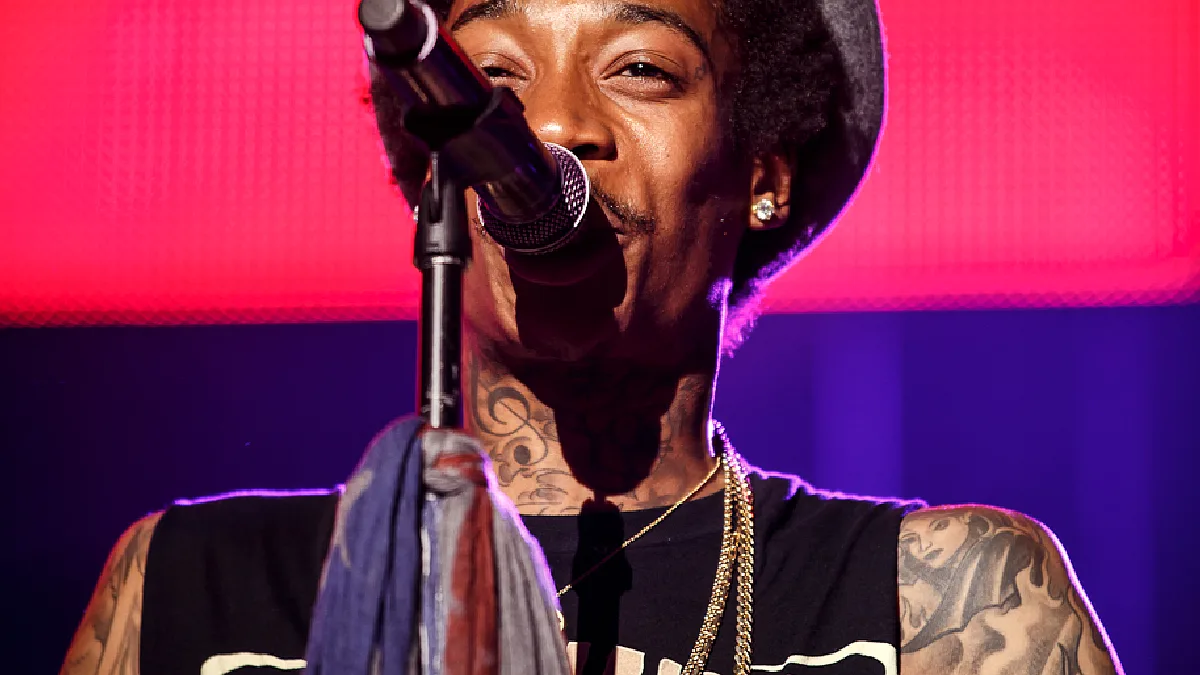
On a summer night along Romania's Black Sea coast, the beat dropped, and a fragrant, dense plume of cannabis smoke rose above the festival crowd in Costinești. Hip-hop icon Wiz Khalifa—whose real name is Cameron Jibril Thomaz—stood center stage at the July 2024 Beach, Please! festival, doing what he has done for decades: celebrating cannabis culture alongside tens of thousands of fans. But while lighting up a hand-rolled cigarette is standard fare at a Taylor Gang concert in the United States, Romanian authorities viewed the moment through a far stricter legal lens.
What followed was a two-year legal saga that saw the Pittsburgh rapper face a potential nine-month prison sentence. The ordeal finally reached its conclusion when European judges substituted a criminal fine for jail time, highlighting the severe contrast between American cannabis normalization and international drug laws.
More on this topic: November Cannabis Deals: Your Holiday Shopping Culture Guide — our full cannabis culture guide.
Is Weed Legal in Romania?
No, unauthorized possession of cannabis for personal use remains strictly illegal under Romanian criminal law, carrying penalties that can range from substantial fines to multi-year prison sentences. As reported by High Times, Khalifa's headline-grabbing onstage session led to an immediate arrest and a lengthy judicial battle over his personal possession charges.
The incident began when Romanian prosecutors alleged that Khalifa was in possession of 18.53 grams of cannabis, in addition to the single joint he consumed while performing. Officers from DIICOT—Romania's Directorate for Investigating Organized Crime and Terrorism—detained the rapper shortly after he stepped off the stage. Although police questioned and released him that night, allowing him to leave the country, prosecutors formally filed criminal charges for unlawful possession for personal use.
Addressing his fans shortly after his release, Khalifa took to social media to clarify his intentions. "I didn't mean any disrespect to the country of Romania by lighting up on stage," he posted on X. He added that the responding officers were respectful throughout the encounter, though the legal system was far from finished with his case.
The Long Legal Journey: From Fines to Prison Sentences and Back
The judicial proceedings moved through multiple stages within the Romanian legal system over two years. In April 2025, the Constanța Tribunal initially handed down a criminal fine of 3,600 Romanian lei (approximately $830 at the time). However, DIICOT organized crime prosecutors appealed the sentence, arguing that a mere financial penalty was insufficient for a high-profile public violation.
That prosecution appeal led to a drastic escalation. In December 2025, the Constanța Court of Appeal overturned the monetary fine and sentenced Khalifa in absentia to nine months in prison, issuing a formal warrant for his arrest. Khalifa's defense team launched a series of legal challenges, eventually convincing Romania's highest judicial authority to transfer the proceedings to the capital city of Bucharest.
As reported by The Source and AllHipHop, the Bucharest Court of Appeal granted Khalifa's legal team a major breakthrough on November 3, 2026. The Bucharest judges set aside the nine-month prison judgment, voided the arrest warrant, and agreed to rehear the prosecution's appeal. On November 12, Khalifa appeared before the appellate judges via videoconference from the U.S., acknowledging the violation and expressing his willingness to comply with court directives.
On Thursday, November 19, 2026, the Bucharest Court of Appeal issued its final ruling. The judges kept the conviction for unlawful personal possession intact but modified the penalty, ordering Khalifa to pay a criminal fine of 9,600 Romanian lei (calculated as 120 days multiplied by 80 lei per day). The ruling explicitly warned that failure to pay the fine in bad faith could result in prison time, but the enforceable jail sentence was officially set aside.
What Happens When Hip-Hop Culture Collides with Foreign Drug Laws?
American performers face significant legal exposure abroad because foreign jurisdictions do not recognize U.S. state-level legalization, medical exemptions, or domestic cultural norms. As noted in analysis by Hip-Hop Wired, Khalifa's situation echoes other high-profile international legal crises involving American celebrities, including WNBA star Brittney Griner's 2022 arrest in Russia over cannabis vape cartridges and A$AP Rocky's 2019 detention in Sweden.
For global touring artists who champion craft weed delivery and cannabis lifestyle delivery in their lyrics and business ventures, traveling across international borders requires navigating vastly different legal systems. While personal consumption is widely accepted across much of North America, international law enforcement agencies often enforce zero-tolerance statutes regardless of an individual's fame or national origin.
Bud Lords Take: Global Stigma vs. Cultural Normalization
Our read: While Wiz Khalifa's signature onstage pre-roll habit is part of his iconic brand, this case highlights how far global drug policy still trails behind consumer culture. In markets with robust legal access, enjoying premium cannabis delivery or picking up fresh pre-rolls is an everyday lifestyle choice. Overseas, however, outdated prohibition laws still empower prosecutors to treat personal possession as an organized crime issue.
Khalifa handled the situation with characteristic poise, acknowledging local customs while defending his rights through the proper legal channels. His ability to secure top-tier legal representation spared him from serving jail time, but his experience serves as a cautionary tale for everyday cannabis enthusiasts who travel abroad.
Cultural Trends and Lifestyle Changes
The international conversation surrounding Khalifa's legal victory reflects a broader shift in weed delivery culture and marijuana social delivery. Across the globe, music fans and lifestyle consumers increasingly view cannabis through the lens of wellness, recreation, and creative expression rather than criminal activity.
As craft weed delivery networks and adult-use legal markets expand throughout North America and parts of Europe, consumer expectations are changing. Festival-goers increasingly expect events to offer designated consumption spaces and safe access points. When institutional laws fail to keep pace with these social shifts, high-visibility incidents like Khalifa's spotlight the urgent need for modernized drug policies worldwide.
Community Impact and Social Equity Considerations
From a social equity perspective, Khalifa's case brings attention to the fundamental unfairness of cannabis prohibition. Millions of non-celebrities around the globe face severe criminal records, loss of employment, and actual incarceration for possessing small quantities of flower—penalties that destroy lives over a personal choice.
While celebrity status and financial resources enabled Khalifa to fight an international prison sentence through two years of appellate litigation, everyday citizens in strict jurisdictions rarely have access to the same legal remedies. Advocacy groups continue to point to cases like this to emphasize why criminal penalties for simple possession must be eliminated globally in favor of equity, public health, and sensible regulation.
What This Means for the DC/MD/VA Cannabis Community
For consumers and culture enthusiasts in Washington DC, Maryland, and Virginia, Khalifa's international legal scare serves as an important reminder about legal boundaries, jurisdictional limits, and responsible consumption.
Here in the National Capital Region, local rules vary significantly across state lines and federal property:
Virginia Cannabis Regulations: Under current Virginia marijuana laws, adults 21 and older may legally possess up to one ounce of cannabis for personal use in private spaces. However, public consumption remains prohibited under VA weed legal guidelines. Furthermore, discussions regarding commercial retail sales are ongoing, making adult-use gifting and home cultivation common local avenues while medical dispensaries serve registered patients.
Maryland Adult-Use Framework: Maryland operates a fully licensed adult-use market where adults 21 and older can purchase products directly from licensed dispensaries and enjoy regulated access to flower, edibles, and concentrates.
Washington DC Delivery & Culture: In the District, Initiative 71 allows adults to possess and gift cannabis, fueling a vibrant local culture centered on compliant gifting, premium cannabis delivery, and community events.
The Highlights for DMV residents is that legal protections end at state lines and national borders. Transporting cannabis across federal land (such as national parks or airports in DC, Maryland, and Virginia) or taking products on international flights remains illegal under federal law. Understanding local laws ensures that consumers can enjoy their preferred lifestyle safely whether at home or abroad.
Looking Ahead
With the Bucharest Court of Appeal's final ruling, Wiz Khalifa can finally put his Romanian court battle behind him, successfully avoiding jail time in favor of a fine. As global cannabis reform continues to evolve, his case stands as a landmark example of the ongoing friction between international drug enforcement and modern cannabis culture.
More in Cannabis Culture
Written by Cannabis Science AI
Bud Lords AI Cannabis News Writer
Research scientist specializing in cannabis studies, terpene research, cannabinoid science, cultivation technology, and peer-reviewed cannabis research. Translates complex scientific findings into practical insights.
Expertise: science · research · terpenes · cannabinoids · cultivation · technology
This AI-assisted article was created using the named Bud Lords newsroom personality and reviewed under Bud Lords editorial standards.


Comments