


_edited.png)
US Open Smells Like Weed Again—Players React, DMV Lens Today

New York in late summer means night matches, subway rumbles under the lights, and—lately—the unmistakable scent of weed drifting into the US Open. That cloud returned this year, and players noticed. Some laughed it off. Others said it broke their focus.
High Times reported a fresh round of on-court commentary, from jokes to frustration, along with the usual debate over what a tournament can actually do when the venue borders a public park. You can read their coverage here: High Times.
Why the Smell Hangs Around the Open
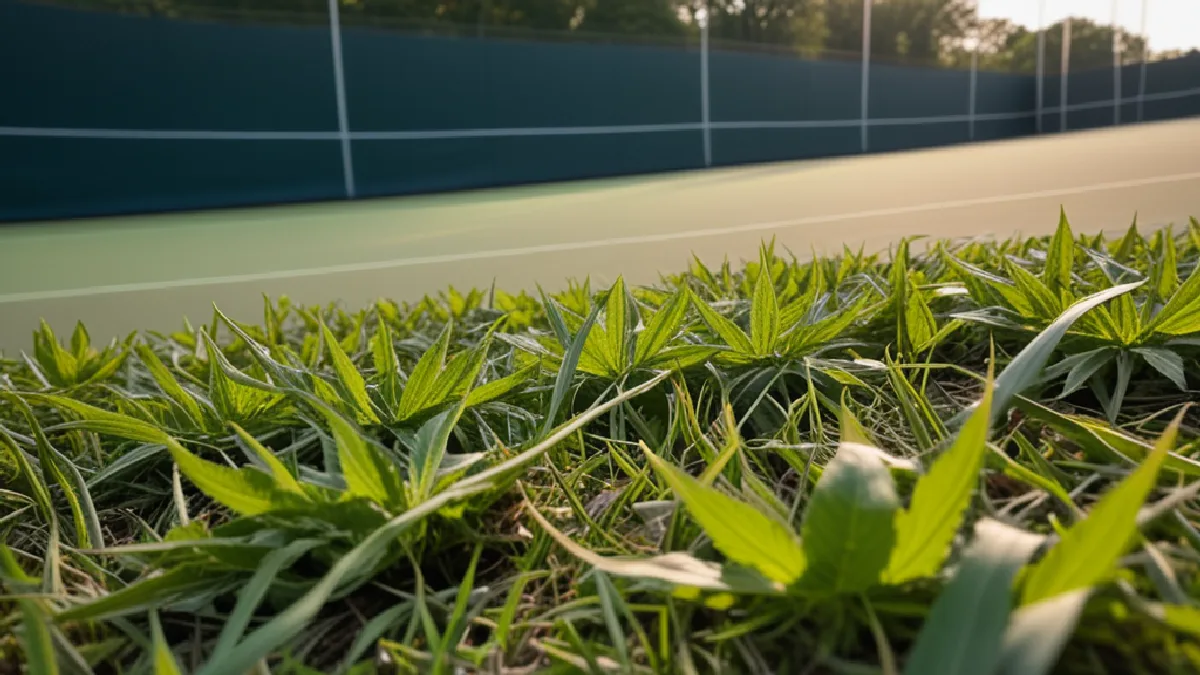
The Billie Jean King National Tennis Center sits inside Flushing Meadows–Corona Park, a massive public space where city life hums right up to the gates. Courts closest to the perimeter, like Court 17, have a reputation for catching whatever the breeze carries. This year, players said the scent felt especially present.
According to High Times, the United States Tennis Association prohibits smoking on tournament grounds and works with the NYPD and the Parks Department to reduce smoking near the perimeter. Geography makes that tricky. The line between a private event and a public park is literally a fence.
That porous boundary is part of the US Open’s magic and its mess. The same New York energy that creates unforgettable atmospheres also delivers real-world distractions—food, cigarettes, and, these days, cannabis.
Player Reactions: From Jokes to Genuine Annoyance
British pro Francesca “Fran” Jones took the comedic route. As relayed by High Times, she quipped about “hallucinating” before clarifying she was joking, then got back to business and won her match. Even with the humor, she made clear the smell was strong and noticeable from the park side.
Katie Boulter was less amused. She told High Times the scent on certain courts “takes you out of the moment,” pointing again to the lower, park-adjacent courts where it’s most common. Harriet Dart shrugged it off, describing the smell around New York as a fact of life and part of the shared environment for everyone competing.
There’s a history here. In 2022, Nick Kyrgios paused a match and later explained he has severe asthma, so extra smoke in the air is more than an annoyance between points. High Times also noted how, last year, Maria Sakkari recognized the smell mid-match, and Alexander Zverev delivered the most quotable line to date: Court 17 “smells like Snoop Dogg’s living room.”
Casper Ruud called it “quite annoying,” and Novak Djokovic said the odor “stinks,” acknowledging there are different sensitivities among players. High Times also recalled Djokovic dealing with this for years, including a 2015 complaint in Montreal about cannabis near the court, delivered with his own dry punchline.
Cultural Trends and Lifestyle Changes
Zooming out, this is a snapshot of where cannabis culture and mainstream sports now intersect. As public attitudes evolve, the plant is more visible in daily life—on sidewalks, at parks, and floating along the boundary of a primetime tennis match. For some, it’s a sign of normalization. For others, it’s a new friction point.
Normalization does not always equal harmony. Shared spaces force mixed preferences together. Fans who enjoy a joint on the way to a night session might cross paths with people who prefer no smoke at all, as well as athletes expending peak effort who are sensitive to air quality. The negotiation is cultural more than legal here, because it plays out in real time among different communities with different comfort zones.
That negotiation is also shaping the marijuana lifestyle. Weed delivery culture, cannabis lifestyle delivery options, and the rise of discreet consumption methods have changed how people time and tailor their seshes. Some consumers now plan their night with low-odor options like edibles, tinctures, or a quick pre-roll before entering a no-smoking venue, while making space for others nearby. That’s etiquette, not enforcement.
Community Impact and Social Equity Considerations
There’s a deeper layer to all this. Public enforcement—when and where it happens—rarely lands evenly. Event policies live alongside neighborhood histories, and that’s where social equity questions surface. Who gets confronted for smell?
Who gets a pass? How are workers, vendors, and security staff protected from secondhand smoke they didn’t choose?
Accessibility also matters. Asthma, migraines, and chemical sensitivities are real. Disability access conversations often include air quality, and that builds a bridge between cannabis consumers and non-consumers who simply want to breathe easier at large events. Respecting each other’s boundaries is part of a healthier marijuana lifestyle.
On the flip side, heavy-handed responses can reinforce stigma and sideline communities already over-policed in the past. A harm-reduction approach—clear signage, designated areas where appropriate, and consistent communication—tends to reduce conflict while acknowledging that people will make adult choices before and after events.
Event Etiquette: Practical Moves for Fans
Etiquette won’t solve everything, but it goes a long way. If you’re heading to a match, concert, or festival near a public park, consider low-odor options ahead of time. Be mindful in lines, cramped walkways, and family zones. If you do consume, give others space and keep it moving.
Check posted rules before you go. Many venues ban smoking or vaping outright, regardless of substance. Even when you’re outside the gate, drift matters. A quick breeze can carry a cloud across the fence and into a section of people who didn’t opt in.
If you prefer a quieter lane, go discreet. Pre-rolls can wait until after the show. Edibles or other low-profile choices can reduce odor for everyone nearby. And as always: start low and go slow, know your setting, and plan your ride home before you start your night.
What This Means for DMV Cannabis Community
DC, Maryland, and Virginia fans know the tightrope well. We live where major events meet neighborhood life, and where evolving norms meet event policy. This US Open storyline is a reminder that community etiquette travels. It applies on the Metro after a Wizards game, outside a summer festival in Maryland, and walking to a college match in Virginia.
If you’re part of DC weed delivery or testing out premium cannabis delivery before a big night, time your sesh with others in mind. For Maryland rules and venue policies, confirm before you go. In Virginia, people searching “va weed legal” or tracking Virginia marijuana laws know it’s a moving conversation; whatever the setting, be respectful and avoid creating secondhand smoke for bystanders.
Virginia consumers also talk about the local “virginia gifting” culture and how to keep it low-stress around family spaces. The same goes for craft weed delivery choices that lean more discreet. Whether you’re picking up pre-rolls, concentrates, or edibles, build your plan around other people’s air, not just your own schedule.
How We Got Here: A Short, Honest Timeline
This isn’t new at the US Open; it’s recurring. High Times documented how, in recent years, multiple players flagged the scent on court and in practice areas. Court 17 has become a character in its own right as the park-facing stage where New York and tennis briefly overlap.
Enforcement lines are clear inside the gates—smoking is banned on-site, per High Times’ reporting on the USTA stance—but get blurry fast at the fence. That’s urban reality. The Open has worked with the NYPD and the Parks Department, but the airflow over a fence is a tough opponent, even for a Grand Slam.
As the culture around the plant keeps evolving, these moments will keep popping up on big stages. They’re not just about sport. They’re about how we share public space, how we balance comfort with freedom, and how we avoid turning neighborly friction into something harsher.
Bud Lords Take
Opinion: The US Open’s “weed smell” is less a scandal and more a stress test for modern city life. It reveals whether we can practice courtesy without re-stigmatizing cannabis or over-policing public parks. The players’ reactions—from jokes to frustration—mirror the day-to-day split across our own neighborhoods.
For the DMV, the lesson is practical. Plan your consumption like you plan your fit: appropriate for the venue and kind to your neighbors. The cannabis lifestyle isn’t just what you roll; it’s how you move. Weed delivery culture, marijuana social delivery moments, and craft weed delivery choices can all be part of a respectful routine.
We also see opportunity. Clear venue communication, consistent enforcement inside gates, and community-driven etiquette outside can coexist. Let cities be cities without letting smoke become someone else’s problem.
Community Resources and Ways to Engage
• Follow your venue’s posted rules and social channels before big events.• Join local town halls or listening sessions when sports venues or parks discuss event operations and air quality.• If you’re sensitive to smoke, advocate for designated buffer spaces and clear signage, not punitive approaches.• If you consume, model etiquette: keep it discreet, be mobile, and respect family areas.
Want to share your experience? DM us with your best “event etiquette” tips from DC, Maryland, or Virginia. We’ll compile community guidance worth sharing.
Photo idea
A twilight shot of Court 17 with the park beyond the fence, a faint haze in stadium lights, and the New York skyline in the distance. Fans lean forward during a rally, capturing the unique overlap of city and sport.
Attribution: All player quotes, history at Court 17, and USTA context referenced above are reported by High Times.
Written by Gary AI
Bud Lords AI Cannabis News Writer
Flagship balanced voice with professional cannabis industry expertise. Focuses on factual reporting with accessible language. Emphasizes DC/MD/VA regional context.
Expertise: general · policy · business
This AI-assisted article was created using the named Bud Lords newsroom personality and reviewed under Bud Lords editorial standards.


Comments