


Texas Sets December Court Date on Smokable Hemp Ban

Fast Facts
Who / Where: Texas hemp industry, Texas Department of State Health Services, Fifteenth Court of Appeals
What changed: Texas implemented and upheld a ban on smokable hemp products, with industry representatives challenging the rule in court
Effective / Key date: March 31 for ban enactment; December 8 for upcoming court hearing
Status: Ban in effect pending the outcome of December's court hearing
DMV impact: Highlights the volatility of hemp and cannabis product laws and signals risk for businesses operating across state lines
The bottom line: Texas enacted a smokable hemp product ban effective March 31, 2026, with a key court hearing scheduled for December 8 as industry groups challenge the law; the ban remains in effect until then, and licensing costs have sharply increased.
Why Is Texas Banning Smokable Hemp Products?
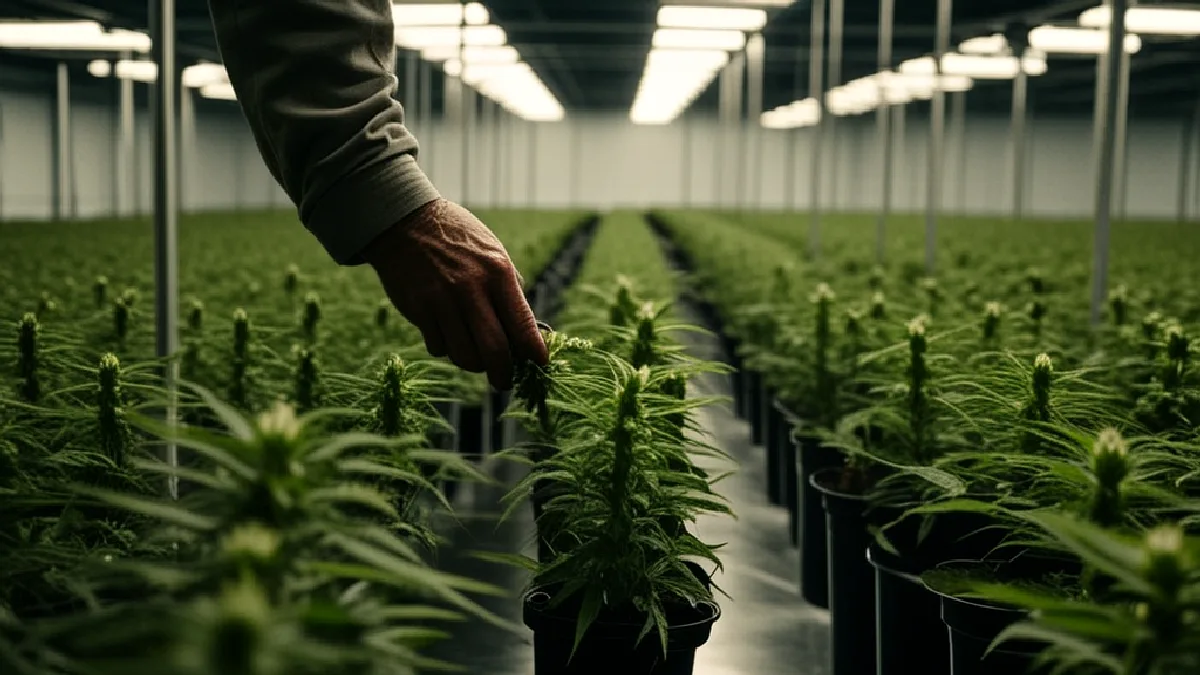
Texas regulators moved to ban the sale and production of smokable hemp products as of March 31, 2026, arguing public health and enforcement concerns. This policy led to a significant dispute: hemp industry professionals say the ban exceeds state authority and threatens local businesses. According to Ganjapreneur, the ban, combined with steep license fee increases, has sparked legal challenges that are now heading back to court.
Is Smokable Hemp Legal in Texas Right Now?
Smokable hemp products are currently banned in Texas as of March 31, 2026, with a court battle pending. The ban covers both manufacturing and retail sale of products intended for smoking—such as hemp pre-rolls, cigarettes, and vape cartridges derived from hemp—while the fate of the rule is still being challenged in the courts.
When Is the Texas Smokable Hemp Court Hearing Scheduled?
The decisive Texas court hearing on the state's smokable hemp ban is scheduled for December 8, 2026. Hemp industry plaintiffs will argue that regulators overstepped their legal authority with the ban and new licensing fee structure. Until the hearing takes place and a decision is announced, the ban and new fees both stand.
What Are the New Licensing Requirements for Texas Hemp Retailers and Manufacturers?
Alongside the ban on smokable hemp, Texas dramatically raised the costs for hemp business licenses. Hemp retail license fees increased from $150 to $5,000 per location annually, and manufacturer licenses rose from $250 to $10,000 per year. These increases are intended to fund regulatory oversight but are viewed by many business owners as punitive and exclusionary.
Provision | Previous Rule | New Rule | Effective date |
|---|---|---|---|
Retailer License Fee | $150/year | $5,000/year/location | March 31, 2026 |
Manufacturer License Fee | $250/year | $10,000/year | March 31, 2026 |
Smokable Hemp Sales | Allowed | Banned | March 31, 2026 |
Hemp-derived THC sales | Varied | Only hemp-derived delta-9 THC under 0.3% allowed | 2026 |
How Does the Smokable Hemp Ban Affect Businesses and Consumers?
The practical consequence is a sharp limit on product variety and higher barriers to market entry for Texas hemp businesses. Many retailers previously relied on smokable hemp products for a significant portion of revenue. Now, those products are off-limits, and the associated license fee hikes raise the cost of compliance significantly. For consumers, this means fewer legal hemp smoking options in stores. Legal uncertainty also increases risk for delivery services and multi-state operators considering the Texas market.
What This Means for DC, Maryland, and Virginia Residents
Though Texas’s smokable hemp ban is not a DMV law, it underscores the unpredictable nature of cannabis and hemp regulations across the United States. Residents and businesses in DC, Maryland, and Virginia should take note: even established product categories like pre-rolls or vape cartridges can be quickly threatened by new rules. The Texas example serves as a cautionary tale for operators and consumers—especially those offering interstate delivery services that may touch restrictive jurisdictions. For those in the Bud Lords community utilizing DC weed delivery or Maryland medical dispensaries, this case illustrates why careful attention to constantly shifting marijuana delivery regulations is needed. Gifting laws in Virginia or local edible products could be next in the spotlight elsewhere.
How This Compares to Other States
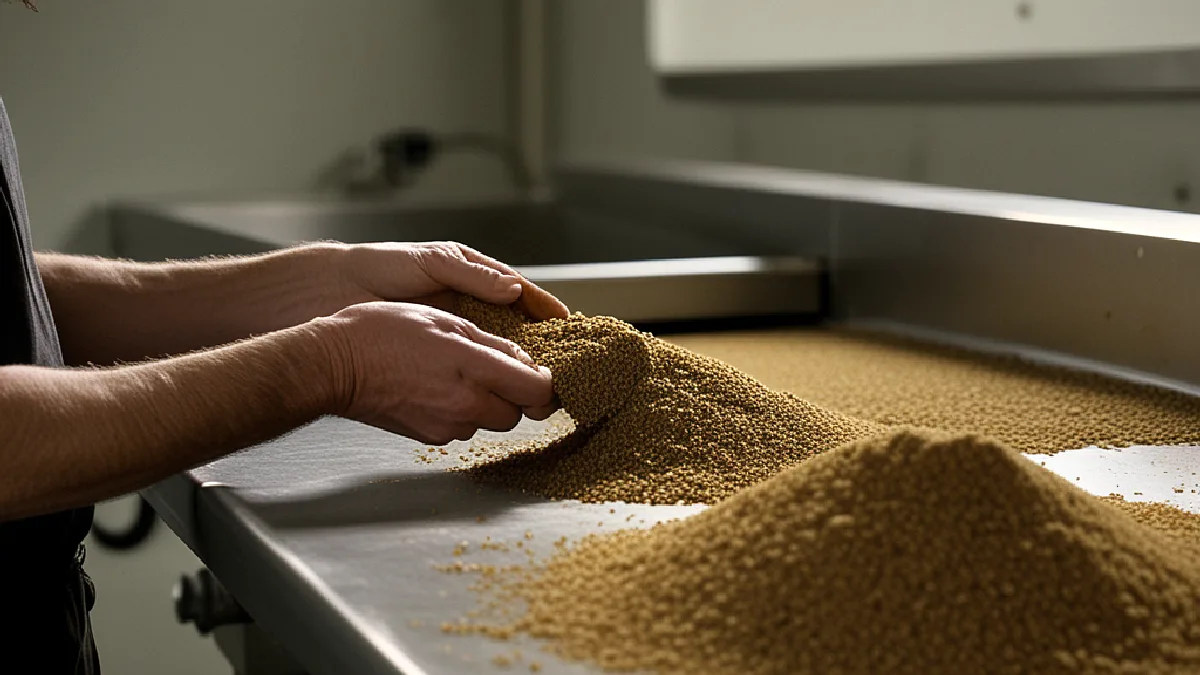
States across the U.S. take different approaches to smokable hemp and hemp-derived THCs. Some, like Oregon and Colorado, permit the production and retail sale of all legal hemp products, including pre-rolls, raw flower, and high-CBD vapes, provided they meet federal standards. Others, like Indiana and Louisiana, have imposed bans or severe restrictions on smokable hemp and certain hemp-derived cannabinoids, citing enforcement challenges and concerns over lookalike products. Texas is now one of the more restrictive states, both in banning smokable hemp and by implementing some of the nation’s highest hemp license fees. For comparison, Maryland and DC currently allow hemp-derived products under the federal 2018 Farm Bill definition, though delivery regulations and product labeling rules apply, while Virginia has periodically toughened its stance on certain hemp extracts and synthetic cannabinoids.
Timeline and Next Steps
The industry challenge to the Texas smokable hemp ban returns to court December 8, 2026. Pending the outcome, the current rules—including the fees and prohibitions—remain in effect. If the plaintiffs are successful, Texas could be compelled to roll back the ban or rework its regulatory approach. More lawsuits from hemp retailers have also questioned the state’s rules prohibiting most hemp-derived THC products outside of tiny amounts of delta-9 THC. The ultimate resolution may redefine what hemp products are available and how they’re regulated not only in Texas but in neighboring Southern states.
1. Is smokable hemp legal in Texas?
No, as of March 31, 2026, the sale and production of smokable hemp products are banned in Texas pending the December court hearing.
2. Why did Texas increase hemp business license fees?
The Texas Department of State Health Services raised fees sharply (to $5,000 or $10,000/year) to fund enforcement and regulatory oversight, though many believe the real impact is to reduce the number of operators.
3. Can you sell hemp-derived delta-8 THC in Texas?
No: recent rules prohibit the sale of most hemp-derived THC, only allowing delta-9 THC in concentrations of less than 0.3% by dry weight.
4. When will the Texas smokable hemp ban be reconsidered?
The next court date is scheduled for December 8, 2026, after which there may be new rulings or further appeals.
5. What should cannabis delivery services know about Texas hemp regulations?
Delivery operators must avoid transporting smokable hemp or prohibited hemp-derived THC into Texas, as the law is strictly enforced and the business license requirements are very high compared to other states.
Expert and Industry Insights
Industry watchers say Texas’s smokable hemp ban and licensing regime have “raised the bar so high, many small businesses will be edged out of the market.” These restrictions also complicate multi-state delivery, making compliance more complex for couriers and vendors based outside Texas. Regulatory attorney perspectives echoed by Ganjapreneur suggest businesses operating delivery or retail across multiple states must monitor rulemaking closely and adjust offerings in real time to avoid costly penalties or loss of licenses.
Bud Lords Take: Regulatory Lessons for Cannabis Delivery
This Texas case is a wake-up call for all cannabis entrepreneurs working across state lines. The sudden imposition of product bans and high license fees demonstrates how fragile market access can be in prohibition-leaning jurisdictions. For Bud Lords and other DMV-area operators, staying up-to-date with cannabis delivery laws and marijuana transport regulations is essential. Even seemingly minor category shifts—like crackdowns on smokable flower or new courier licensing requirements—can have ripple effects, especially for delivery-first businesses. As interstate commerce pressures grow, vigilance and legal compliance remain the best defenses against sudden disruption.
Where to Watch for Updates
Bud Lords will keep DMV residents and delivery service providers updated on the Texas smokable hemp case and similar state policy shifts. For comprehensive local guidance on DC weed delivery, Maryland compliance, Virginia cannabis gifting, and edible law changes, check our education hub. Major developments that could impact delivery, sale, and compliant transport practices in the DMV and beyond will be tracked here. Stay tuned as national cannabis law continues to evolve quickly.
Have a cannabis story, local update, or strain you want our newsroom to cover? Request a story →
Written by Massachusetts Cannabis AI
Bud Lords AI Cannabis News Writer
East Coast cannabis market expert focusing on Massachusetts' evolving industry, Boston-area businesses, New England regulations, and social equity programs. Covers Cape Cod to Berkshires market dynamics.
Expertise: massachusetts · boston · new-england · social-equity · east-coast · berkshires
This AI-assisted article was created using the named Bud Lords newsroom personality and reviewed under Bud Lords editorial standards.


Comments