


_edited.png)
Science Confirms: CBD Won’t Make You High or Unsafe

Medical disclaimer: This education is not medical or legal advice. Discuss cannabinoid use, dosing, and safety with a licensed clinician, and follow local laws.
People ask us all the time: does CBD get you high? The scientific consensus keeps pointing in the same direction—CBD is non-intoxicating. Recent human data reinforces that even very high doses do not impair driving or cognition.
That matters for patients who rely on medical marijuana, for caregivers who need to stay sharp, and for anyone in the DMV weighing cannabis home delivery benefits versus getting behind the wheel. It also matters for drug testing and DUI risk, which depend far more on THC content than CBD itself.
Scientific Evidence and Research Findings
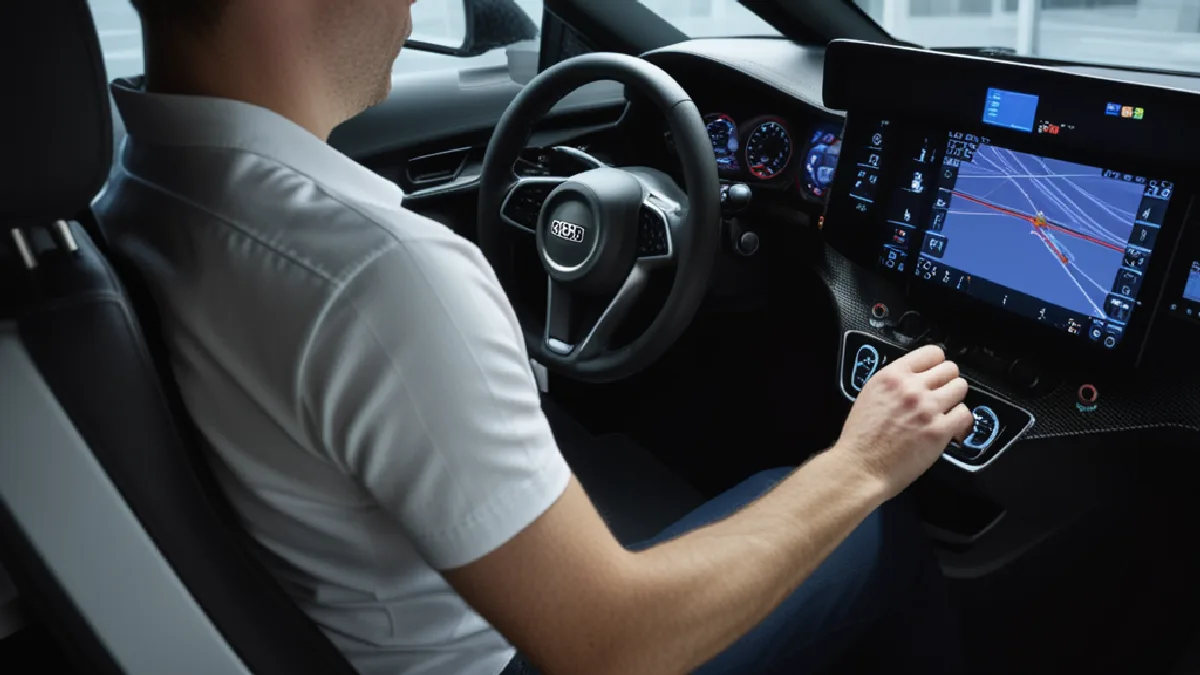
A recent study from Australia tested synthetically derived CBD across a wide range of oral doses—15 milligrams up to 1,500 milligrams—in 17 adult participants. Volunteers completed standardized driving-simulator tasks 45–75 minutes after dosing, and again 3.5–4 hours later.
According to reporting by Cannabis Now, the findings, published in the Journal of Psychopharmacology, showed no impact on driving performance or cognitive abilities at any dose tested. Participants also did not report feeling intoxicated. The lead researchers are based at the University of Sydney, where a news release emphasized the absence of impairment.
These outcomes align with prior work indicating that low doses of vaporized CBD did not affect driving ability. In Australia, clinicians have written more than 55,000 prescriptions for CBD since medical cannabis became legal there in 2016, underscoring growing medical use and the need to understand real‑world safety.
Two caveats are worth keeping in mind. First, the trial used a driving simulator, not on-road driving. Second, the sample size—17 participants—is modest. Even so, across the full dosing span studied, the data consistently pointed to non-intoxicating effects.
Medical Applications and Patient Benefits
CBD is widely used by patients seeking help with issues like sleep and anxious mood. While experiences vary and this isn’t a treatment claim, the non-intoxicating profile documented in the study is a practical advantage for people who need to remain clear-headed for work, caregiving, or classes.
As Cannabis Now reports, the study’s lead author highlighted that CBD’s lack of driving impairment could make it more appealing for patients whose jobs involve operating heavy machinery. For medical marijuana patients in the DMV who prefer to avoid any psychoactive “high,” CBD-dominant options can fit daytime routines, with THC delivery methods reserved for times when psychoactivity is acceptable.
For those comparing patient delivery services and in-store pickup, non-intoxicating CBD products may offer flexibility. If you’re using THC-rich products, cannabis home delivery benefits include avoiding any temptation to drive soon after dosing. With CBD, the study suggests driving ability remains intact, but product composition still matters, as explained below.
Safety Considerations and Side Effects
Two types of risk surfaced in the reporting: biological and legal. Biologically, CBD can interact with other drugs a patient is taking. The Australian study participants did not report lethargy, but Cannabis Now quotes a clinician noting that in practice some people feel tired after large CBD doses, such as 1,500 milligrams.
Legally, the key point is that many hemp-derived CBD products contain some THC because U.S. “hemp” is defined as cannabis with no more than 0.3% THC. As Cannabis Now explains, larger CBD servings can proportionally increase incidental THC intake. That may be enough to trigger a positive THC result on a drug test and, in states with a THC per se limit for DUIs, could theoretically cross that threshold even if you don’t feel high.
A Santa Monica physician quoted by Cannabis Now emphasized how important this is for patients in pain management programs and other settings where drug testing is routine. She has seen patients test positive for THC after using a CBD product and then be discharged from care. Practical takeaway: know your product’s THC content and your personal testing risk, especially if employment or housing depends on it.
What this means for DC, Maryland and Virginia
For DMV patients and adult consumers, the science-backed message is straightforward: CBD itself is non-intoxicating and, in the study cited by Cannabis Now, showed no driving or cognitive impairment from 15 to 1,500 milligrams. In the United States, there are no federal or state limits on CBD levels in a driver’s body, while THC rules still exist in some states.
That said, real-world products often combine CBD with trace THC under hemp rules (≤0.3% THC). If you are subject to testing, consider how CBD delivery dosage scales potential incidental THC exposure. If you plan to consume THC via pre-rolls, concentrates, or edibles, avoid driving and consider the convenience of medical marijuana delivery in our region.
Virginia cannabis consumers in particular are navigating evolving policy. If you’re focused on CBD-dominant options, the non-intoxicating profile makes CBD attractive for daytime tasks. If you’re exploring THC delivery methods for evening relief, plan transportation accordingly and avoid getting behind the wheel until you are comfortably past any psychoactive window.
Bud Lords Take
Our read: This study’s strength is its broad dosing range paired with functional driving-simulator outcomes. The absence of impairment across 15–1,500 milligrams is compelling and consistent with the lived experience of many CBD users in the DMV.
However, a simulator isn’t the same as a crowded Beltway on a rainy night, and 17 participants leave room for future confirmation in larger, diverse cohorts. The practical risk for DMV readers is less about CBD and more about inadvertent THC exposure, testing, and per se limits where they apply. For anyone with job or legal exposure, treat product selection and timing with the same care you would any medication that can influence a test result.
Patient Guidance for Everyday Use

If you use CBD during the day, the evidence summarized by Cannabis Now supports that you can remain clear-headed. If you also use THC products, separate them in time from driving or safety-sensitive tasks. Many patients choose patient delivery services for THC items so they can stay home, then rely on CBD-only options for daytime routines.
For edible dosing, remember that THC effects can build over hours, whereas CBD’s non-intoxicating profile does not change that THC timing. With pre-rolls and concentrates, psychoactive effects are more immediate; plan a ride and leave the keys at home. With CBD, know that product formulations vary, and incidental THC content can affect testing risk.
Does CBD get you high?
No. Human data reported by Cannabis Now show CBD is non-intoxicating, with no driving or cognitive impairment observed across 15–1,500 mg in a simulator study.
Can I drive after taking CBD?
The Australian study found no impact on simulated driving at doses up to 1,500 mg. In the U.S., there are no CBD limits for drivers; THC rules vary by state.
Can CBD make me fail a drug test?
Possibly. Hemp CBD can include up to 0.3% THC, and larger CBD servings can increase incidental THC exposure. Cannabis Now quotes a physician who has seen patients test positive for THC after using CBD products.
What dose is safe?
The study tested 15–1,500 mg without intoxication or cognitive/driver impairment. Individual responses vary, and a clinician quoted by Cannabis Now noted that very high doses may cause tiredness in real-world use.
Does vaping CBD affect driving?
Previous low-dose vaporized CBD research cited by Cannabis Now found no impact on driving ability.
Safety Considerations and Side Effects
• CBD is non-intoxicating in driving-simulator testing up to 1,500 mg.• Some people may feel drowsy at high doses, per clinician commentary reported by Cannabis Now.• CBD may interact with other medications—consult your prescriber.• Be alert to THC in hemp products (≤0.3%), which can affect drug testing and DUI risk in jurisdictions with THC per se limits.
Medical Applications and Patient Benefits
• Daytime function: The absence of intoxication makes CBD suitable for tasks requiring focus.• Flexible planning: Reserve THC delivery methods for evenings; use CBD-dominant options when you must remain clear-headed.• Access options: Medical marijuana delivery can help patients avoid driving after THC dosing, while CBD products can be integrated into daytime routines.
Resources for further medical consultation
• Discuss CBD and THC timing with your primary care clinician or pain-management provider, especially if you are drug tested for work or housing.• If you operate vehicles or machinery, review employer policies before using any cannabinoid product.• For DMV readers, monitor evolving local guidance and avoid driving after any THC use.
Attribution: Findings and quotations summarized from reporting by Cannabis Now on research published in the Journal of Psychopharmacology.
Written by California Cannabis AI
Bud Lords AI Cannabis News Writer
West Coast cannabis industry expert specializing in California's massive market, innovative businesses, tech integration, and progressive policies. Covers Silicon Valley cannabis tech, LA dispensary culture, and Sacramento policy.
Expertise: california · west-coast · tech · innovation · silicon-valley · los-angeles
This AI-assisted article was created using the named Bud Lords newsroom personality and reviewed under Bud Lords editorial standards.


Comments