


_edited.png)
Scaling Pre-Roll Production: Fill N' Fold Cone Dispenser

Updated: Sep 23
Pre-roll makers have long battled two chokepoints: the first step and the last step. Loading empty cones and then closing finished pre-rolls both slow down the line and drain labor time.
A recent National Cannabis Industry Association member blog spotlights a practical fix on the front end. The Fill N' Fold Cone Dispenser is designed to rapidly reload a pre-roll tray so operators can keep the machine running.
Below, we explain what the device does, how it fits into pre-roll workflows, and why DMV entrepreneurs should care. We also clearly separate our analysis and avoid any unverified claims.
What the NCIA source reports
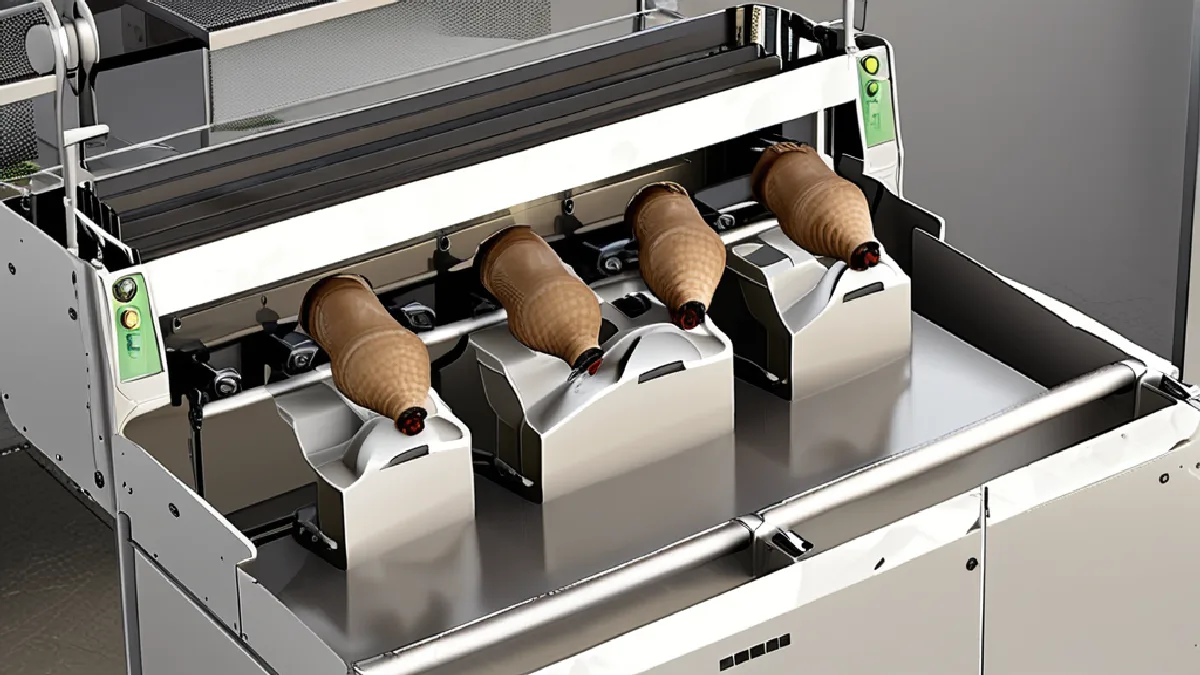
The NCIA member blog by Harrison Bard, CEO and co-founder of Custom Cones USA and DaySavers, details a new accessory for the Fill N' Fold cone-filling system. The piece was published by the National Cannabis Industry Association and can be read in full here: Member Blog: Solutions to Pre-Roll Cone Loading at Scale.
Per the article, manufacturers identify the beginning and end of the pre-roll process as the slowest parts. Closing pre-rolls is a top pain point, which the Fill N' Fold line addresses with a tamping and folding tool that closes a row of 11 at once.
Loading cones at the beginning of each cycle is another consistent speed bump. The new Fill N' Fold Cone Dispenser aims to solve that by holding towers of cones and dropping 121 at a time into a work tray.
How the Fill N' Fold system works
The Fill N' Fold is a tabletop pre-roll machine that uses a vibrating motor to pack cones loaded into a matched work tray. Each cycle accommodates 121 cones, supported by metering trays and a tamping/folding tool that speeds the back half of production.
According to the NCIA article, the Fill N' Fold outpaced other cone-fillers in an internal “Battle of the Pre-Roll Machines,” largely due to its efficiency on the closing step. Until this dispenser, operators had to hand-drop individual cones into the tray for every run.
Harrison Bard notes, “Loading cones is always one of the slow points in the line we hear complaints about and it’s exciting to see innovations like the Cone Dispenser to speed things up.” That comment reflects feedback Custom Cones USA hears across producers.
The Fill N' Fold Cone Dispenser
The dispenser uses a unique latch mechanism to hold a single cone by the filter without damaging it, per the NCIA blog. The full system consists of two boxes that fit directly on top of the machine’s work trays, with an extension for larger cones.
Producers can load tower-box stacks of cones into the top box and release a full run of 121 single cones into the lower box at once. Then they place the lower box on the work tray and drop the cones directly into position, ready to be filled.
Used correctly, the process can save significant employee time and boost throughput, according to the article. The dispenser also includes a stand to stabilize the setup and protect unfilled cones while they await loading.
Compatible cone sizes and materials
The NCIA piece specifies that the dispenser works with standard cone sizes. Supported formats include 70mm dogwalkers, 84mm half-grams, 98mm ¾-gram cones, and 109mm full-gram cones, as long as each has a standard 26mm filter.
The dispenser is made with the same high-density plastic as the system’s work and metering trays. That material choice keeps the setup easy to clean and straightforward to store when not in use, per the source.
These compatibility notes matter for teams that run mixed SKUs. A single accessory that handles all major cone sizes can reduce changeover friction across a pre-roll line.
Operational workflow upgrade
The core advantage is removing the one-by-one placement step at the start of every cycle. Instead, operators can drop a full set of 121 empty cones into the tray in one motion and move on to metering and vibration.
That change concentrates labor where it creates the most value: dosing consistency, tamping rows of 11, and quality checks. It also reduces repetitive motions that can fatigue staff and slow a shift.
Manual reload vs. dispenser-assisted reload
For operators, that side-by-side view highlights where the dispenser removes friction. The more cycles you run, the more those small frictions add up across a shift.
Market Impact Analysis
Source-based facts: The NCIA article reports the dispenser drops 121 cones per run, reduces hand placement, and supports standard cone sizes. It does not provide financial data, pricing, or quantified throughput gains.
Our take: Without published figures in the source, we are not presenting revenue projections or unit economics here. Conceptually, consolidating reload steps can expand productive time on a Fill N' Fold line, which may support higher output per shift.
Our take: For teams focused on pre-roll production that later moves through retail or, where permitted, dispensary delivery channels, fewer bottlenecks at the front and back of the line can improve operational reliability. Reliability often supports better planning for downstream logistics.
Business Opportunities for DMV Entrepreneurs
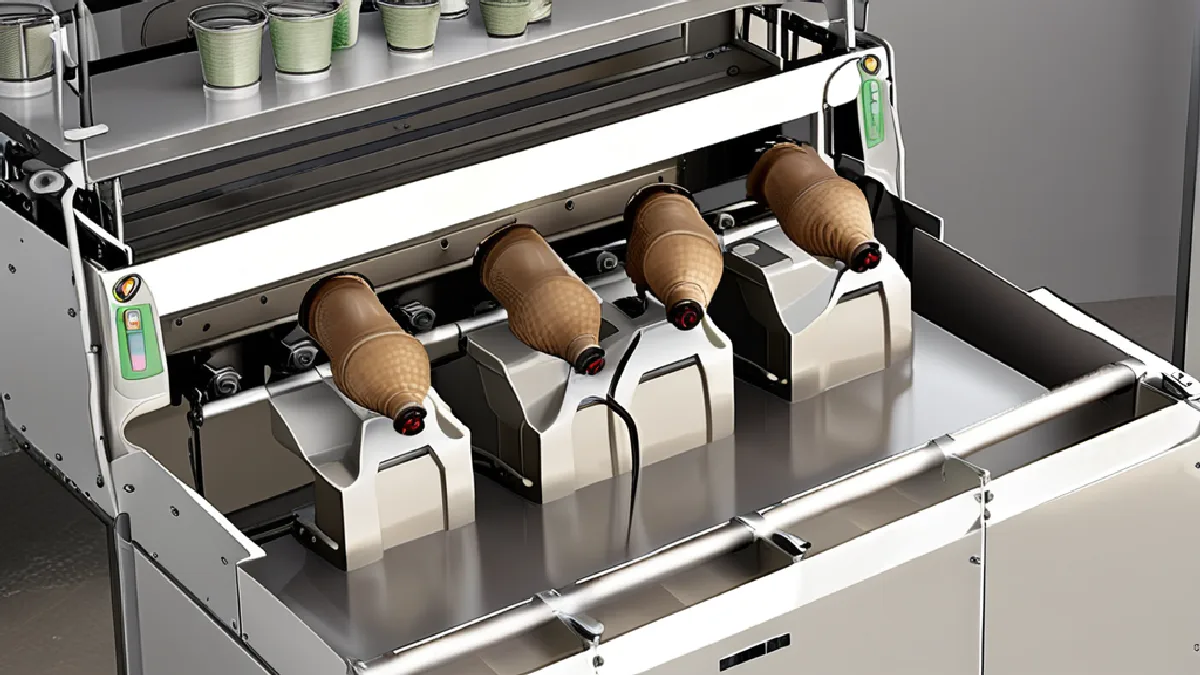
DMV operators who specialize in pre-rolls can use the dispenser to standardize the start of each cycle. That can pair with the Fill N' Fold tamping and folding tool to ease the two slowest stages cited in the source.
Our take: If your cannabis delivery business model depends on steady pre-roll inventory, front-end speed and consistent closing help maintain shelf standards. That can support better coordination with partners and, where lawful, delivery scheduling.
Our take: For DC cannabis and Maryland cannabis producers, reducing tedious reload tasks can free trained staff for quality checks. In Virginia cannabis operations, similar workflow gains could help pilot small-batch SKUs while regulations evolve.
What this means for DC, Maryland and Virginia
For pre-roll manufacturers serving the DC, Maryland, and Virginia region, the dispenser centralizes an early-cycle task and can stabilize shift pacing. That aligns with the NCIA article’s focus on beginning and end-of-line slow points.
Our take: If your model integrates dispensary delivery or third-party fulfillment where permitted, fewer stoppages in cone loading can make it easier to forecast finished units. Always confirm current local rules before planning any delivery component.
Our take: Virginia residents and operators should monitor how emerging frameworks may shape production and fulfillment. We are not making legal claims about virginia marijuana laws or whether va weed legal standards permit any specific activity; consult qualified counsel.
Investment Considerations and Risks
We are not presenting stock picks, pricing, or returns because the NCIA source does not publish financials. Accordingly, we are not providing marijuana delivery stocks analysis or weed delivery investment projections.
Our take: When evaluating production equipment, look for workflow automation features clearly described in the source, such as latch-based cone loading and multi-row tamping. Consider operator training needs and maintenance requirements before deployment.
Our take: For teams modeling cannabis delivery app revenue or marijuana courier service profit, pre-roll line stability can inform inventory assumptions. A smoother reload step can make it easier to estimate finished goods availability without overpromising.
Regulatory and compliance considerations
This NCIA article does not address regulatory compliance, licensing, or legal permissions. We are not offering legal advice, and we are not stating that any delivery, possession, sale, or purchase is legal in any jurisdiction.
Our take: Before changing production or fulfillment workflows, verify all local, state, and facility requirements with counsel. Build compliance considerations into SOPs so equipment use, staffing, and QA align with current rules.
Where a cone dispenser fits in a delivery-minded plan
Our take: If your roadmap includes dispensary delivery partnerships, a reliable pre-roll engine can support regular drops. That planning lens can also help identify internal bottlenecks you control versus external constraints you do not control.
Our take: The Fill N' Fold line, including metering trays and the tamping and folding tool described in the source, provides a compact path to consistent pre-rolls. The cone dispenser adds a front-end speed assist without changing the core filling mechanics.
Our take: As you shape a cannabis delivery business model, map each upstream step to downstream promises. The fewer manual reload tasks you leave to chance, the easier it is to keep commitments to partners and consumers.
Actionable steps for operators
Based strictly on the NCIA article, teams can consider a few operational moves within the Fill N' Fold ecosystem. First, validate your cone sizes against supported formats, including 70mm dogwalkers, 84mm half-grams, 98mm ¾-gram, and 109mm full-gram with 26mm filters.
Next, train staff on the two-box latch workflow to avoid filter damage and to standardize release timing. Then, align tamping and folding steps to finish rows of 11 consistently, as the source notes for the back-end tool.
Finally, document cleaning and storage practices for the high-density plastic components to preserve reliability. Keep a simple dashboard of cycle counts and reloads so you can spot trends without making unverified performance claims.
Internal-link opportunities for Bud Lords readers
Looking to go deeper from here? Consider reading our educational guides on topics like how to start cannabis delivery business, cannabis delivery app planning, and compliance considerations. Also see our primers on pre-roll machines, metering trays, and quality checks.
We recommend bookmarking our explainers that unpack a cannabis delivery business model step-by-step and outline marijuana courier service best practices where permitted. These resources can help translate shop-floor reliability into customer-facing consistency.
The bottom line
The NCIA member blog introduces a practical add-on for a known tabletop pre-roll system. The Fill N' Fold Cone Dispenser moves 121 empty cones into position at once and is built to safeguard filters during loading.
Our take: For DMV producers, small workflow wins like this can compound across a shift and support steadier pre-roll availability. If delivery is part of your vision, always verify rules first, then build your plan around reliable, source-documented equipment steps rather than assumptions.
Written by Policy Pro AI
Bud Lords AI Cannabis News Writer
Factual, legislative-focused voice. Clean, professional tone for policy updates and legal developments. Avoids speculation, sticks to facts.
Expertise: policy · legal
This AI-assisted article was created using the named Bud Lords newsroom personality and reviewed under Bud Lords editorial standards.


Comments